

Most people drink their calming herbal tea right before climbing into bed. It makes intuitive sense: you want to sleep, you make a cup, you drink it, you sleep. But if you have ever followed that ritual faithfully and still woken at 2am staring at the ceiling, there is a good chance the timing was the problem, not the tea.
This is one of the most consistently misunderstood things about drinking herbal tea for relaxation and sleep, and it is worth getting right, because when the timing is off, even the best blend does not do what it is supposed to do.
The Fluid Timing Problem
Even a caffeine-free herbal tea is still a cup of liquid. And any liquid consumed close to bedtime increases the likelihood of waking in the night to urinate, particularly during the lighter stages of sleep when the body is most easily disturbed. Sleep specialists generally recommend finishing any fluid intake at least 90 minutes before you plan to sleep, and some suggest a two-hour window for people who are more sensitive to this. This applies to herbal tea just as it applies to water.
The misunderstanding that herbal tea can be drunk right at bedtime without consequence comes partly from how these teas are marketed. "Sleepytime," "nightly calm," "bedtime blend" — the language suggests that the moment to drink is the moment before you switch off the light. In practice, that timing almost guarantees a mid-sleep disruption for many people, particularly those who already sleep lightly or who are older.
The tea itself is not the issue. The ritual timing is.
How TCM Actually Approaches the Evening Ritual
Traditional Chinese medicine never suggested drinking a single large cup of tea immediately before sleep. The traditional approach to herbal tea was continuous and gradual rather than bolus and sudden: you would return to the same herbs throughout the day, sipping repeatedly, allowing the body to absorb and respond over hours rather than expecting a single cup to shift everything at once.
This approach maps onto something modern sleep research also supports. The behaviours and inputs that affect how well you sleep begin hours before you actually lie down. Cortisol levels, body temperature, nervous system activation — these are not states you can switch off in the final ten minutes before bed. They need to be brought down gradually across the evening. A calming herbal tea has its best effect when it is one signal among several, added to a system that has been slowing down for a while, not applied at the last moment as a shortcut.
For herbs like chrysanthemum, jujube, and longan — the kind found in qìsane's Chrysanthemum & Goji tisane — the goal in TCM was never sedation. It was nourishment and rebalancing across time. These herbs work best when they are part of an extended wind-down, not a single pre-sleep dose.
The Multi-Steep Method and Why It Changes Everything
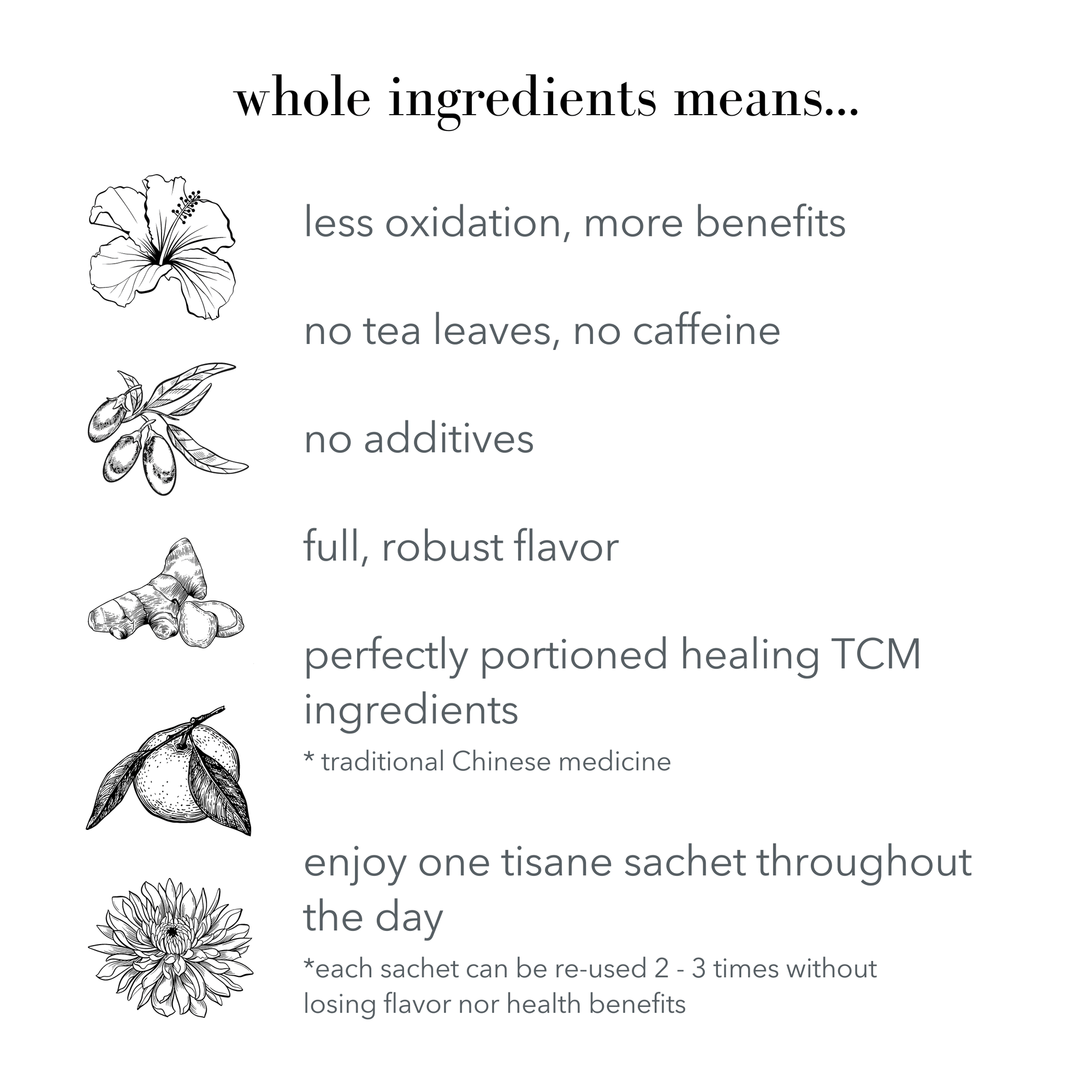
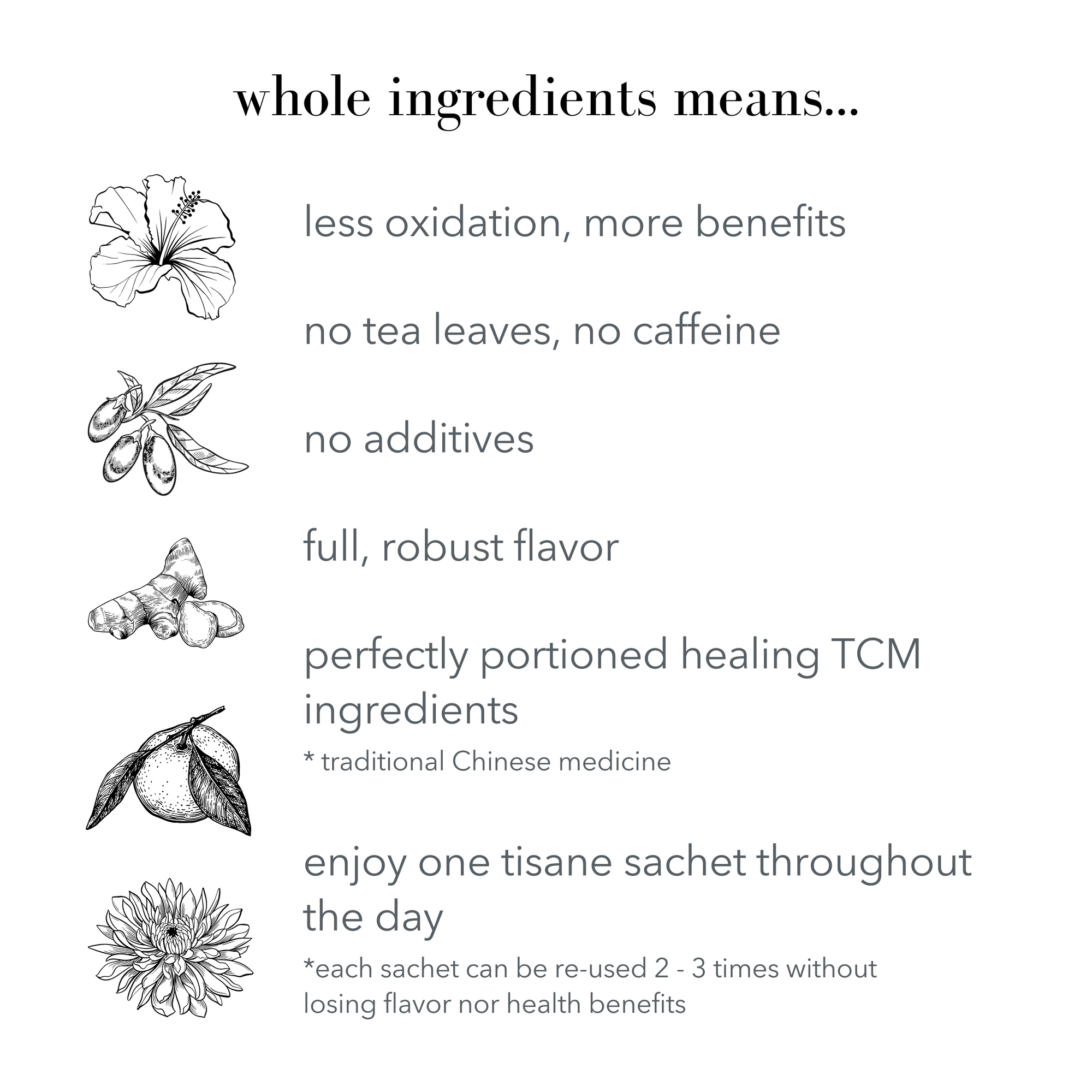
Most people treat a tea sachet the way they treat a teabag: one steep, one cup, done. With whole-ingredient tisanes this is both wasteful and misses how the herbs actually release their properties.
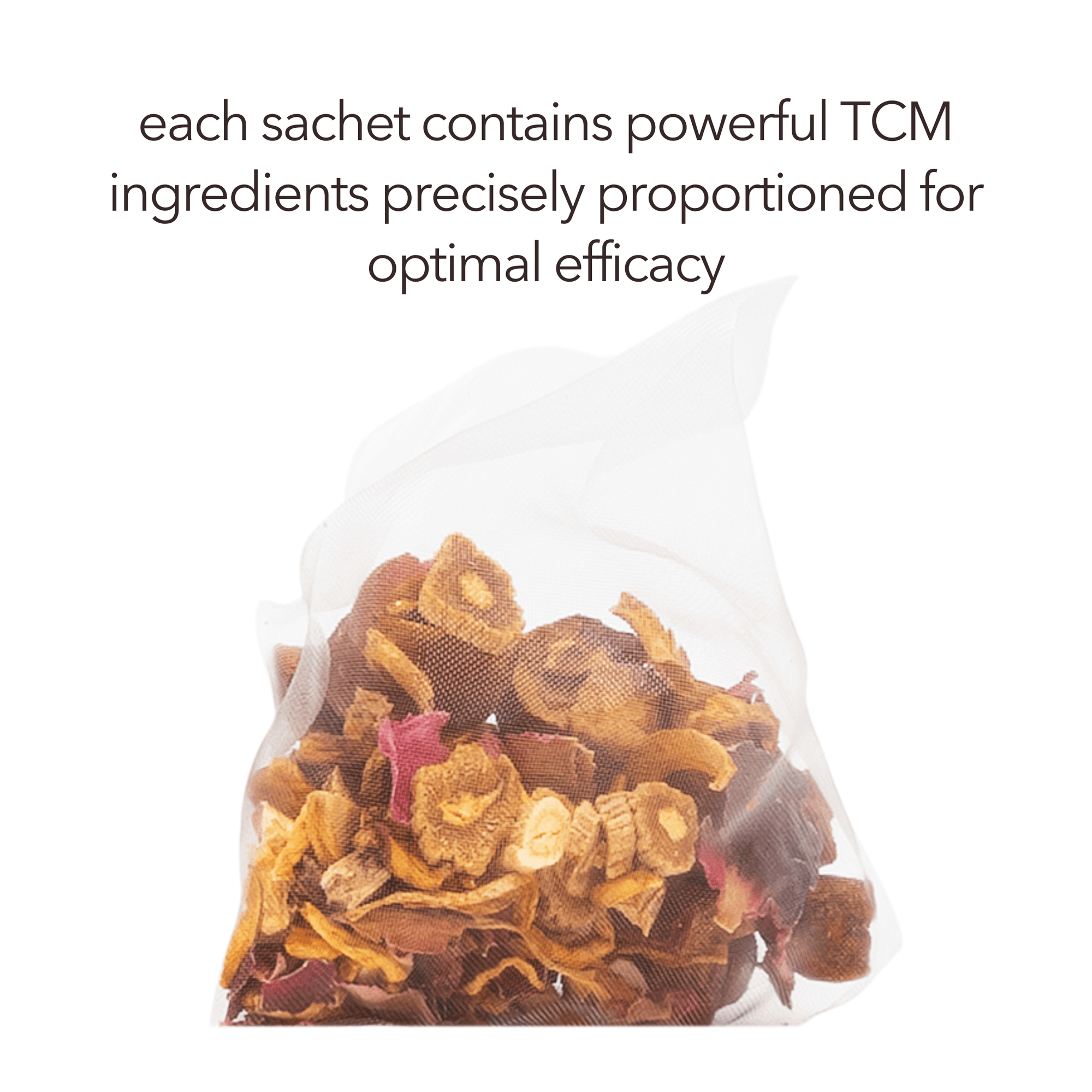
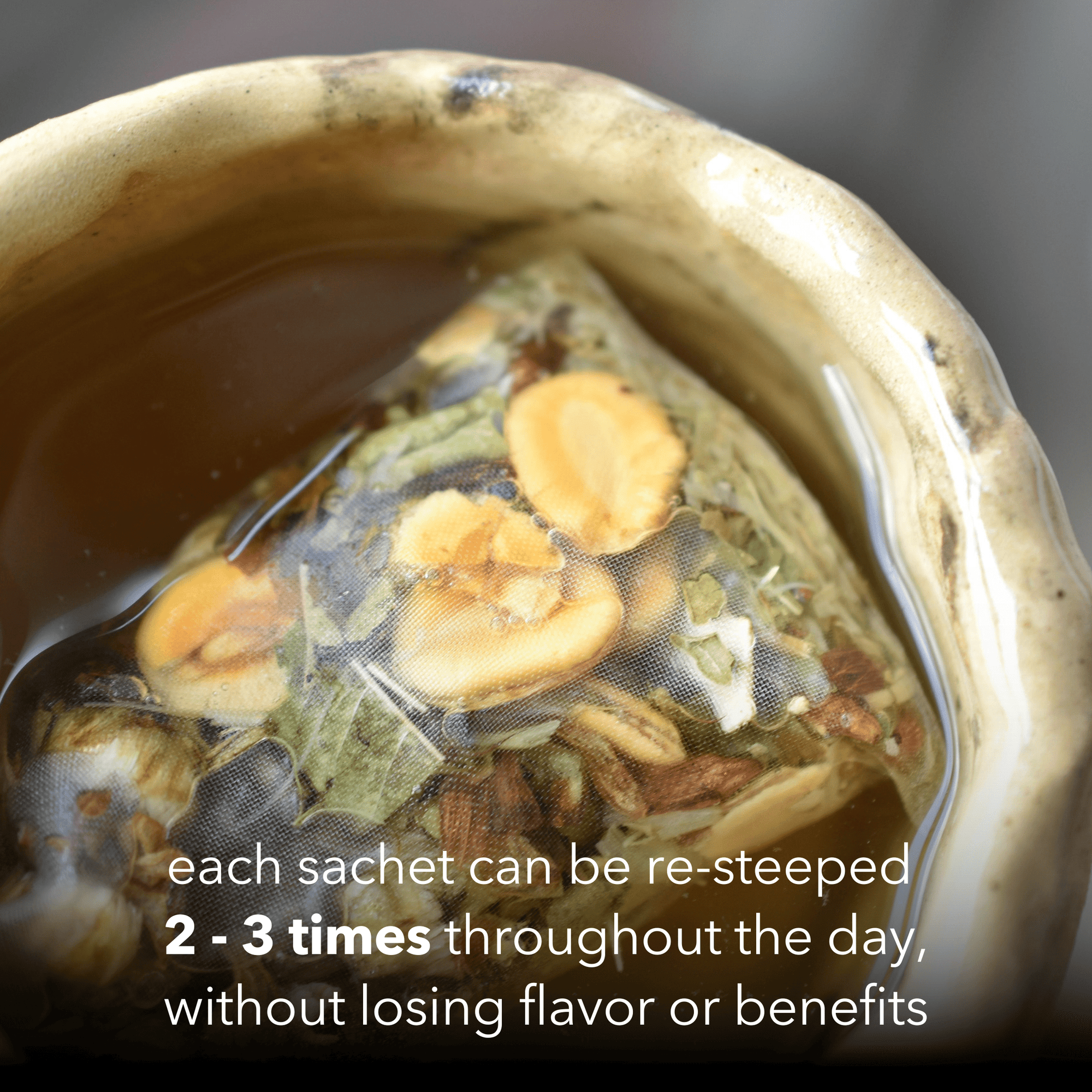
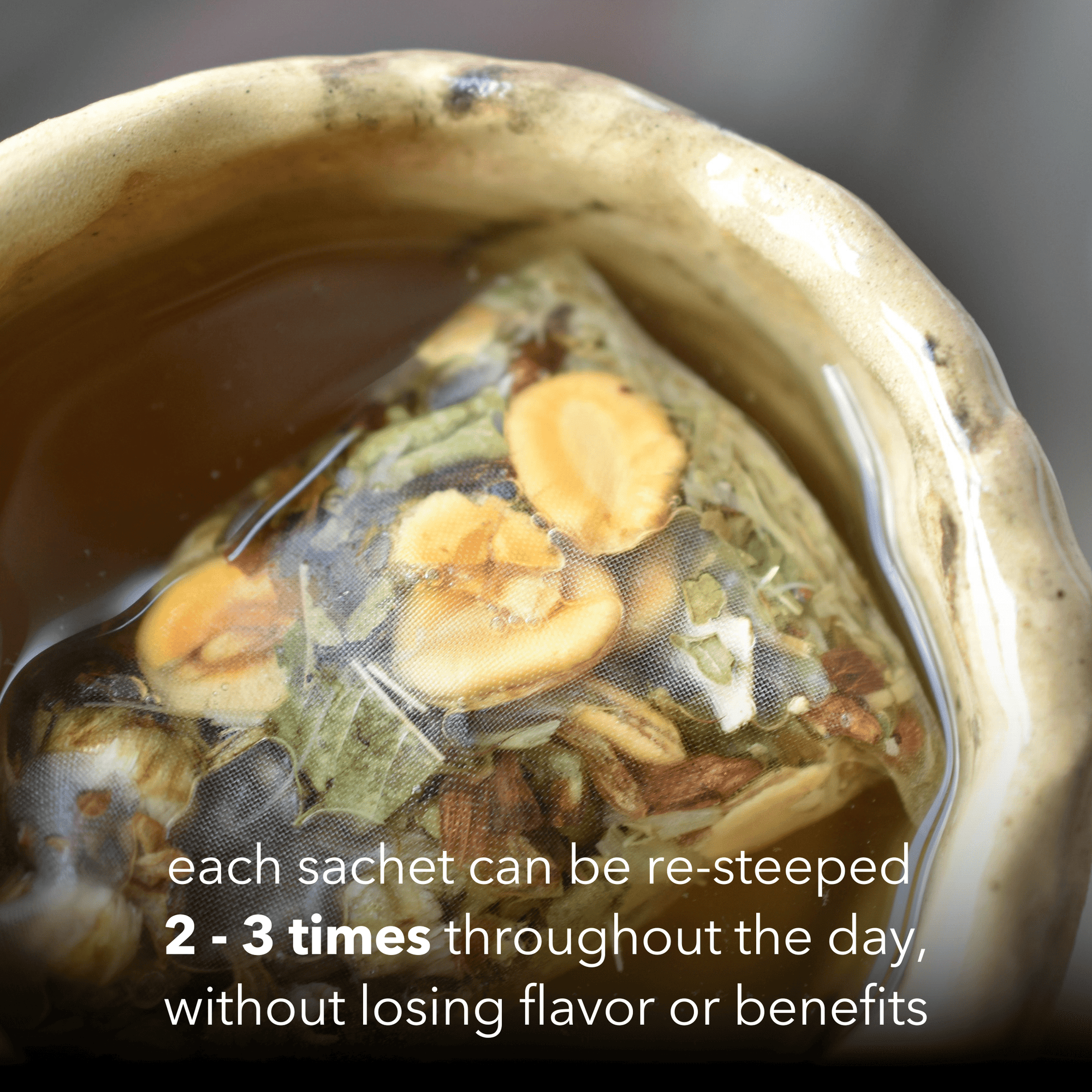
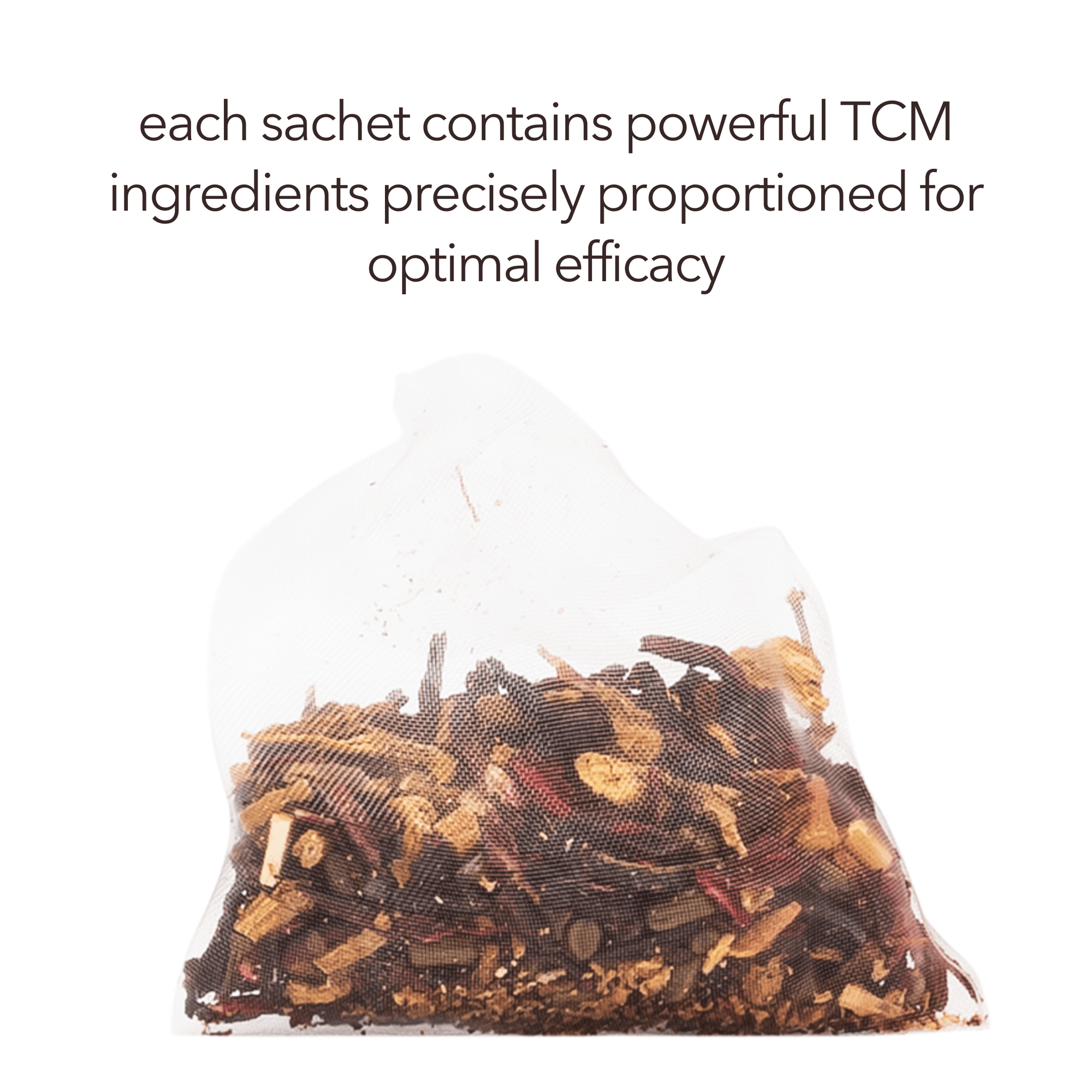
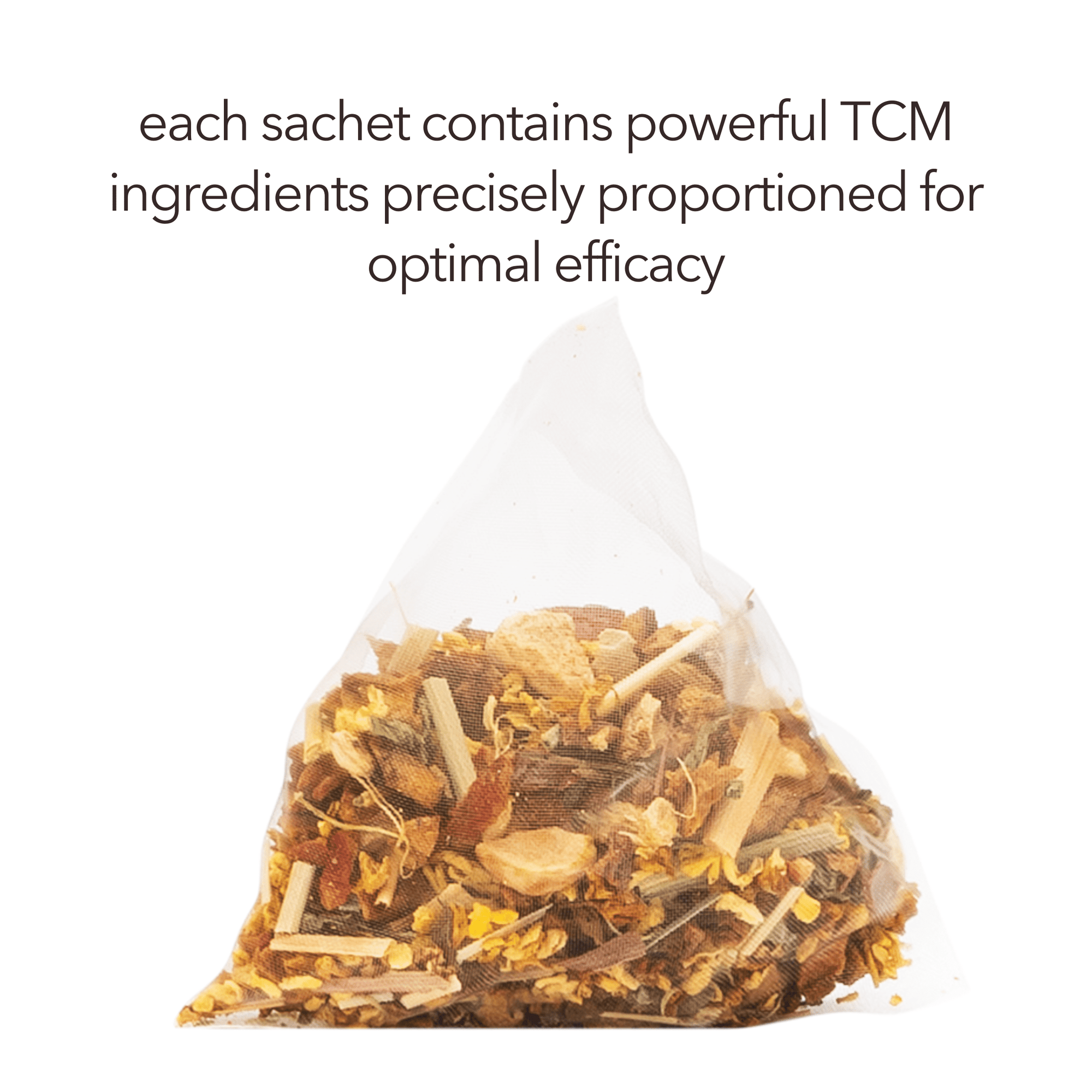
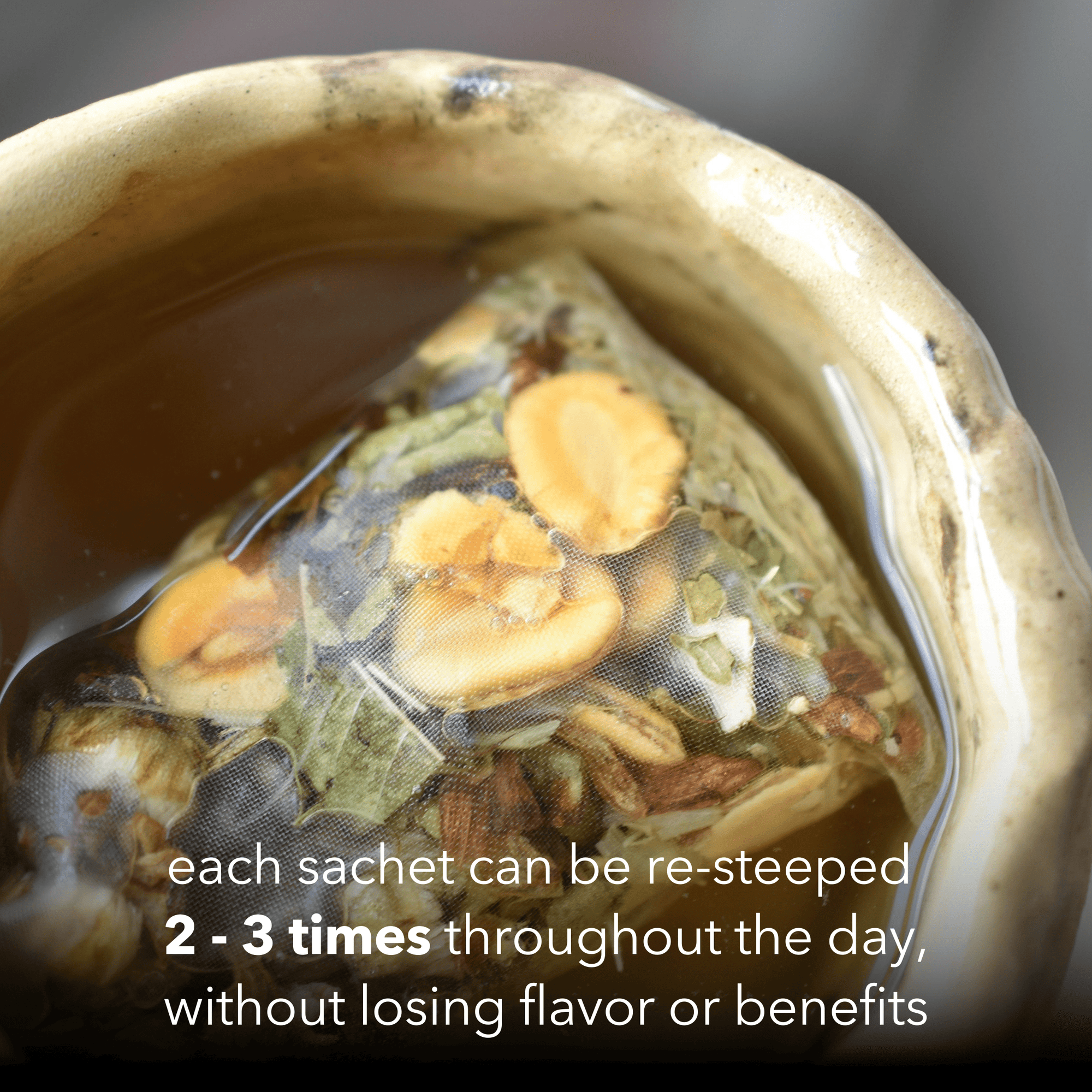
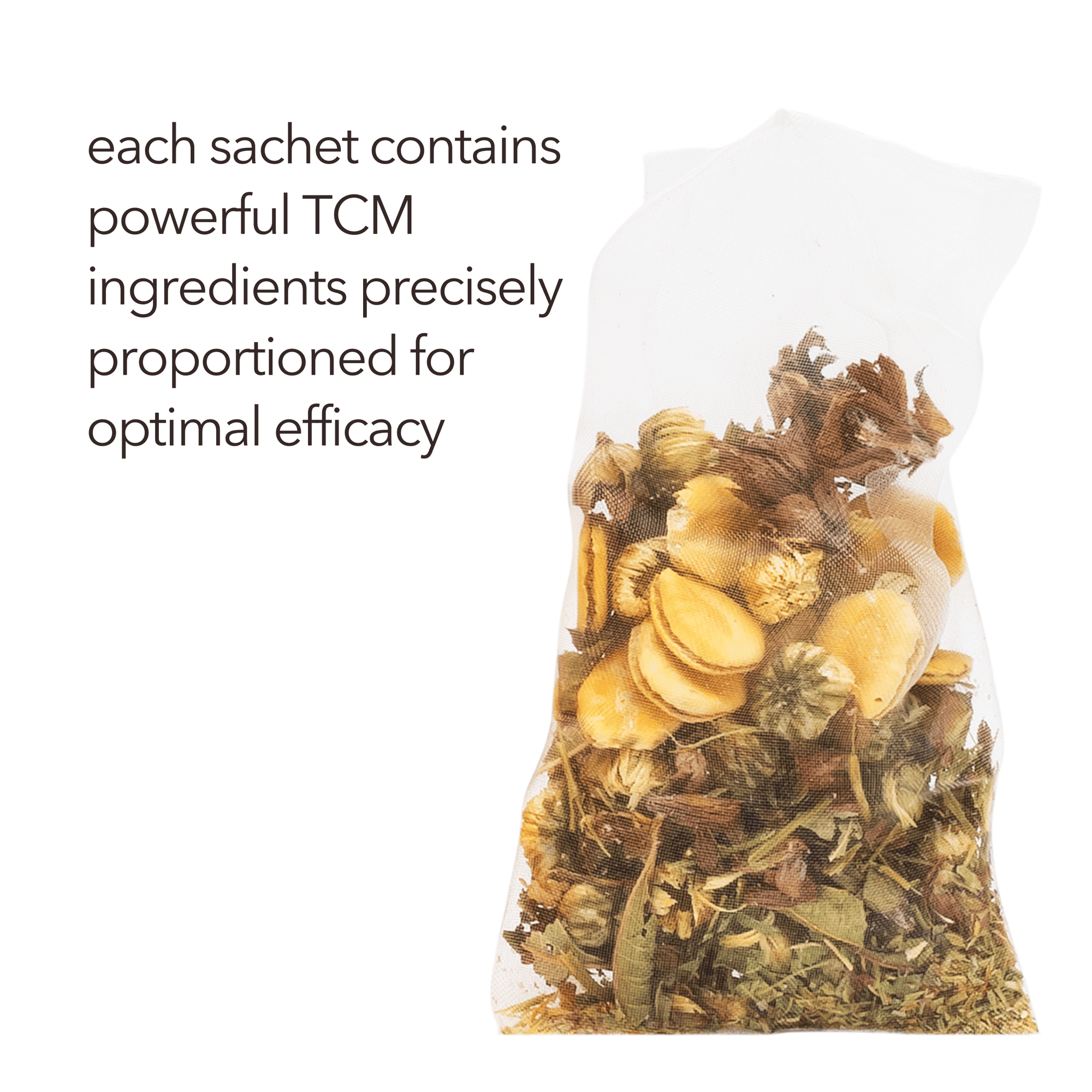
Whole chrysanthemum flowers, whole dried goji berries, whole jujube dates, and whole longans do not give up everything in a single four-minute steep. They release compounds gradually, with each subsequent infusion drawing out different qualities. The first steep tends to be lighter and more floral, driven by the volatile aromatic compounds in the chrysanthemum. The second steep, once the denser ingredients have had time to open fully, brings out more of the sweetness of the longan and jujube. A third steep is often the deepest and most rounded of the three.
This means a single sachet of whole-ingredient tea is designed to last across several hours of the day, not to be consumed all at once. And that structure — naturally spread across time — is precisely what makes it suited to a properly timed wind-down ritual.
A practical approach that works for many people:
First steep: mid-afternoon. Around 2 to 3pm, when screen fatigue sets in and focus starts to drift. Chrysanthemum tea has a long history in East Asian office culture specifically for this reason: its cooling, liver-calming properties make it an excellent mid-afternoon reset for people doing demanding cognitive work. You are not starting an evening ritual yet; you are beginning to ease the pressure of the day at the point when the day's accumulated heat is usually at its highest.
Second steep: early evening. Around 6 to 7pm. This is the cup that functions as the transition signal between the active part of the day and the slower part. The longan and jujube come forward more in this steep, with a warmer, rounder sweetness. You are roughly two to three hours from sleep, which means any fluid will have cleared by the time you lie down.
Third steep: optional, around 8pm. Only if you want a third cup and your sleep timing allows for it. Keep the cup small. By this steep the flavour is the deepest and most settled, and the compounds are the most fully drawn out.
This spread across the afternoon and early evening means you are never drinking close to bedtime, and yet you have had three cups of calming, nourishing tea in the hours that most determine how settled you feel when you finally lie down. It is a fundamentally more effective approach than a single cup at 10pm.
What Each Ingredient Does Across the Steep Sequence
Understanding what is actually happening in the cup across these steeps is worth taking a moment for, because it changes how you experience the ritual.
Chrysanthemum flowers (Ju Hua, 菊花) enter the Liver and Lung meridians in TCM, classified as cooling and slightly bitter in nature. Their primary TCM actions are dispersing wind-heat, clearing Liver fire, and calming the Liver Yang that rises when the body is overstimulated — which shows up as eye strain, headache, irritability, and that wired, tight feeling at the end of a demanding day. They are one of the most well-documented herbs in the classical Chinese pharmacopoeia for this specific pattern, first recorded in the Shen Nong Ben Cao Jing (Divine Husbandman's Classic of the Materia Medica), which dates to approximately 200 BCE. Research has identified flavonoids, chlorogenic acid, and luteolin among the compounds present in chrysanthemum flowers; the plant also shows anti-inflammatory activity in preclinical studies, consistent with its traditional cooling classification.
In the first steep, the chrysanthemum dominates: clean, floral, with a mild bitterness that makes the cup feel alert and refreshing rather than heavy. This is the right quality for mid-afternoon. It wakes you up gently without adding stimulation.
Organic goji berries (Gou Qi Zi, 枸杞子) are among the most researched botanicals in the Chinese materia medica. Scientifically, Lycium barbarum is the subject of extensive clinical and preclinical investigation. Goji berries contain Lycium barbarum polysaccharides (LBPs), which have shown immunomodulatory and neuroprotective effects in multiple studies. They are the highest known dietary source of zeaxanthin, a carotenoid that accumulates in the macula of the eye: a randomized pilot trial published in the journal Nutrients (Li et al., 2021) found that consuming 28g of goji berries five times weekly for 90 days significantly increased macular pigment optical density in healthy adults aged 45 to 65 — an important biomarker for protection against age-related macular degeneration. A placebo-controlled trial published in Optometry and Vision Science also found significantly increased plasma zeaxanthin levels and reduced oxidative stress markers in the supplemented group.
In TCM terms, goji enters the Liver and Kidney meridians and is classified as nourishing Liver and Kidney yin, replenishing jing (essence), and brightening the eyes. This aligns with the modern research on its zeaxanthin content and eye health effects. In the blend, goji releases its sweetness and depth more fully in the second steep. This is the cup for the early evening transition.
Jujube dates (Da Zao, 大枣) are related to but distinct from the sour jujube seed (Suan Zao Ren, 酸枣仁) that has received significant research attention for sleep. The seed is the part of the Ziziphus jujuba plant with the strongest sedative and anxiolytic research behind it: a 2017 review published in Phytomedicine identified over 150 compounds in the seeds, including jujubosides, flavonoids, and alkaloids, with documented sedative-hypnotic activity in preclinical models, likely through GABA receptor modulation. Clinical research has shown participants falling asleep an average of 15 minutes faster with Suan Zao Ren supplementation, with 23 additional minutes of total sleep time. It has been recorded as a calming-of-the-mind herb since at least the Han Dynasty (25–220 CE) in Zhang Zhongjing's Treatise on Cold Damage and Miscellaneous Disease.
The date itself, Da Zao, shares the same plant and some of the same compounds in a gentler, food-grade form. Its TCM role is to nourish blood and calm the spirit, supporting the heart meridian and reducing the kind of restless anxiety that arises from blood deficiency. It contributes the warm, subtly caramel sweetness in the later steeps and rounds out the cup considerably.
Longan fruit (Long Yan Rou, 龙眼肉) enters the Heart and Spleen meridians in TCM, where it tonifies blood, strengthens qi, and calms the shen — the spirit or emotional mind that is housed in the Heart. Blood-deficient shen is the TCM explanation for that pattern many people recognise: exhausted but unable to settle, emotionally flat but internally restless, prone to excessive dreaming or light, broken sleep. Longan's role is specifically to give the shen a stable home to rest in by nourishing the underlying blood deficiency. Longan is one of the key herbs in Gui Pi Tang, one of the most widely used classical TCM formulas for Heart and Spleen deficiency — alongside jujube, ginseng, and sour jujube seed.
Preclinical research has shown that longan contains adenosine (which caffeine blocks, and which the body naturally accumulates to produce sleep pressure) and has demonstrated sleep-enhancing effects in stressed animal models. As a food-herb with a long and well-documented safety record, it is among the most gentle and accessible of the traditional calming ingredients. It is also, practically speaking, what makes this blend taste genuinely pleasant: its floral, honey-like sweetness is what people notice most when they drink this tea and find themselves surprised by how much they enjoy it.
The Specific Profile This Ritual Suits Best
Knowing how and when to drink this tea is most useful if you also understand which pattern it is actually designed for. This blend — chrysanthemum, goji, jujube, longan — works best for a specific kind of restlessness that many people live with but cannot always name.
You are tired. You may have been tired for a long time. But when you lie down, sleep does not come easily, or it comes and then leaves partway through the night. You tend to run warm. You may notice heat in your face or chest in the evenings, or feel alert and mentally active long past the point when you want to stop. You spend a lot of time on screens. The stress you carry is not the acute kind — it is more like a background hum that never fully turns off, even when the day ends.
In TCM this pattern is understood as excess Liver heat combined with insufficient yin — the body's cooling, nourishing, restraining force — that has been depleted by chronic stress, overwork, and extended screen exposure. Chrysanthemum directly addresses the excess heat. Goji and longan restore the yin and nourish the blood. Jujube calms the mind and the heart meridian. Together they address the root of the pattern, not just the surface symptom.
This is a genuinely different approach from what most Western calming teas offer. Valerian, passionflower, and skullcap work by suppressing the nervous system directly — effective for acute anxiety or tension-driven sleeplessness, but not well matched to the heat-and-depletion pattern described above. If you have tried chamomile and found it pleasantly mild but not particularly effective for your particular kind of restlessness, the reason is probably that chamomile, however gentle and well-researched, is addressing a different underlying state.
For a broader comparison of how Chinese herbal teas differ from Western calming blends in their approach to rest, see our earlier post on why chrysanthemum and goji is the Chinese herbal tea people are drinking before bed.
What This Is Not
Being honest about limitations matters here, because overstating what herbal tea can do is one of the things that leads people to lose trust in it entirely.
This tea is not a sleep aid in the pharmaceutical sense. It does not contain compounds that will induce sleep against the body's will. It will not resolve clinical insomnia, sleep apnea, or sleep disruption driven by pain, medication, or underlying medical conditions. If you are dealing with persistent, significant sleep problems, those warrant proper medical attention.
What this tea does is create conditions that favour rest in a body that is running too warm, too depleted, or too activated to settle on its own. When the timing is right, when the ritual is consistent, and when the underlying pattern matches what the herbs are designed to address, people find that it helps. Not overnight, not dramatically, but in the quiet, cumulative way that traditional herbal medicine has always worked — through gradual rebalancing rather than forced correction.
For the question of whether your difficulty is primarily with falling asleep versus staying asleep — which points to different underlying patterns in TCM and different herb choices — that is worth understanding separately. If staying asleep is the primary issue, the sour jujube seed-based formulas are more specifically targeted at that pattern. If falling asleep is the challenge, and particularly if heat, agitation, and difficulty winding down are present, the chrysanthemum-goji combination is well suited to that.
You can also read more about why herbal tisanes work differently from synthetic supplements and what makes whole-ingredient preparations distinctive in how they release their properties across multiple steeps.
Building the Ritual in Practice
To bring this together practically, for someone using qìsane's Chrysanthemum & Goji tisane:
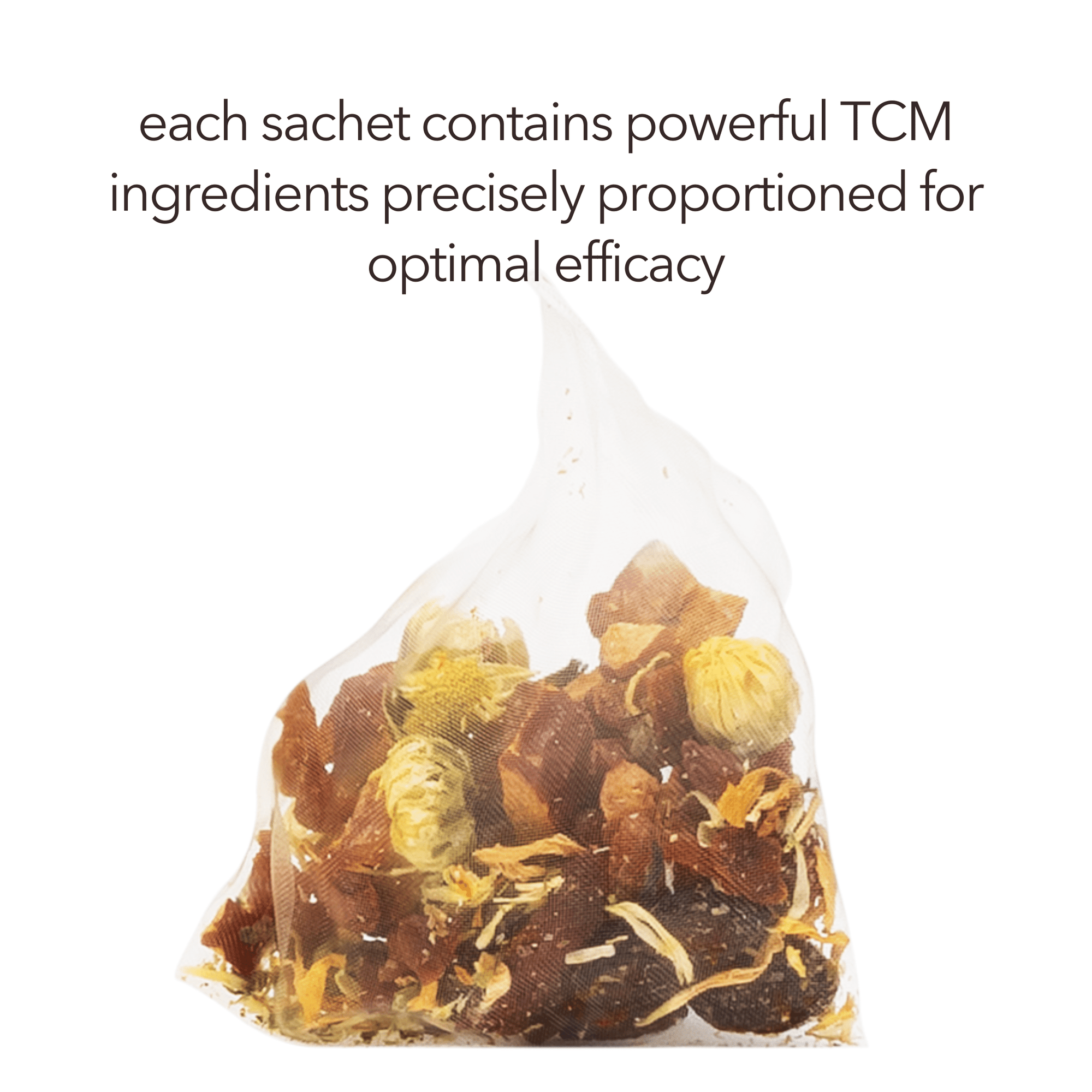
Use water at 96 to 98 degrees Celsius. Steep the sachet for six to seven minutes on the first infusion. The sachet is oversized and filled with whole ingredients, so it needs more time and more water than a standard teabag.
Drink the first cup in the early to mid afternoon. Let the sachet rest. When you are ready for the second cup, around early evening, re-steep the same sachet for seven to eight minutes. The compounds from the denser ingredients — the jujube and longan particularly — are still releasing and will produce a fuller, warmer cup than the first.
A third steep, if you want one, can be done around 8pm or so, kept small, and consumed at least 90 minutes before you plan to sleep.
Do not drink the final cup immediately before bed. This is the most important single change most people can make to their herbal tea ritual, and it costs nothing.
The ritual you are building is not about the cup itself. It is about the accumulation of small signals across the afternoon and evening that tell the body where the day is going. The tea is one of those signals. The others — screen dimming, slower movement, a consistent wind-down sequence — work with it, not in isolation from it. What the tradition understood, and what sleep research is now formalising, is that rest is a direction the body moves toward over hours, not a switch it flips at a single moment.
Try Chrysanthemum & Goji
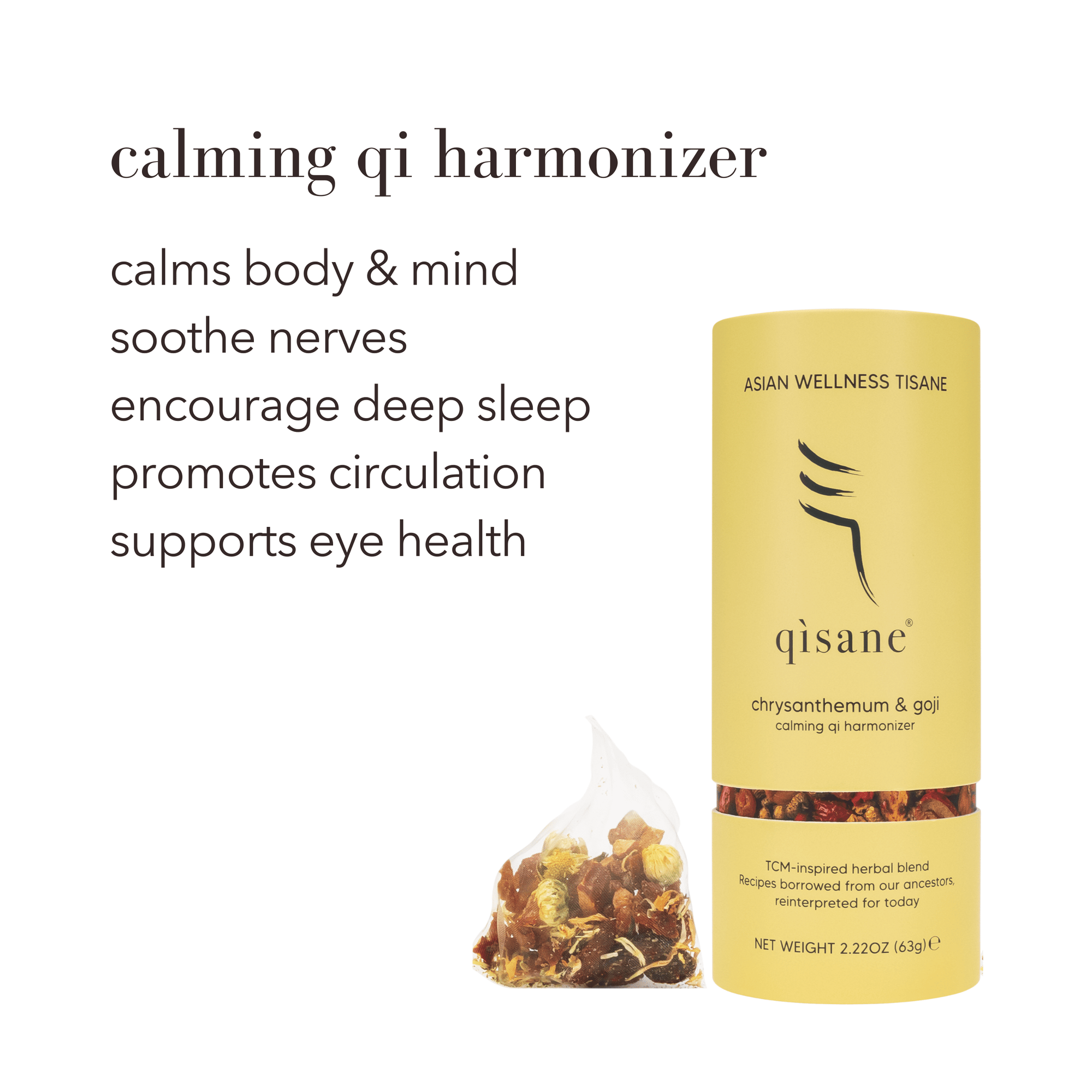
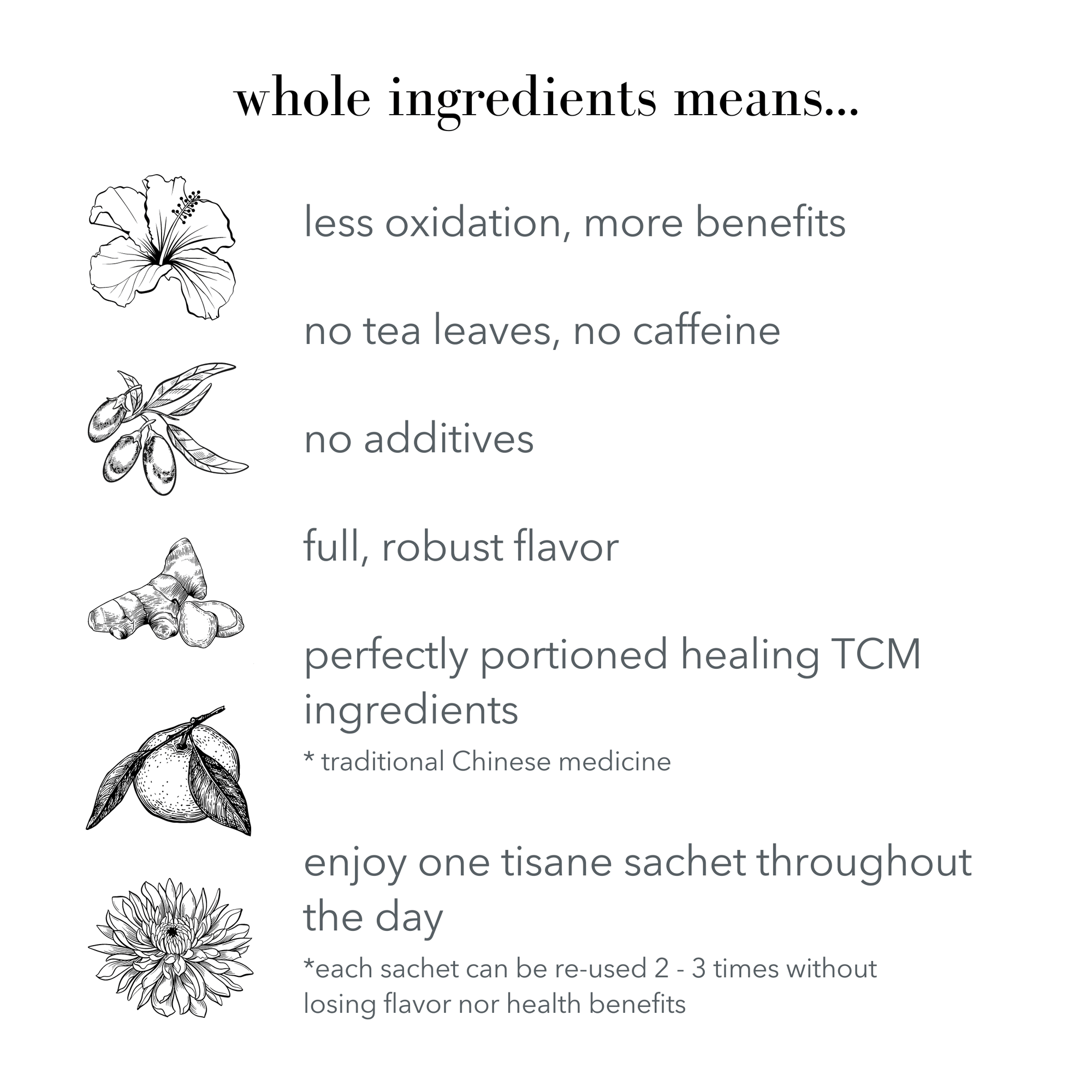
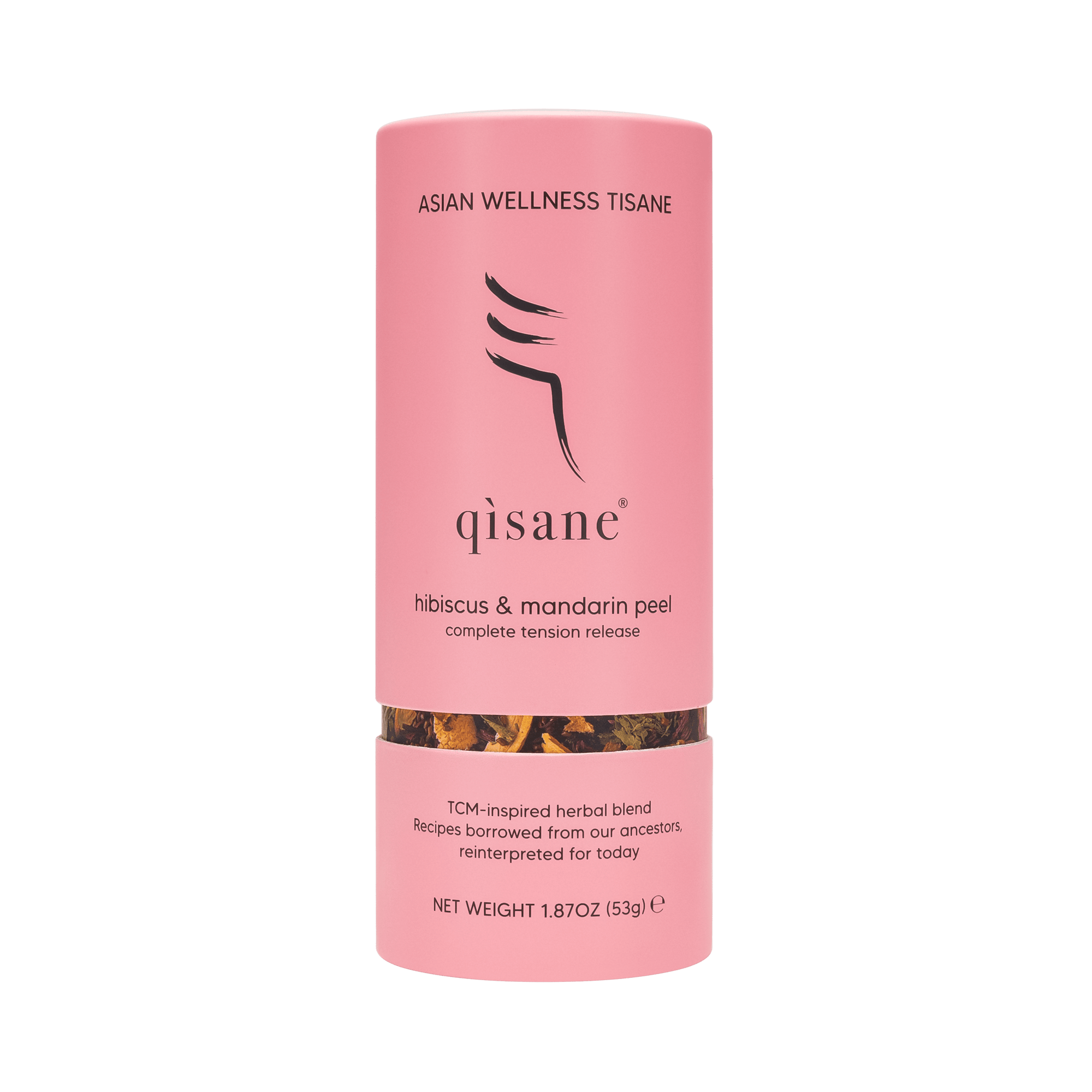
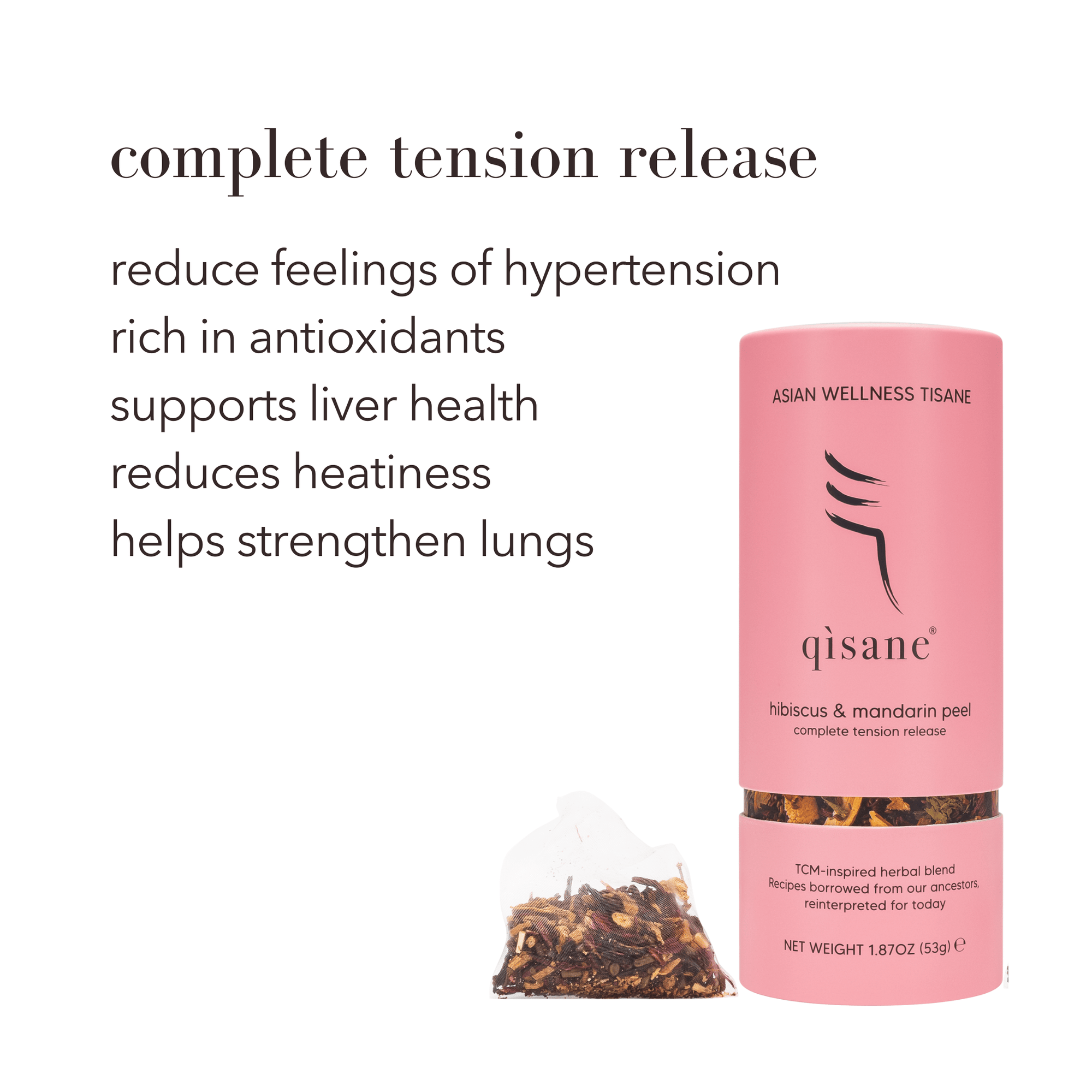
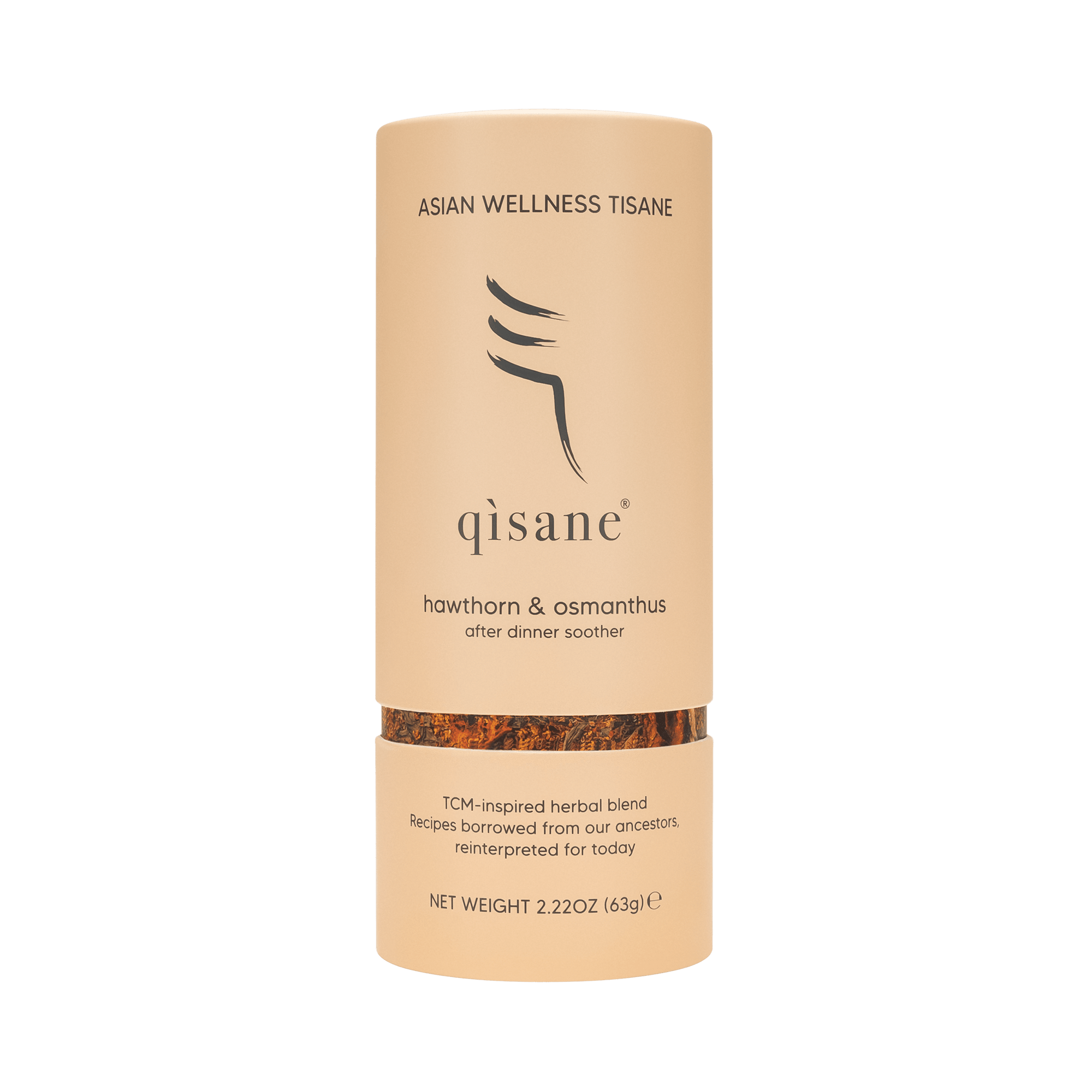
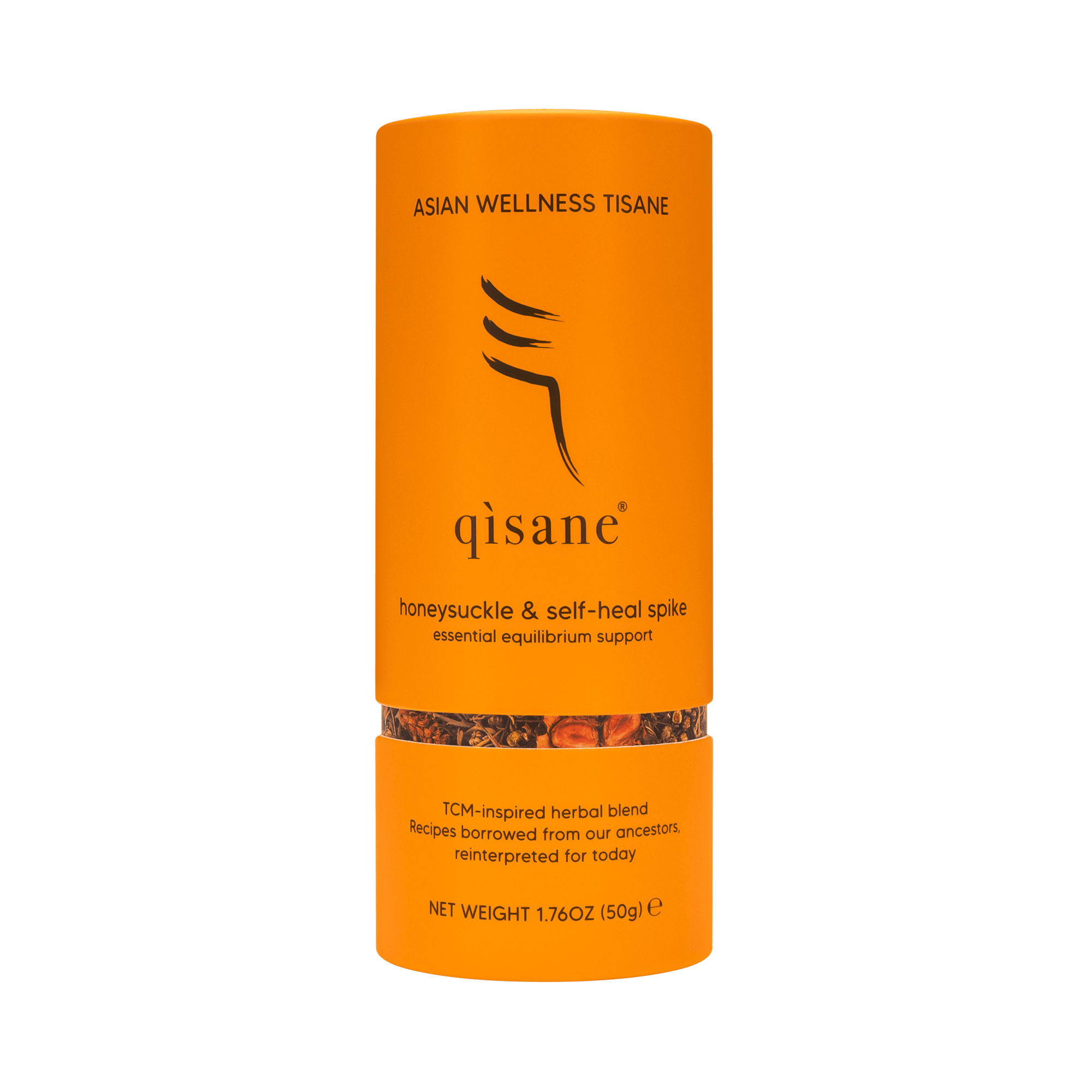
qìsane's Chrysanthemum & Goji tisane is made with whole chrysanthemum flowers, organic goji berries, jujube dates, and longan fruit — no powders, no additives, no fillers. It is designed for multiple steeps and for the kind of extended, gradual wind-down that actually moves the body toward rest. Free shipping across the USA.
Explore Chrysanthemum & Goji →
Or explore the full collection of qìsane tisanes to find the blend that fits your particular pattern. If you are working through persistent tiredness and energy depletion rather than sleep specifically, the post on qi deficiency symptoms and how to restore them may also be useful. For a cold-brew approach to any of these blends, particularly in warmer months, see our guide to cold brewing whole-ingredient tisanes.