

Cold brewing herbal tea is one of the simplest ways to create a smooth, naturally refreshing drink while preserving the full character of whole botanicals. By steeping herbs slowly in cold water over several hours, the extraction process becomes more selective, producing a cleaner, softer flavour with less bitterness than hot brewing.
This method is particularly well suited to whole-ingredient tisanes, where intact flowers, fruits, and roots release their properties gradually. The result is a layered, naturally balanced infusion that feels lighter, more hydrating, and easy to return to throughout the day.
Cold-brewed tisanes also offer a caffeine-free alternative to iced coffee and sweetened drinks, with a level of complexity and ingredient integrity that is difficult to replicate with conventional beverages.
Why does cold brewing produce a different flavour?
Cold brewing changes how flavour and functional compounds are extracted. Hot water pulls out a wide range of compounds quickly, including tannins that can create bitterness. Cold water works more gradually and selectively, drawing out lighter aromatic compounds, natural sugars, and fruit acids first.
The result is a tisane that tastes noticeably smoother and naturally sweeter than its hot-brewed counterpart, even without added sweetener. Floral notes come forward more clearly. Fruit-forward blends develop a brightness that hot water can sometimes flatten. The overall character is gentler, more layered, and particularly refreshing when served chilled.
This is not a diminished version of a hot brew. It is a different expression of the same ingredients, one that reveals qualities the botanicals possess but that hot water does not always showcase.

Why do whole ingredients matter for cold brewing?
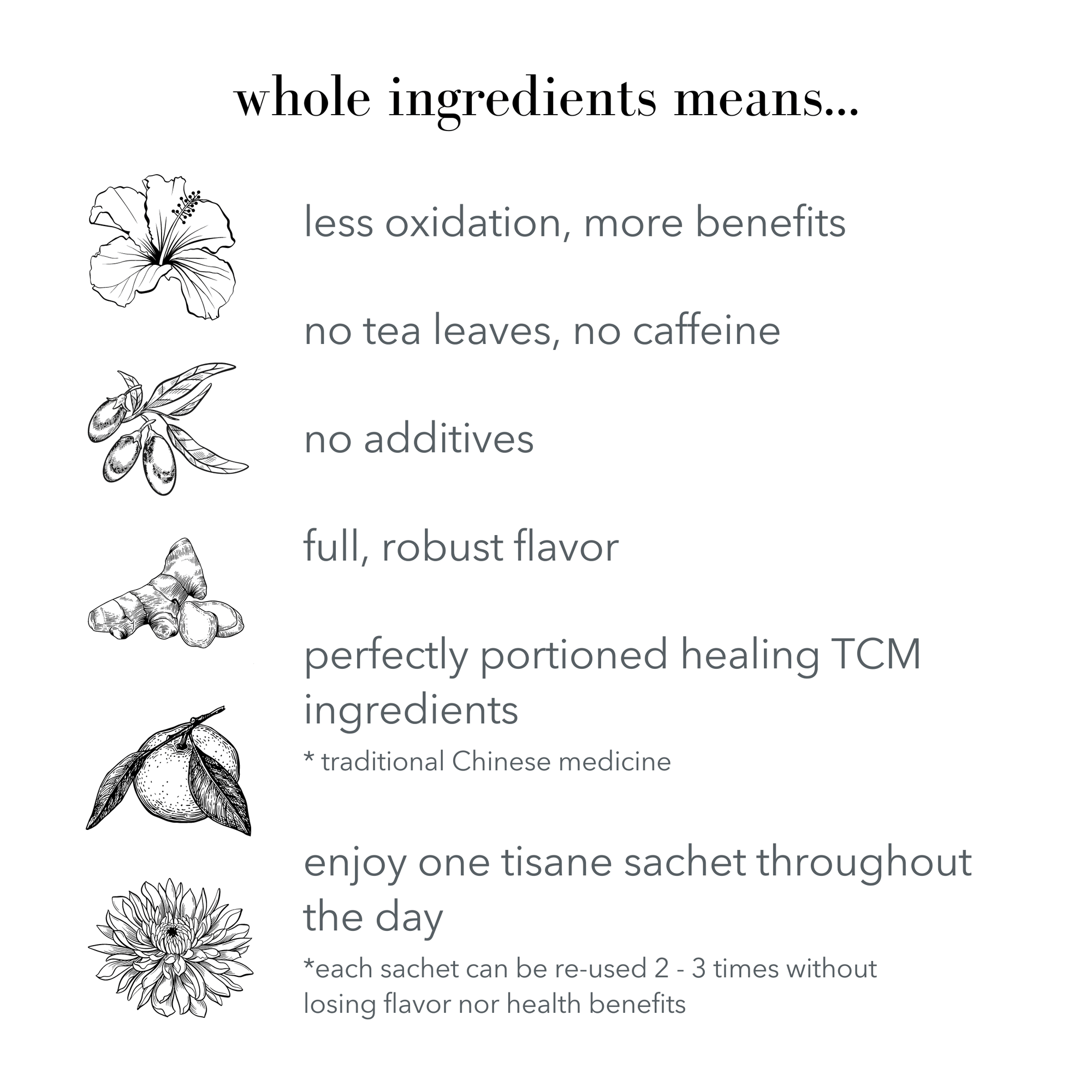
Whole-ingredient tisanes behave differently in cold water, and this difference is what gives them their advantage as a modern, ready-to-drink alternative. The format of the ingredients affects cold brewing more significantly than it affects hot brewing. Crushed or powdered herbs release their compounds rapidly in any temperature water. In a cold brew, that means the flavour peaks early and then goes flat, often becoming cloudy or overly tannic if left to steep too long.
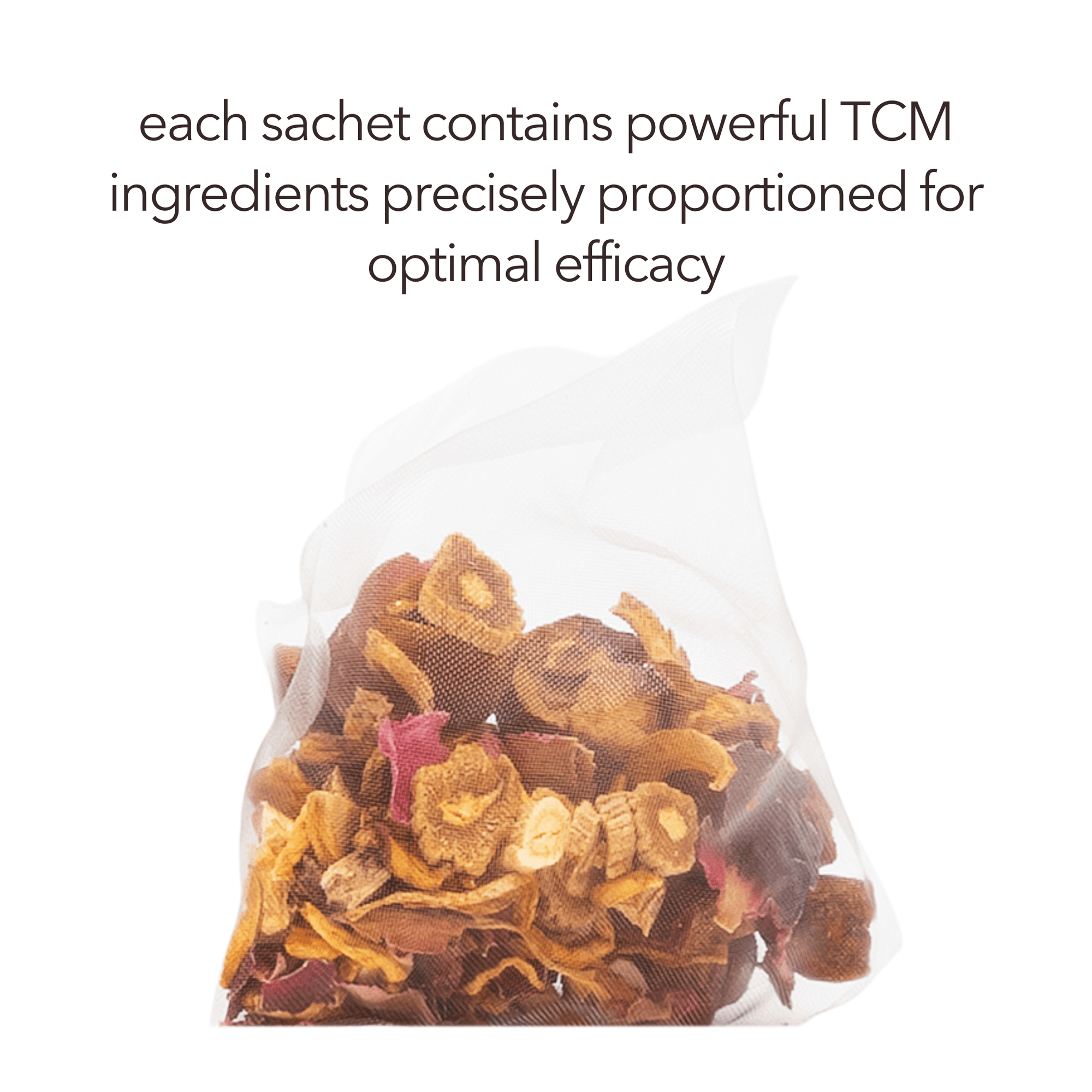
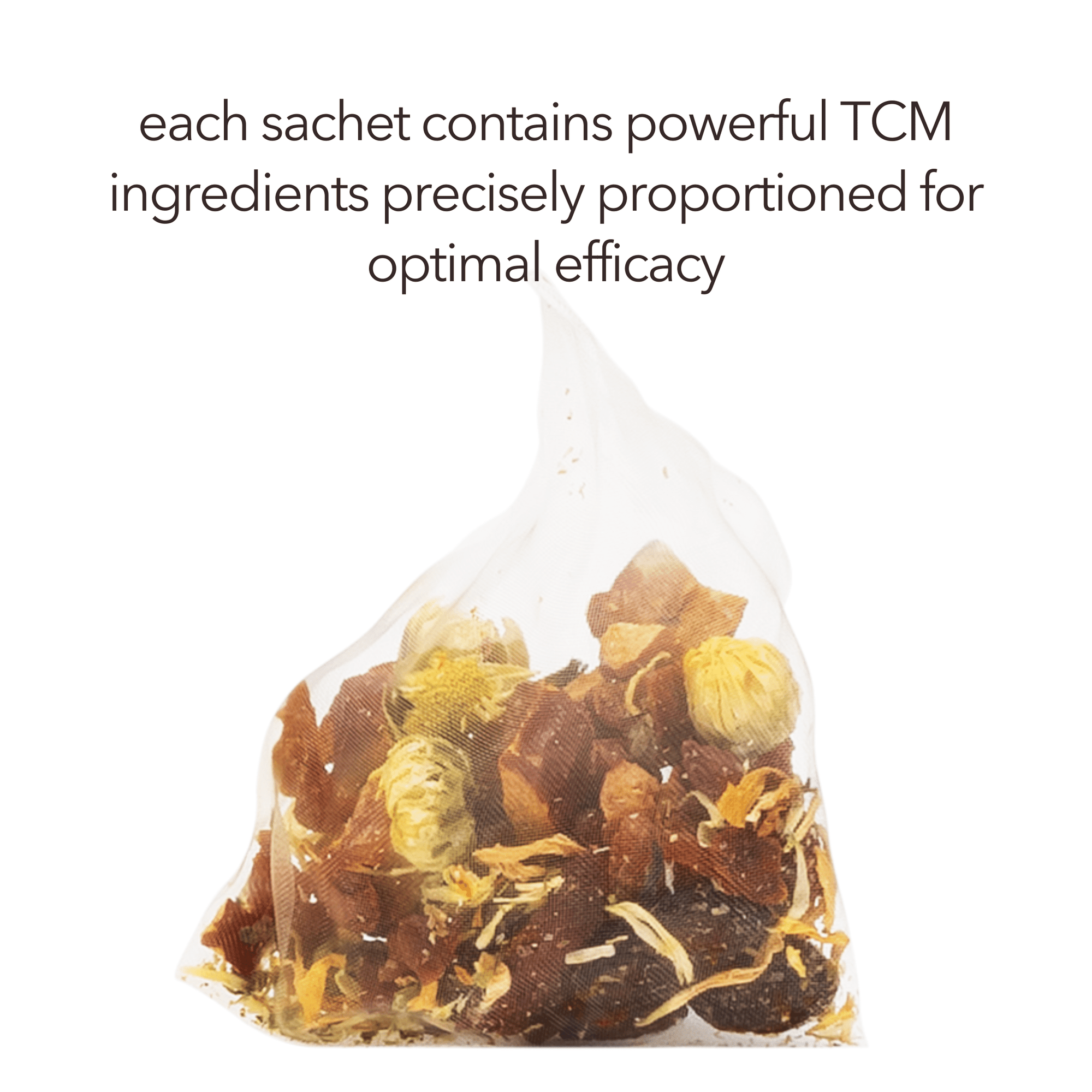
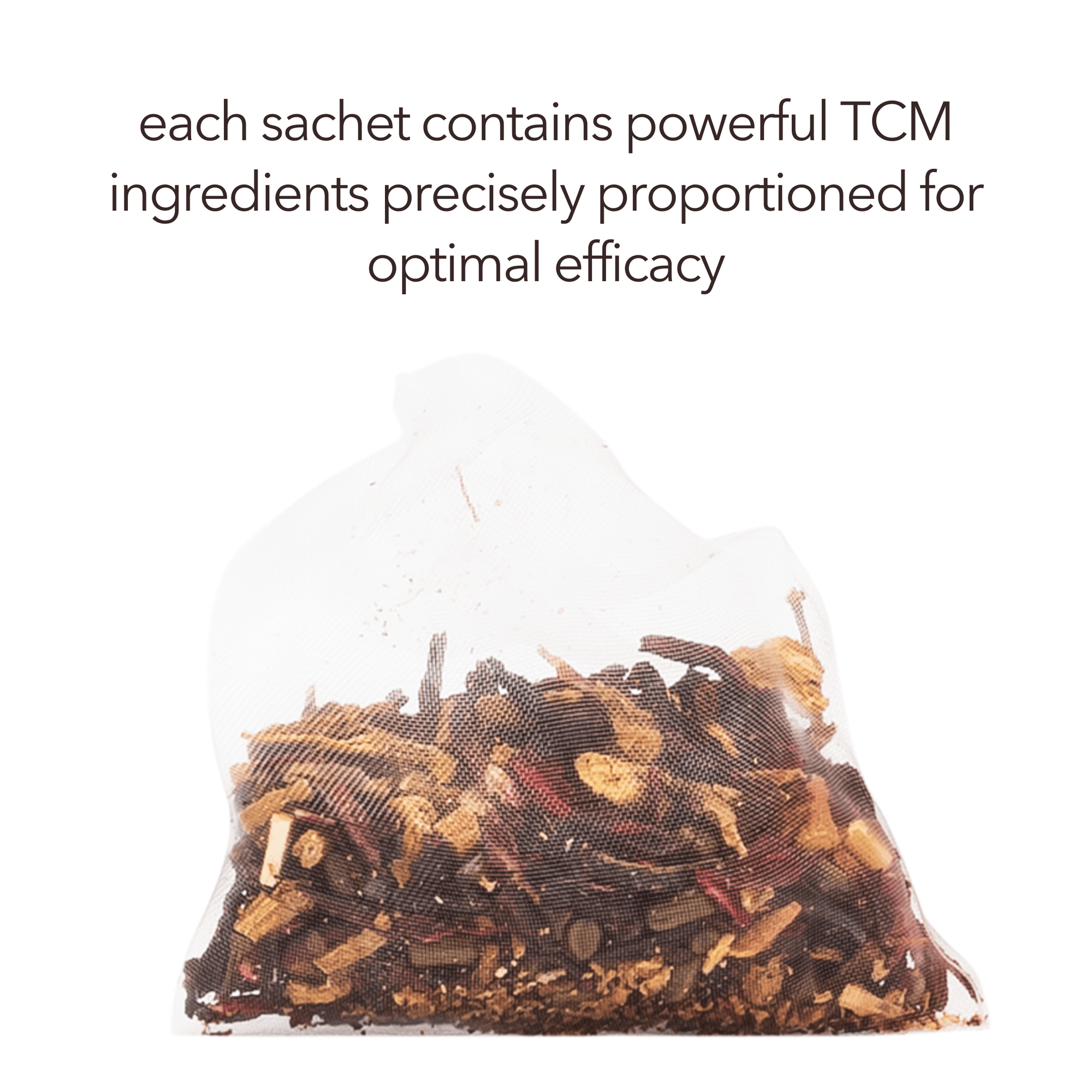
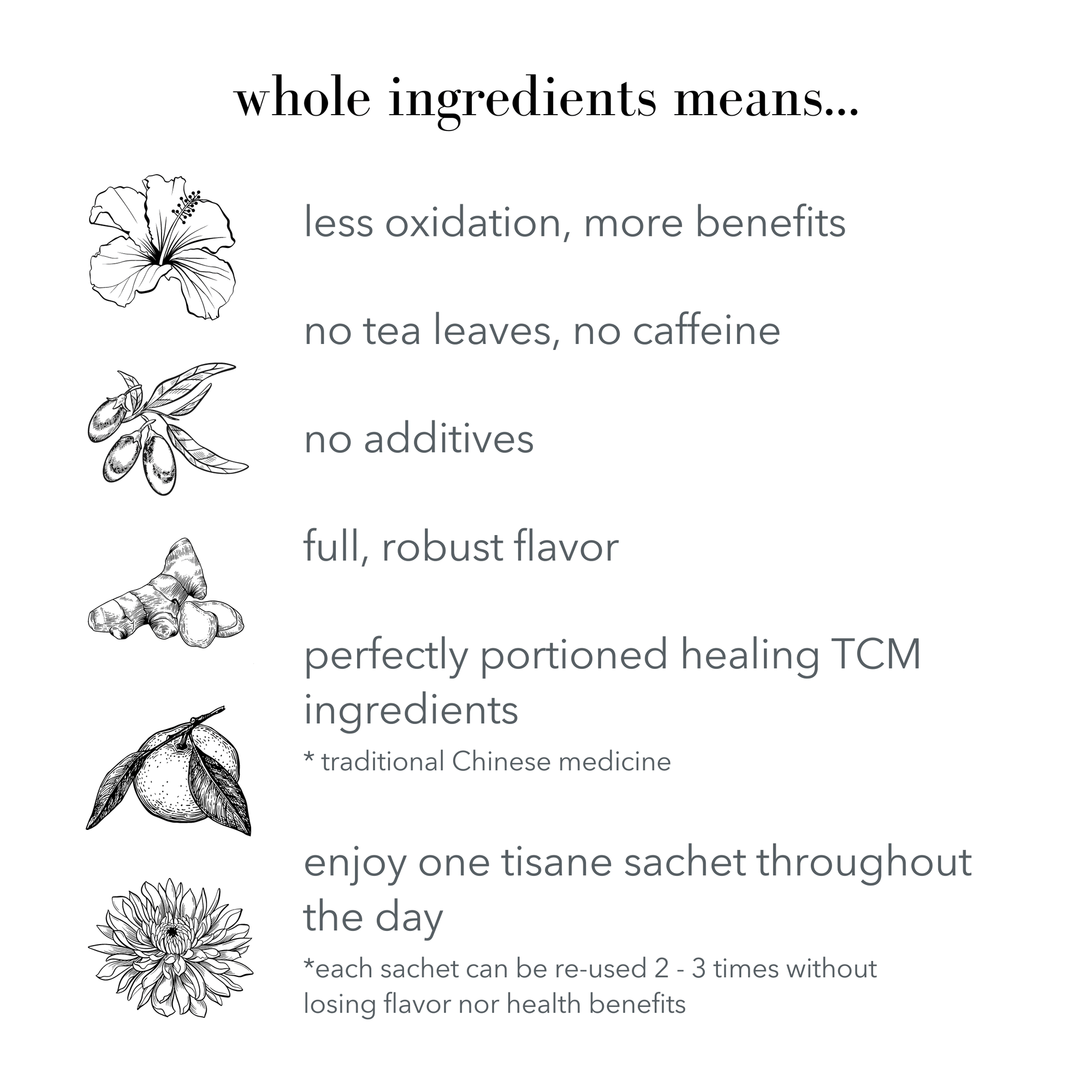
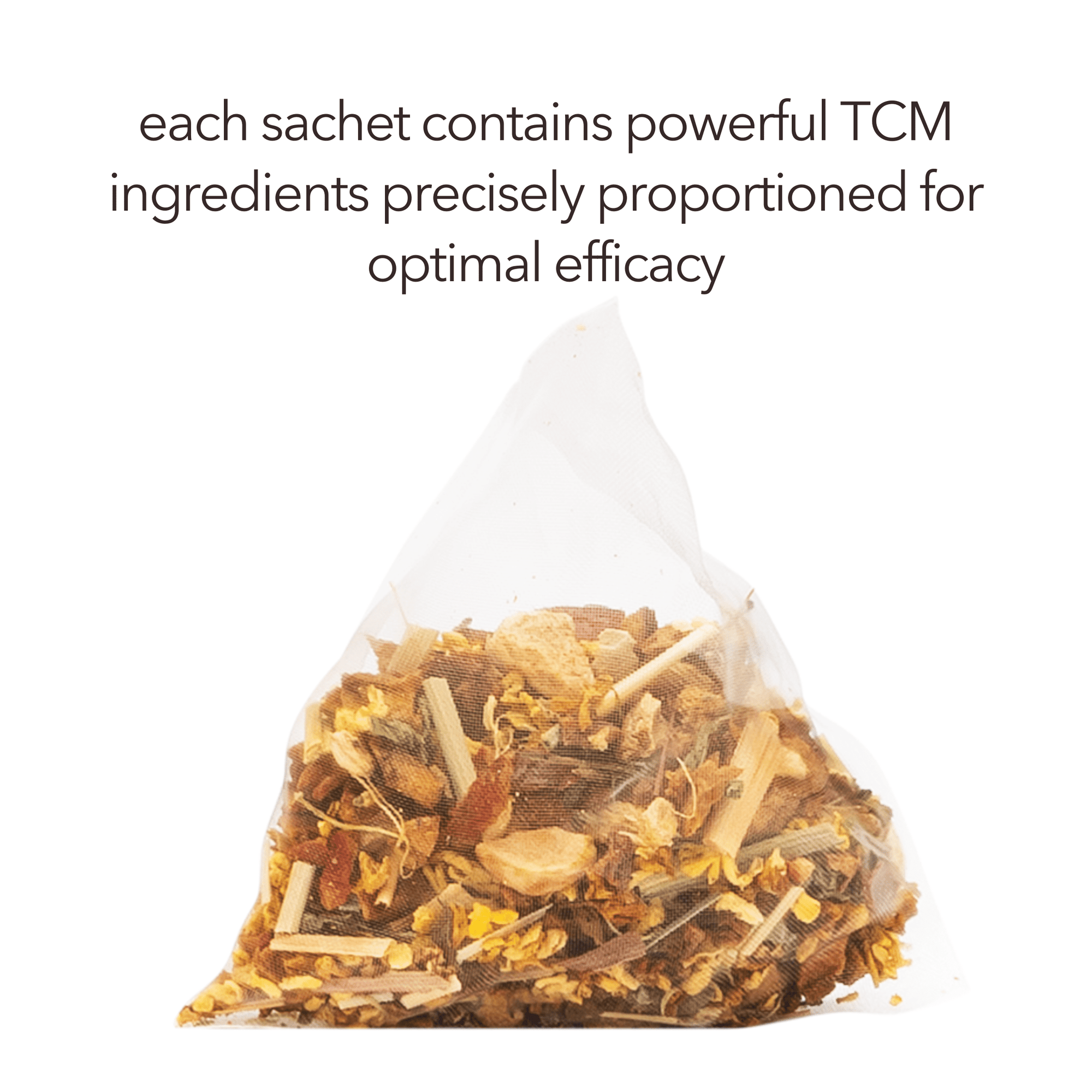
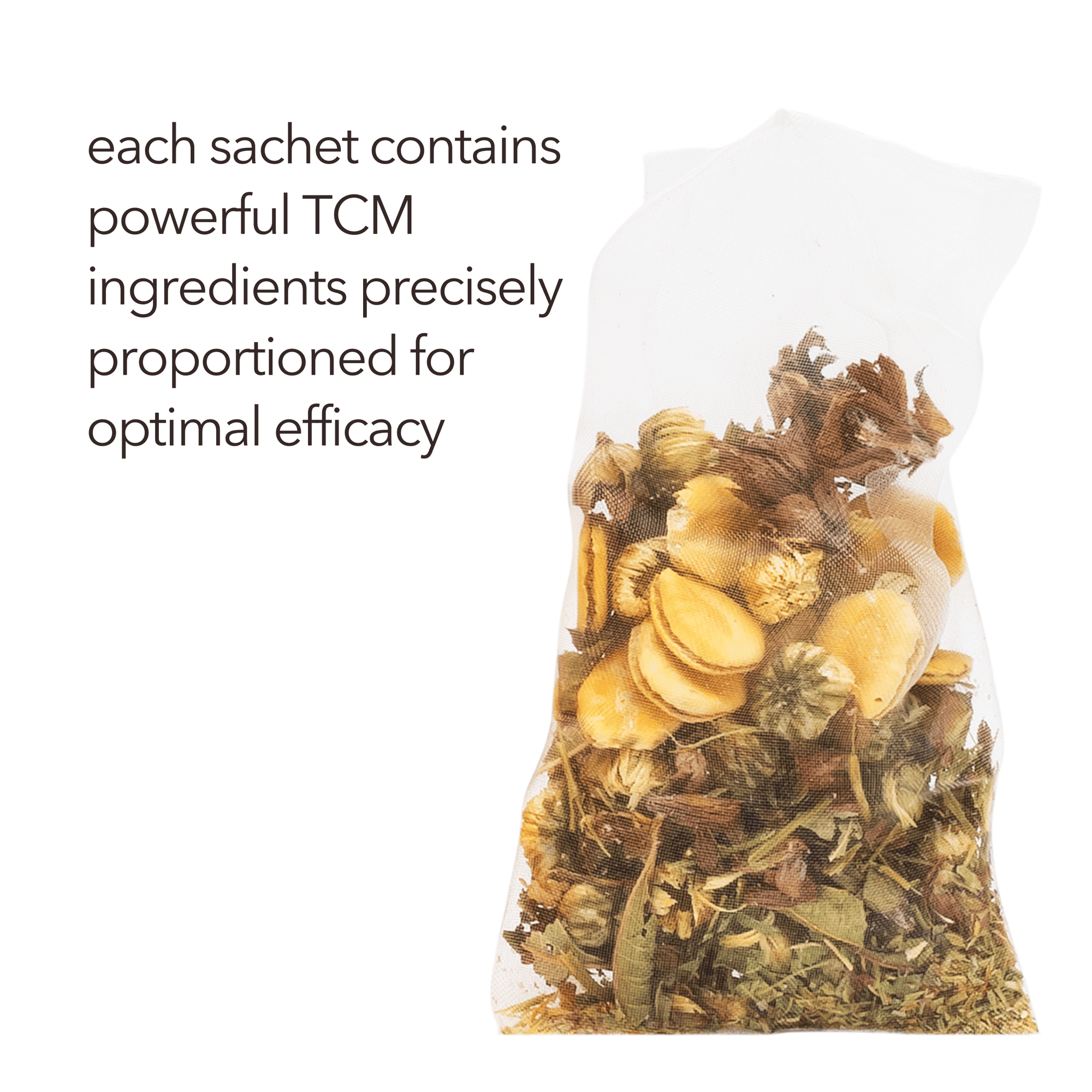
Whole botanicals behave differently. Intact flowers, sun-dried roots, whole berries, and uncut leaves release their properties gradually over the course of hours. This slow, steady extraction is what gives cold-brewed whole-ingredient tisanes their characteristic smoothness and depth. The flavour continues to develop as the botanicals unfurl in cold water, and the brew remains balanced even after extended steeping.
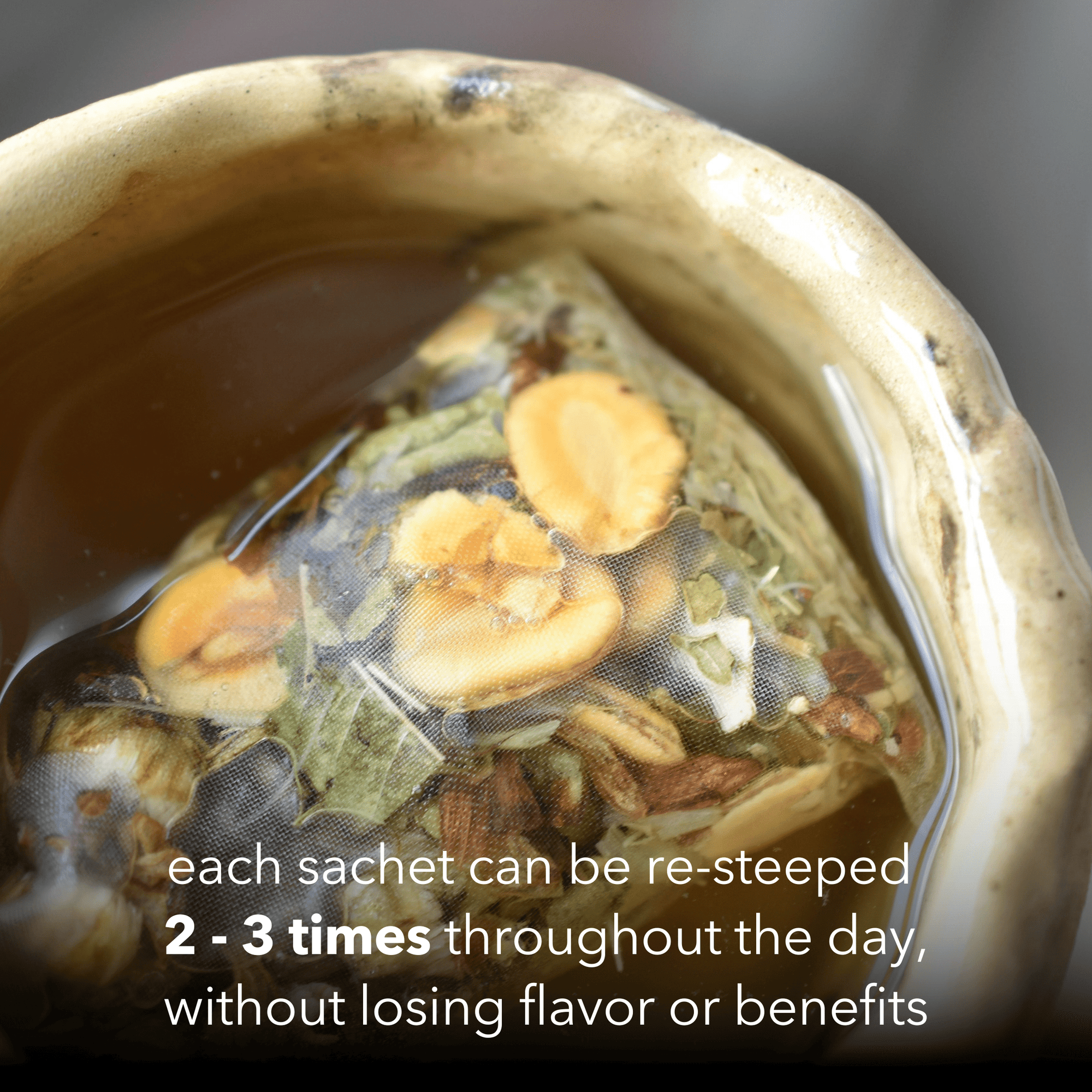
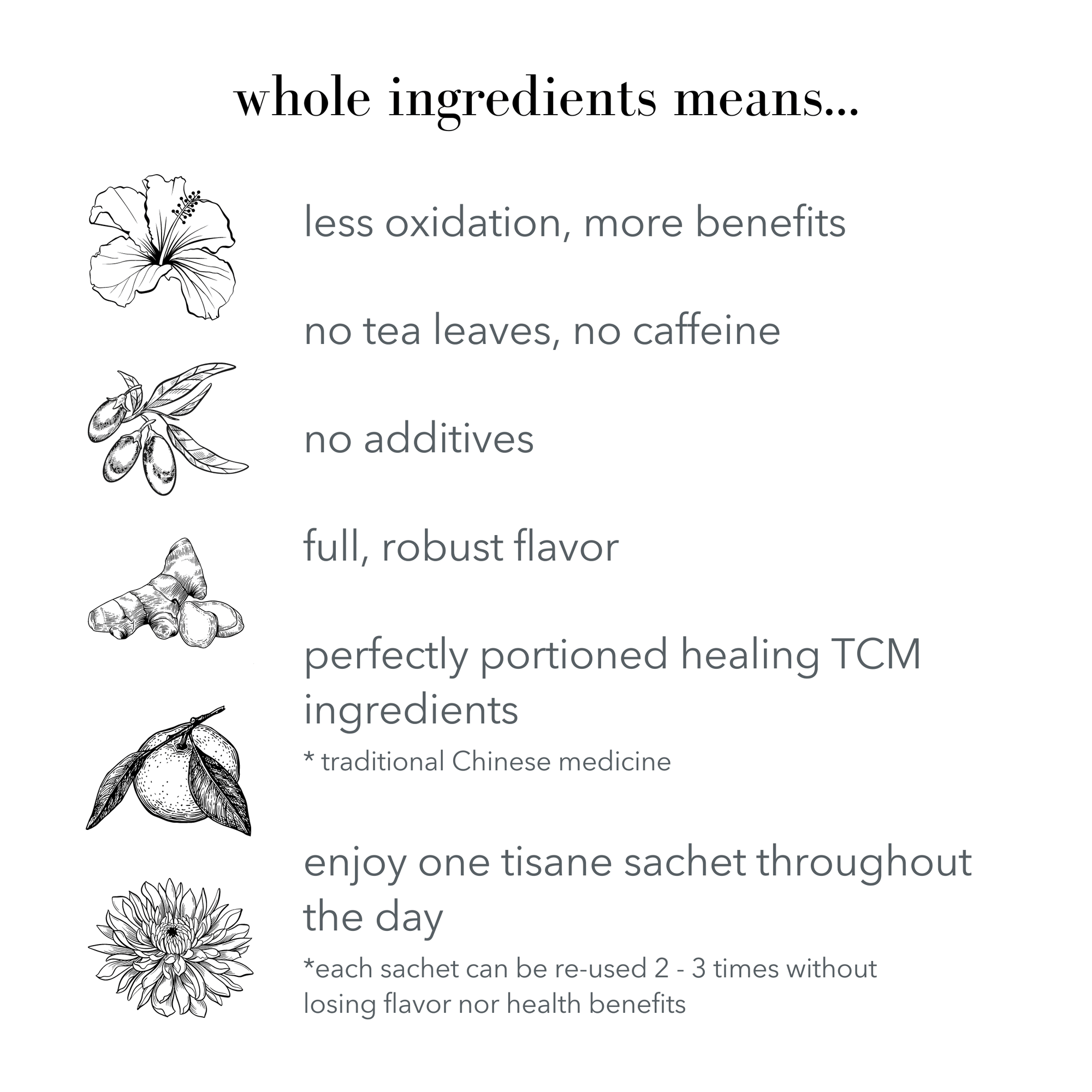
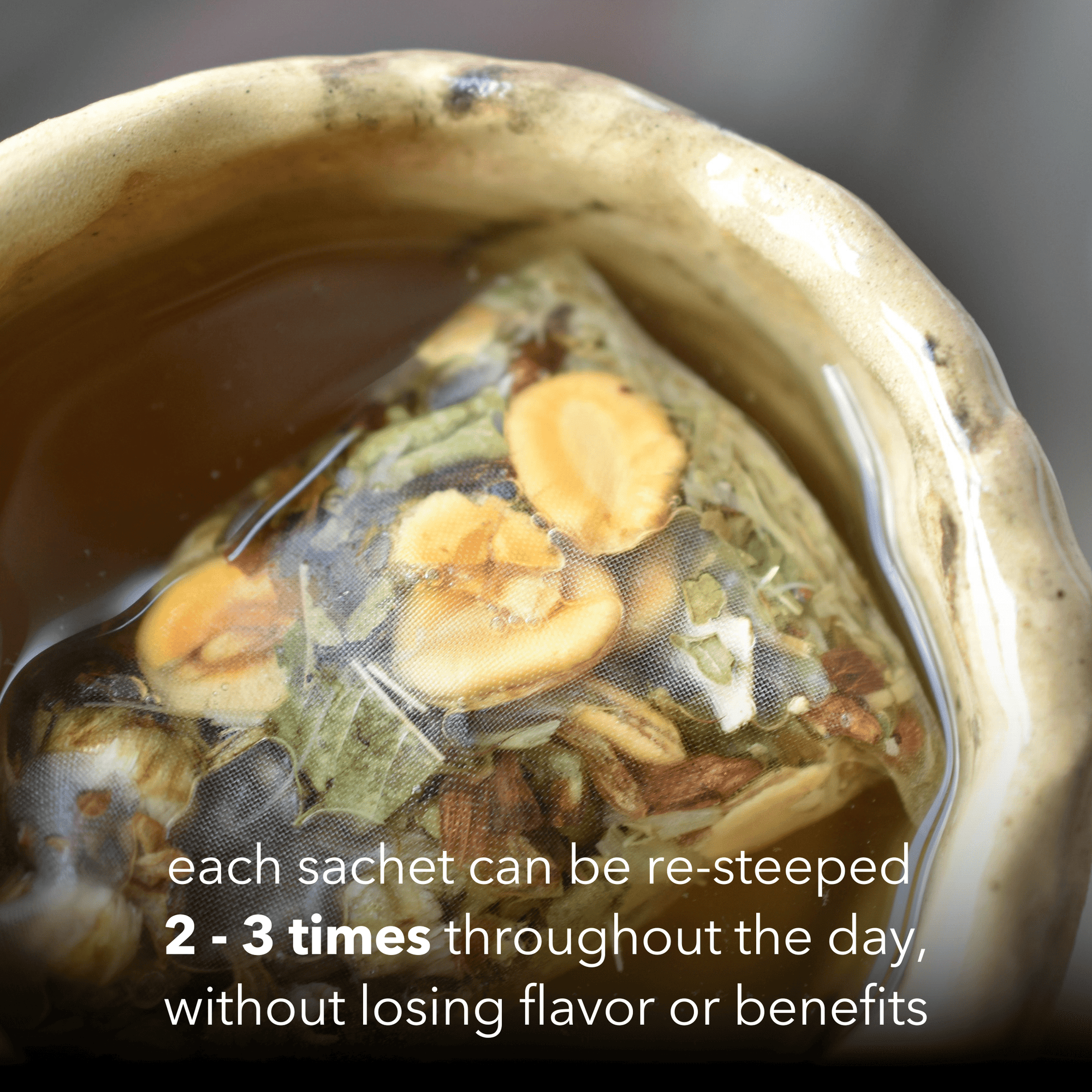
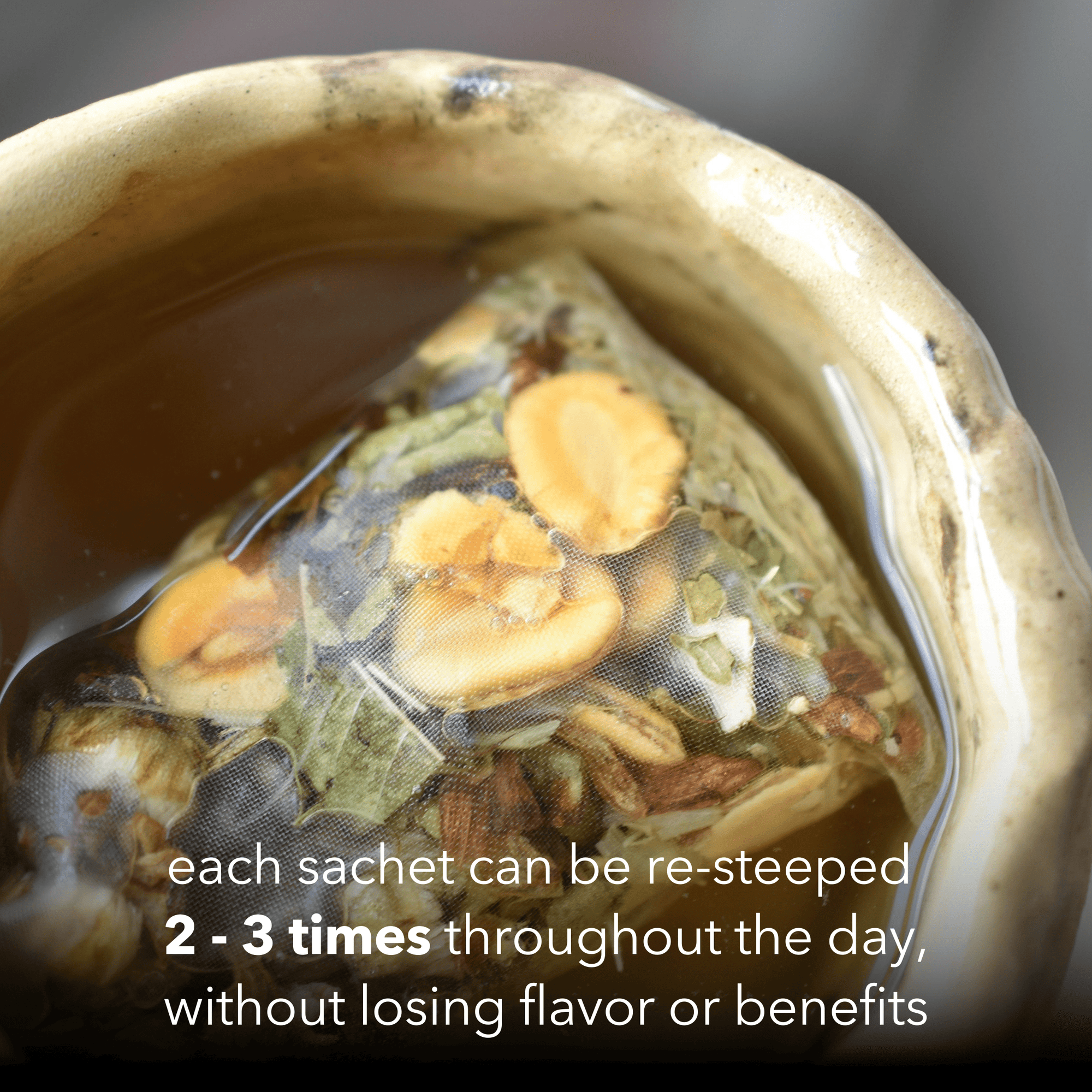
This is also why whole-ingredient tisanes can be cold-brewed and then re-steeped a second time. The botanicals still have compounds to give after the first infusion, something that simply is not possible with crushed herbs in a conventional tea bag.
How do you cold brew herbal tea step by step?
Cold brewing requires no specialised equipment. A glass jar or bottle with a lid is sufficient, making it an easy addition to a daily routine.
Place one sachet in 350 to 500 ml of room-temperature water. Leave it to steep overnight on the counter, ideally for eight to twelve hours. The tisane can then be enjoyed at room temperature or transferred to the fridge to chill before drinking. Remove the sachet once steeped; it will keep refrigerated for up to 24 hours.
The simplest approach is to place the sachet in a jar or water bottle before bed and find a perfectly brewed tisane waiting in the morning. The sachet can then be re-steeped for a second cold brew, producing a lighter, more delicate infusion that many people prefer for afternoon sipping. Alternatively, the same sachet can be hot-brewed after cold brewing, drawing out the warmer, earthier notes that room-temperature water does not fully extract, a practice that turns a single sachet into three distinctly different cups.
Which herbal tisanes work best as cold brews?
Not every herbal blend expresses equally well in cold water. Some botanicals become brighter and more refreshing when slowly extracted, while others are better suited to heat.
Three blends stand out for cold brewing, consistently producing a balanced, refreshing infusion while maintaining their depth and character.
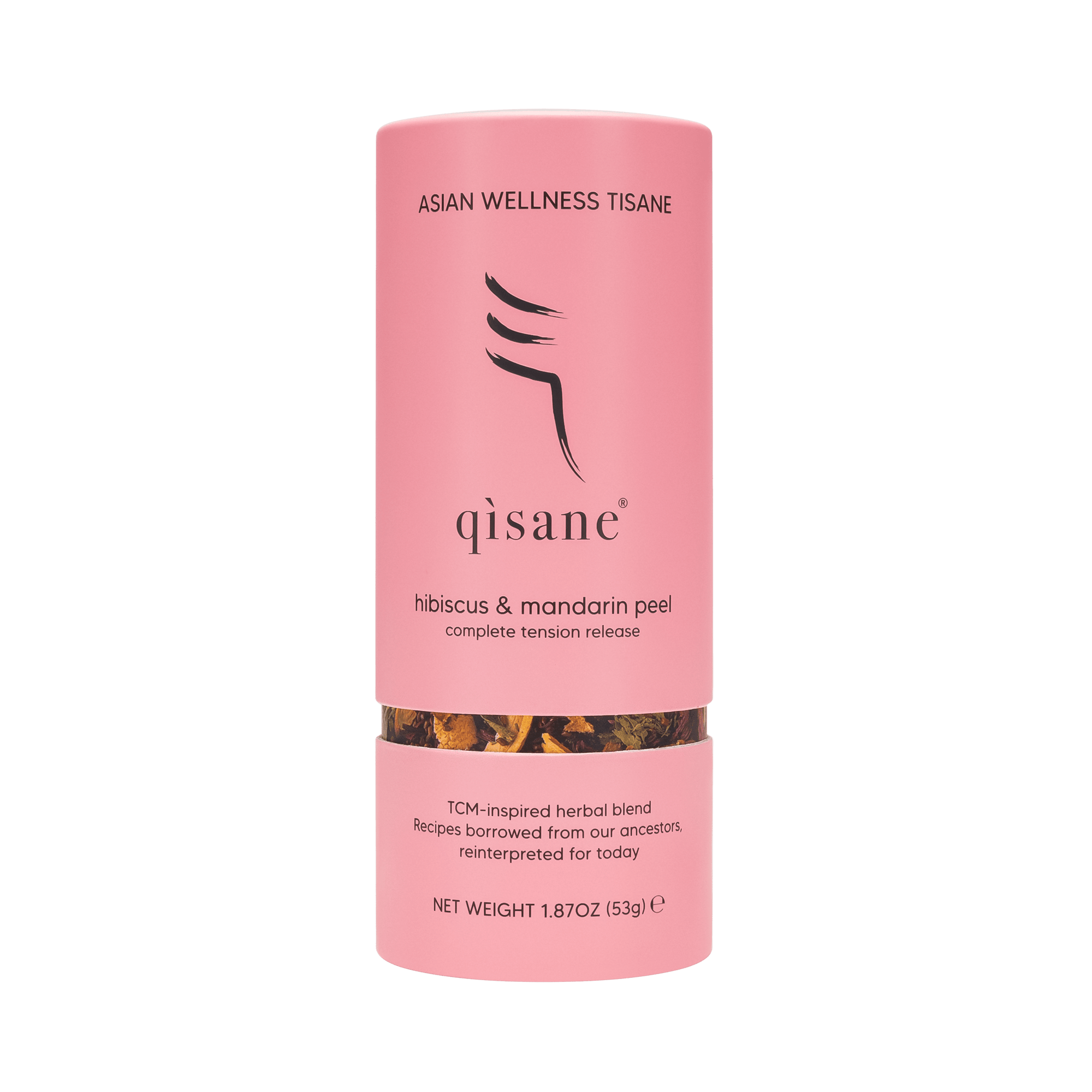
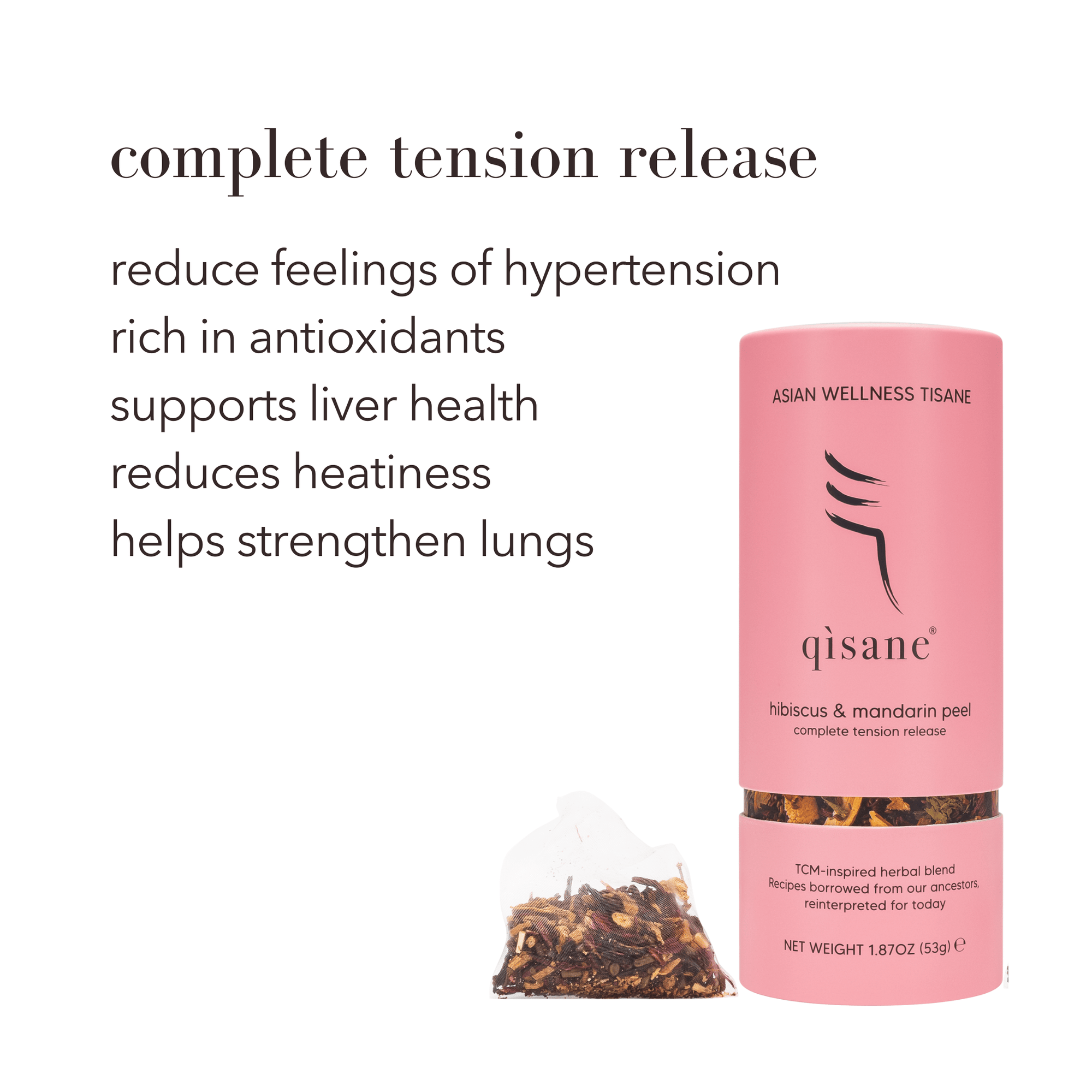
Hibiscus & Mandarin Peel: bright, vivid, naturally refreshing
Hibiscus is particularly well suited to cold brewing, releasing a deep ruby colour and a clean, tart profile that becomes more rounded over time. The mandarin peel adds a subtle citrus complexity, softening the sharpness without muting it.
The result is a layered, fruit-forward infusion that feels closer to a refined agua fresca than a traditional tea. The hibiscus & mandarin peel tisane is naturally caffeine-free and well suited to warmer days or as a replacement for sweetened beverages.
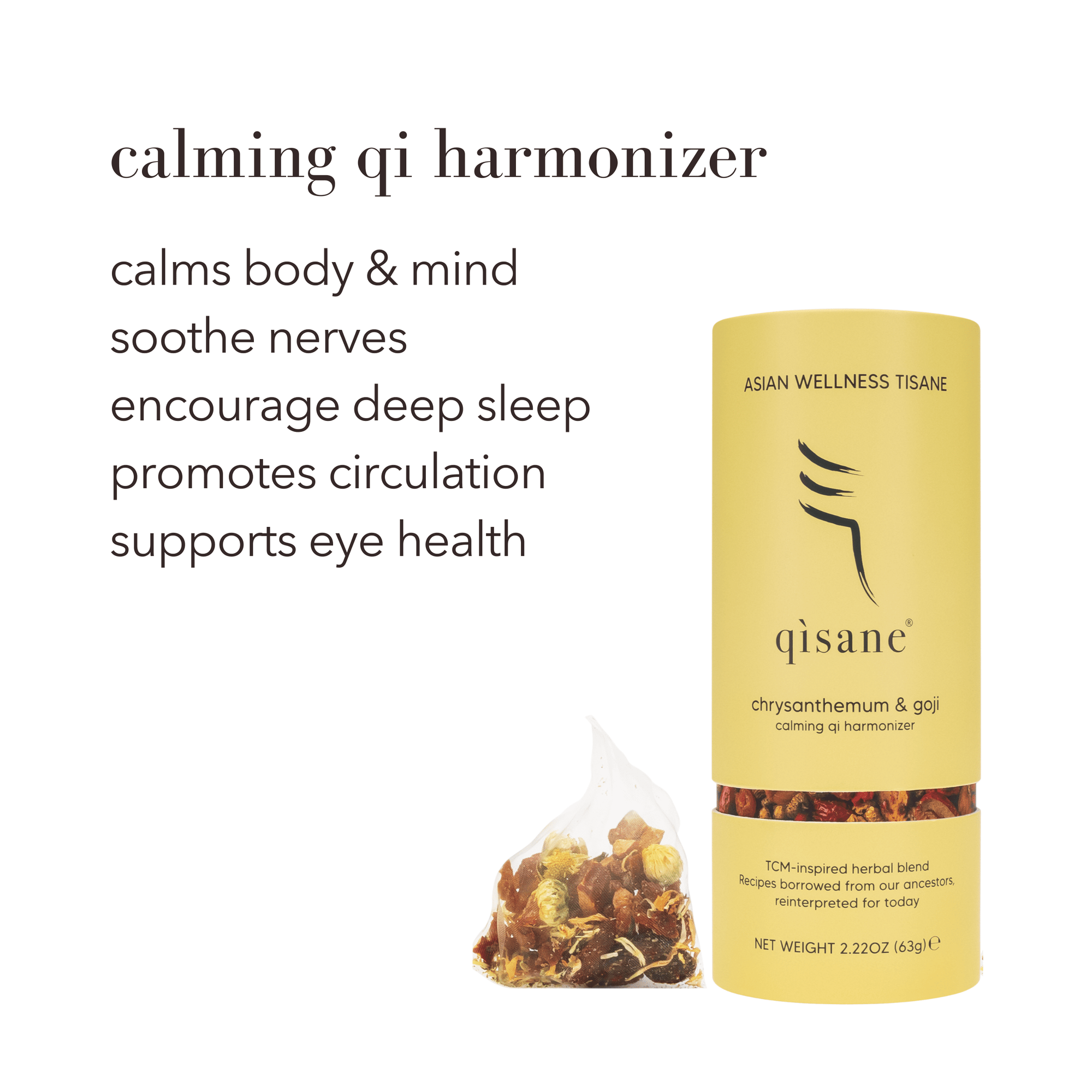
Chrysanthemum & Goji: soft, golden, gently sweet
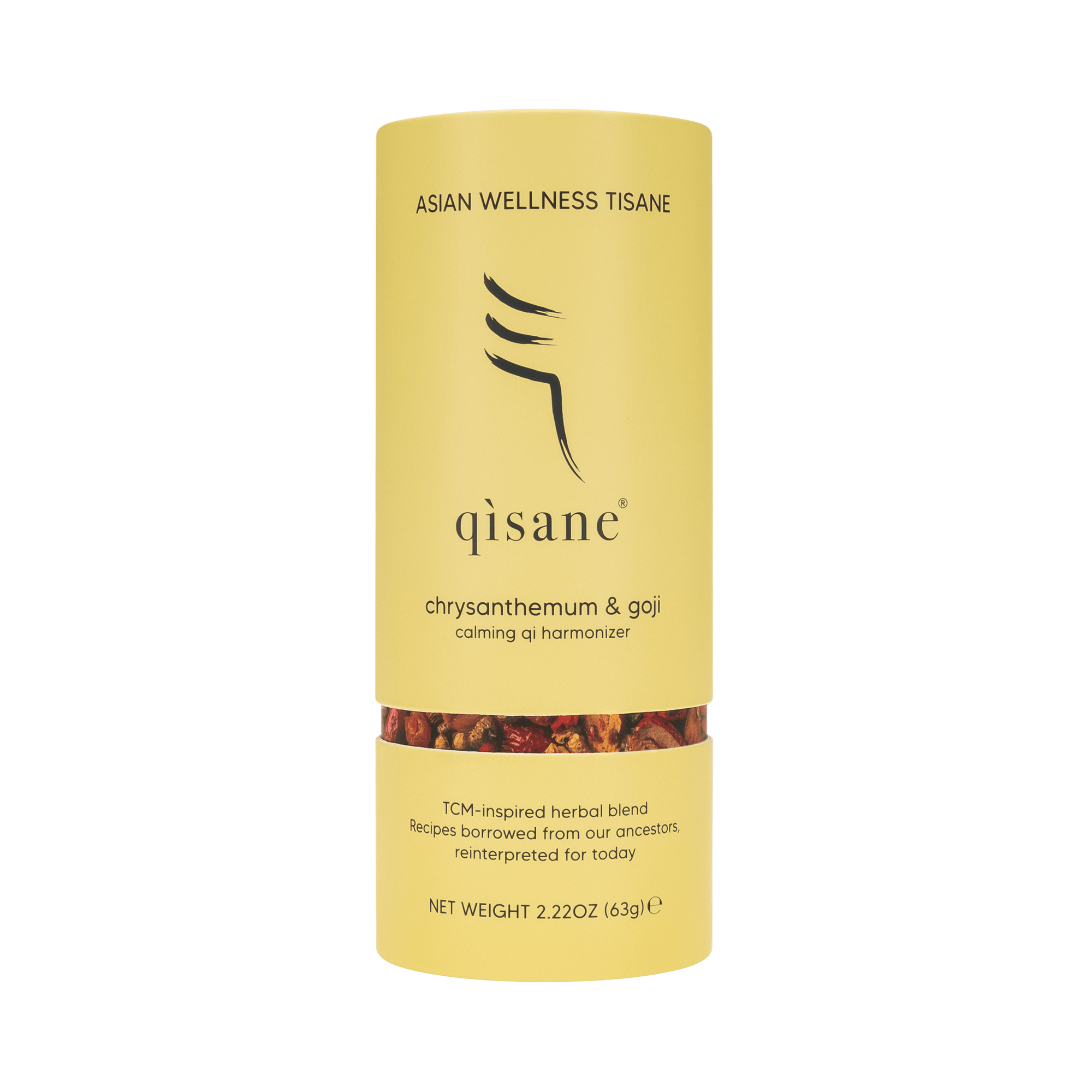
Chrysanthemum and goji berries produce a pale golden infusion with a naturally smooth and understated sweetness. As the goji berries soften, they release a mild fruit note that complements the delicate floral character of chrysanthemum.
Cold brewing brings forward a quieter, more rounded expression of the blend, making this tisane well suited for steady, all-day sipping.
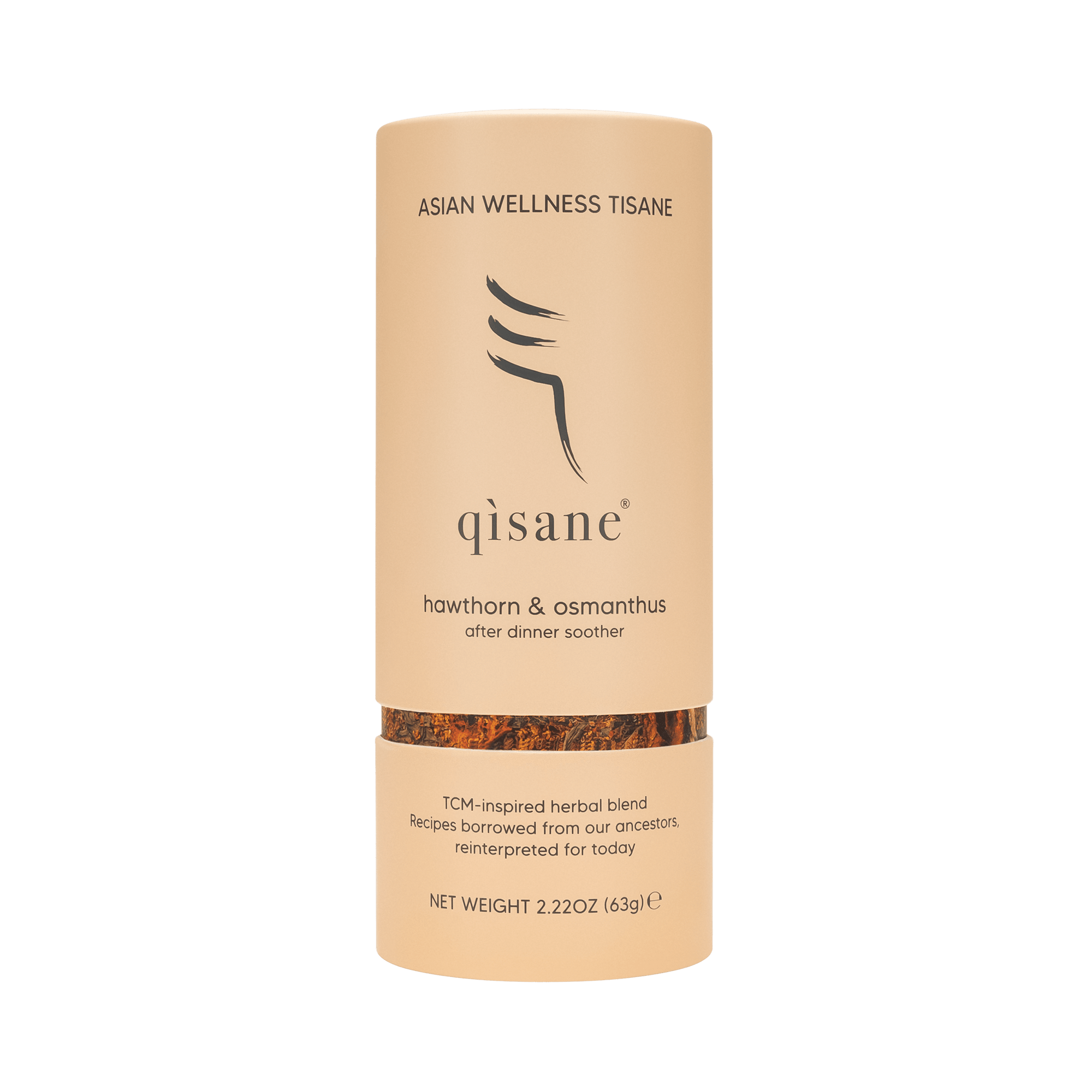
Hawthorn & Osmanthus: crisp, lightly tangy, balanced
Hawthorn’s subtle tartness translates cleanly into cold water, creating a crisp and lightly structured infusion. Osmanthus adds a soft floral lift, while ginger and lemongrass contribute a gentle brightness that keeps the blend from feeling flat.
The hawthorn & osmanthus blend is a particularly refreshing option after meals, offering a lighter expression of the blend while maintaining its digestive-supportive qualities.

Can cold-brewed herbal tea be as effective as hot-brewed?
The functional compounds in herbal botanicals, including antioxidants, flavonoids, and volatile oils, are extracted by both hot and cold water. The extraction is slower with cold water, but given sufficient steeping time (six hours or more), the resulting tisane contains a comparable profile of beneficial compounds.
Some volatile oils that are released as steam during hot brewing are retained in a cold brew, which means certain aromatic and functional compounds may actually be more present in the chilled version. The trade-off is that some heavier compounds, particularly from dense roots, extract more efficiently with heat. This is why re-steeping a cold-brewed sachet with hot water can be a rewarding third use, capturing what the cold water left behind.
For anyone exploring these blends for the first time, the Discovery Set offers all six blends in a single collection, an invitation to cold brew each one and find which resonates most with the season, the moment, and what the body is asking for.
qìsane tisanes are crafted from whole, visible botanicals rooted in Traditional Chinese Medicine and Asian herbal traditions. Each blend is caffeine-free, additive-free, and designed around a specific wellness purpose. Explore the full collection at qisane.com.
Related reading: Best Way to Steep a Tisane: Why You Can Steep It Multiple Times
These statements have not been evaluated by the Food and Drug Administration. This product is not intended to diagnose, treat, cure, or prevent any disease.
Frequently Asked Questions
How long should you cold brew herbal tea?
Cold brew herbal tisanes for a minimum of six hours and ideally overnight (8 to 12 hours) at room temperature. Whole-ingredient tisanes release their flavours and functional compounds gradually in cold water, and the longer steep produces a smoother, more developed brew. Remove the sachet after 24 hours to prevent over-extraction.
Can you cold brew any herbal tea?
Most herbal tisanes can be cold brewed, though results vary by ingredient. Fruit-forward and floral blends, such as those containing hibiscus, chrysanthemum, or rose, cold brew exceptionally well. Dense roots and bark may extract more efficiently with hot water, though an extended cold steep can still produce a pleasant result.
Is cold-brewed herbal tea as healthy as hot-brewed?
Cold-brewed herbal tea contains comparable levels of antioxidants, flavonoids, and beneficial compounds when given sufficient steeping time. Some volatile aromatic compounds that evaporate as steam during hot brewing are actually retained in a cold brew. Both methods deliver the functional properties of the botanicals effectively.
Why do whole ingredients matter for cold brewing?
Whole botanicals, including intact flowers, berries, and roots, release their properties gradually over hours in cold water, producing a smoother, more layered brew than crushed herbs. Crushed teas extract rapidly and can go flat or become overly tannic. Whole ingredients also allow for multiple steeps from a single serving.
What is the best herbal tea to cold brew?
Hibiscus-based tisanes are among the best herbal teas for cold brewing, producing a vivid ruby colour and a bright, tart flavour that intensifies beautifully in cold water. Chrysanthemum and goji berry blends create a light, naturally sweet golden cold brew. Both are caffeine-free and well suited to warm-weather refreshment.