

At a glance: two very different approaches to immune support
| Immunomodulatory teas | Immunoboosting teas | |
|---|---|---|
| What it does | Regulates and balances immune activity | Stimulates and upregulates immune response |
| Primary goal | Sustained, daily equilibrium | Acute activation during illness or stress |
| Typical herbs | Honeysuckle, self-heal spike, astragalus | Echinacea, elderberry, ginger |
| Caffeine-free? | Yes (e.g. qìsane blend) | Typically yes, but varies by blend |
| Best use timing | Every day, any time | Short-term, when immune challenge is acute |
| Risk of over-stimulation | Low, balancing mechanism | Possible with prolonged use |
The language matters more than most tea labels admit
Walk down any wellness aisle and you will see the phrase "immune-boosting" stamped on dozens of herbal teas. It sounds reassuring. More immunity, surely, is always better. But that assumption deserves a second look. "Immunomodulatory" and "immune-boosting" are not synonyms, and the gap between them matters enormously when you are choosing something to drink every single day. One category asks your immune system to work harder; the other helps it work more wisely. This article unpacks that distinction so you can make a more informed choice.
What does immunomodulatory actually mean?
Immunomodulatory describes the capacity of certain botanicals to regulate, normalize, or temper immune activity rather than simply amplify it. The word comes from "modulate": to adjust, fine-tune, or bring into balance. An immunomodulatory herbal tea is not trying to switch your immune system on at full volume; it is helping it find the right volume for the moment. This distinction matters because, where many products lean on "immune-boosting" language, a modulating approach is about balance, not amplification.
Third-party sources covering herbal immune support consistently distinguish between herbs that stimulate immune pathways and herbs that appear to regulate them. The modulatory category has a bidirectional quality: the same herb may dampen an overactive response in one context and gently support an underactive one in another. That bidirectionality is what makes these botanicals particularly well suited to daily use.
Within Traditional Chinese Medicine (TCM), this concept maps closely onto restoring and maintaining qi, the body's vital energy, rather than forcing a reaction. Many TCM-inspired blends draw on this philosophy, working with the body's existing patterns rather than overriding them. The goal is resilience built through consistency, not a short-term spike achieved through force.
Immunomodulatory teas are also not medicines, and they should not be framed as treatments for any condition. They are supportive, wellness-oriented herbal preparations that, over time, may help the immune system maintain its own equilibrium. The distinction between supportive and therapeutic matters, both practically and ethically.
What do immunoboosting teas actually do differently?
Immunoboosting teas work by activating or upregulating specific immune pathways, encouraging the body to produce more immune cells or increase inflammatory signaling. Classic examples include echinacea, elderberry, and ginger, herbs with well-documented stimulating profiles.
This stimulating action has real value in specific circumstances. When the immune system needs a short, sharp prompt (during the early stages of a cold, or after a period of unusual stress), a boosting herb can be useful. The issue arises when people treat these herbs as everyday supplements rather than targeted, short-term supports.
A few things worth keeping in mind about immunoboosting teas:
- They tend to work best in short cycles, not as permanent daily additions to your routine.
- Prolonged stimulation of the immune system is not inherently desirable. Immune overactivity carries its own costs.
- Most commercial 'immune-boosting' labels conflate immune stimulation with immune support, often without distinguishing between the two mechanisms.
- Their seasonal framing, such as 'fight colds' or 'winter support,' reflects their acute-use character.
- Some of the most popular boosting herbs (echinacea, elderberry) are not recommended for people with autoimmune conditions, precisely because of their stimulating nature.
None of this makes immunoboosting teas bad. It simply means they are the right tool for a specific job, and that job is not necessarily a daily wellness ritual.
How honeysuckle and self-heal spike work as gentle modulators
Within TCM-inspired herbal formulation, honeysuckle and self-heal spike occupy a clear modulatory role, each contributing to a balancing rather than stimulating immune profile. Knowing what each brings to the cup helps explain why these two botanicals appear together so often in thoughtfully designed immunity blends.
- Honeysuckle (Jin Yin Hua in TCM): One of the most widely used cooling herbs in traditional Chinese practice, honeysuckle has a long history of use for its gentle, balancing character. Rather than pushing the immune system toward a heightened state, it is associated with clearing internal heat and supporting the body's natural equilibrium, a classically modulatory action.
- Self-heal spike (Xia Ku Cao in TCM): Self-heal spike brings a complementary quality to the blend, traditionally valued for its role in softening excess immune activity and helping restore balance when the body is running too hot. In TCM, it is often paired with cooling botanicals to create a harmonizing effect.
- Soft florals (chrysanthemum (Ju Hua) and lemon verbena): The softer botanical notes in the blend, including chrysanthemum and lemon verbena, add both flavor depth and a gently calming character that rounds out the modulatory profile of the whole cup.
- The combination: Together, honeysuckle and self-heal spike produce what TCM practitioners would describe as a formula that works with the body's existing patterns, not against them. This is the essence of immunomodulatory thinking in practice.
This approach sits within a tradition of functional wellness that prizes consistency and gentleness over intensity. Think of it as the difference between training daily at a sustainable pace and occasionally sprinting at full effort. Both have value, but only one builds long-term resilience.
Immunomodulatory versus immunoboosting teas compared
The table below maps both categories across five practical dimensions, the ones that actually matter when you are deciding what to drink and when.
| Attribute | Immunomodulatory teas | Immunoboosting teas |
|---|---|---|
| Mechanism | Regulates and balances immune response | Stimulates and activates immune pathways |
| Best-use timing | Daily, ongoing, any time of day | Short-term, during acute immune challenge |
| Typical herbs | Honeysuckle, self-heal spike, astragalus | Echinacea, elderberry, ginger |
| Risk profile | Low; gentle, bidirectional action | Higher risk of over-stimulation with prolonged use |
| Suitable for daily use? | Yes, designed for consistent daily ritual | Not ideal, best used in cycles or short bursts |
| Caffeine-free options? | Yes | Generally yes, but check individual blends |
| Framing | Long-term resilience and equilibrium | Acute seasonal support ('fight colds,' 'winter') |
Who benefits most from a modulatory approach?
A modulatory tea is likely the better fit if several of the following apply to you. The more items you recognize, the more a gentle, balancing daily ritual makes sense over an occasional boosting approach, particularly one that is caffeine-free and made with pure whole ingredients, nothing crushed or added.
- You want immune support as part of a daily ritual rather than a reactive response to feeling run-down.
- You carry a background level of stress that you would describe as chronic rather than occasional.
- You prefer caffeine-free options so you can drink at any time of day, morning, afternoon, or evening, without disrupting sleep.
- You are interested in gentle, balancing support informed by traditional herbal practice such as TCM.
- You have a sensitive system and find that strongly stimulating supplements leave you feeling off rather than better.
- You want a format that is easy to use and easy to build into a consistent routine.
- You are not currently dealing with an acute illness but want to maintain your baseline resilience over time.
If, on the other hand, you are in the middle of a cold or have had a specific immune challenge, a short course of a more stimulating herbal preparation may be appropriate. The two approaches are not mutually exclusive. Many people use a modulatory blend daily and reach for a boosting option when circumstances call for it.
A gentle modulator worth trying every day
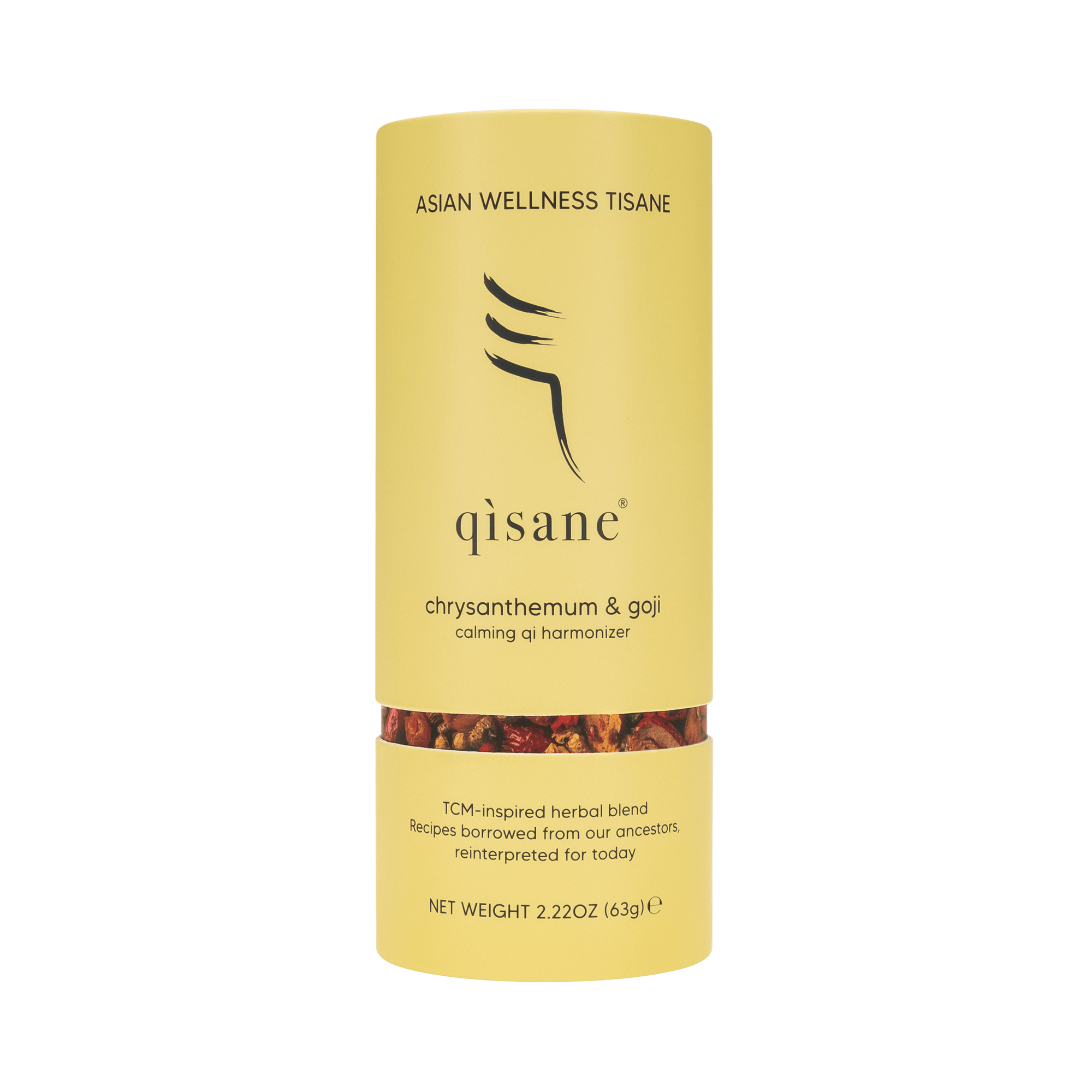
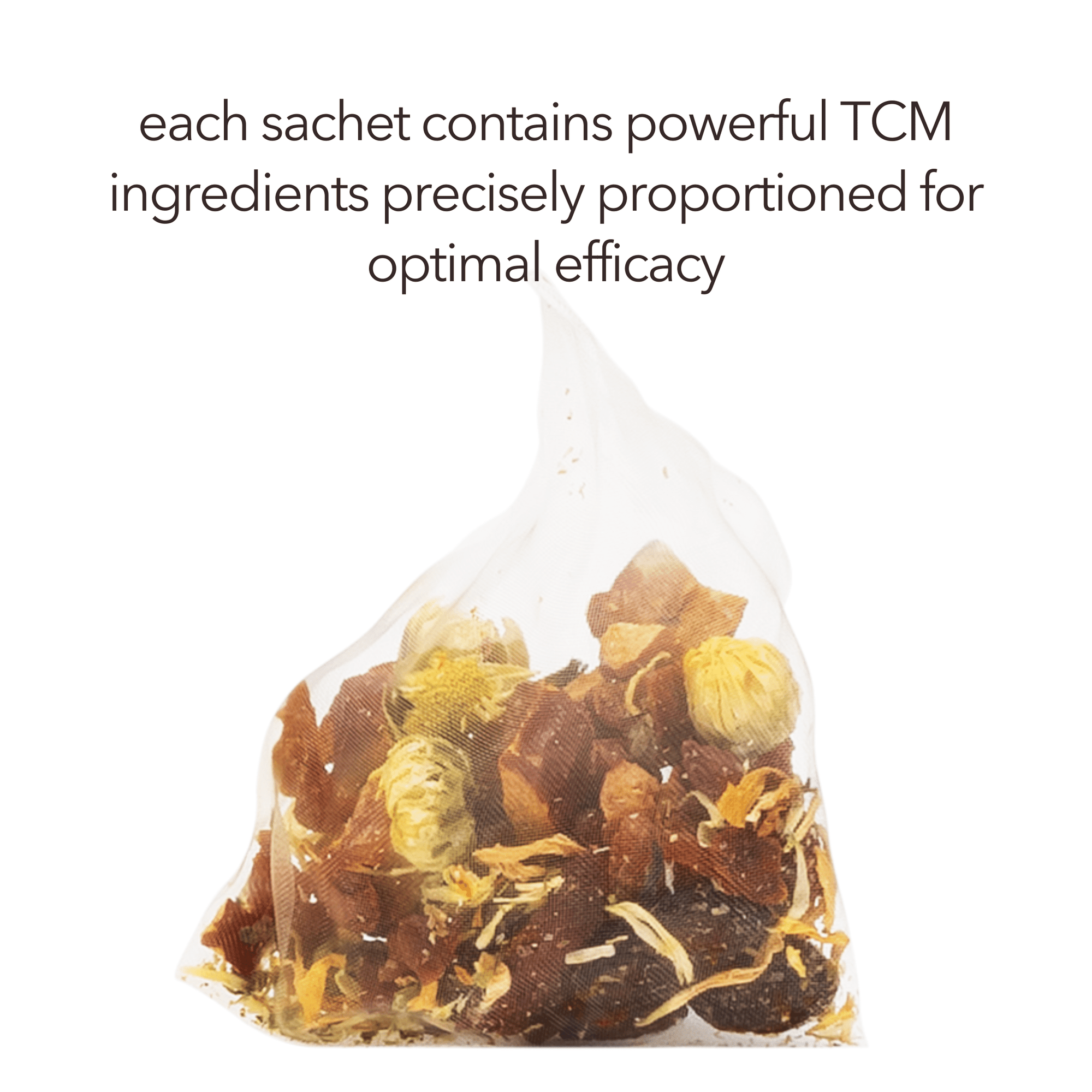
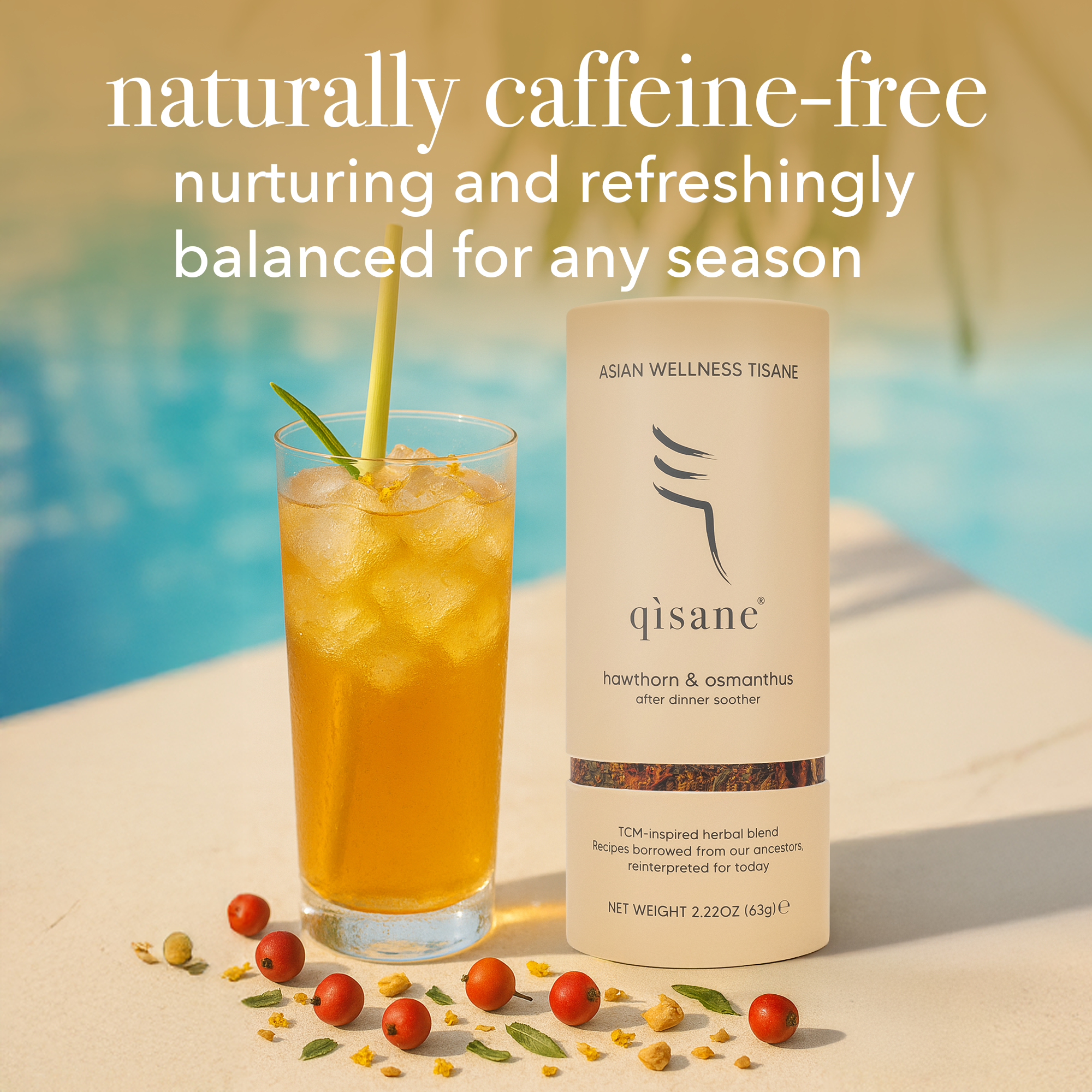
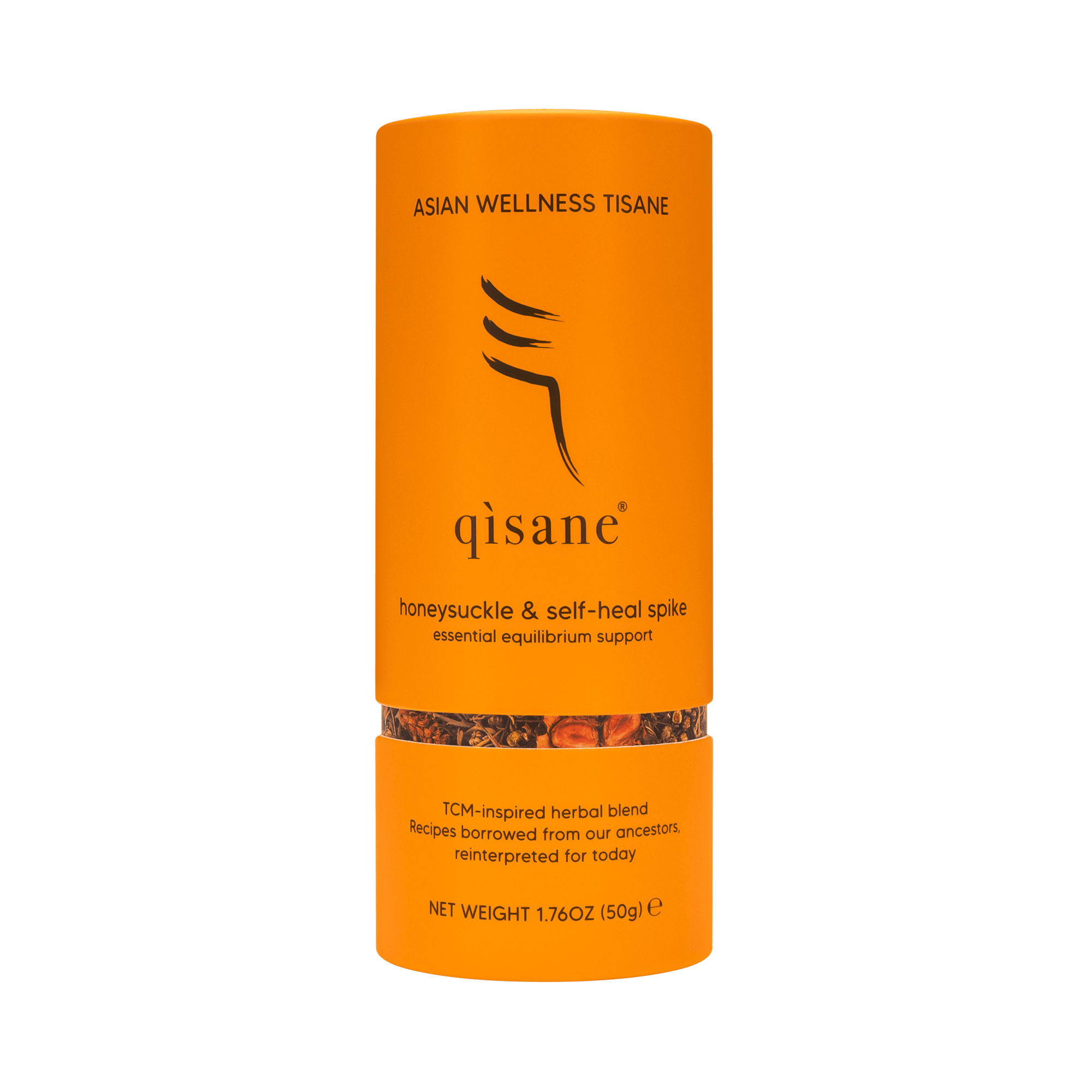
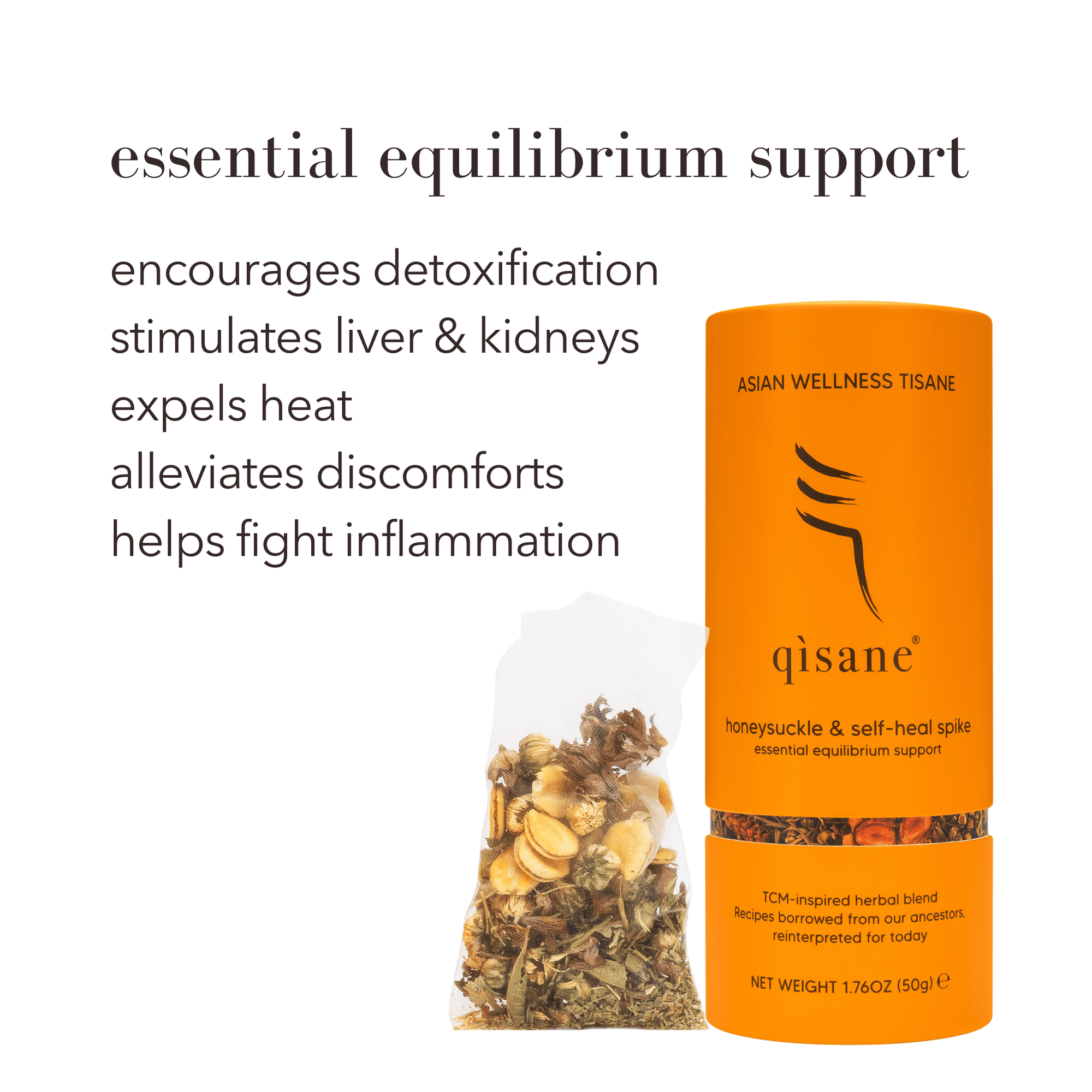
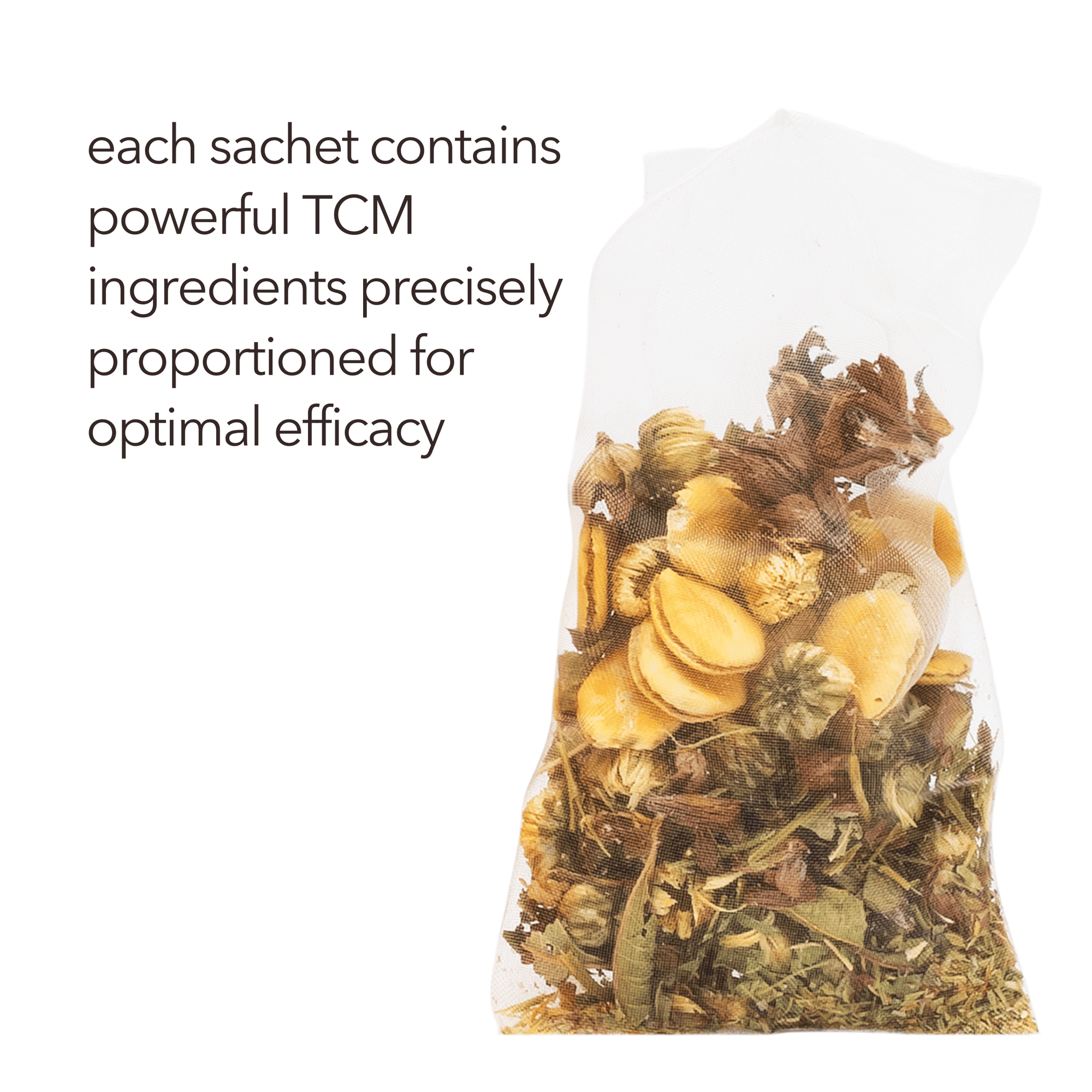
If the modulatory framework resonates, the qìsane Honeysuckle & Self-Heal Spike tisane is a considered daily option. It brings together honeysuckle, self-heal spike, chrysanthemum, lemon verbena, and monkfruit in a caffeine-free blend designed for consistent, unhurried use. There are no additives and no processed ingredients, just whole botanicals, steeped as they are.

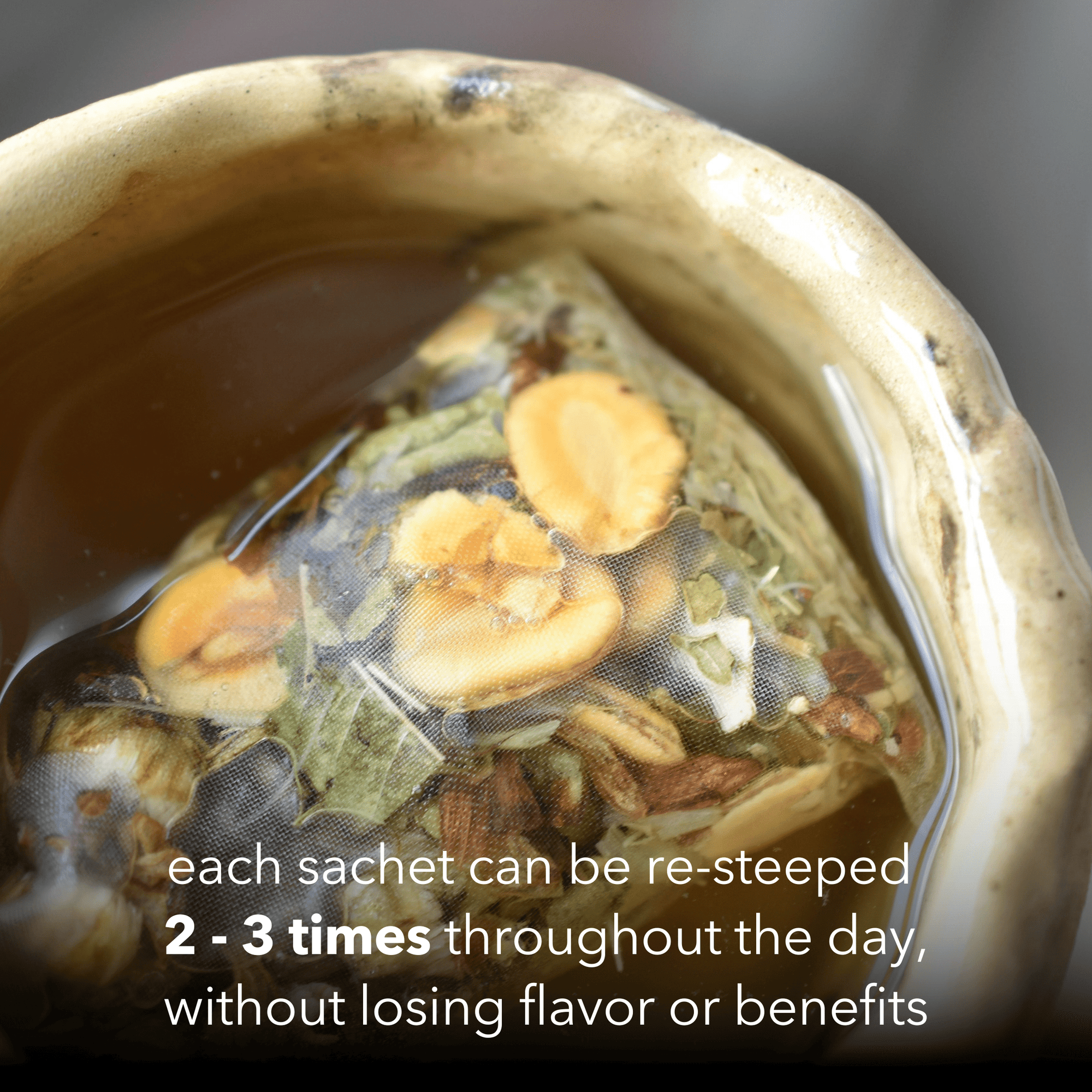
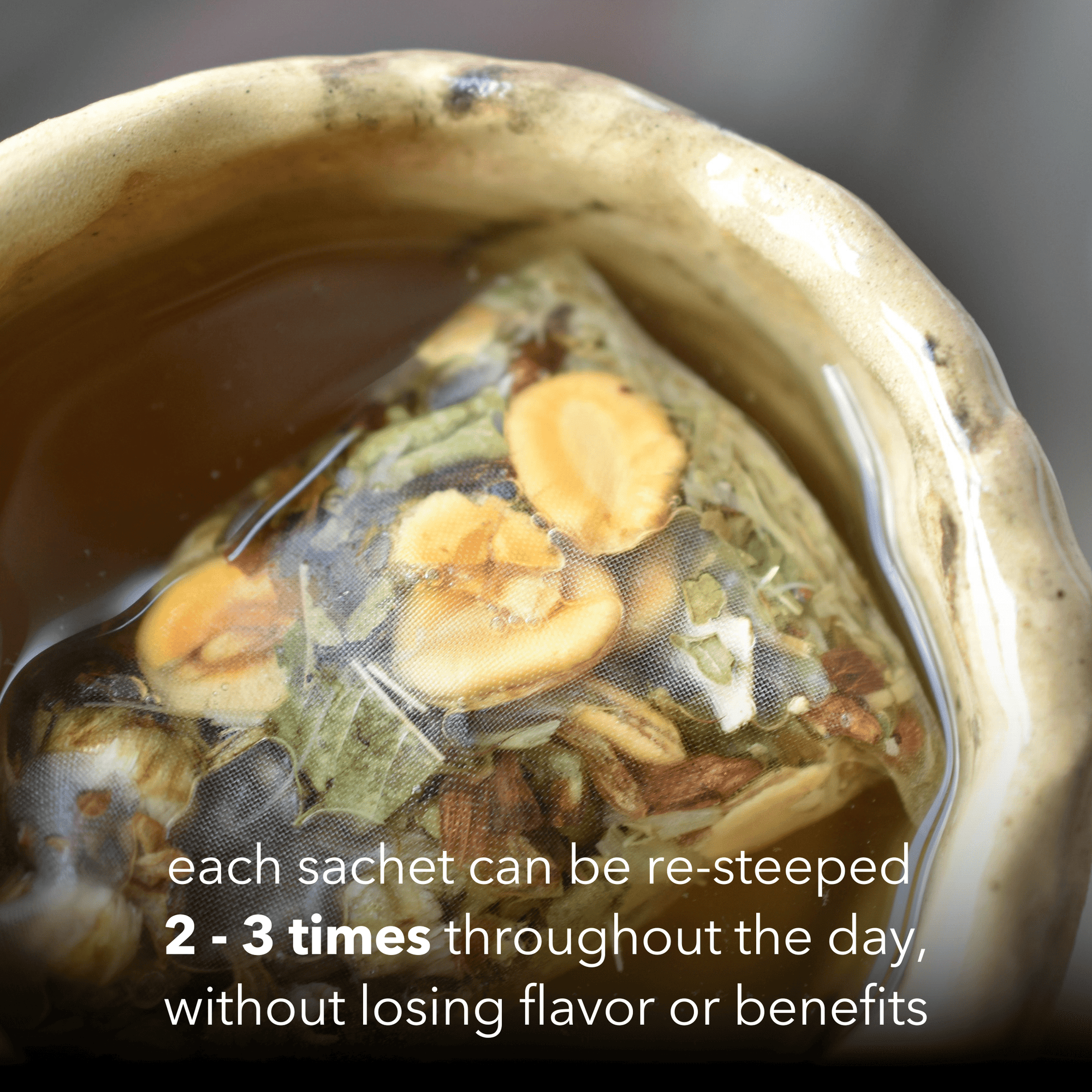
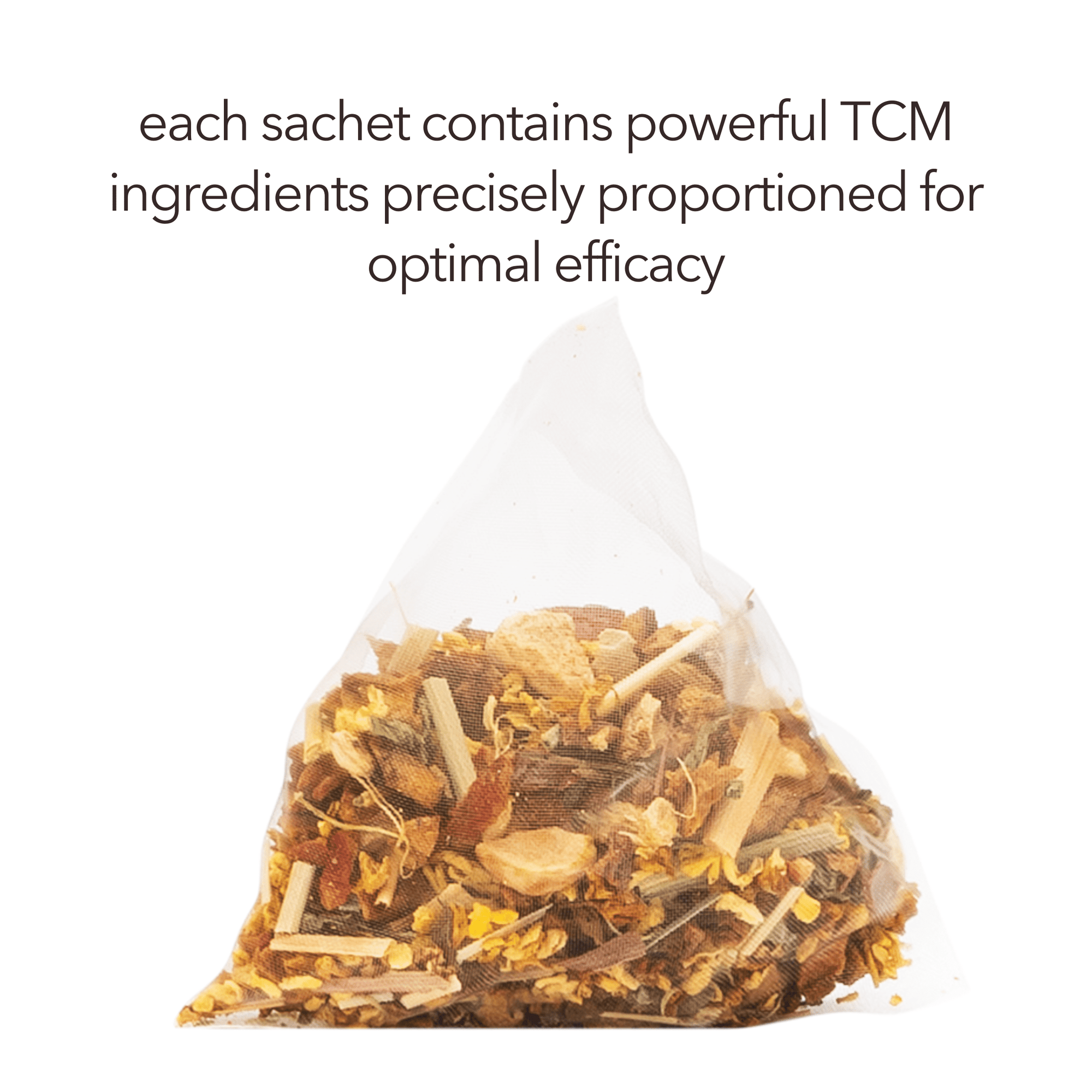
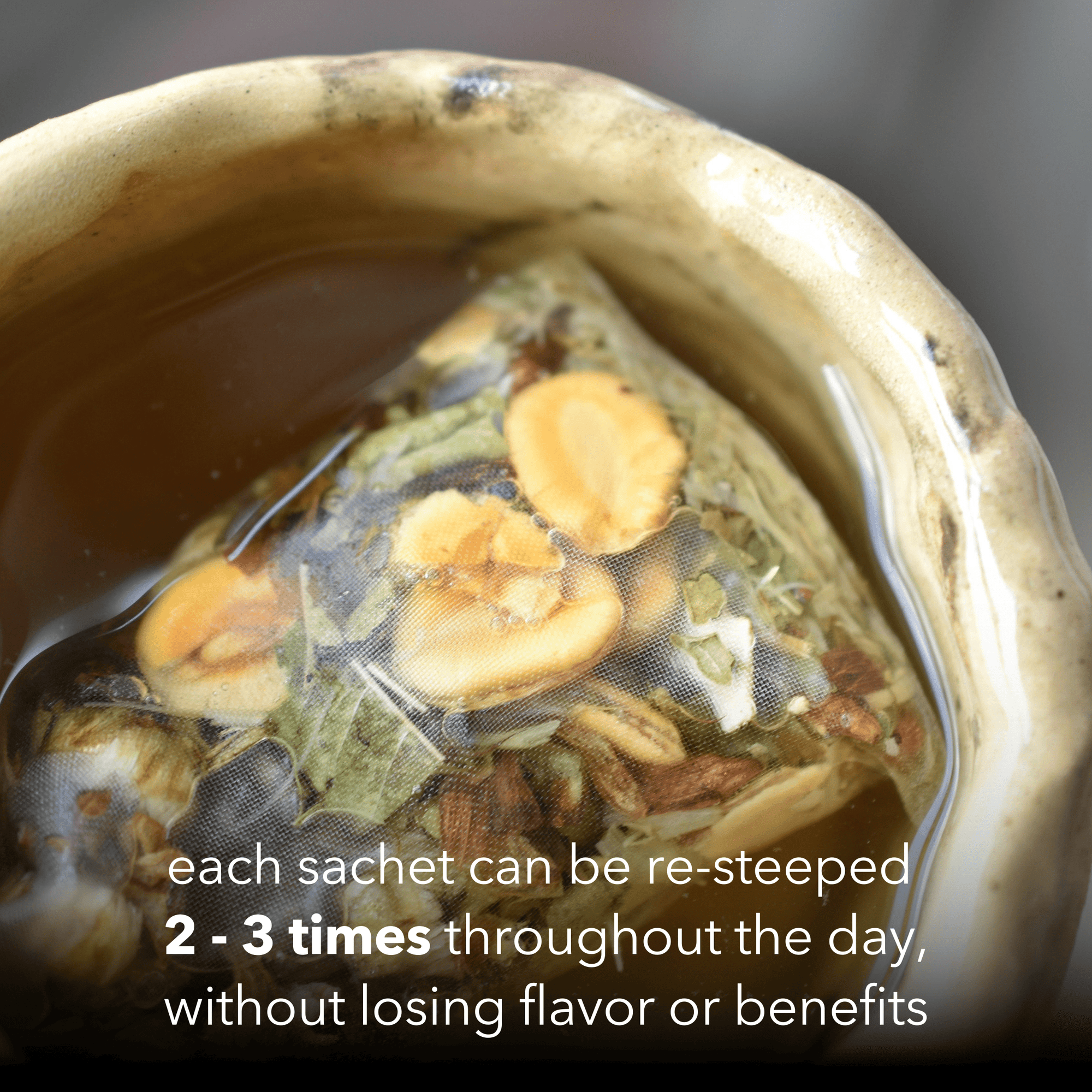
- Format: 10 oversized sachets per cylinder; each sachet steeps up to three times
- Price: $22.99
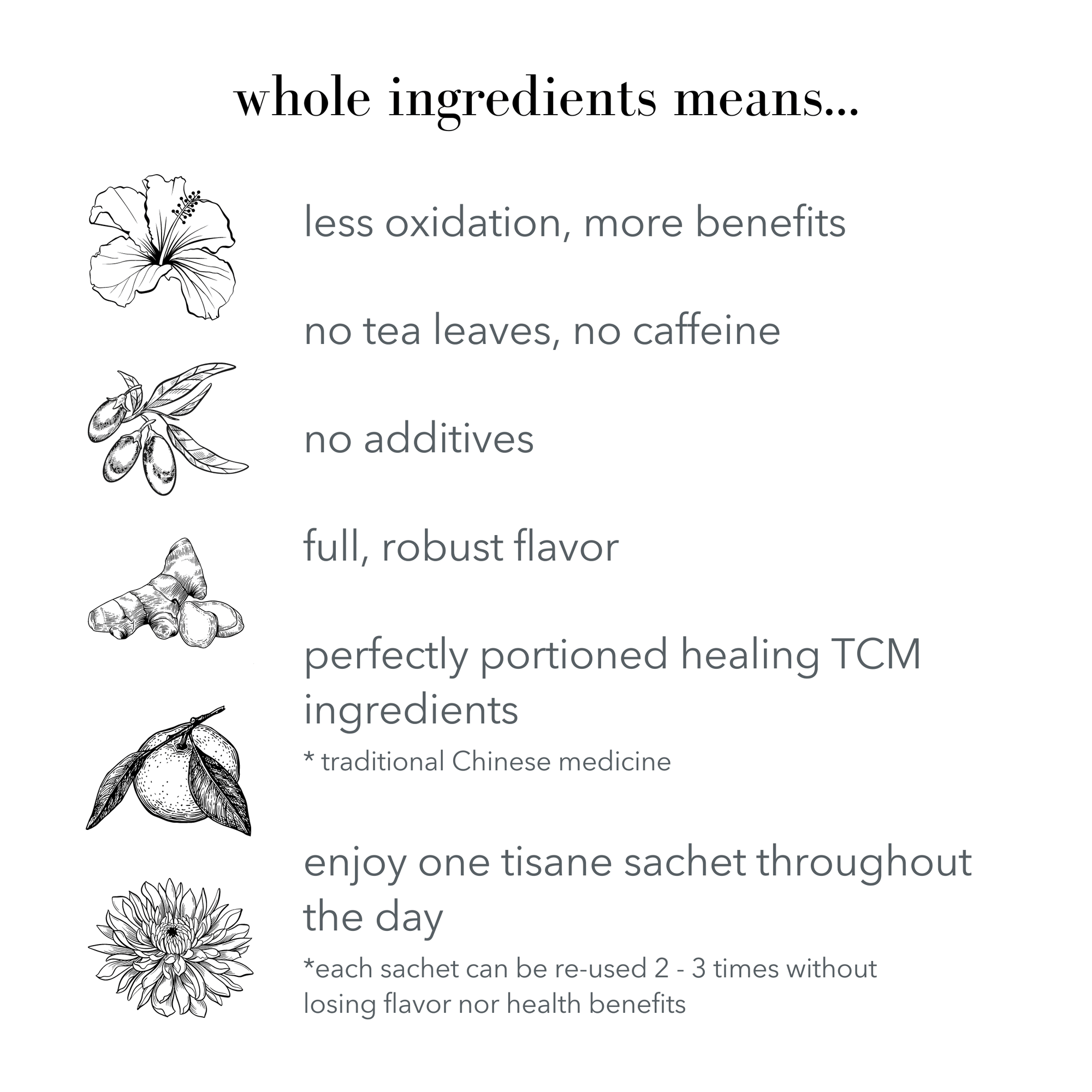
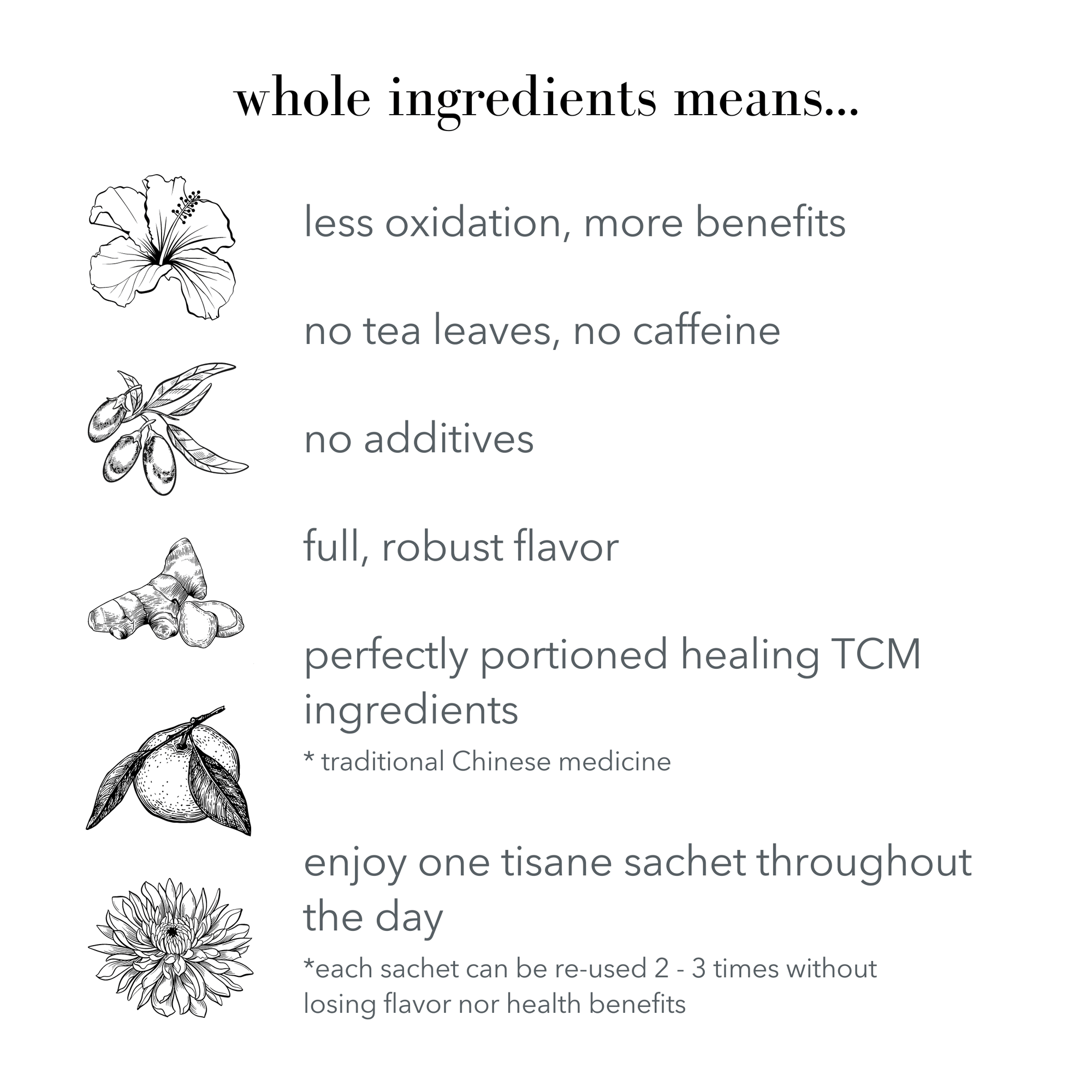
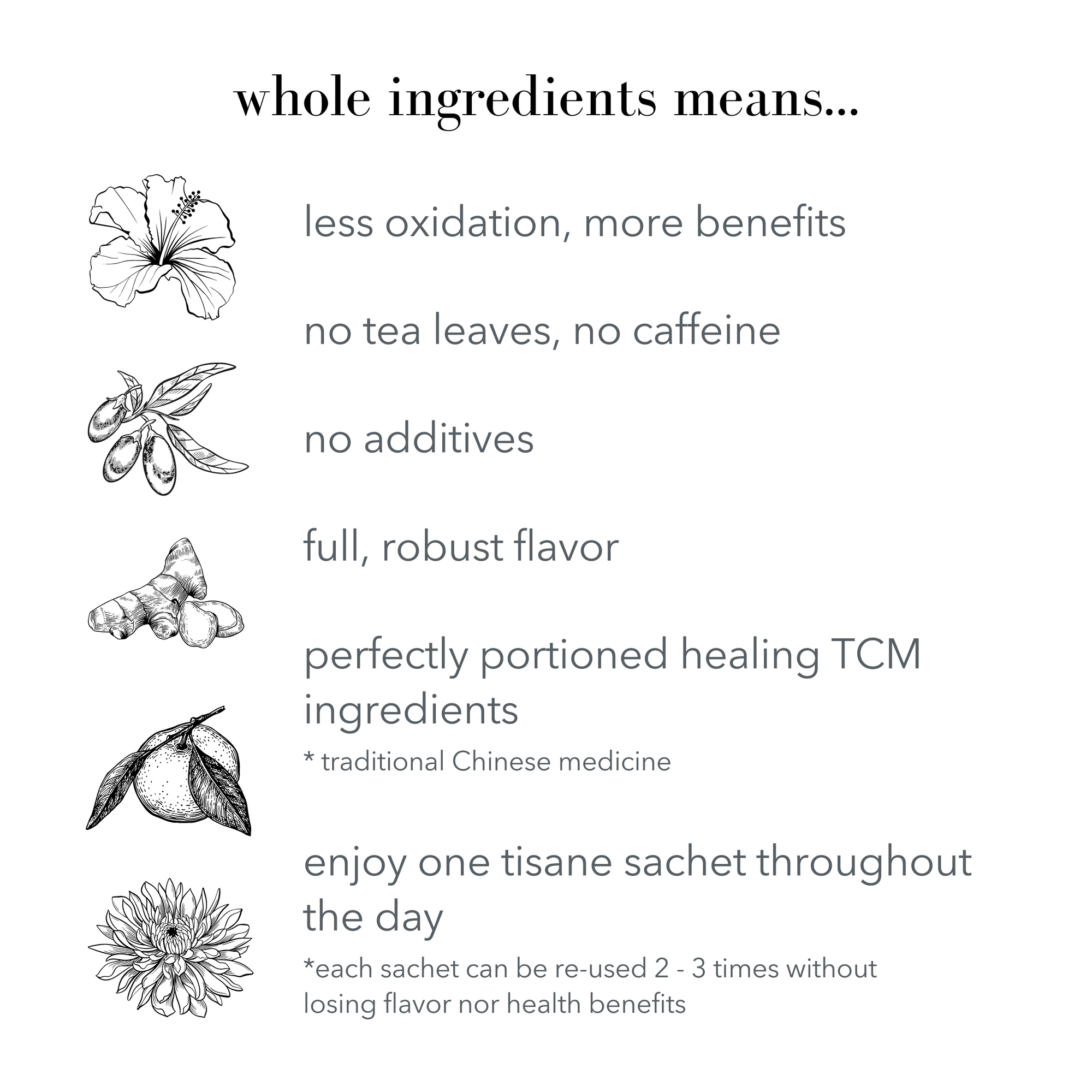
- Caffeine-free, additive-free, whole botanicals only
- Sachets are plastics-free, biodegradable, and made in Japan
- Brew at 96 to 98°C for 6 to 7 minutes, or cold brew for 6 hours
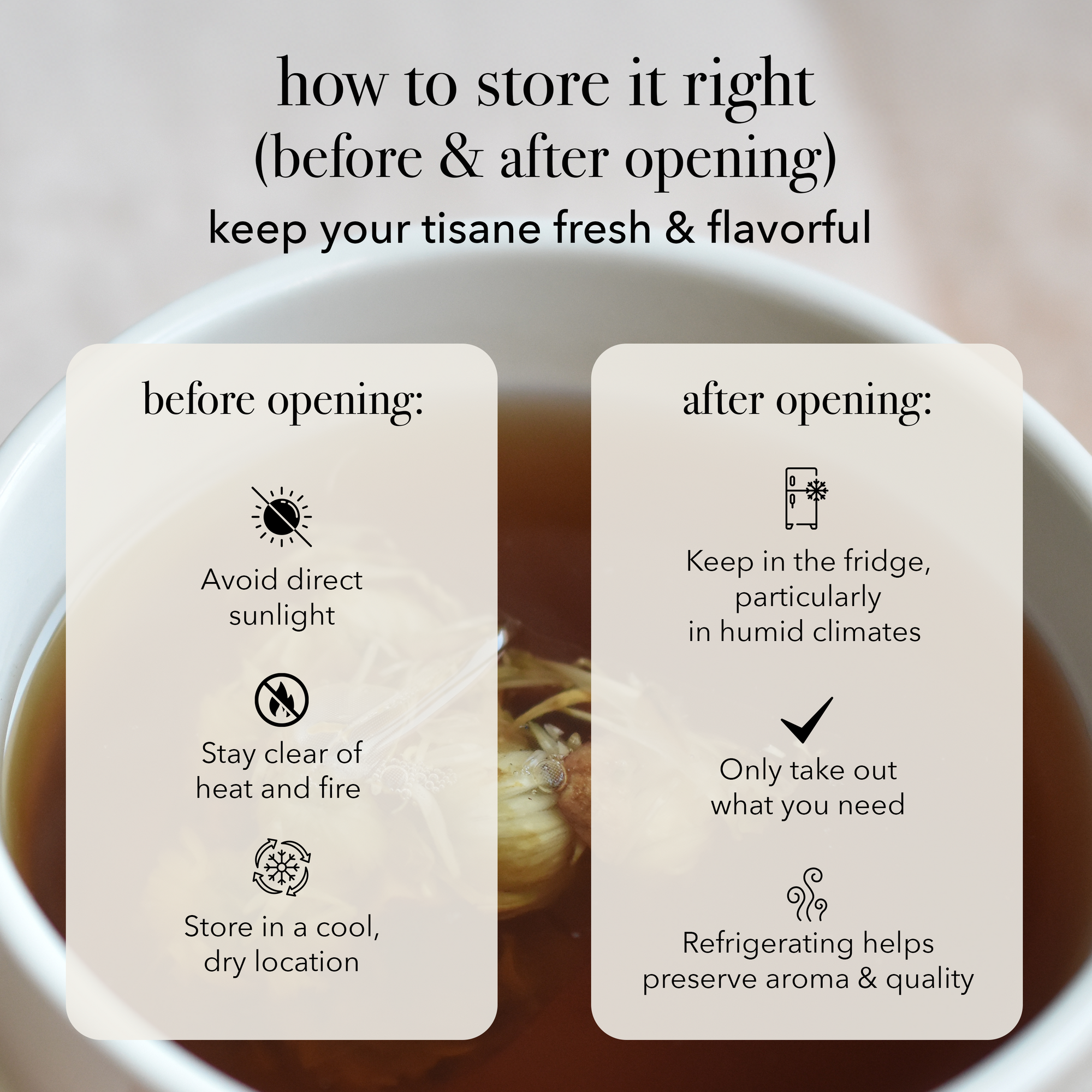
- Shelf life: 18 months sealed (use within 12 months of opening)
The blend sits squarely in the TCM-inspired functional wellness category, which means it is designed to be part of a routine, not a one-off fix. The wider range of caffeine-free tisanes covers other daily rhythms, and the Honeysuckle & Self-Heal Spike tisane, a caffeine-free blend of honeysuckle, self-heal spike, chrysanthemum, lemon verbena, and monkfruit, is a good place to start if the modulatory approach resonates.
Your questions about immunomodulatory and immunoboosting teas answered
What is the difference between an immunomodulatory and an immunoboosting tea?
An immunomodulatory tea works by regulating and balancing the immune system, helping it respond appropriately rather than simply pushing it harder. An immunoboosting tea works by stimulating or activating immune pathways, increasing activity in the short term. The modulatory approach is designed for daily use; the boosting approach is better suited to short-term, acute support.
Can I drink an immunomodulatory tea every day?
Yes. The balancing, bidirectional mechanism of modulatory herbs makes them well suited to consistent daily use. Unlike stimulating herbs, which may cause issues if used continuously over a long period, modulatory botanicals are generally considered appropriate for ongoing wellness routines. A caffeine-free blend like the honeysuckle and self-heal spike tisane can be enjoyed at any time of day.
Is honeysuckle a modulator or a booster?
Honeysuckle is considered a modulator in TCM-informed practice. Its traditional use centers on cooling, clearing, and restoring balance rather than aggressively stimulating the immune system. This makes it a natural fit for blends aimed at daily, sustained immune equilibrium rather than acute activation.
What does self-heal spike do in an immune tea?
Self-heal spike (Xia Ku Cao) contributes a complementary balancing quality to immune blends. In traditional Chinese herbal practice, it is valued for softening excess activity and supporting the body's return to equilibrium. Paired with honeysuckle, the two herbs create a harmonizing profile that fits the modulatory rather than stimulating category.
Are immunoboosting teas safe?
For most healthy adults in the short term, yes. The concern with immunoboosting herbs is not acute toxicity but prolonged use: continuously stimulating the immune system is not necessarily beneficial, and some boosting herbs are not appropriate for people with autoimmune conditions. As with any wellness practice, consulting a qualified healthcare practitioner is sensible if you have a pre-existing condition.
What makes a tea caffeine-free?
A tisane (herbal infusion) is caffeine-free when it contains no tea leaves. Caffeine in tea comes from the Camellia sinensis plant, not from herbs, flowers, or botanicals. Blends made entirely from whole herbs, flowers, and botanicals, with no Camellia sinensis, contain no caffeine naturally. The honeysuckle and self-heal spike blend contains no tea leaves, no additives, and nothing processed, which is why it can be enjoyed at any hour.
How long does it take for an immunomodulatory tea to have an effect?
Modulatory herbs are not designed for rapid results. They work through consistency, not intensity. Think of them less like a supplement you take when something is wrong and more like a daily habit that, over time, may help maintain your immune system's natural balance. There is no fixed timeline, and anyone suggesting an immediate transformation is overstating what herbal teas do.
Can I use both an immunomodulatory and an immunoboosting tea?
Many people do. A reasonable approach is to use a modulatory blend as your everyday baseline and reach for a boosting option during specific short-term periods, such as the start of cold season or when you feel your immune resilience is under particular strain. If you are on medication or have a health condition, discuss any herbal additions with a healthcare practitioner first.
A note on herbal tea and medical advice. This article is informational only. Herbal teas are not medicines and are not intended to diagnose, treat, or cure any condition. If you have an existing immune condition, are pregnant or breastfeeding, or take prescription medication, please consult a qualified healthcare practitioner before making changes to your wellness routine. The information here is intended for a general adult audience looking to understand the difference between herbal tea categories. It is not a substitute for professional medical guidance.
These statements have not been evaluated by the Food and Drug Administration. This product is not intended to diagnose, treat, cure, or prevent any disease.
Related reading:
- The Best Herbal Teas That Boost The Immune System
- The Ultimate Guide To Traditional Chinese Medicine Tea: Discover The Best Chinese Teas For Health And Wellness