

The best herbal teas for seasonal allergies and congestion are those that help open the airways, reduce inflammation, and support the body in clearing excess mucus. During spring, when airborne irritants are at their peak, these functions become especially important for maintaining comfortable, steady breathing.
Many of the most effective botanical combinations used today draw from Traditional Chinese Medicine, where respiratory discomfort is understood as a disruption in the lung system triggered by seasonal change. Herbs such as peppermint, loquat leaf, balloon flower root, ginger, and licorice root have been used for centuries and are now widely recognised for their role in supporting clearer breathing and throat comfort.
Seasonal allergies affect more than 80 million people in the United States each year, with symptoms peaking between March and May. For those seeking a quieter, more supportive approach, herbal tisanes offer both functional relief and a moment of pause, something conventional antihistamines do not always provide.
Why do allergies feel worse in spring?
Spring is when respiratory symptoms tend to intensify due to increased pollen levels, temperature fluctuations, and environmental exposure. These changes can trigger inflammation in the airways, leading to congestion, sneezing, sinus pressure, and throat irritation.
From a Traditional Chinese Medicine perspective, spring is associated with movement and external influence, often described as “wind.” While the terminology differs, the pattern closely mirrors modern descriptions of seasonal allergies. The emphasis in both frameworks is not suppression, but support, helping the body maintain clear airflow, regulate inflammation, and restore balance as conditions shift.
This shared understanding is what shapes how effective herbal blends are designed: not as isolated ingredients, but as coordinated support for the respiratory system.

Which herbs are best for allergy and congestion relief?
The most effective herbal teas for allergies rely on a small group of botanicals that consistently support respiratory comfort. Each plays a distinct role, and their combined effect is what makes the blend work.
Peppermint leaf
Peppermint contains menthol, a naturally occurring compound that helps open nasal passages and create a cooling sensation that makes breathing feel easier. This effect is widely recognised in both herbal medicine and modern respiratory products.
In Traditional Chinese Medicine, peppermint is used to disperse patterns associated with seasonal congestion and heat, particularly when symptoms include sore throat, headache, and blocked sinuses. Its role across both systems reflects the same core function: restoring a sense of openness in the airways.
Loquat leaf
Loquat leaf has documented expectorant and anti-inflammatory properties, helping to loosen mucus and calm irritation in the respiratory tract. It has been used extensively across East Asia for coughs, throat discomfort, and congestion.
A 2009 study from Kyungpook National University found that loquat leaf extract slowed allergic responses in animal models. Additional research highlights its role in supporting mucus clearance, making it particularly relevant during allergy season.
Loquat leaf is also a central ingredient in traditional respiratory formulas, including Nin Jiom Pei Pa Koa, where its function aligns closely with modern expectations of throat and airway support.
Balloon flower root
Balloon flower root is one of the most widely used herbs for supporting the lungs and throat. It acts as a natural expectorant, helping the body clear mucus from the bronchial passages while also soothing irritation.
What makes balloon flower root particularly distinctive is its role in enhancing the effectiveness of other herbs in a blend. In Traditional Chinese Medicine, it is considered a “guiding herb,” directing the action of a formula toward the respiratory system.
Modern research has identified platycosides, its key active compounds, which demonstrate anti-inflammatory and immune-supportive properties consistent with its traditional use.
Ginger root
Ginger provides anti-inflammatory support that helps reduce swelling in the airways and improve overall respiratory comfort. It is also associated with improved bronchodilation, supporting the lungs in opening more fully during periods of congestion.
In formulation, ginger brings warmth and balance. When paired with cooling herbs like peppermint and loquat leaf, it helps maintain equilibrium while contributing its own functional benefits. This balance between warming and cooling elements is a defining characteristic of well-constructed herbal blends.
Licorice root
Licorice root soothes irritated mucous membranes and helps calm the throat directly, creating a coating effect that reduces discomfort. It also plays an important role in harmonising a blend, helping the different botanicals work together more effectively.
Research supports its anti-inflammatory properties in the respiratory system, while its natural sweetness softens the overall profile of the tea, making it easier to drink consistently.

What is the Nin Jiom Pei Pa Koa connection?
Nin Jiom Pei Pa Koa is one of the most widely used herbal throat remedies in Asia, known for its ability to soothe irritation and support respiratory comfort. Its formula centres on loquat leaf, combined with balloon flower root, licorice, ginger, and menthol, a composition that reflects both traditional herbal logic and functional respiratory support.
Originally developed during the Qing Dynasty, the formula has remained relevant not because of tradition alone, but because the underlying botanical functions continue to align with how we understand respiratory care today.
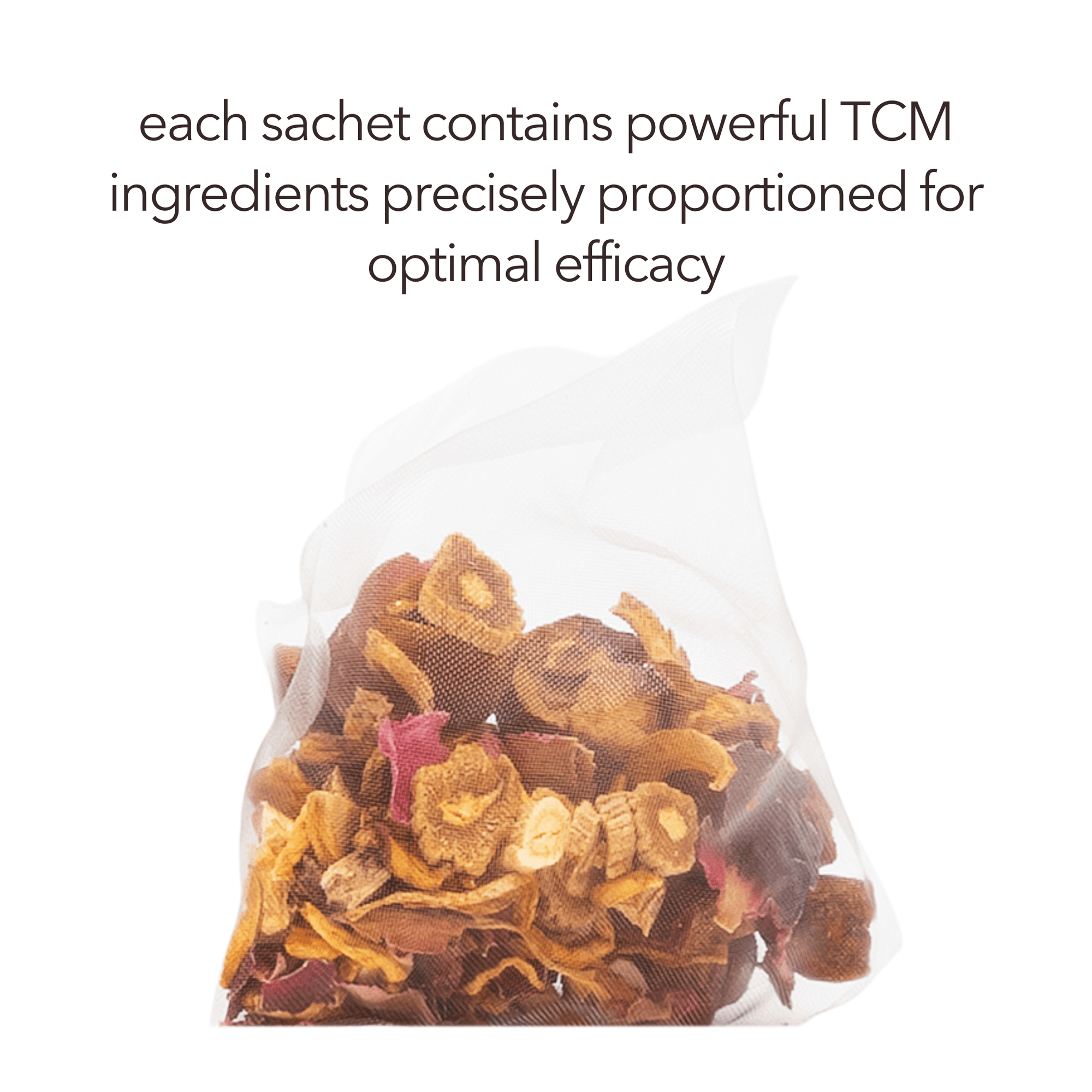
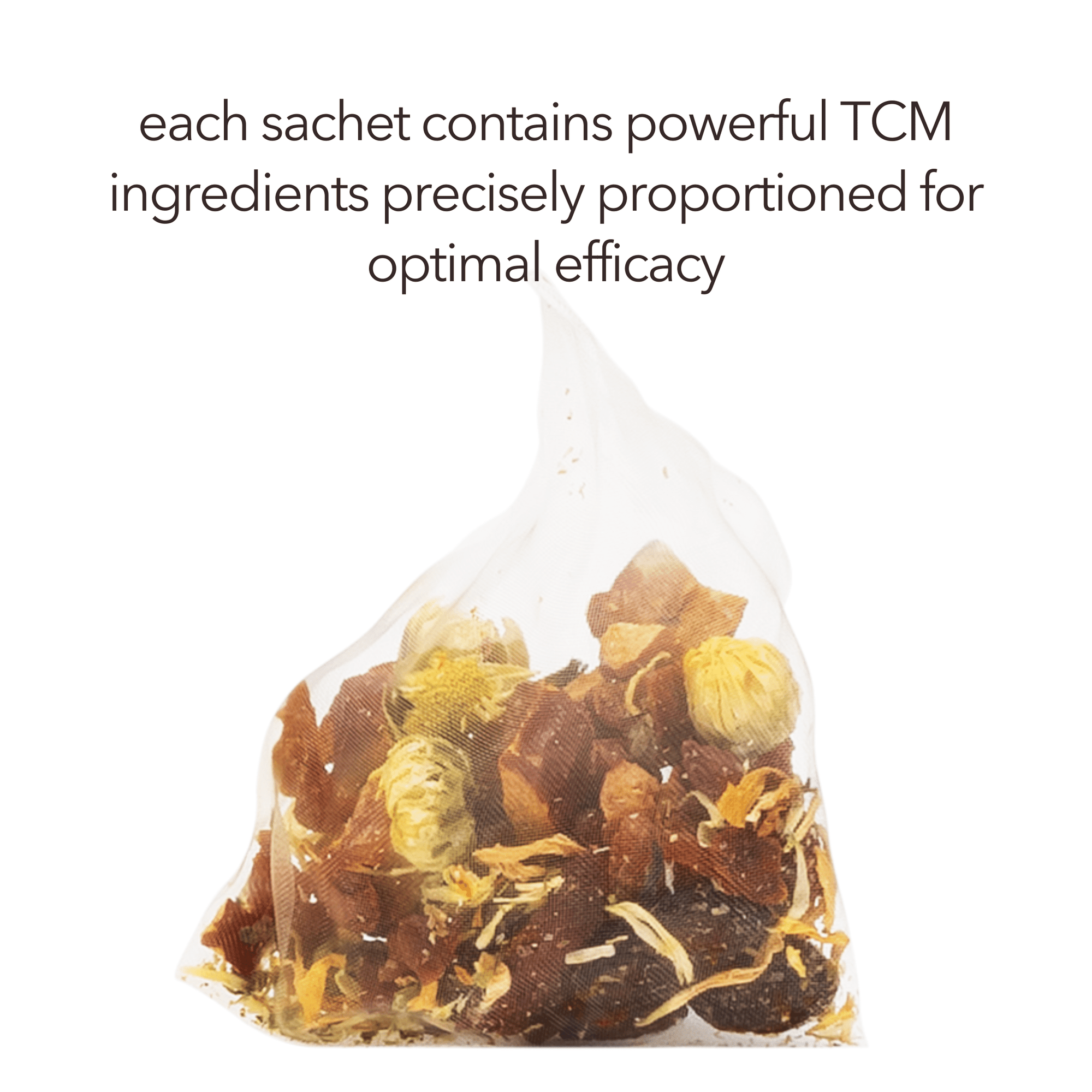
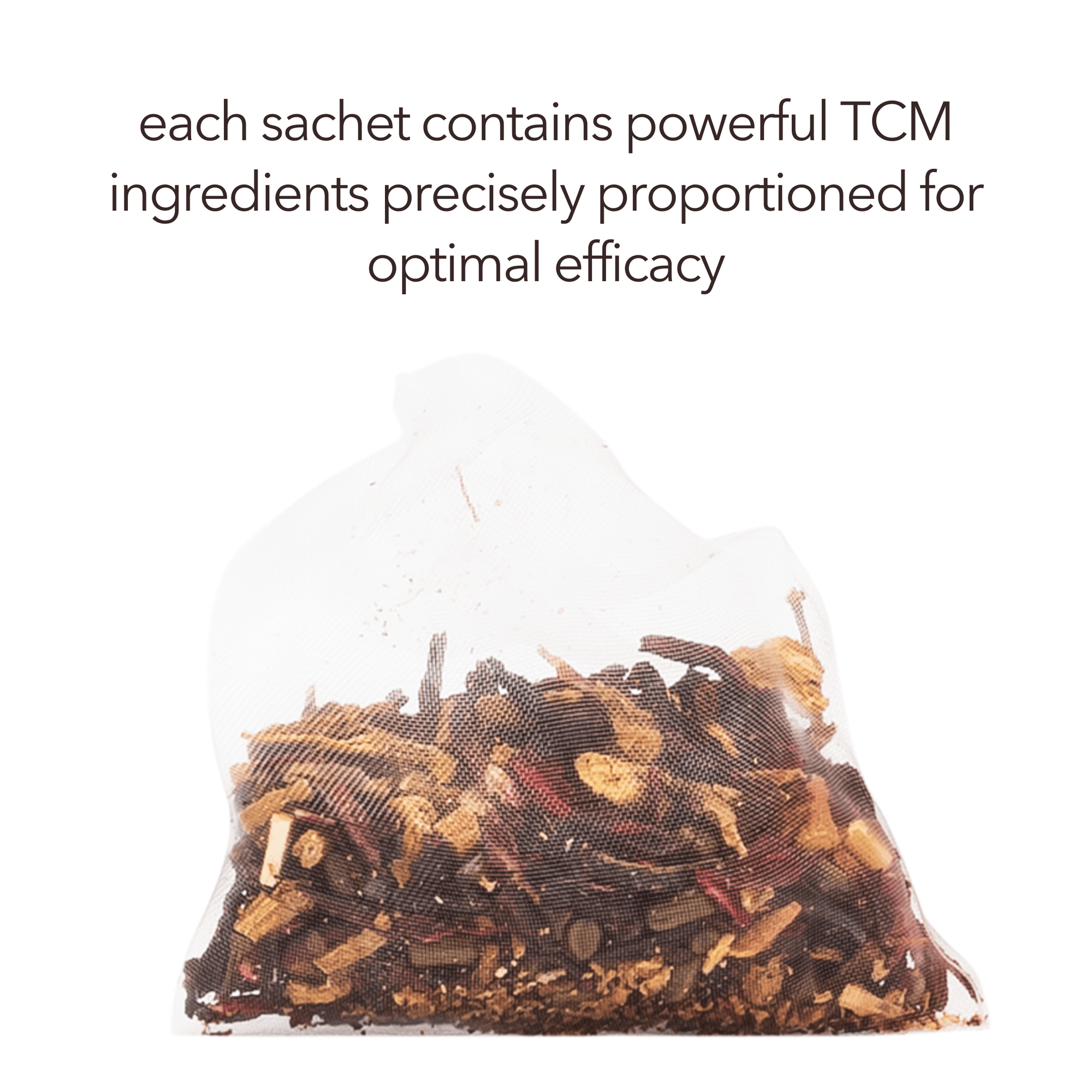
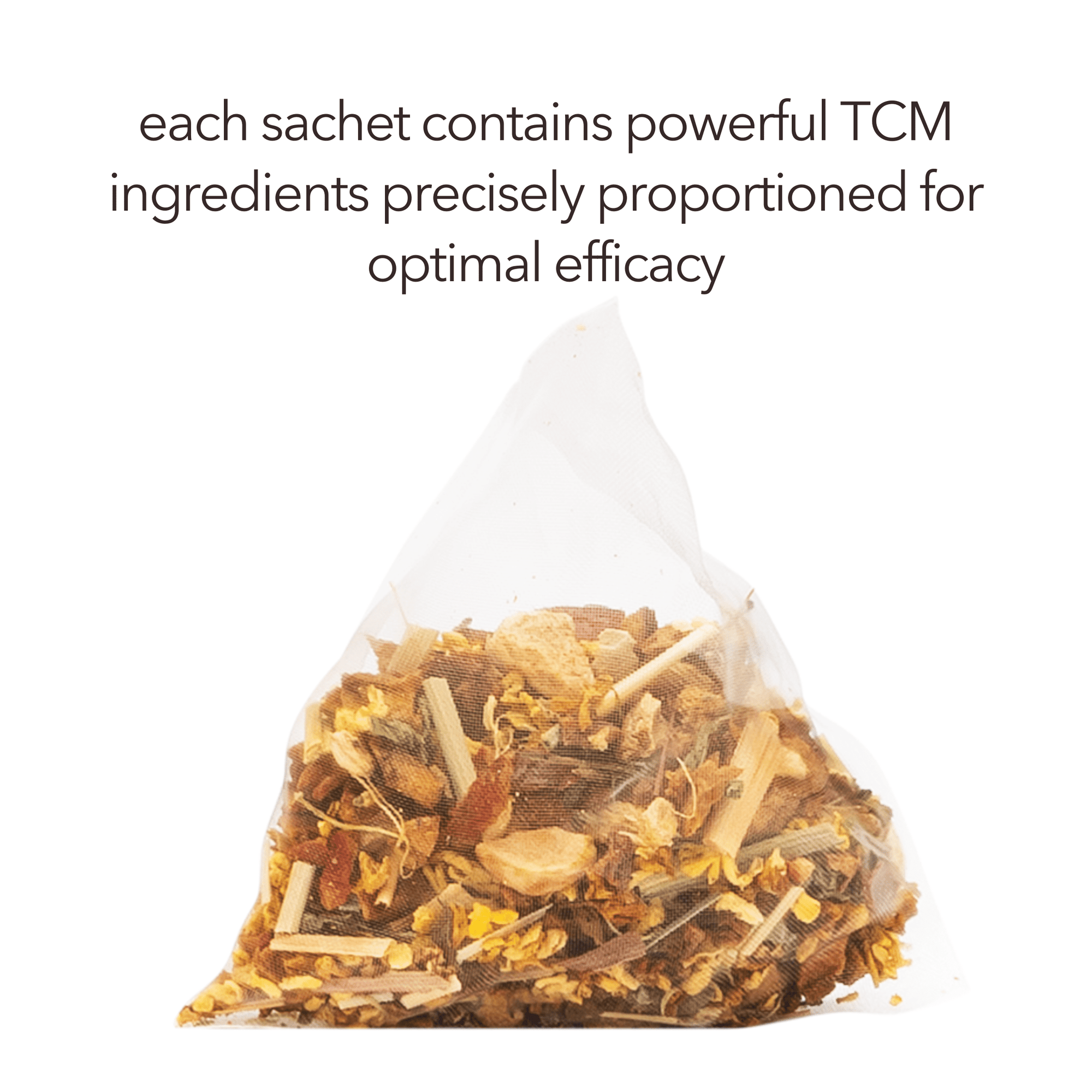
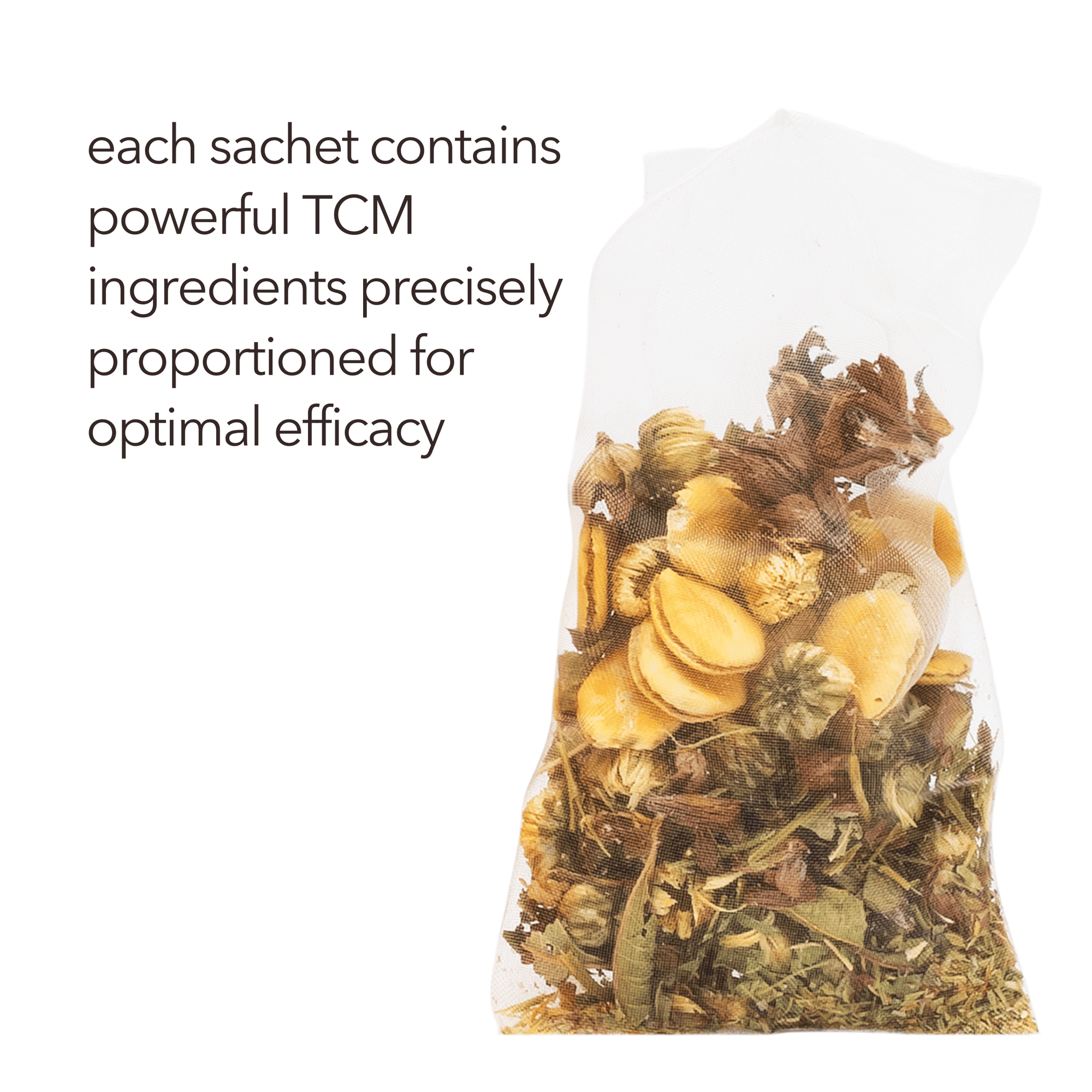
The qìsane Peppermint & Loquat blend draws from this same lineage. It carries the core botanical logic of this classic formula into a whole-ingredient tisane, using organic peppermint leaf, loquat leaf, organic ginger, balloon flower root, and organic licorice root. Each ingredient is visible within the sachet, caffeine-free, and suited to multiple steepings throughout the day.
How should you brew herbal tea for allergy relief?
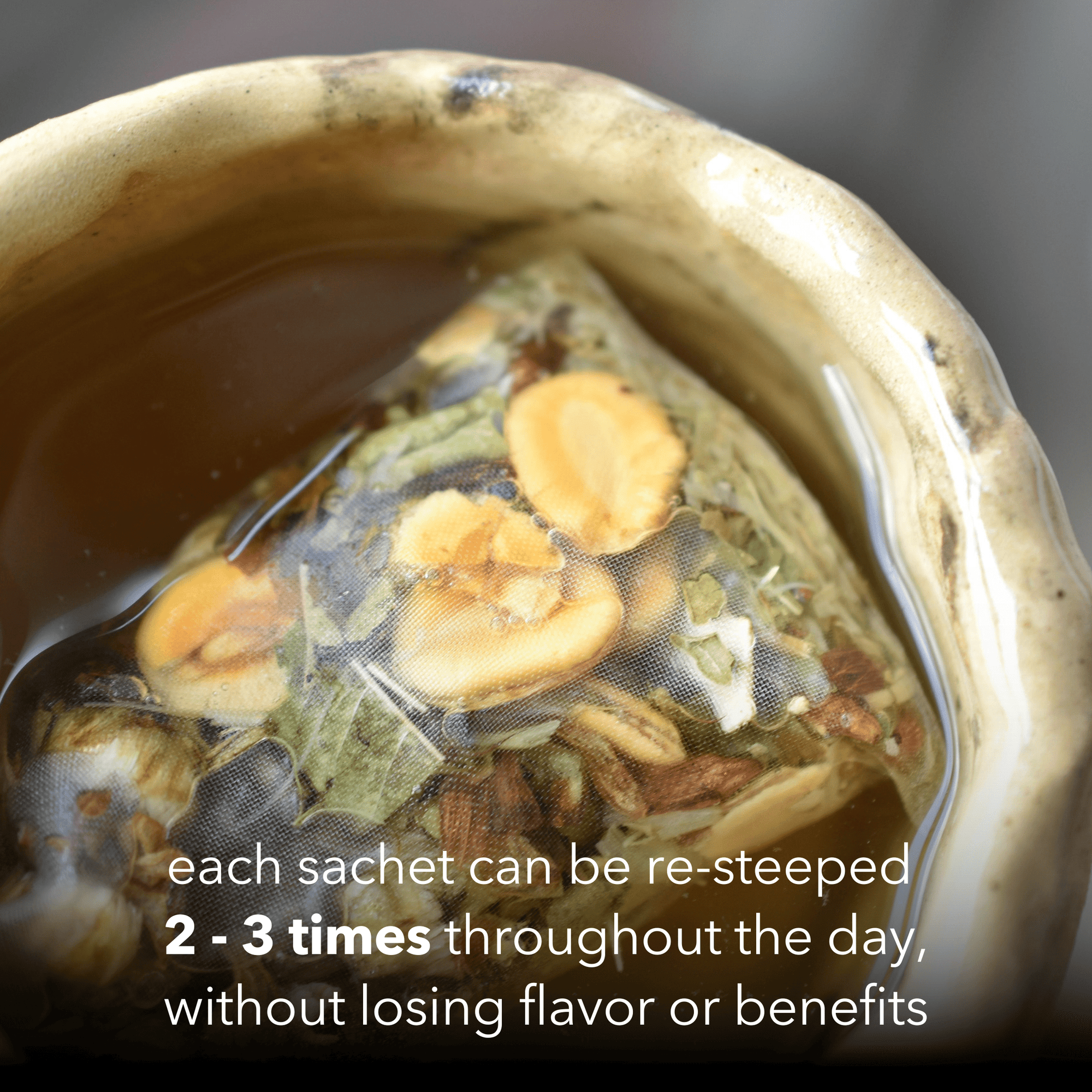
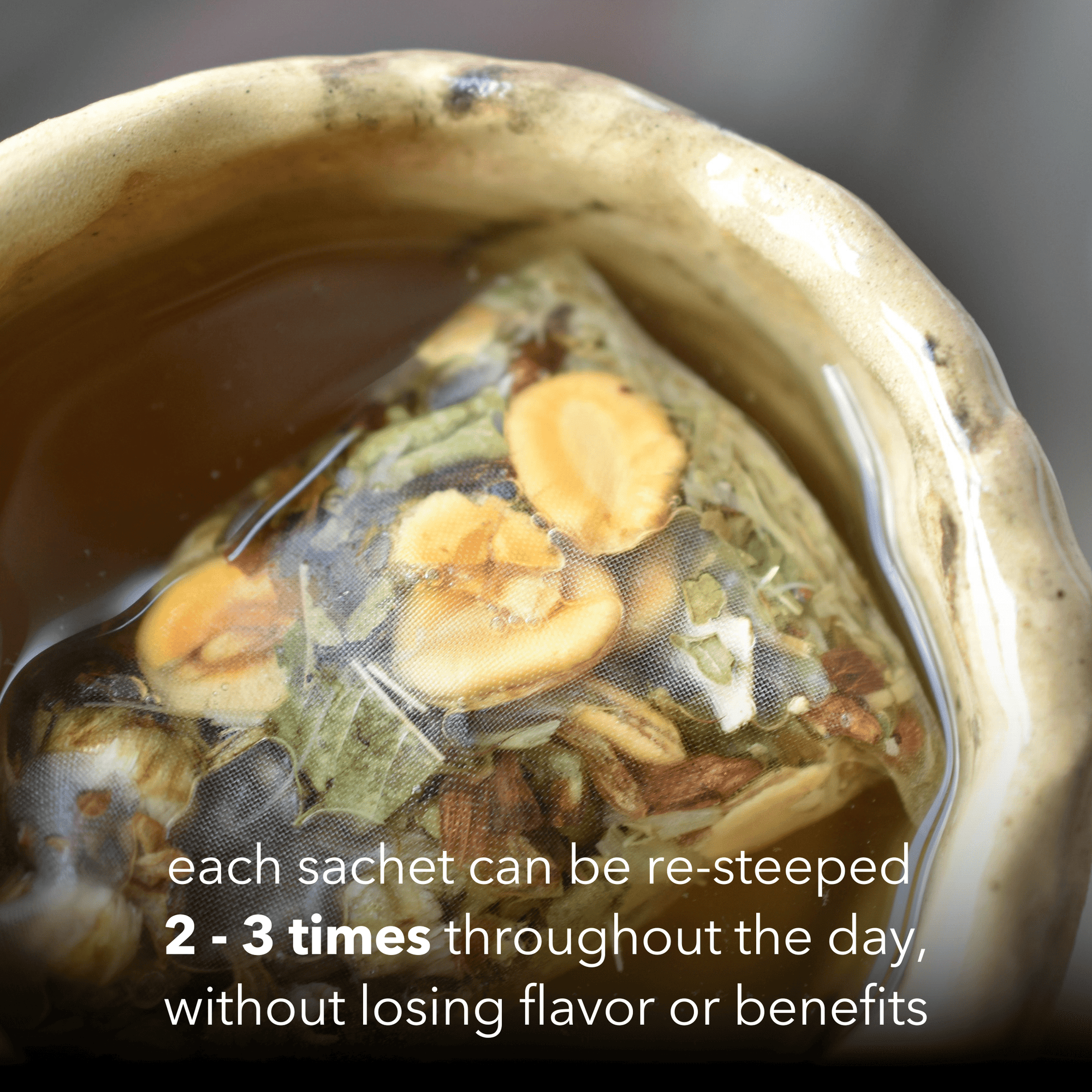
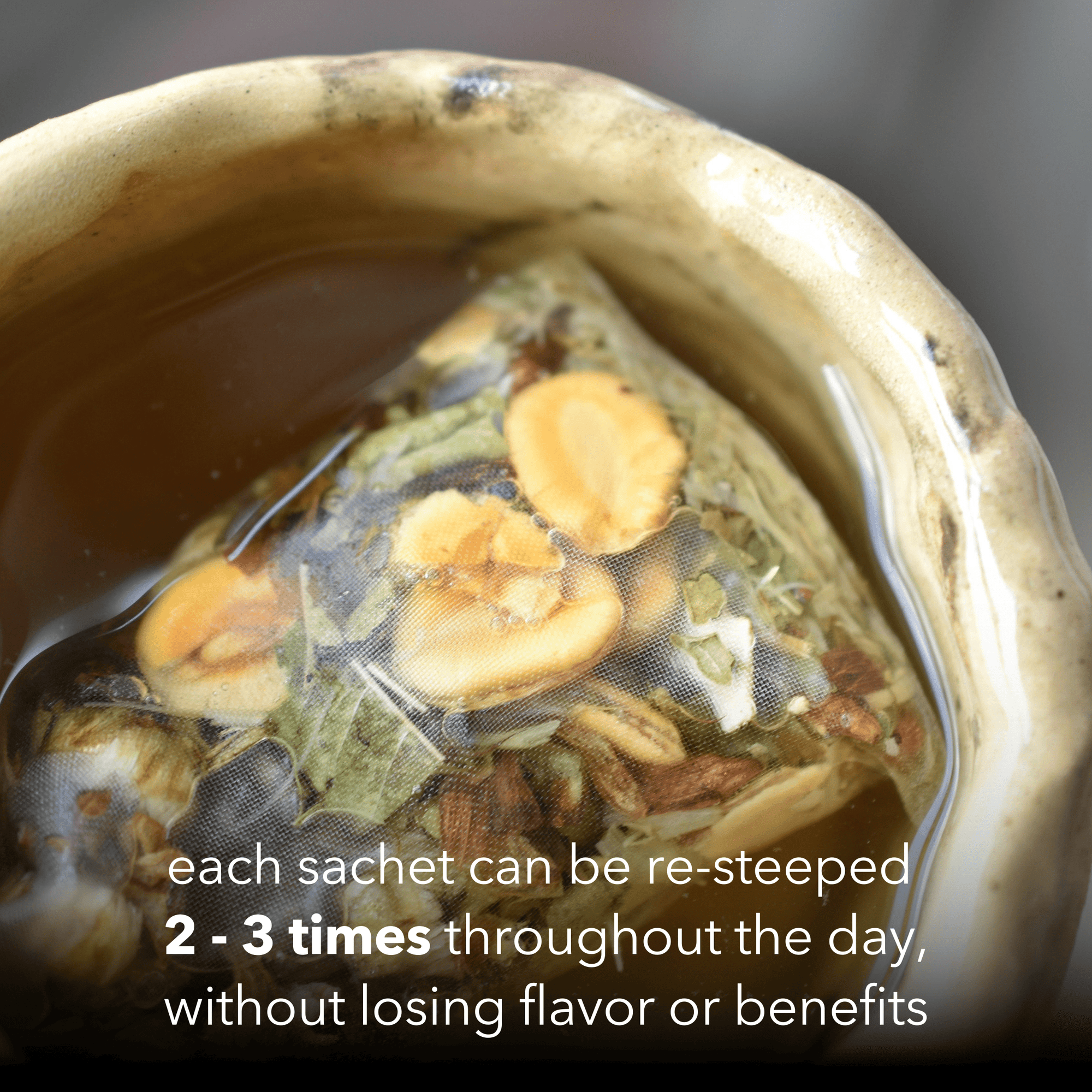
Whole-ingredient tisanes release their properties gradually, allowing a single sachet to support the body across multiple steepings.
A morning cup, steeped in freshly boiled water for six to seven minutes, brings forward the cooling clarity of peppermint. The steam itself can feel supportive when inhaled gently before drinking. A second steep in the afternoon draws out deeper notes from ginger and licorice root, creating a more grounding cup.
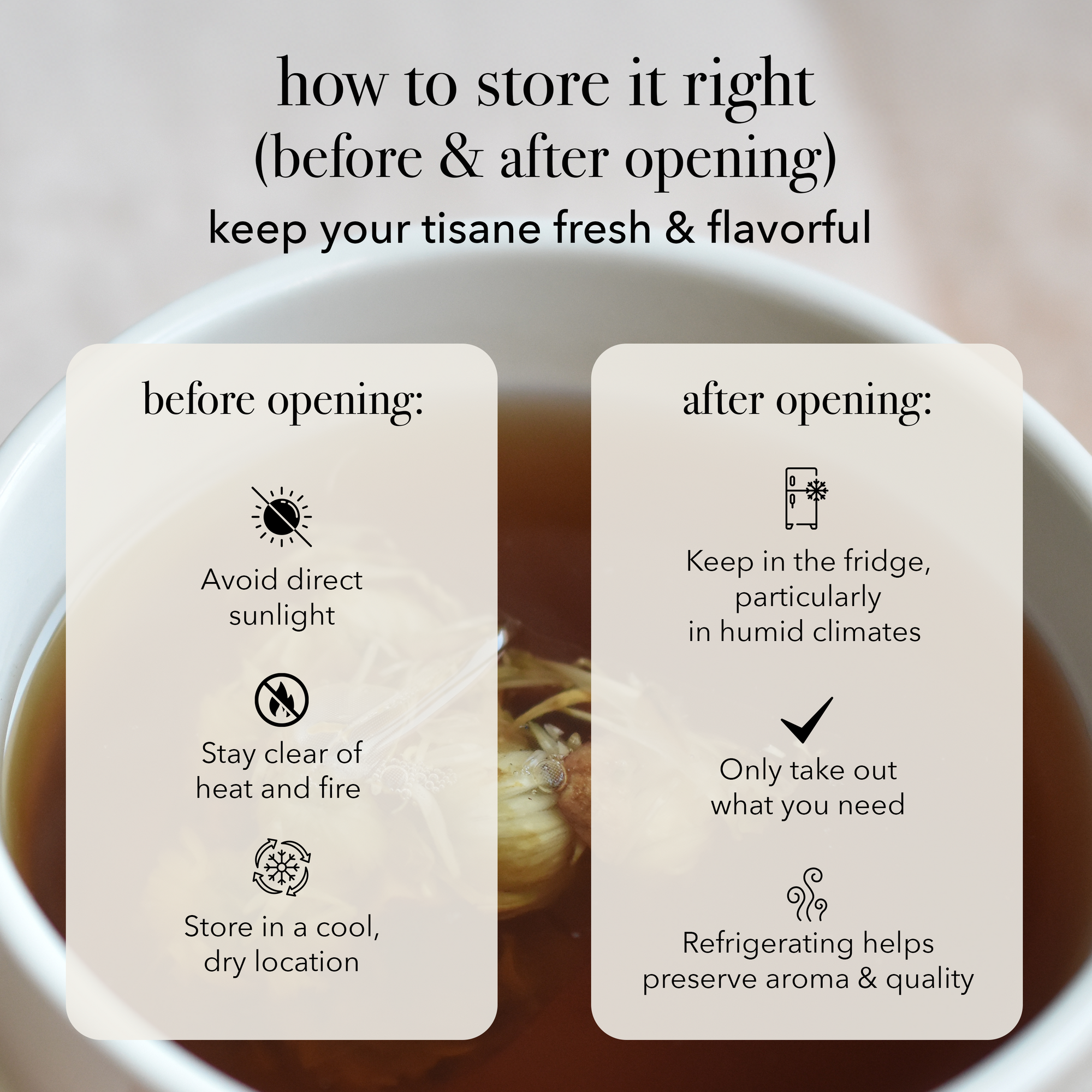
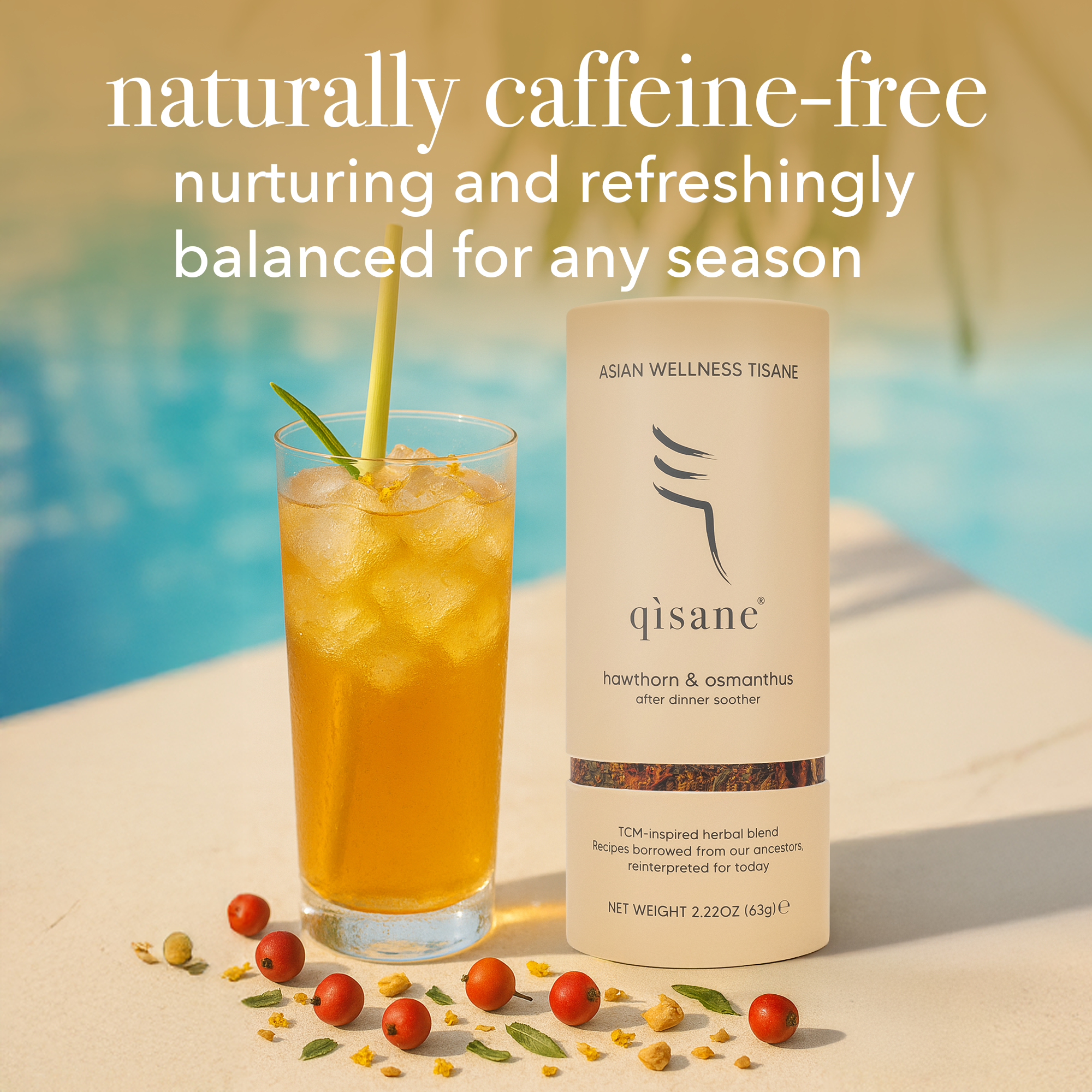
Cold brewing is also well suited to warmer days. Placing a sachet in water and refrigerating for several hours produces a smooth, refreshing infusion while preserving the functional qualities of the herbs.
Because these blends are naturally caffeine-free, they can be enjoyed throughout the day, including in the evening when congestion often feels more noticeable.
Can you pair respiratory and immune support during allergy season?
Respiratory comfort and immune support are closely connected, particularly during seasonal transitions when the body is under sustained environmental pressure.
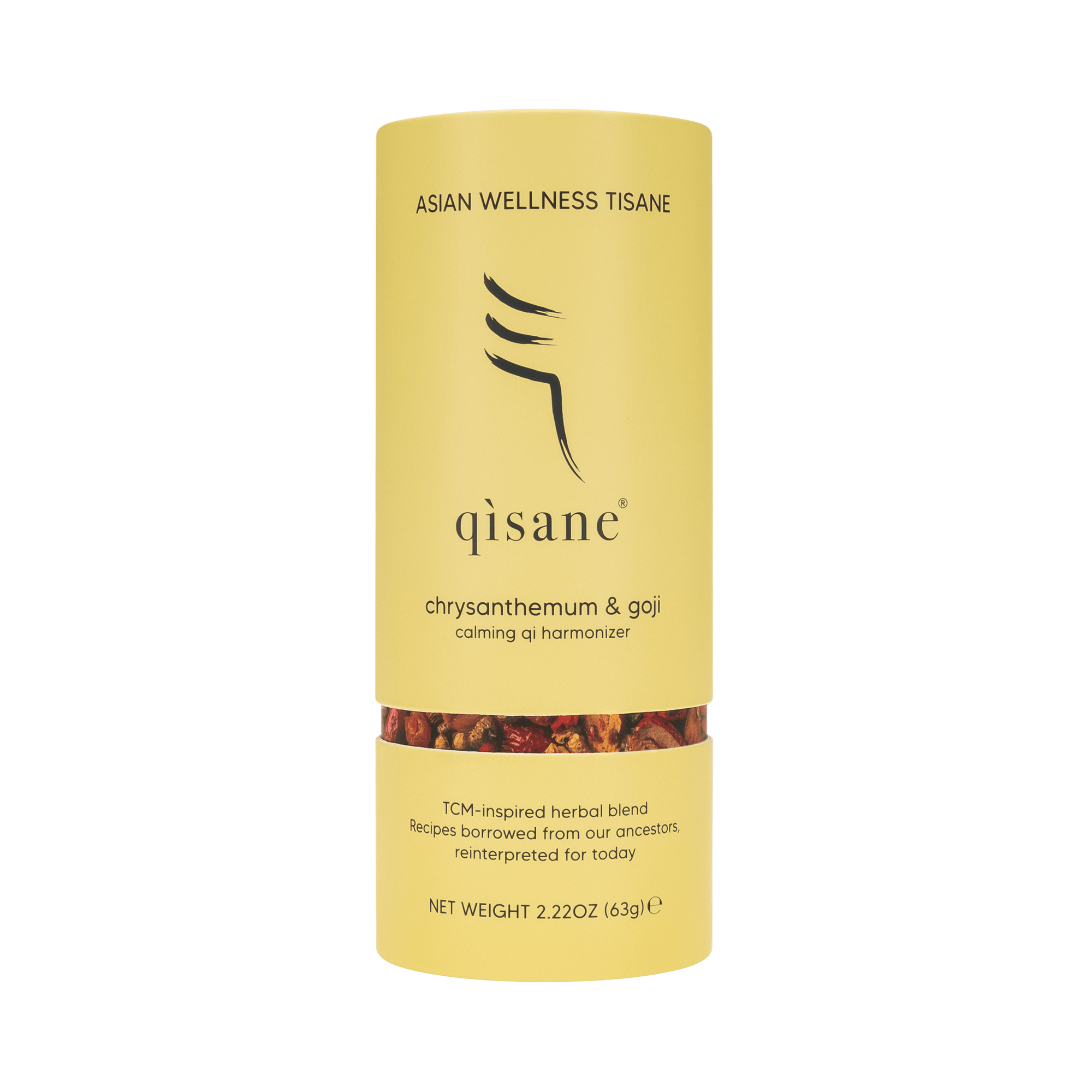
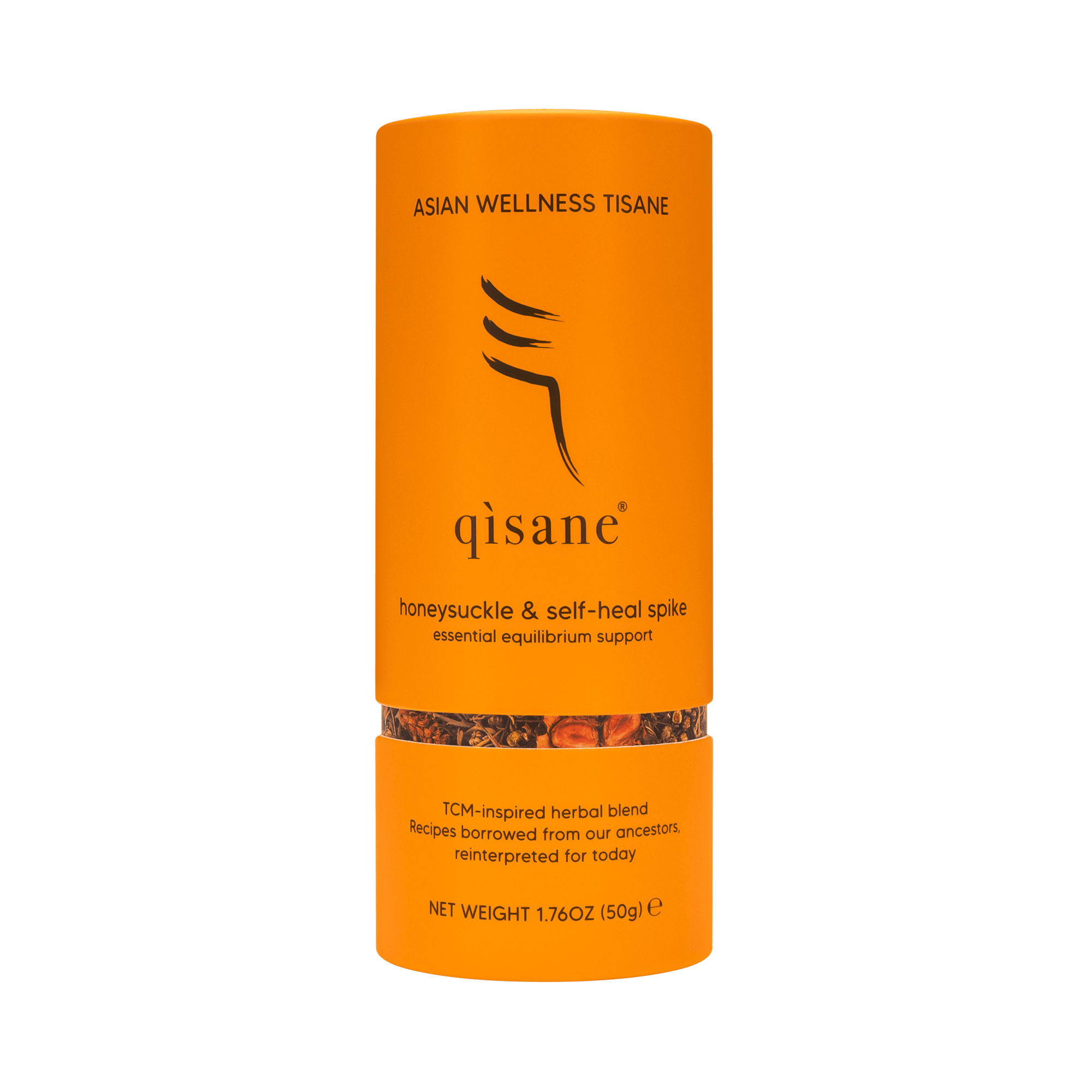
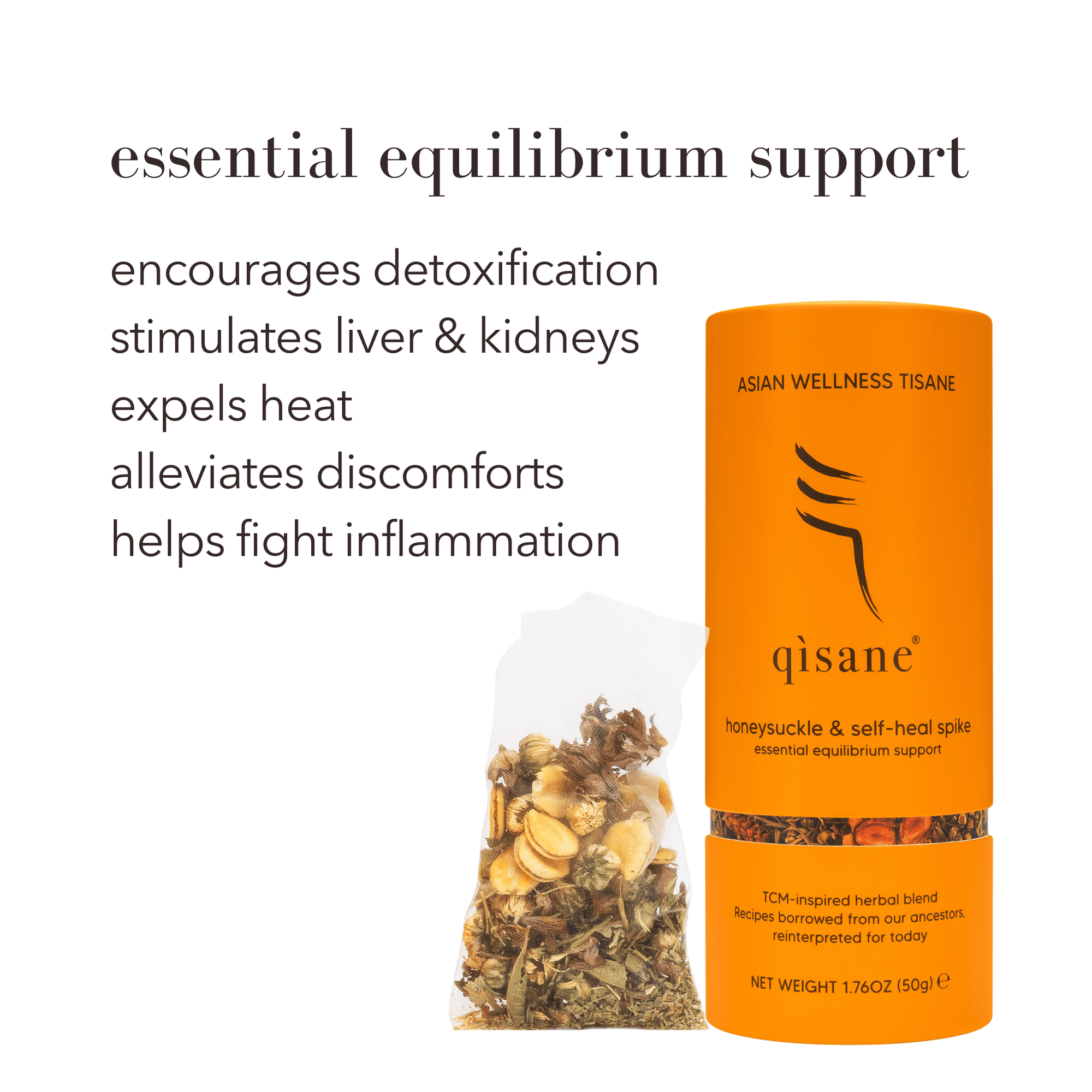
Honeysuckle and self-heal spike are two botanicals traditionally used to support immune balance and reduce internal heat. In the qìsane Honeysuckle & Self-Heal Spike blend, they offer a complementary approach to seasonal support, working alongside respiratory-focused formulas rather than replacing them.
What makes a herbal tea effective for allergies?
Effectiveness depends not only on which herbs are used, but how they are prepared and combined.
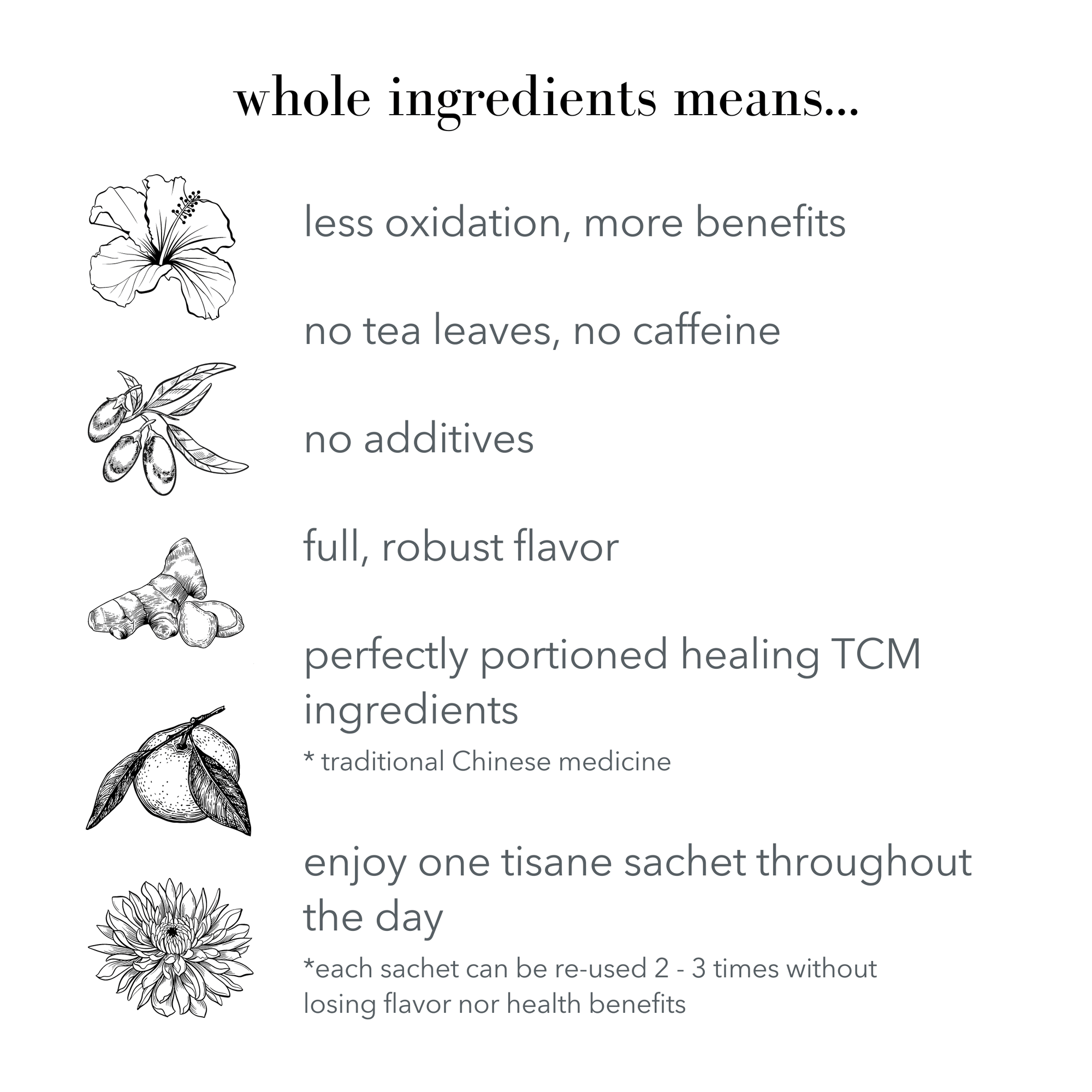
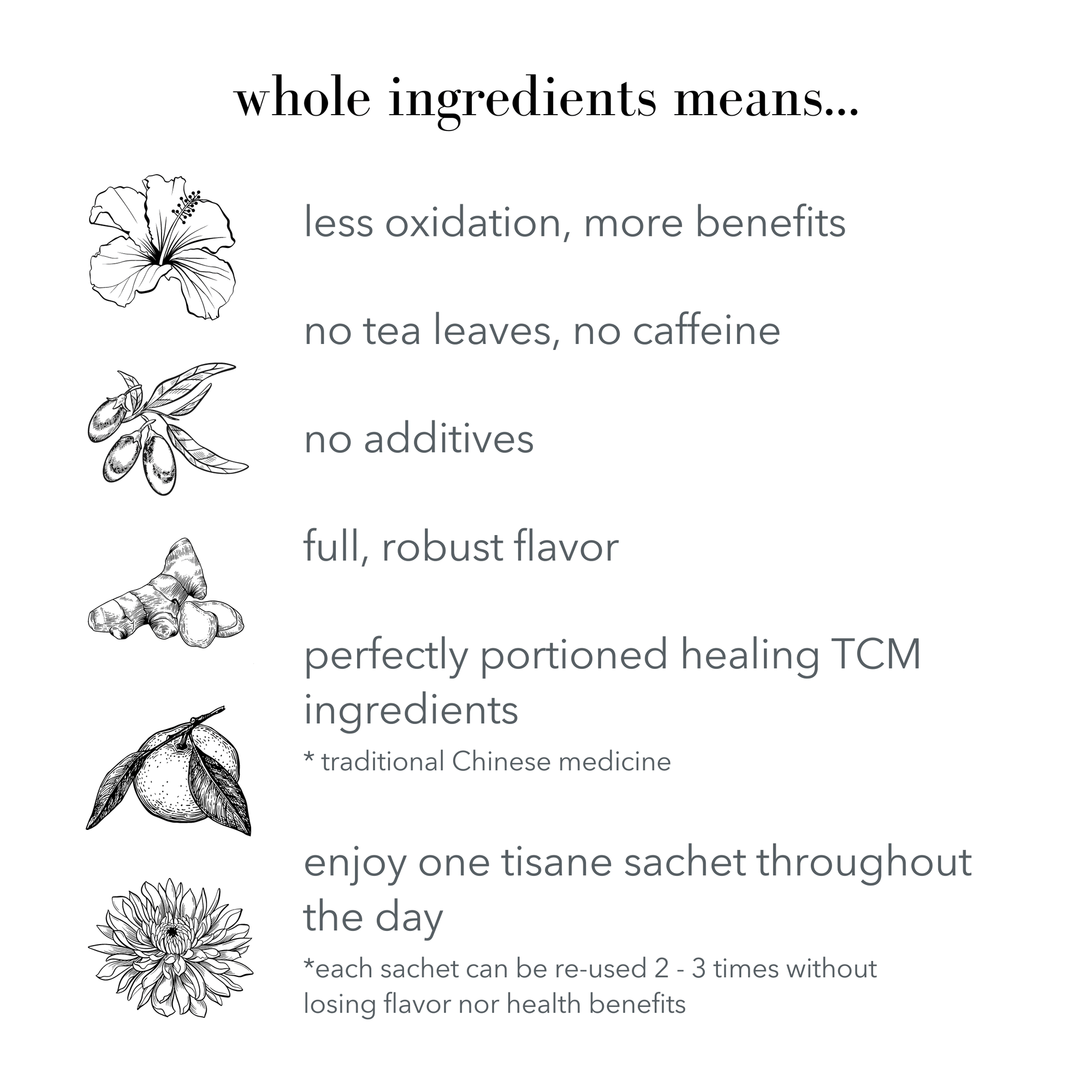
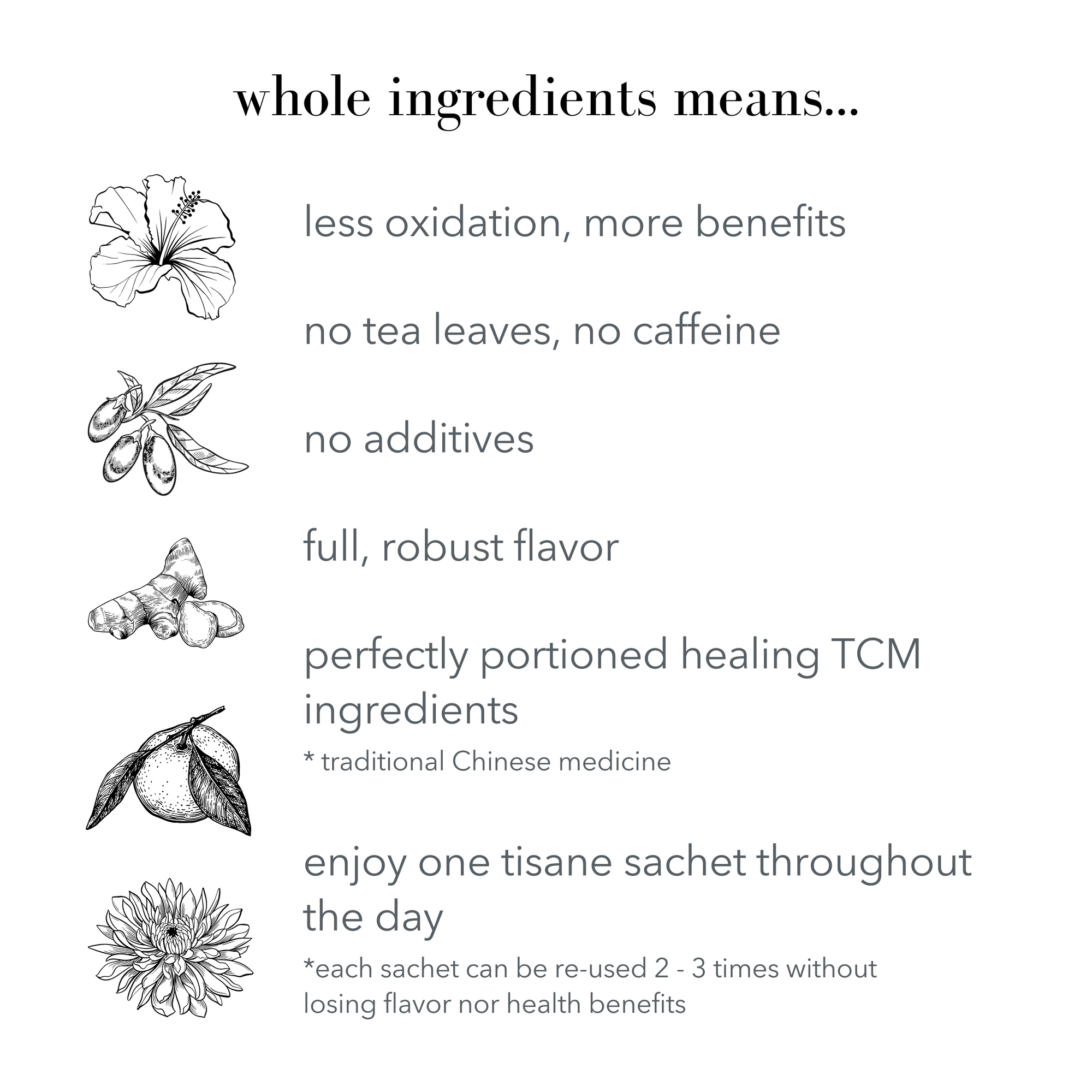
Whole botanicals retain more of their natural oils, flavonoids, and active compounds compared to finely ground tea bag blends. They also allow for multiple steepings, extending both the experience and the functional benefit.
Equally important is formulation. The most effective blends are designed with balance in mind, combining ingredients that support different aspects of respiratory comfort while working together cohesively. This principle of synergy, rather than isolated function, is what distinguishes traditional herbal formulation from more fragmented approaches.
For those exploring herbal support for the first time, the Discovery Set offers a way to experience multiple blends and understand how different formulations feel within the body.
Frequently asked questions
What is the best herbal tea for seasonal allergies?
Herbal teas that support respiratory function, such as those containing peppermint, loquat leaf, balloon flower root, ginger, and licorice root, are widely used for seasonal allergies. These botanicals help open the airways, reduce inflammation, and support mucus clearance.
Can herbal tea help with sinus congestion?
Yes. Peppermint contains menthol, which helps open nasal passages, while ginger supports reduced inflammation in the airways. Drinking a hot tisane and inhaling the steam can provide additional comfort.
Is peppermint tea good for allergies?
Peppermint is commonly used for allergy-related symptoms due to its cooling and decongesting properties. It helps create a clearer breathing experience and supports relief from sinus pressure.
What are the benefits of loquat leaf tea?
Loquat leaf has expectorant and anti-inflammatory properties. It helps loosen mucus, soothe throat irritation, and has been studied for its role in moderating allergic responses.
Are herbal teas for allergies caffeine-free?
Yes. Herbal tisanes are naturally caffeine-free and can be consumed throughout the day without affecting sleep, making them suitable for consistent use during allergy season.
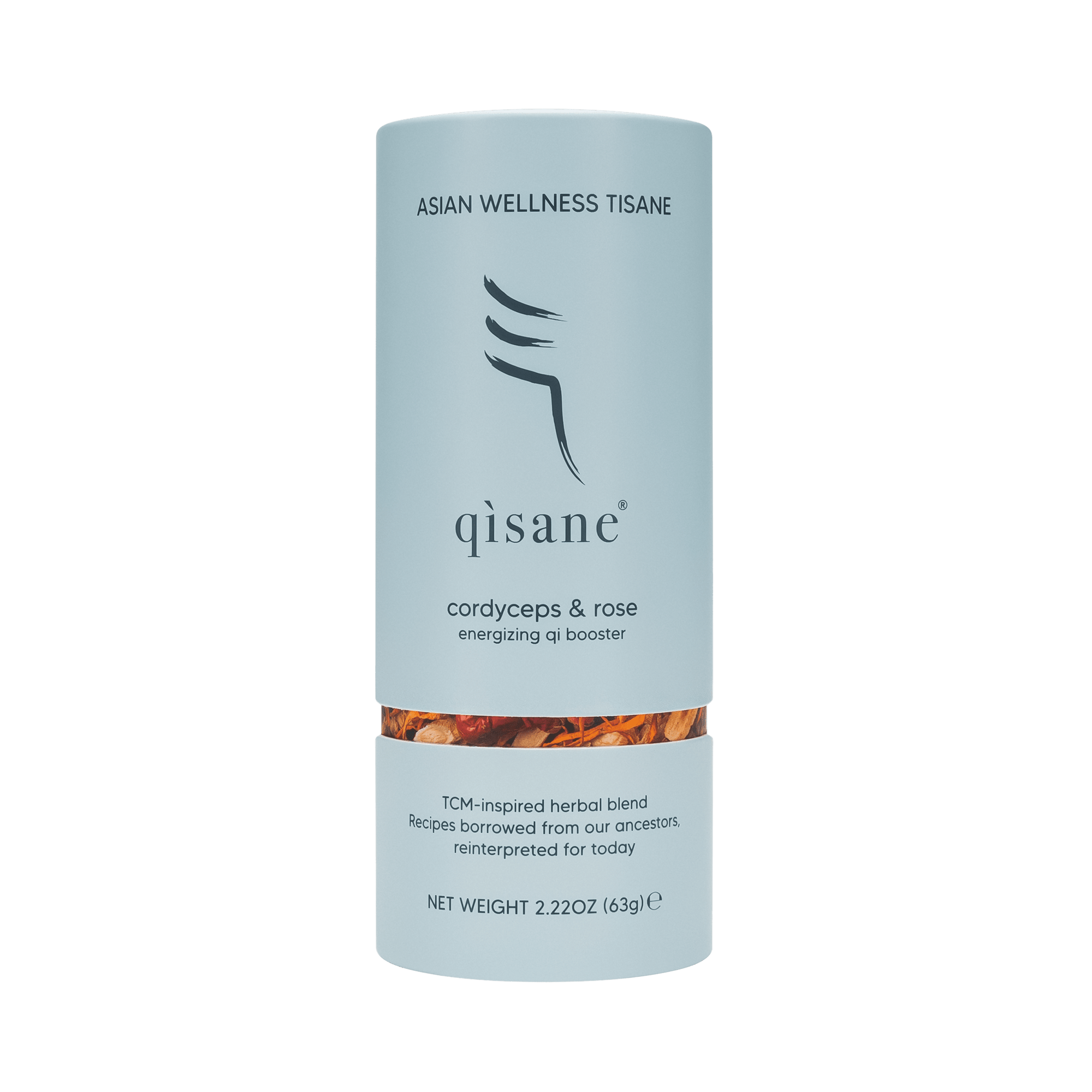
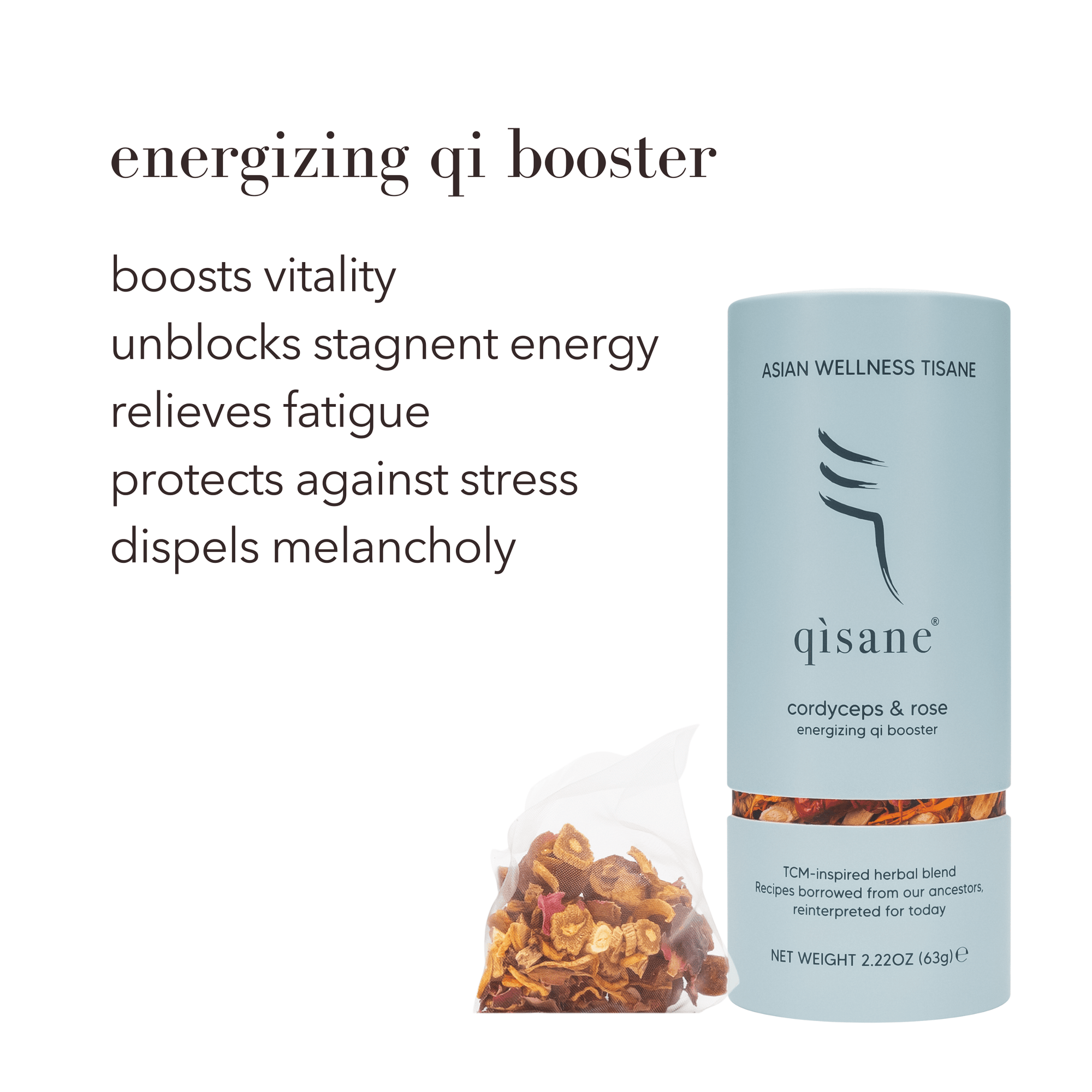
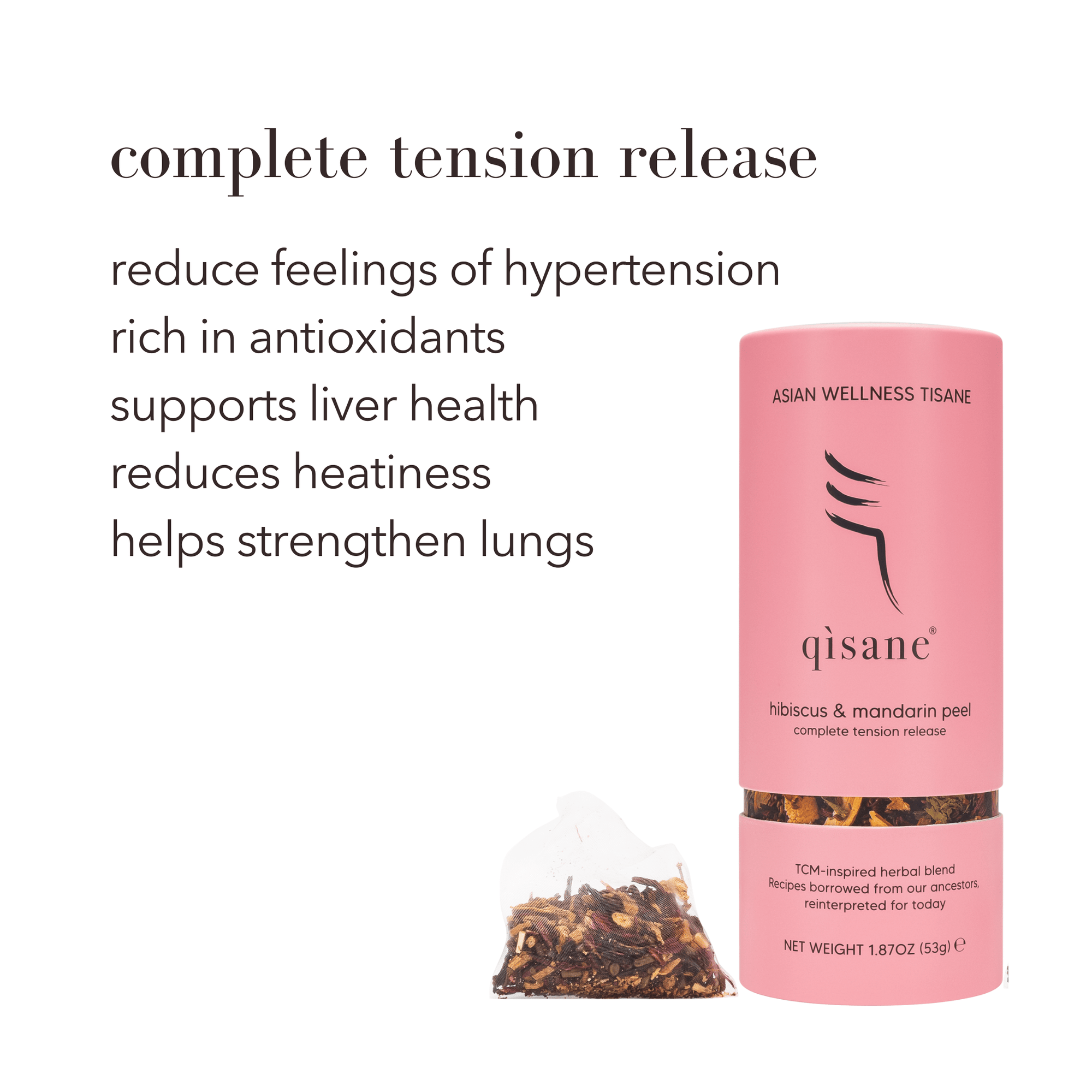
qìsane tisanes are crafted from whole, visible botanicals rooted in Traditional Chinese Medicine and Asian herbal practices, shaped into blends designed for modern daily use. Each formula is caffeine-free, additive-free, and composed to support specific functions such as respiratory comfort, immune balance, and digestive ease.
Explore Peppermint & Loquat for clear breathing and throat comfort, or pair with Honeysuckle & Self-Heal Spike for broader seasonal support. The Discovery Set offers a way to experience the full collection and find what feels most supportive during allergy season.
Related reading: Why Singers Are Turning to Peppermint & Loquat for Vocal Care
These statements have not been evaluated by the Food and Drug Administration. This product is not intended to diagnose, treat, cure, or prevent any disease.