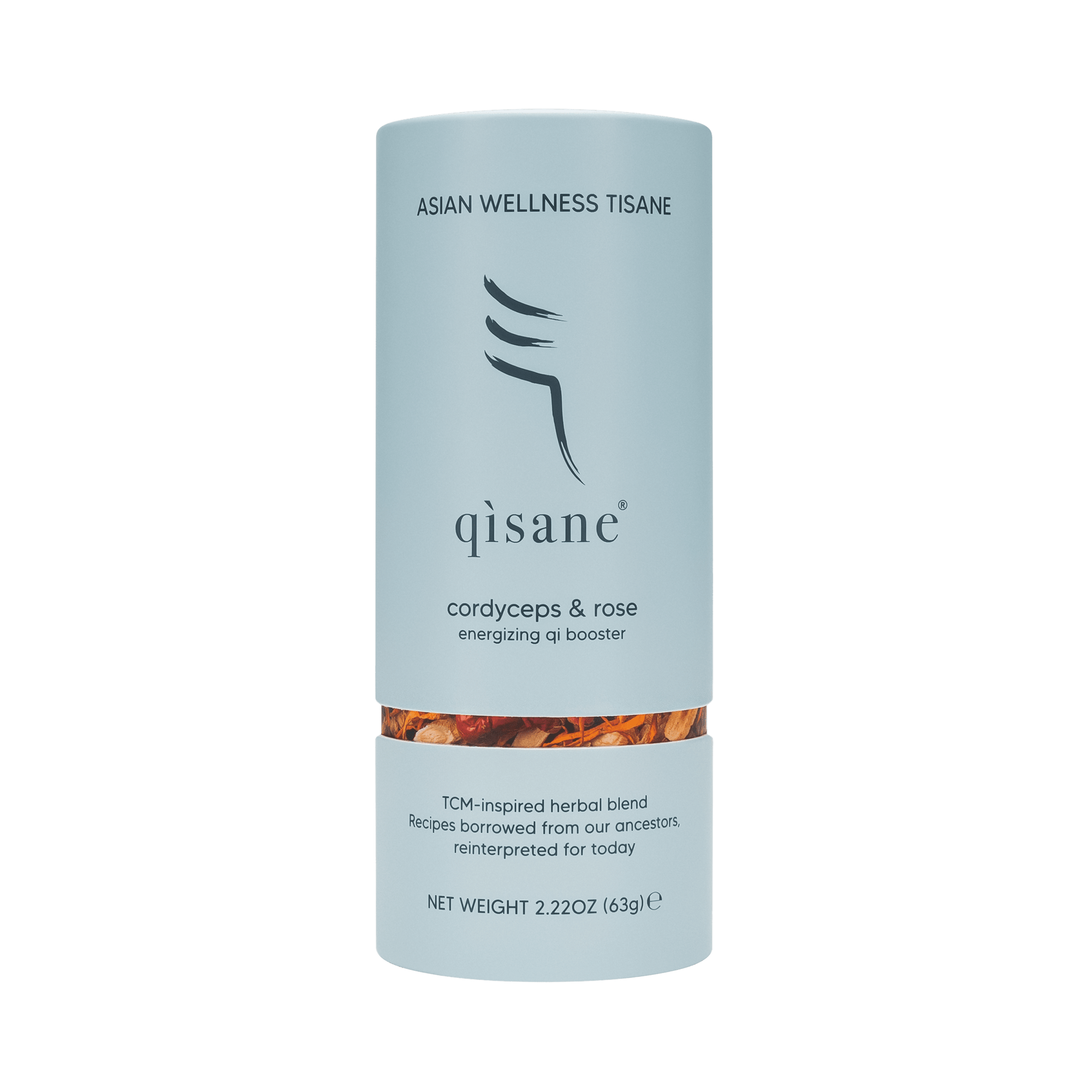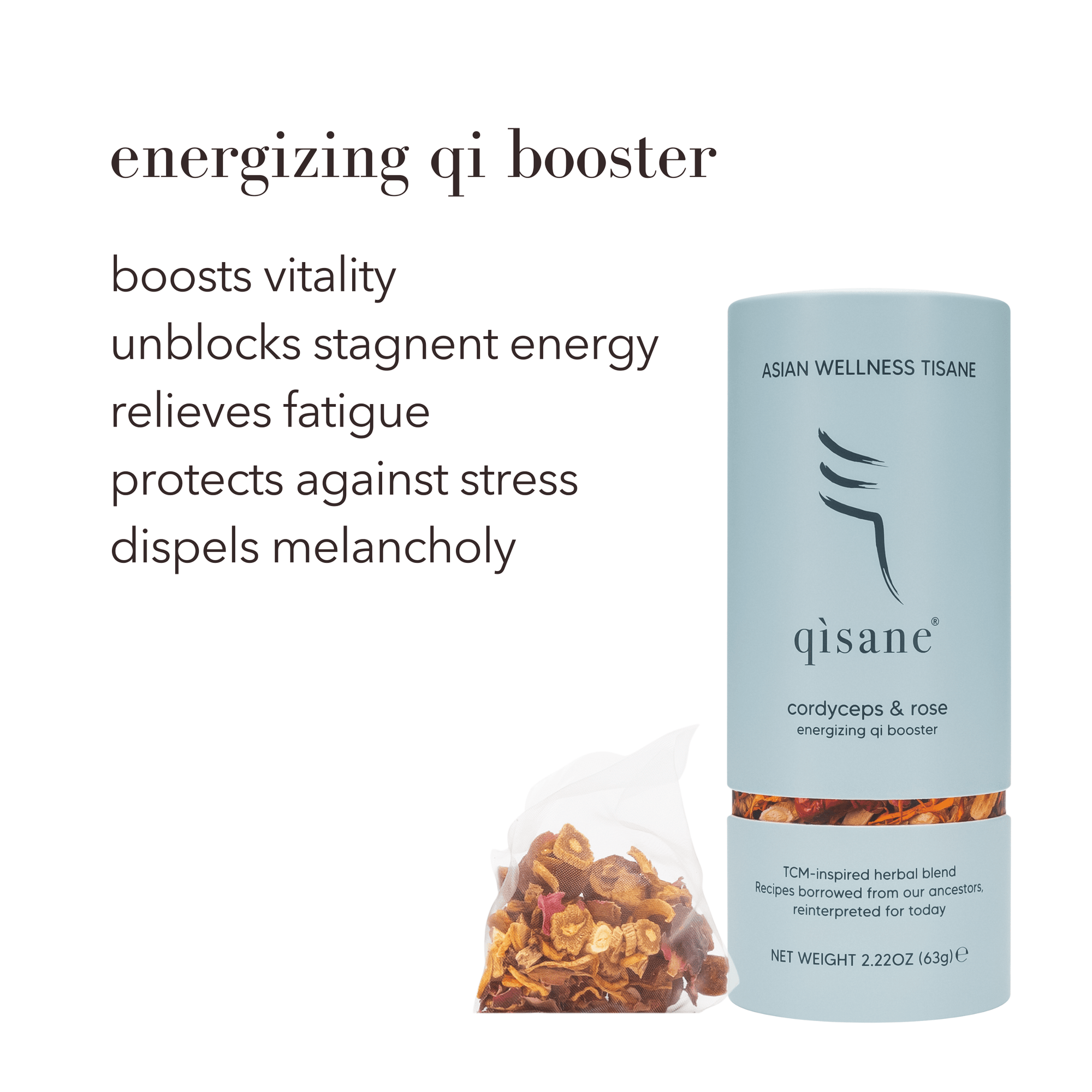


A good herbal tea makes it easy to understand what you are drinking. Start with a clear ingredient list, identifiable plant parts, sensible preparation instructions and specific answers about sourcing or testing. Attractive flowers and a beautiful tin can be part of the pleasure, but neither is proof that a tea delivers a particular health benefit.
If you want a functional tisane—an infusion chosen for a purpose as well as its flavor—the useful question is not simply “How strong is it?” It is “What is in this cup, why was it chosen, and what supports the claims being made?” Here is a practical way to find out.
1. Read the full ingredient list, not just the blend name
A name usually introduces the leading flavors rather than the complete recipe. Look for the other herbs, fruits, flowers and sweetening ingredients before deciding whether the blend suits you.
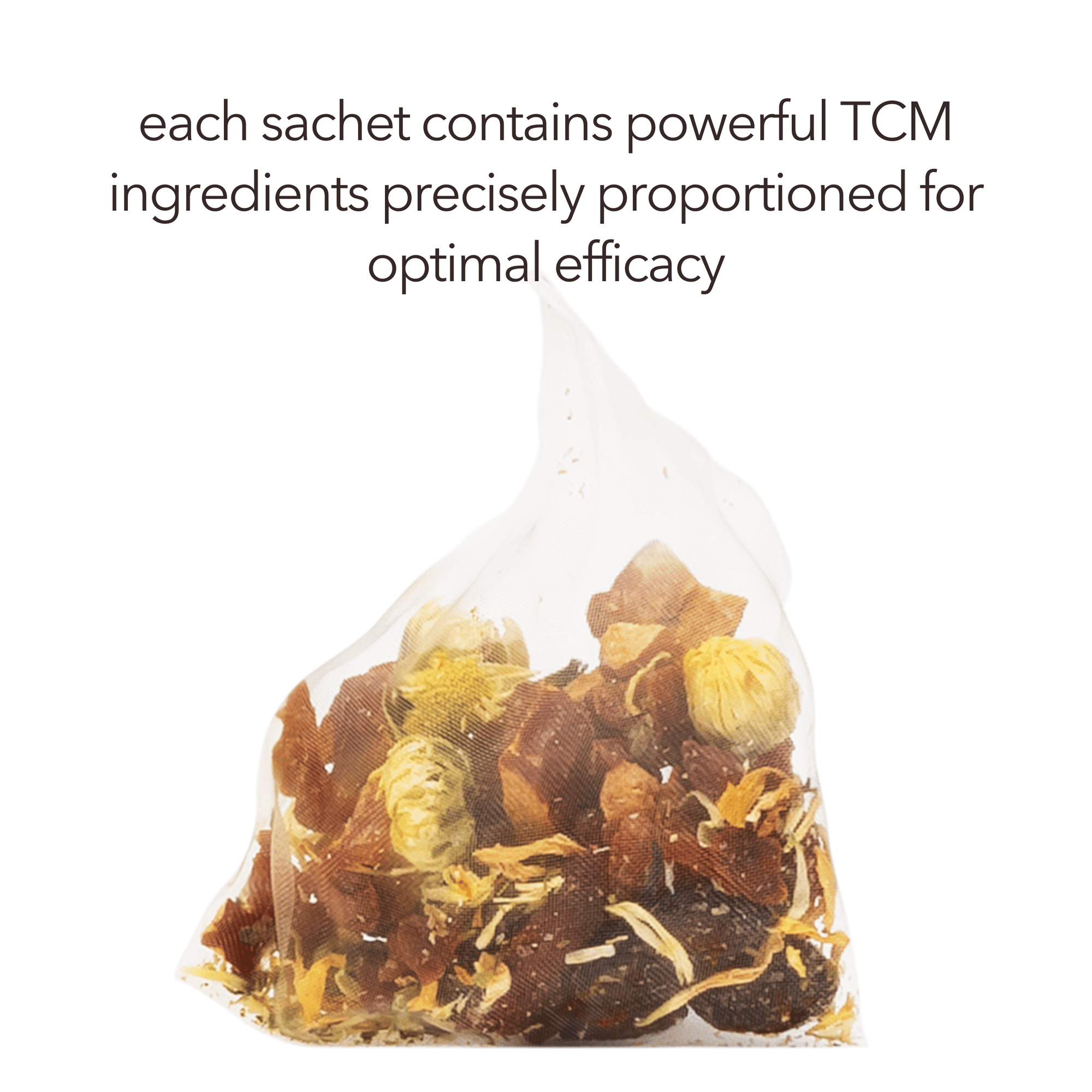
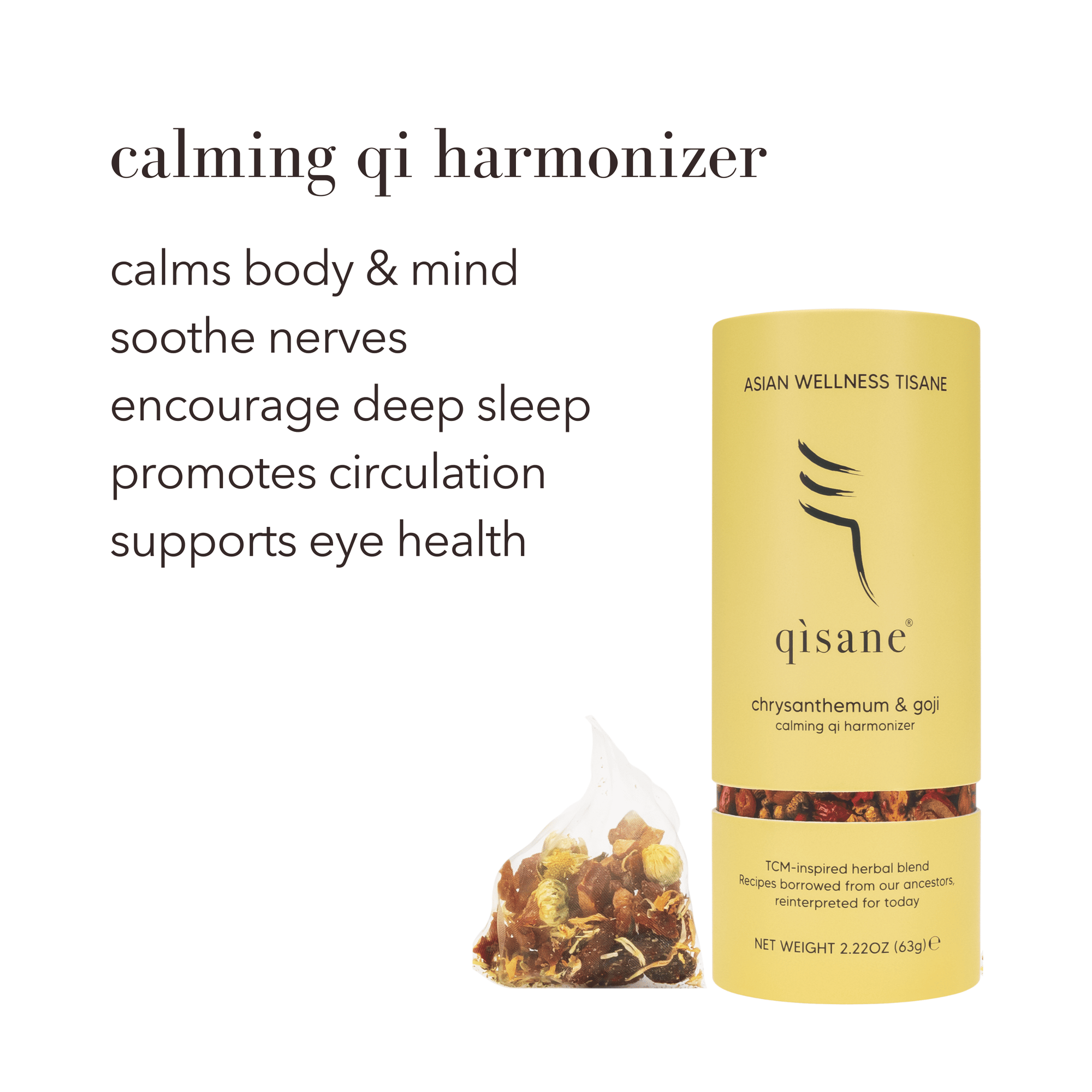
For example, chrysanthemum & goji contains chrysanthemum flowers, organic goji berries, jujube dates and longans. The flowers create the floral character; the fruits round out the cup. Knowing the whole list gives you a more useful picture than judging it as a two-ingredient tea.
Plant parts matter, too. A leaf, fruit, root and seed from the same plant are not interchangeable. qìsane’s peppermint & loquat, for instance, contains loquat leaf, not loquat fruit. That distinction matters when you read about an ingredient’s traditional uses or research.
2. Notice the botanicals without making appearance do too much
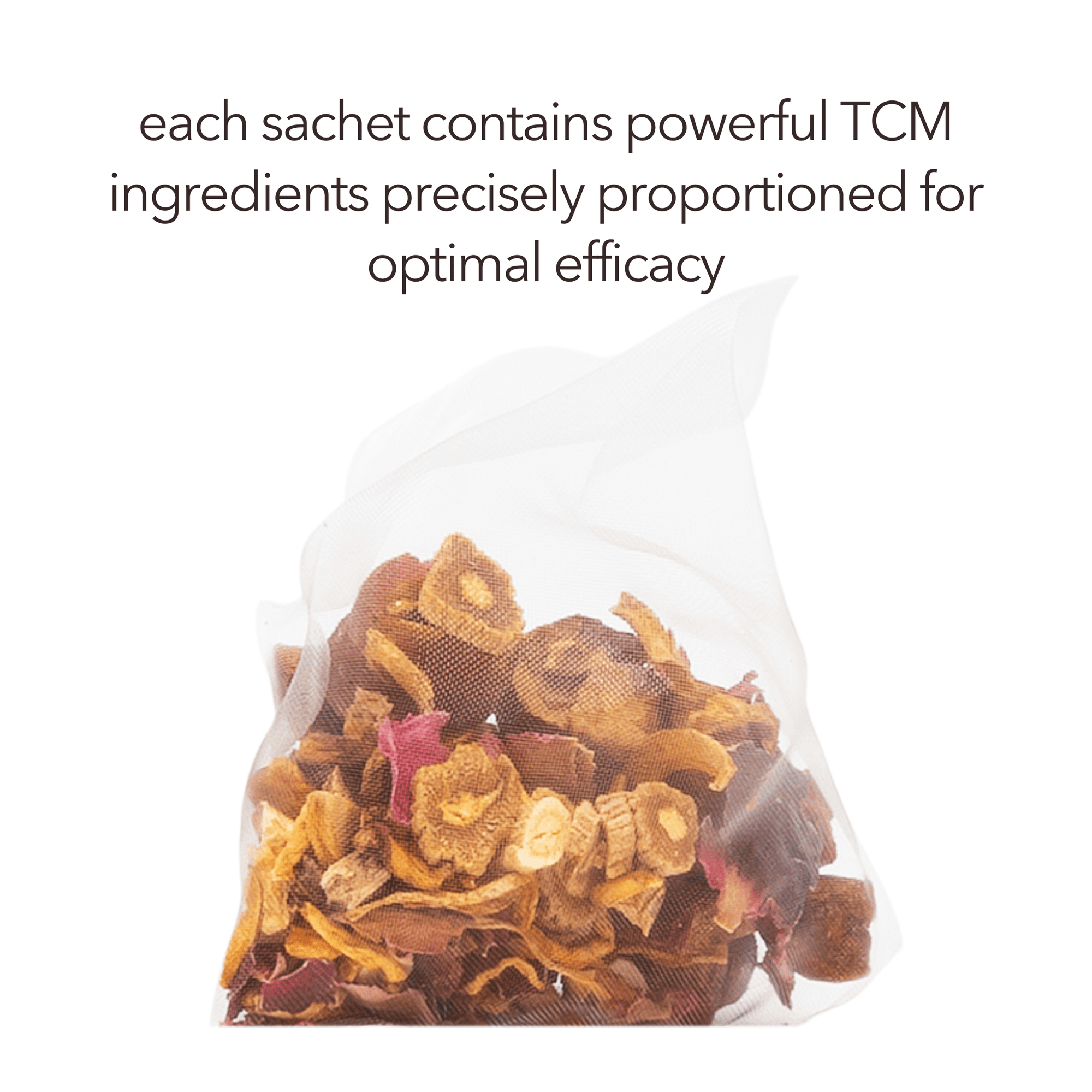
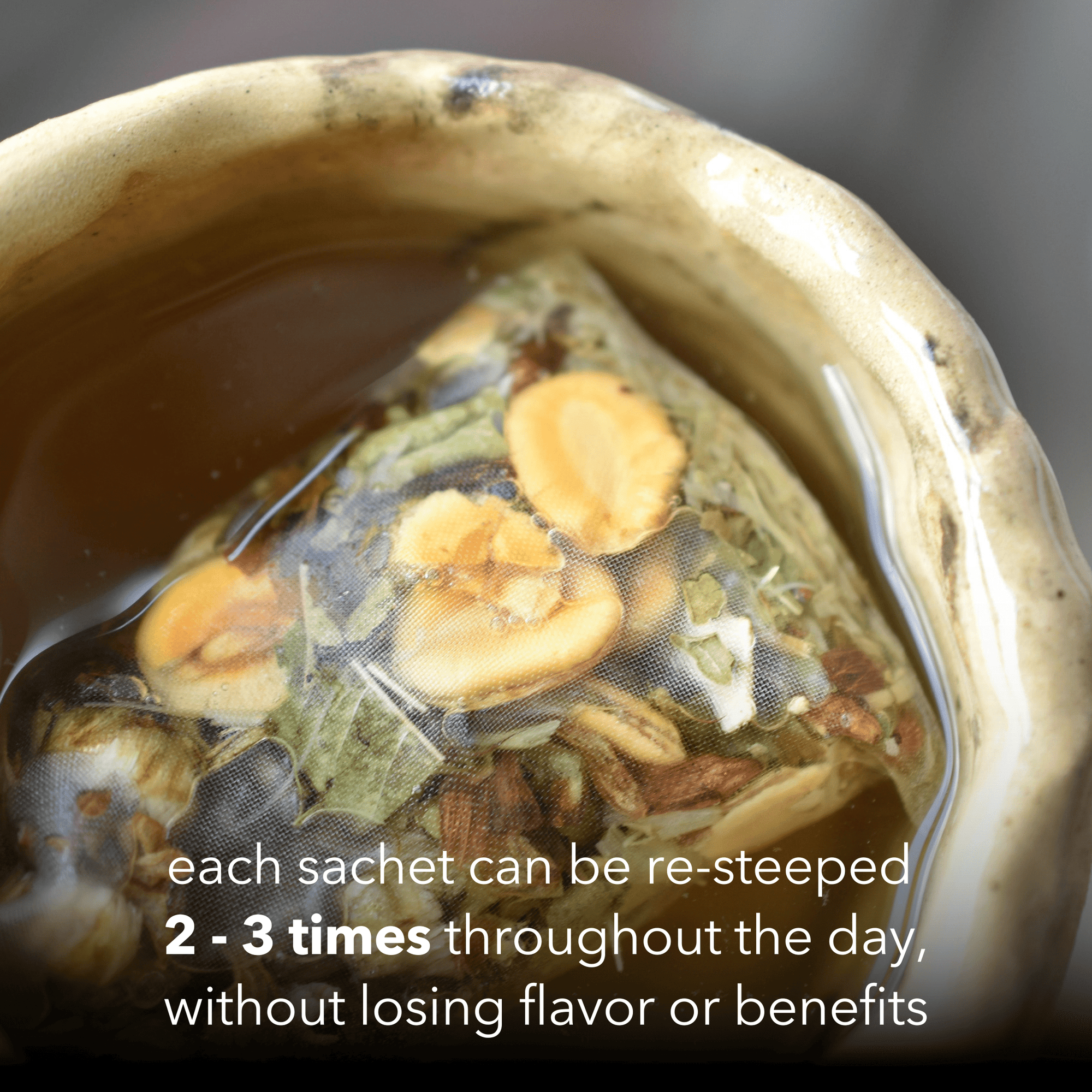
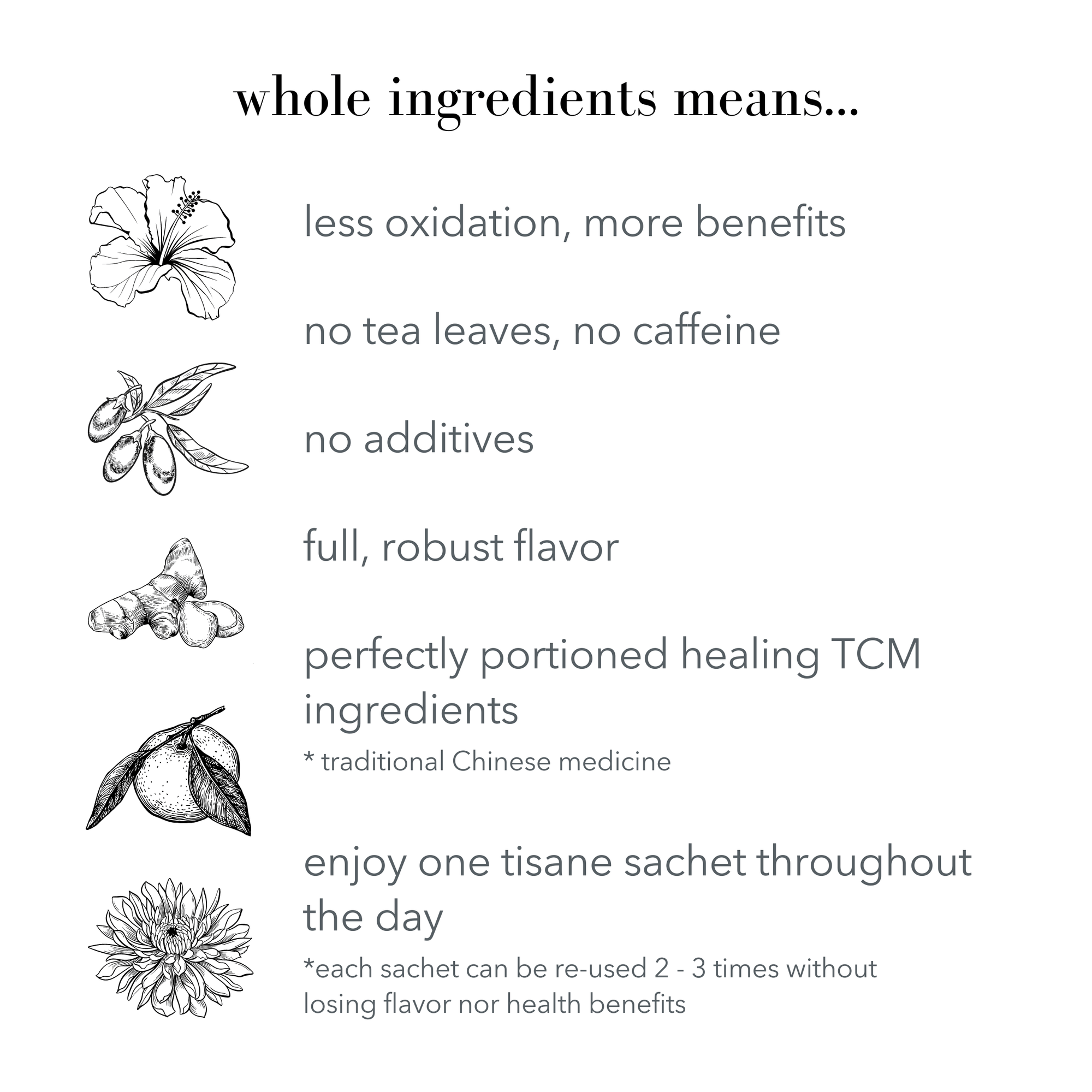
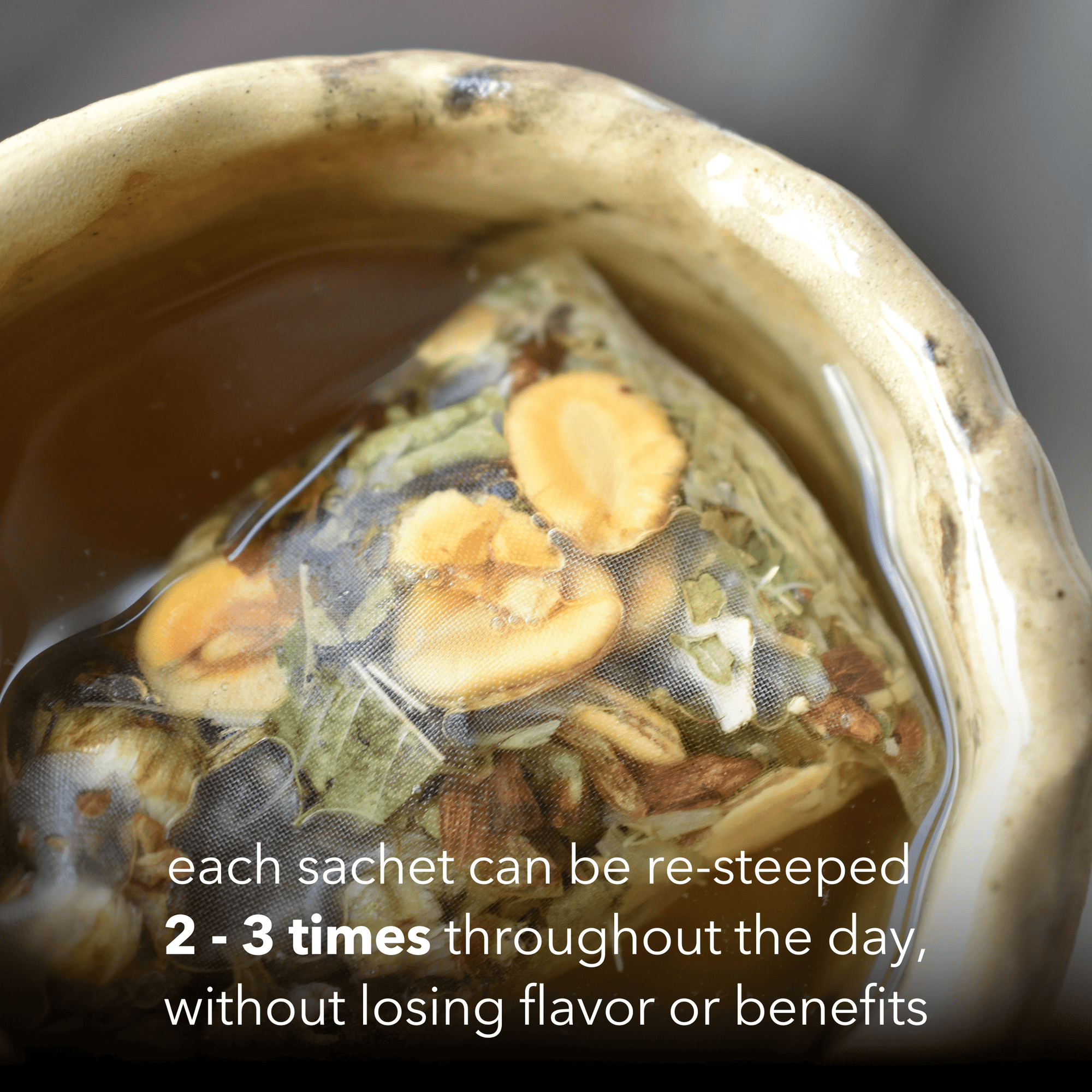
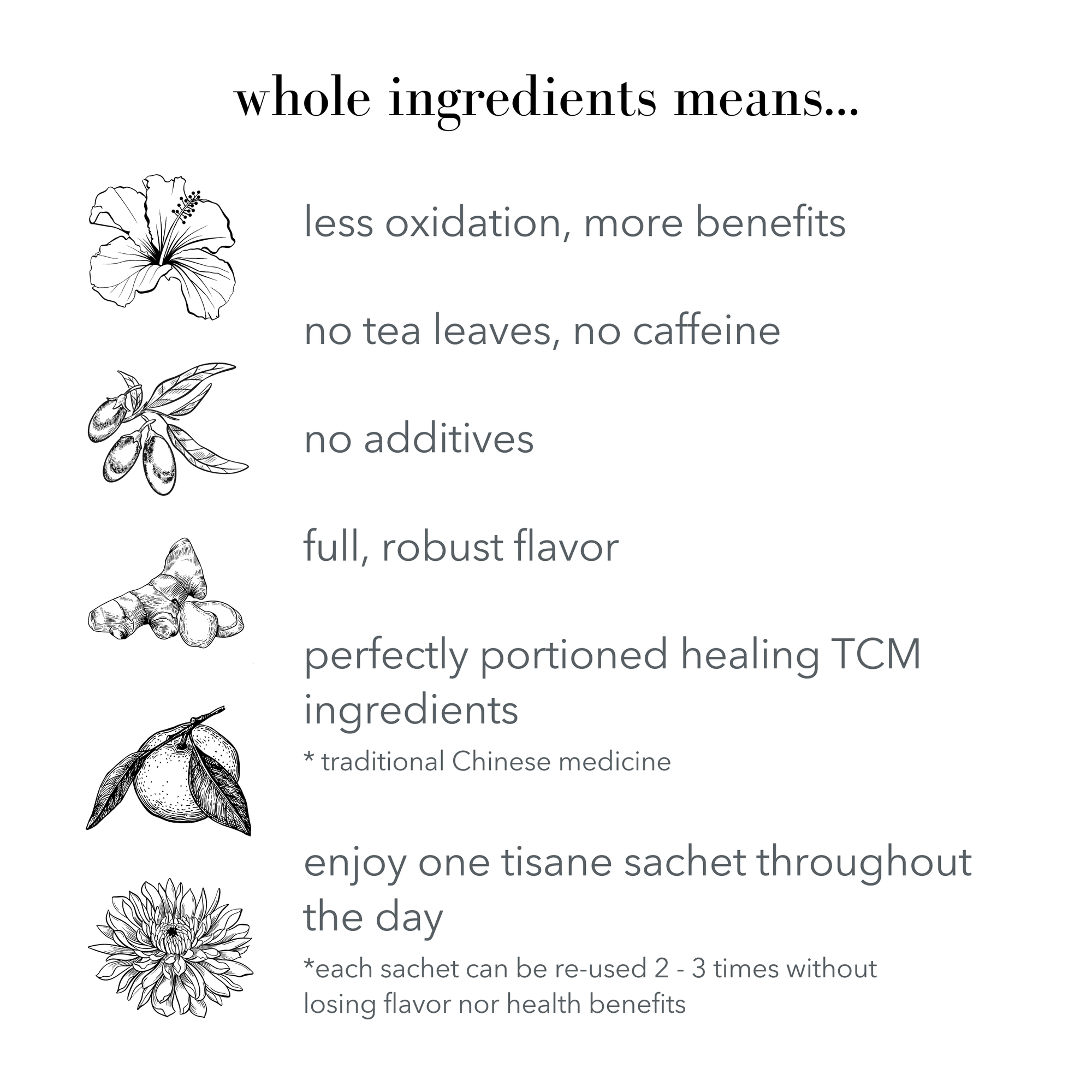
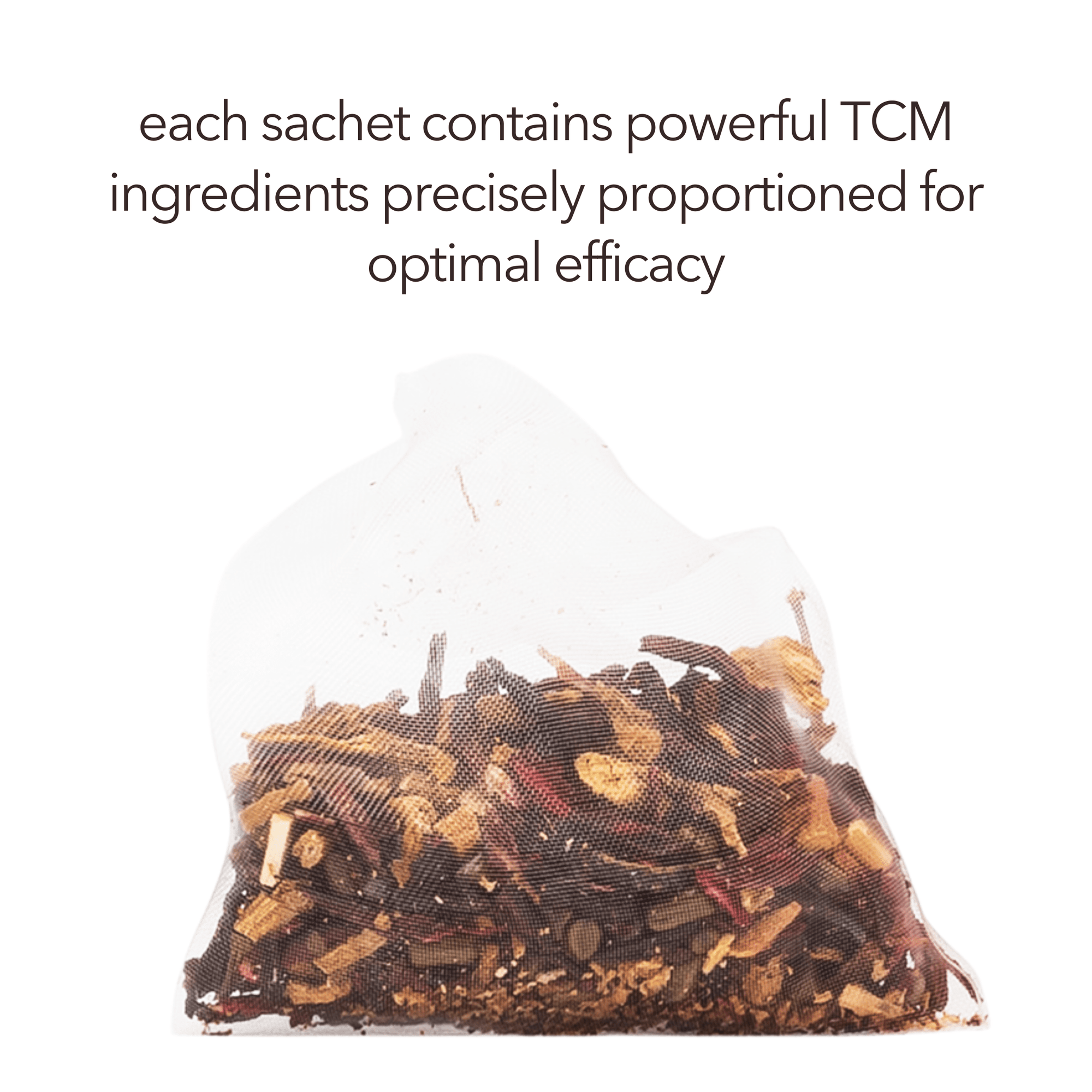
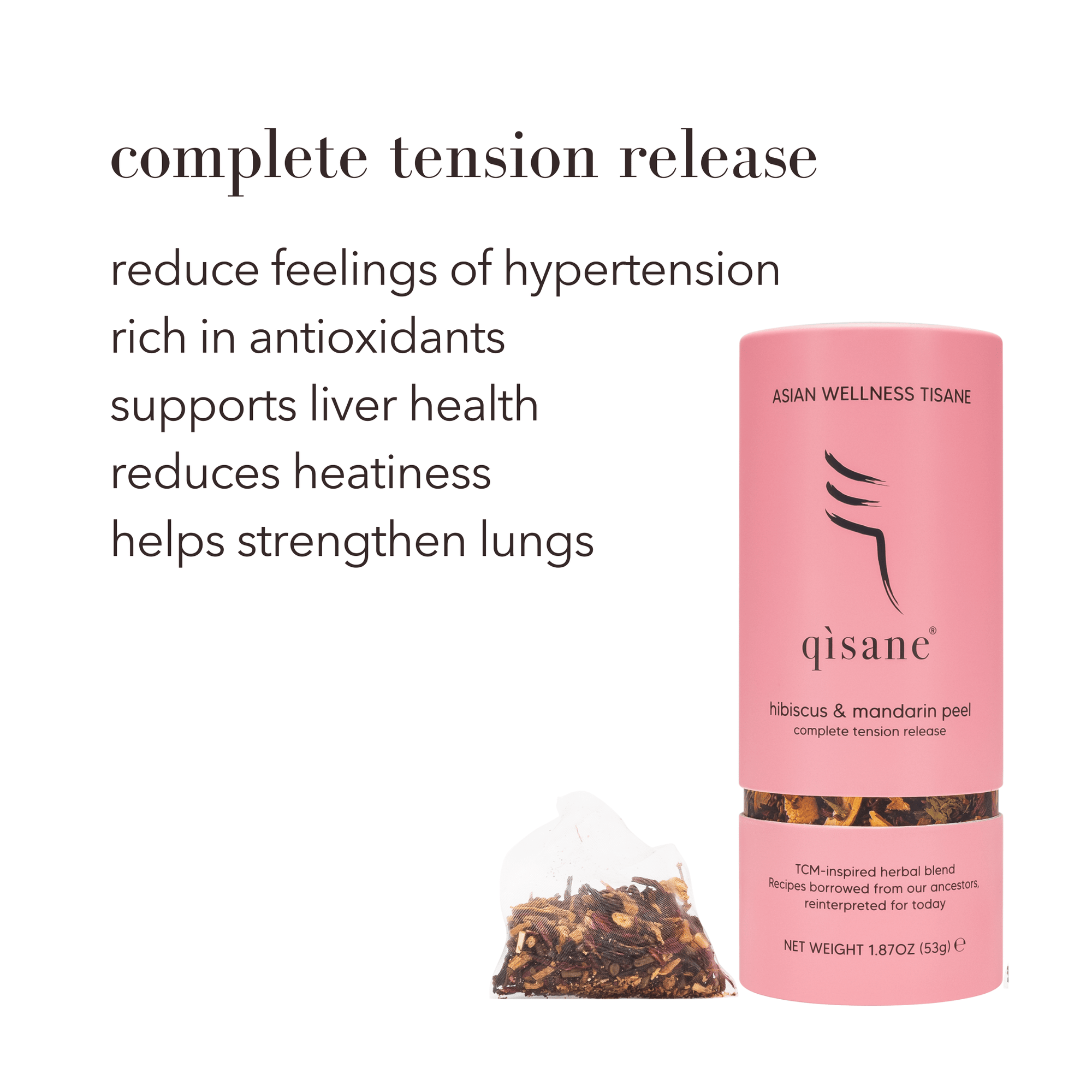
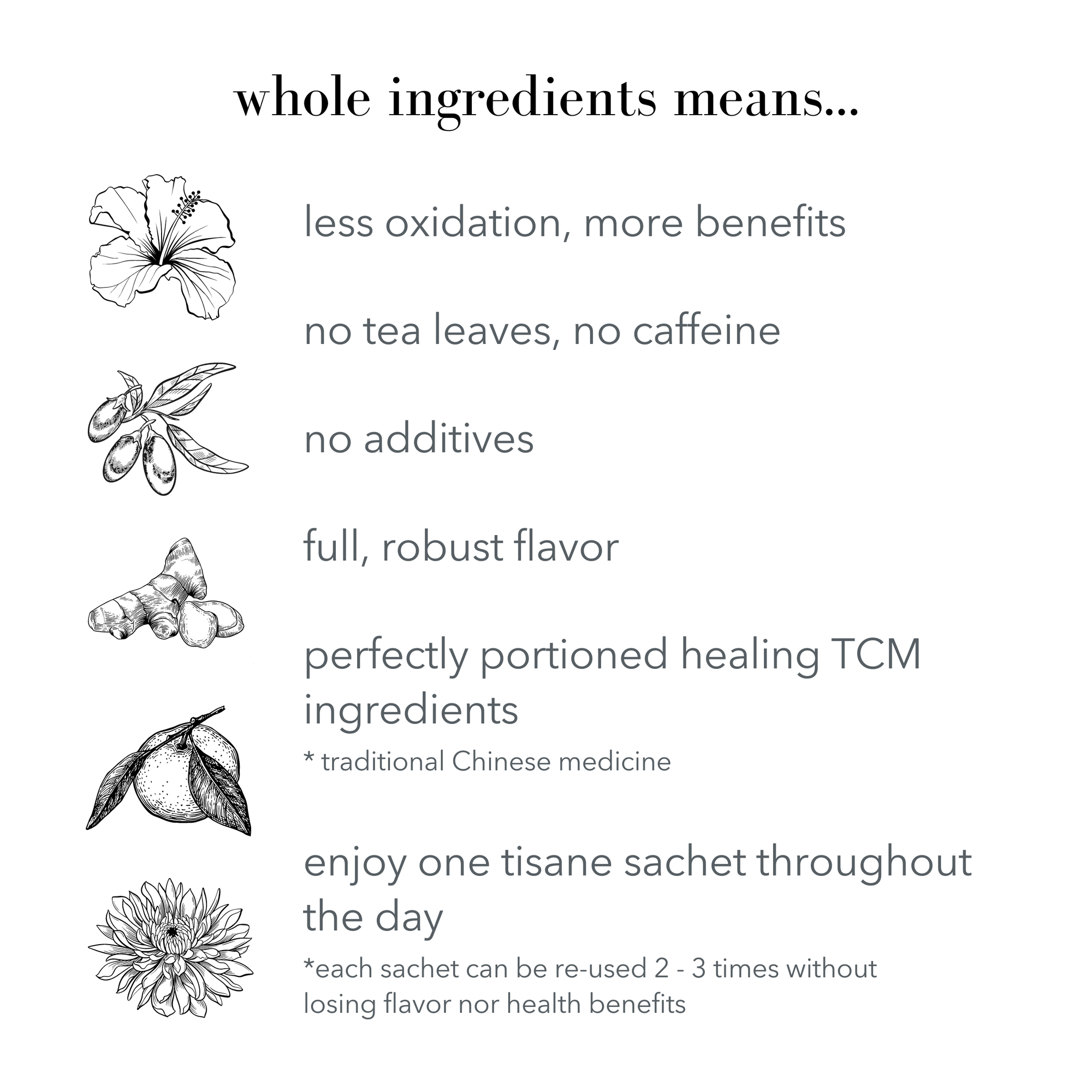
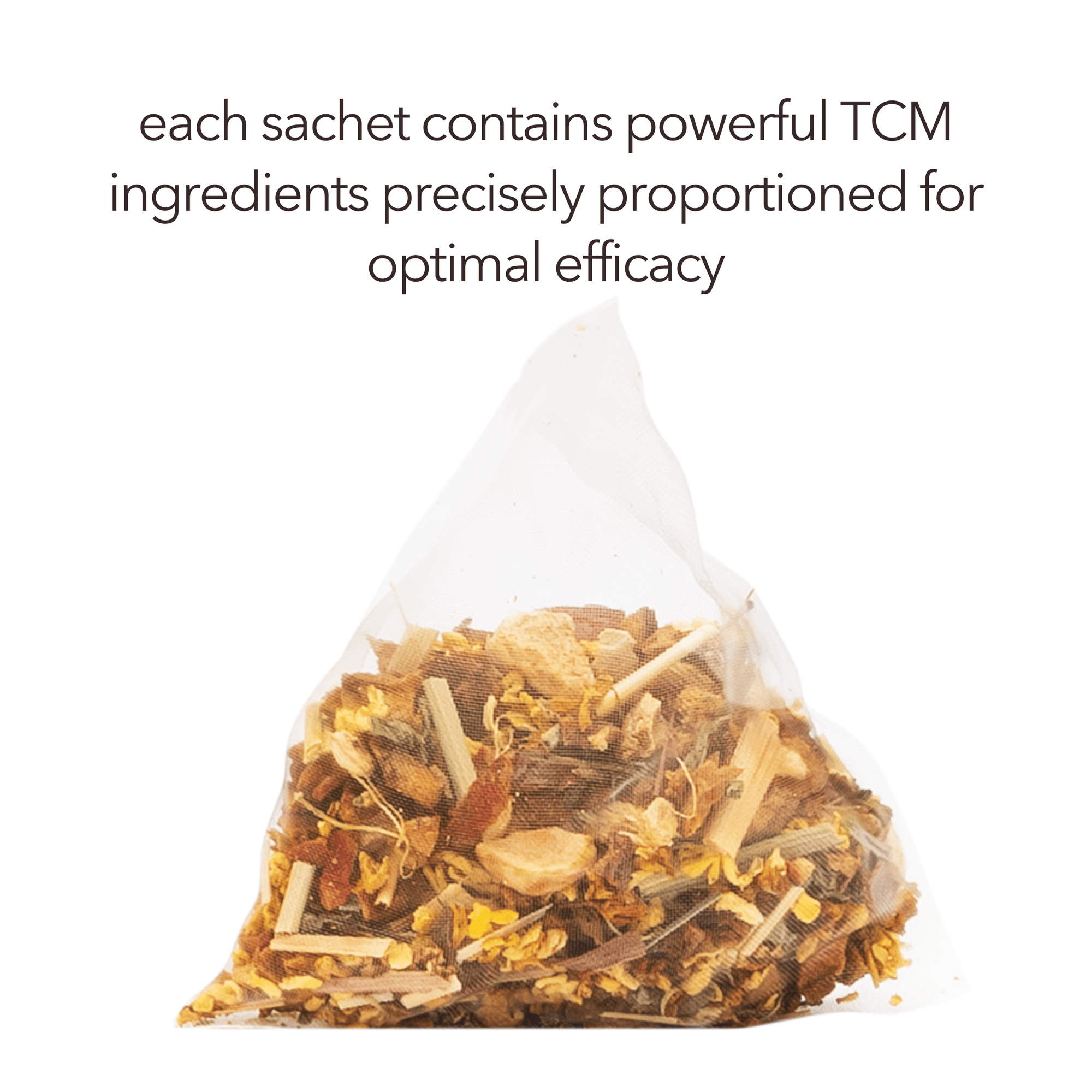
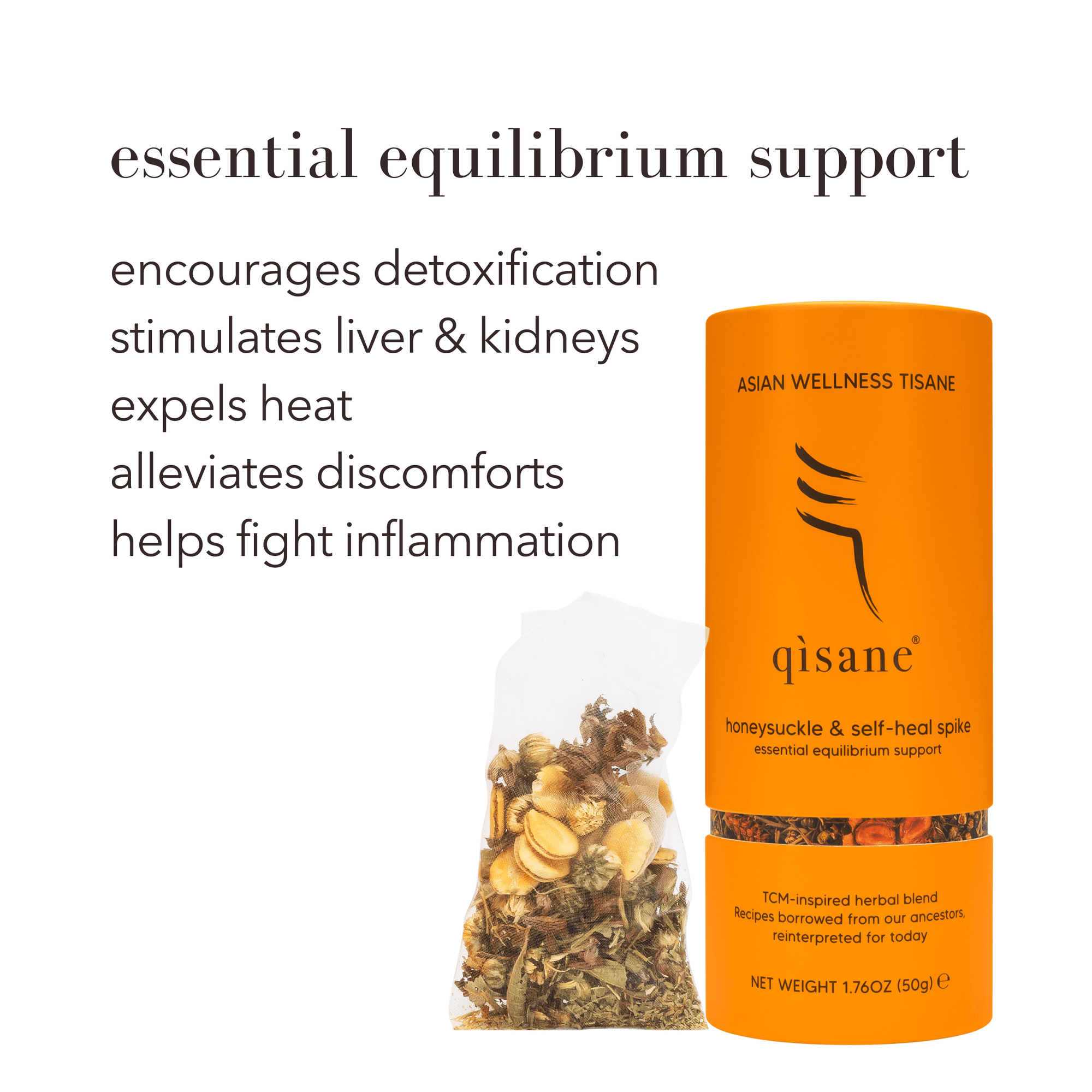
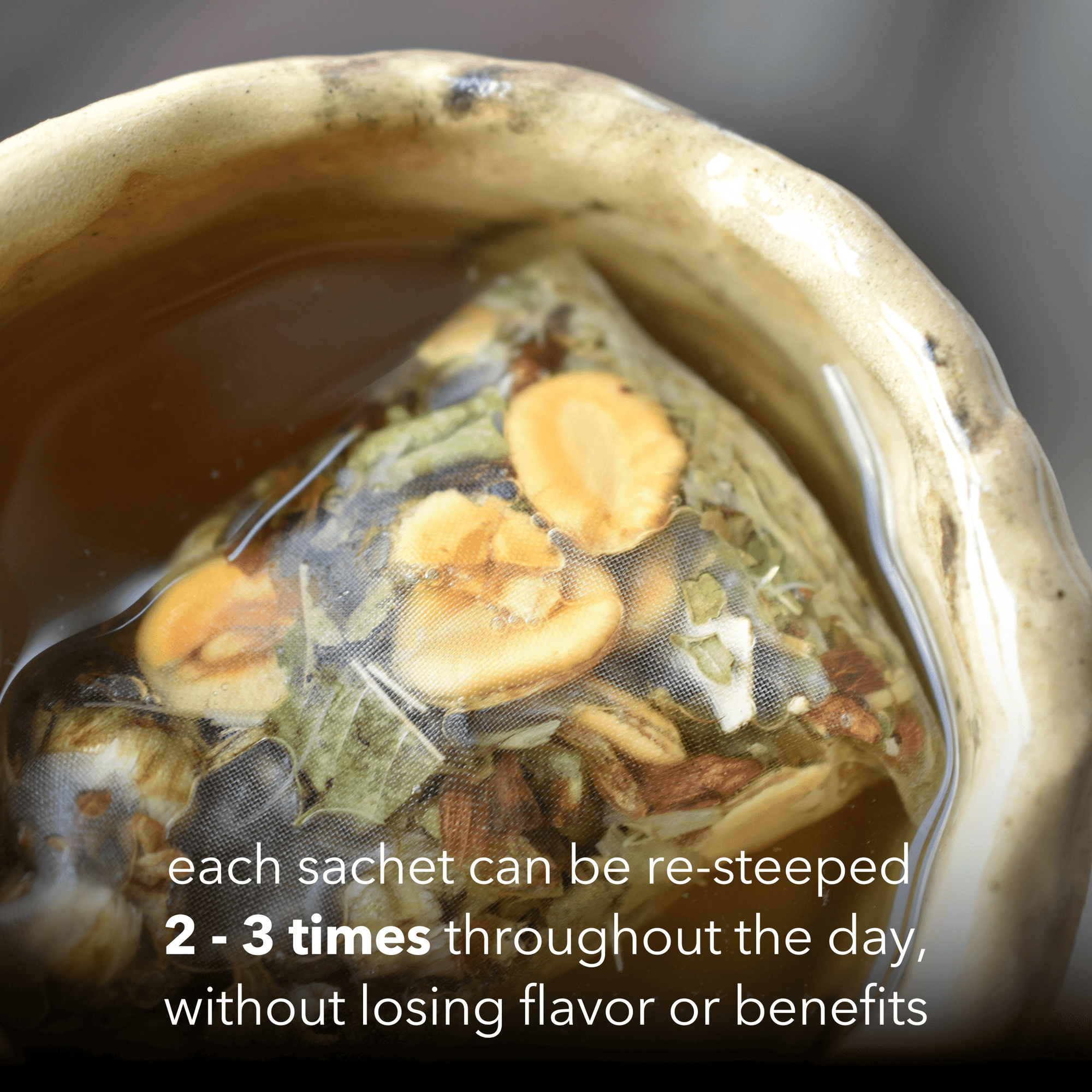
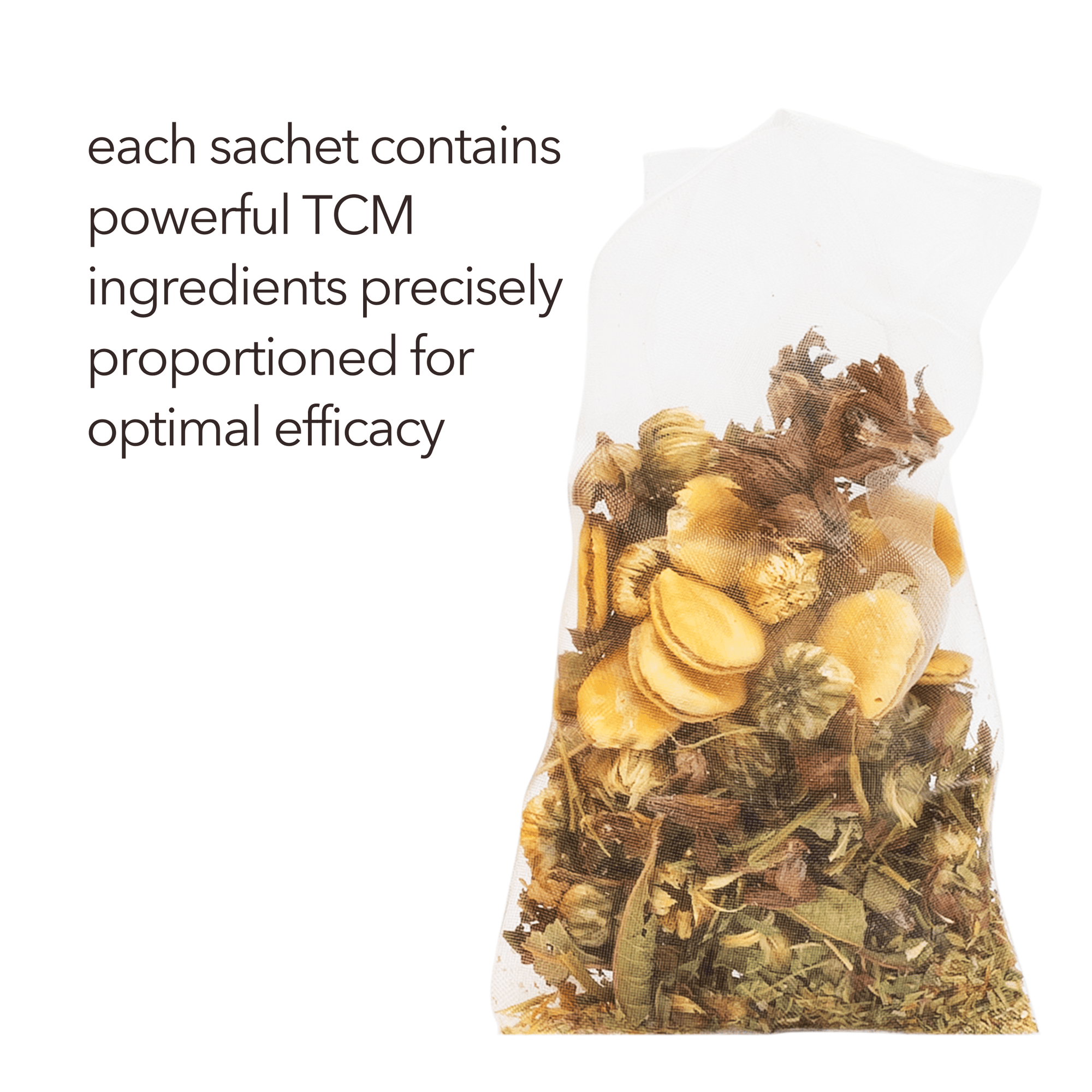
Whole flowers, berries and root pieces let you see the character of a blend. They also make brewing enjoyable: you can watch petals open and notice the different shapes in the sachet. This visible connection to ingredients is central to qìsane’s approach.
But whole ingredients are not a laboratory test. A photograph cannot establish botanical identity, contaminant levels or the amount of a compound that reaches your cup. Nor does a smaller cut automatically mean poor quality: different cuts and formats suit different preparations. Judge the ingredient information, condition and finished flavor together, rather than treating every paper bag or broken leaf as a warning sign.
3. Separate traditional purpose from a promised result
Traditional Chinese medicine, or TCM, gives ingredients a context beyond taste. Its descriptions of warming, cooling and qi—the tradition’s concept of vital energy—help explain why particular botanicals have long been valued. They are not measurements of body temperature or guarantees that a tea will change a medical condition.
A helpful description identifies the tradition, the relevant ingredient and its purpose. A scientific claim needs evidence matched to the plant, plant part and preparation. Research on a concentrated capsule or essential oil does not automatically establish the effect of a water-steeped tea. A blend’s full story can include heritage and modern research without presenting them as the same kind of evidence.
4. Understand what a certification actually covers
USDA organic standards address production and handling practices. Organic certification is meaningful, but it is not proof that an herbal tea treats a condition or contains a clinically effective dose.
Read the scope carefully: an individual organic ingredient and a certified-organic finished blend are different claims. Likewise, a third-party testing mark should identify the program and what was evaluated. Do not assume that a facility audit, an ingredient test and a finished-product test all tell you the same thing.
5. Compare like with like
A whole-ingredient tisane is not the same product as a standardized extract. Extracts can be designed around a specified compound; a tisane is prepared by steeping its ingredients in water. Neither format earns a blanket “best” label. Even the term “standardized” alone does not guarantee quality, as NCCIH explains.
For an everyday tea, look for a flavor you enjoy, a complete ingredient list, clear brewing instructions and claims that respect the evidence. You do not need to turn your kitchen into a laboratory to make an informed choice.
A quick checklist before your next cup
- Can I identify all the ingredients, including relevant plant parts?
- Do the flavor and preparation fit the way I will actually drink it?
- Are traditional uses clearly distinguished from clinical findings?
- Am I choosing this as an enjoyable daily tisane rather than relying on it to diagnose or treat symptoms?
That is a stronger foundation for choosing a functional tea than dramatic promises or a single number on a label: ingredients you understand, a purpose explained honestly and a cup you want to return to.