

Herbal tea can lose aroma and flavor as it sits in storage. Exposure to air, heat, light and moisture can change dried botanicals over time, so a blend that once tasted vivid may eventually seem flatter. The practical response is to protect the ingredients, follow the product’s storage directions and buy an amount you will enjoy while it is fresh.
There is an important distinction: a quieter aroma is a quality clue, not a home test of medicinal “potency.” You cannot determine a tea’s health effects, purity or safety simply by smelling it or judging how bright its color looks.
Why the fragrance changes
The aroma of an herbal infusion comes from many compounds, and different botanicals contribute different notes. Some aromatic compounds are volatile, meaning they can escape into the air. Storage conditions also influence chemical changes in plant material. That is why leaving a package open on a warm, sunny shelf is not a good way to preserve the cup you enjoyed when you first opened it.
A flower, berry and root do not necessarily age at the same rate. But a mixed tisane should be stored according to the finished product’s instructions—not a generic claim that every flower lasts one year or every root lasts three. Processing, packaging and the blend itself all matter.
Four things to control
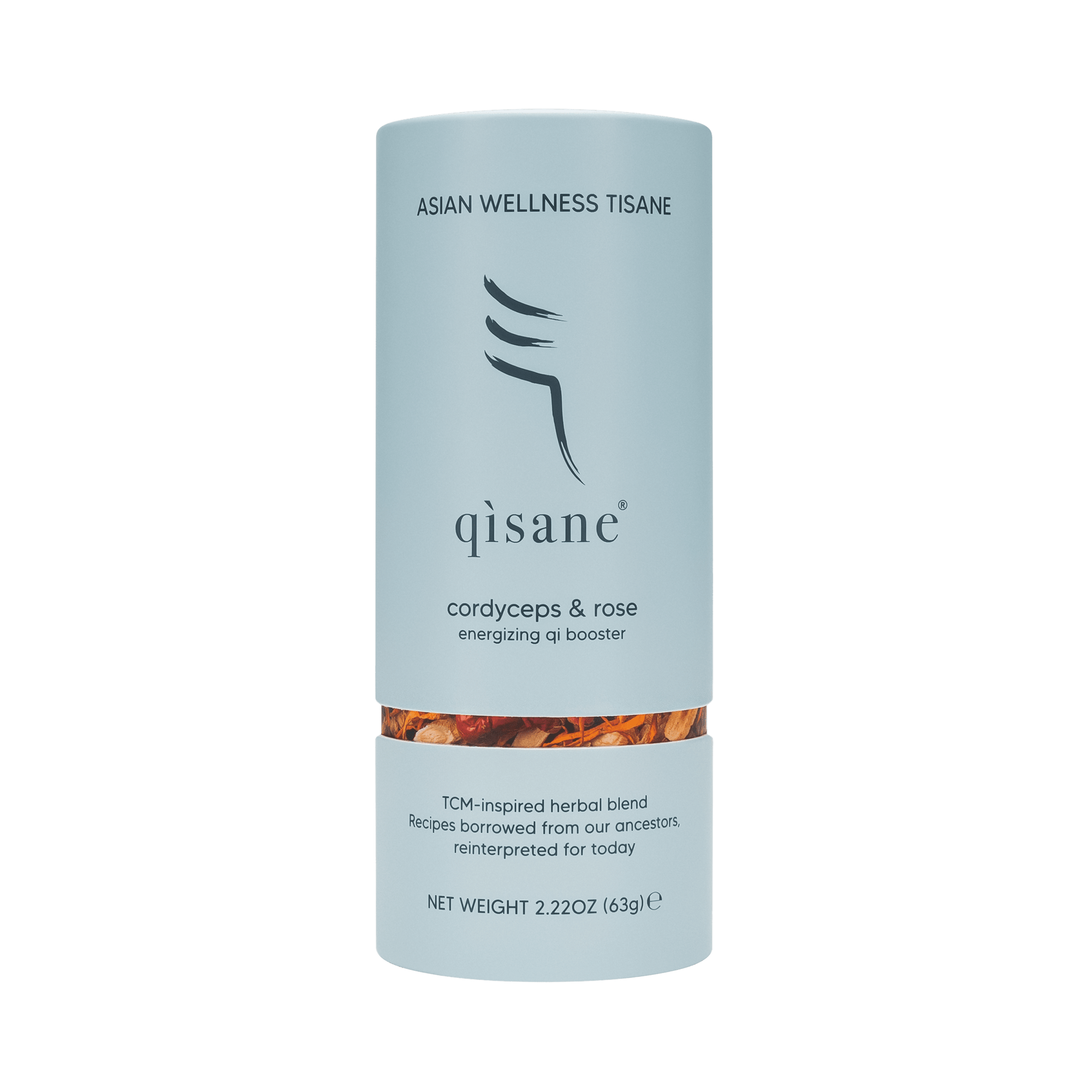
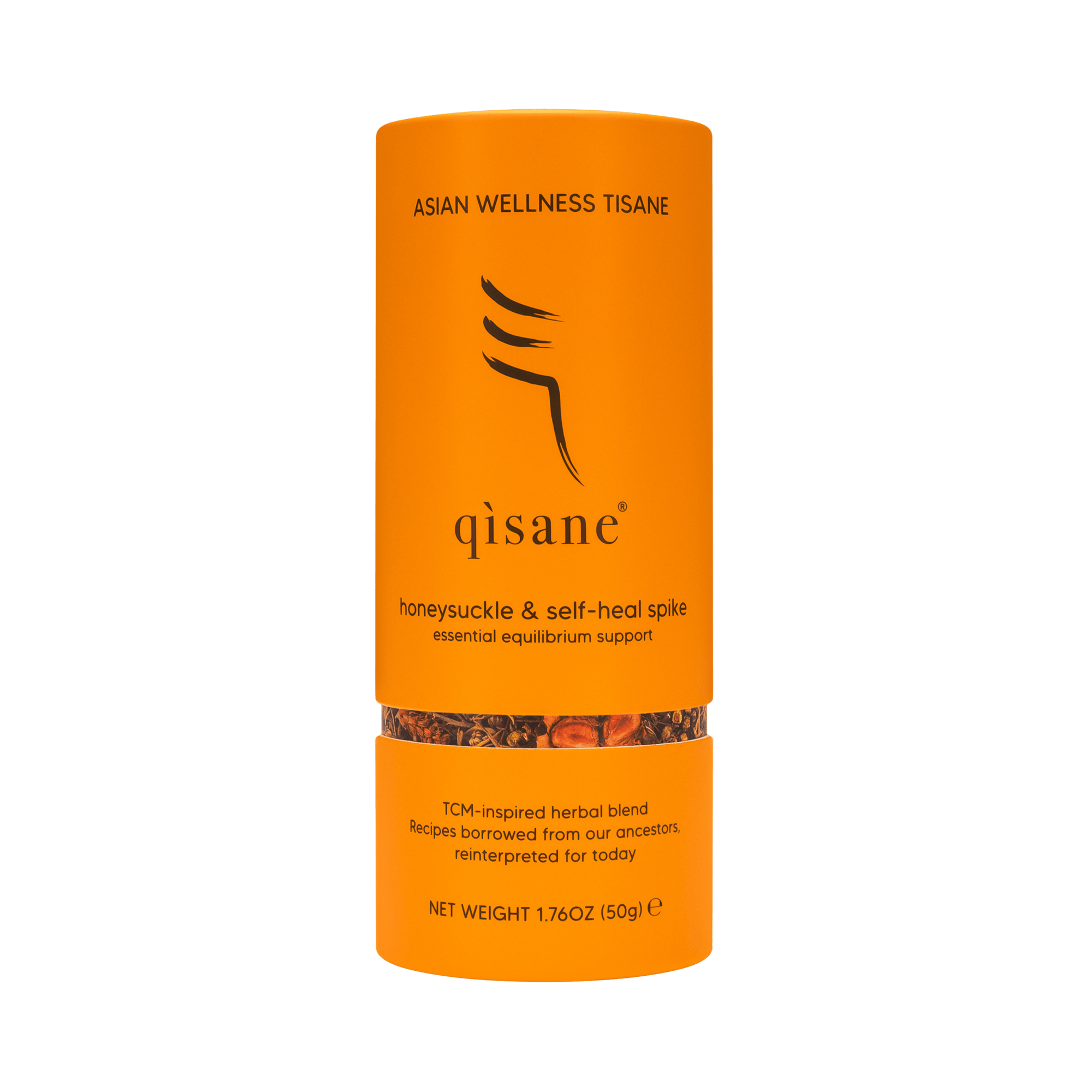
- Air: close the inner package properly after taking out a sachet. A decorative cylinder should not be assumed to replace the protective inner packaging.
- Heat: keep unopened tea away from the stove, dishwasher and other warm spots rather than displaying it above a kettle.
- Light: avoid a sunny windowsill. If you use a clear container, keep it in a dark cupboard rather than treating it as permanent countertop decor.
- Moisture: use dry hands or a clean, dry utensil, and keep steam away from the open package. Do not put a used sachet back with dry ones.
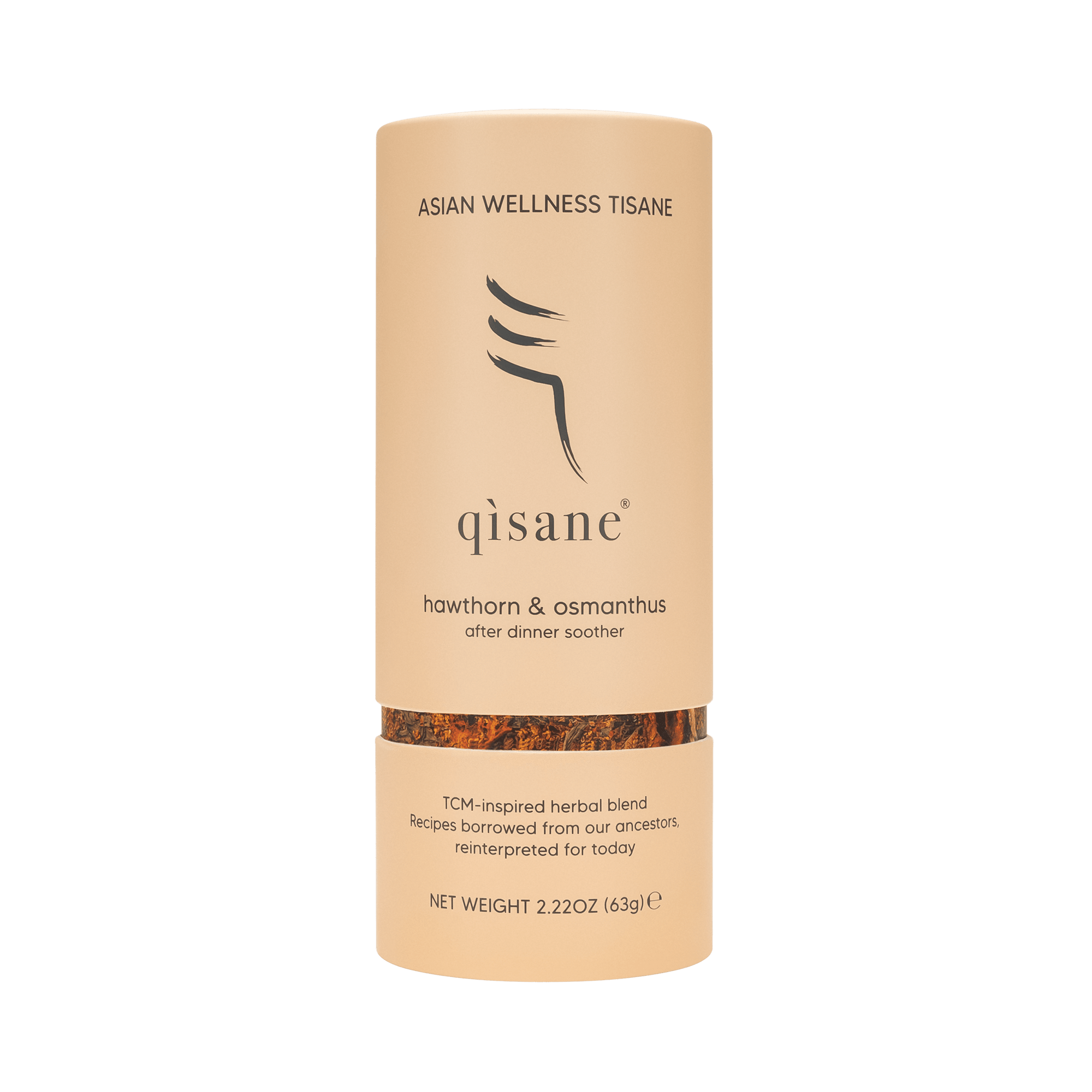
University of Minnesota Extension recommends airtight storage away from heat and light for dried herbs. Its dried-food guidance also emphasizes moisture-resistant containers. The principle is protection, not a competition between fashionable storage materials: a sound seal and appropriate food-contact container matter more than whether you prefer a tin or a jar.
Should herbal tea go in the refrigerator?
There is no single answer for every product and climate. Follow the directions for your particular blend and package rather than a blanket “always refrigerate” or “never refrigerate” rule.
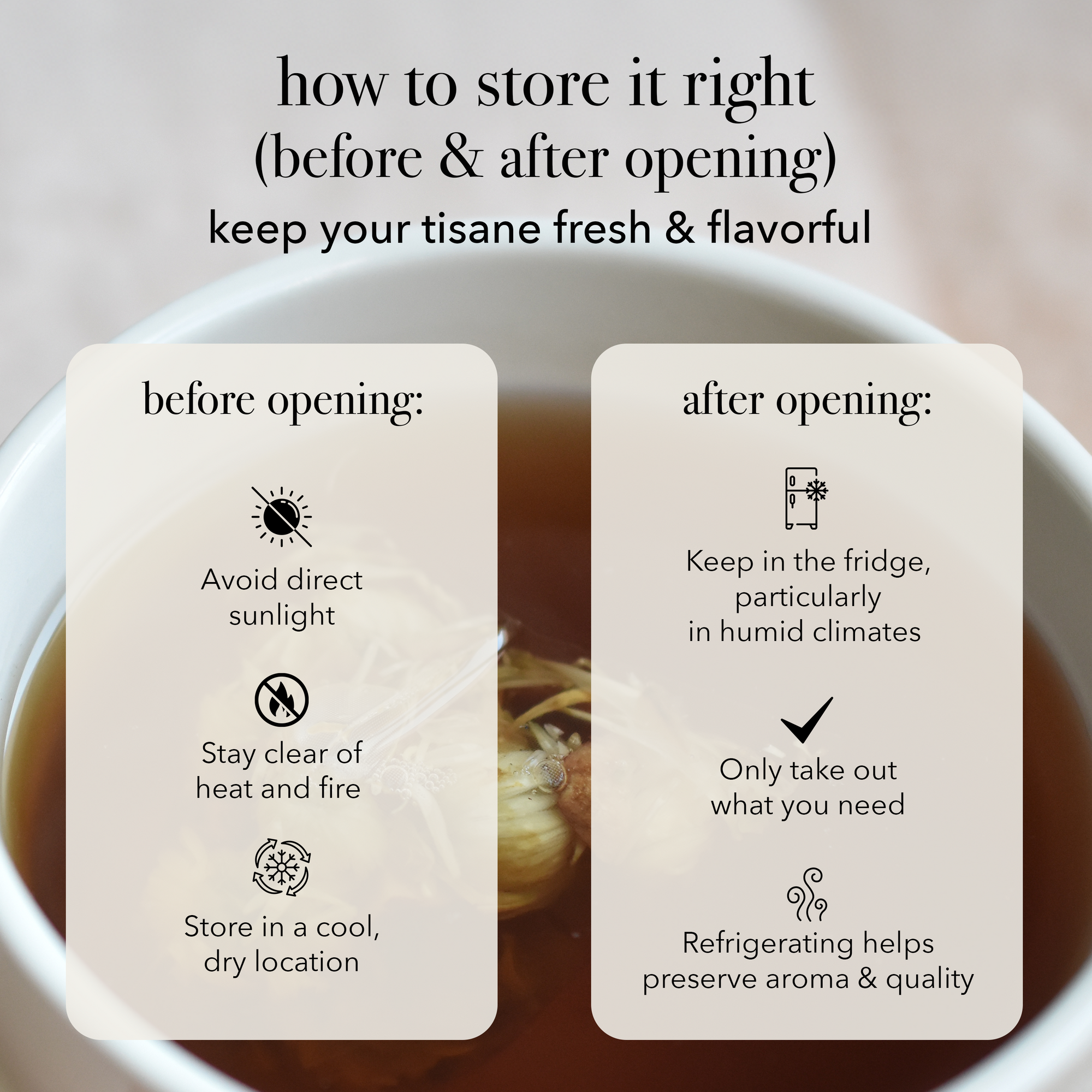
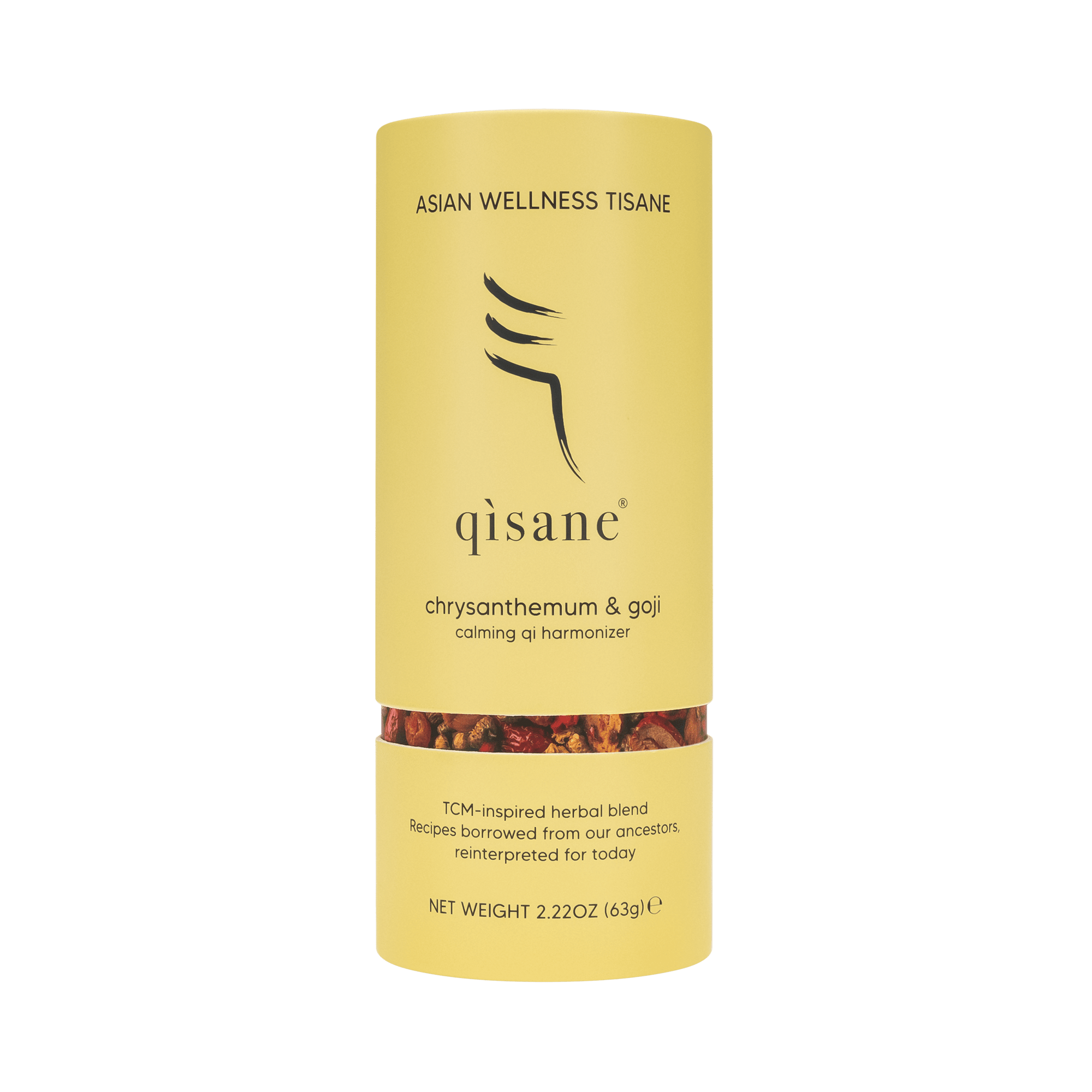
For example, the current chrysanthemum & goji product instructions say to keep the unopened pouch in a cool, dry place away from heat and direct sunlight, then refrigerate after opening, particularly in humid climates, taking out only what you need. Keep the remaining ingredients protected in their closed packaging rather than leaving an open pouch exposed to refrigerator moisture and food odors.
If your package gives different instructions or you are unsure which guidance applies, check with the brand before changing your routine. The goal is to preserve the actual blend you have, not to apply a rule designed for another tea.
Does a faded flavor mean the tea has gone bad?
Not necessarily. Flavor change and spoilage are different questions. A lightly scented blend can be perfectly normal, and natural colors vary between ingredients and batches. Compare the tea with its own usual character rather than expecting every blend to smell as strong as peppermint or look as bright as hibiscus.
Visible mold, unexpected dampness, pest contamination or an unusual musty odor is a different matter: do not brew or taste the tea to test it. Discard it, and contact the seller if a recently purchased package appears compromised. A reassuring appearance cannot establish safety when you know a package has been damaged or stored badly.
Use the date and your routine together
Keep the original label and lot information even if you move the outer package. Marking the opening date can help you avoid forgetting a half-used pouch behind newer purchases. Use older packages first when their condition and instructions allow, and keep a small selection you genuinely drink rather than opening every blend at once.
A printed date is useful information; it is not a reason to ignore poor storage or visible damage. Conversely, do not infer a precise level of ingredient activity from how many months remain on the label. For date-specific questions, follow your package instructions and contact the brand when the directions or storage history are unclear.
Before you blame storage, check the brew
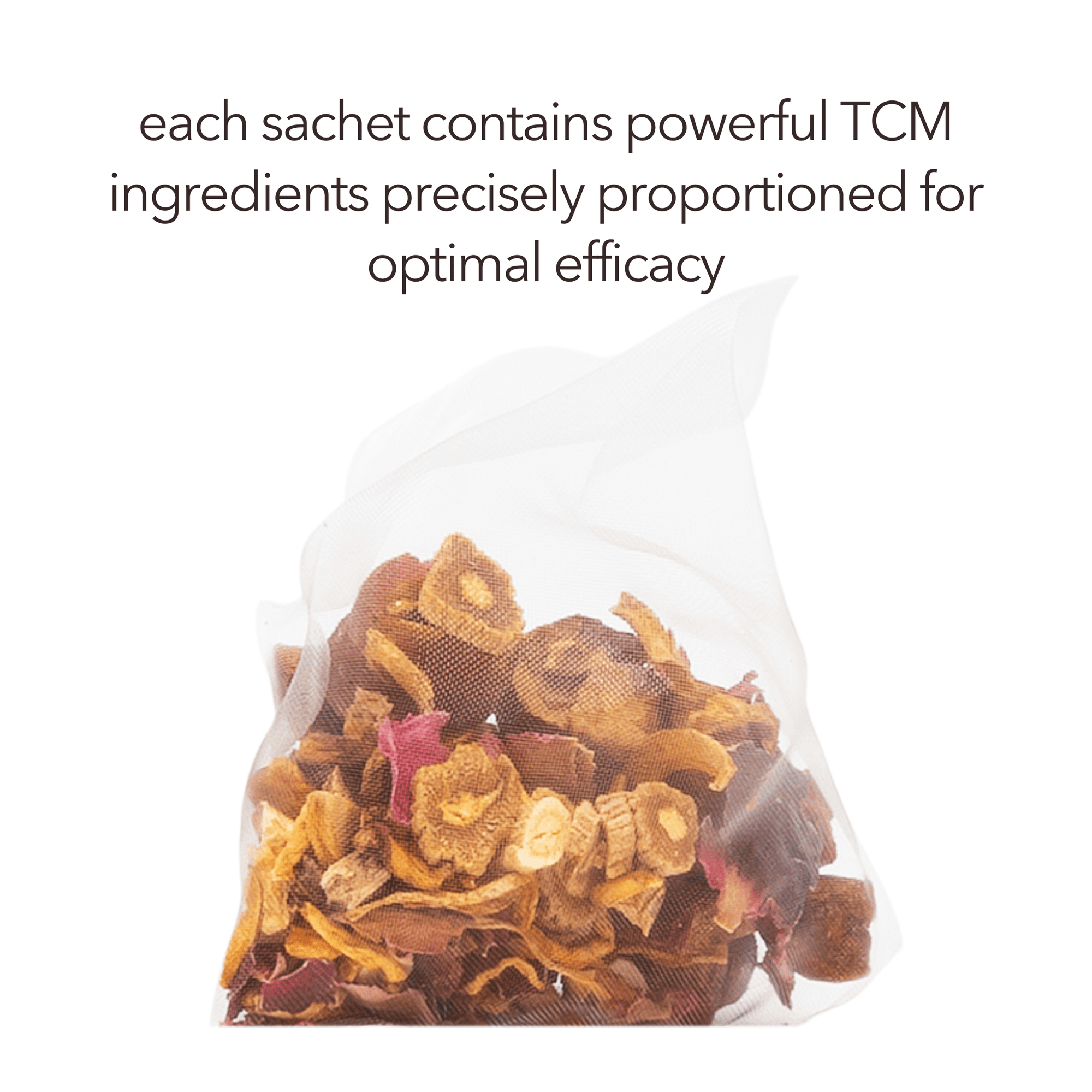
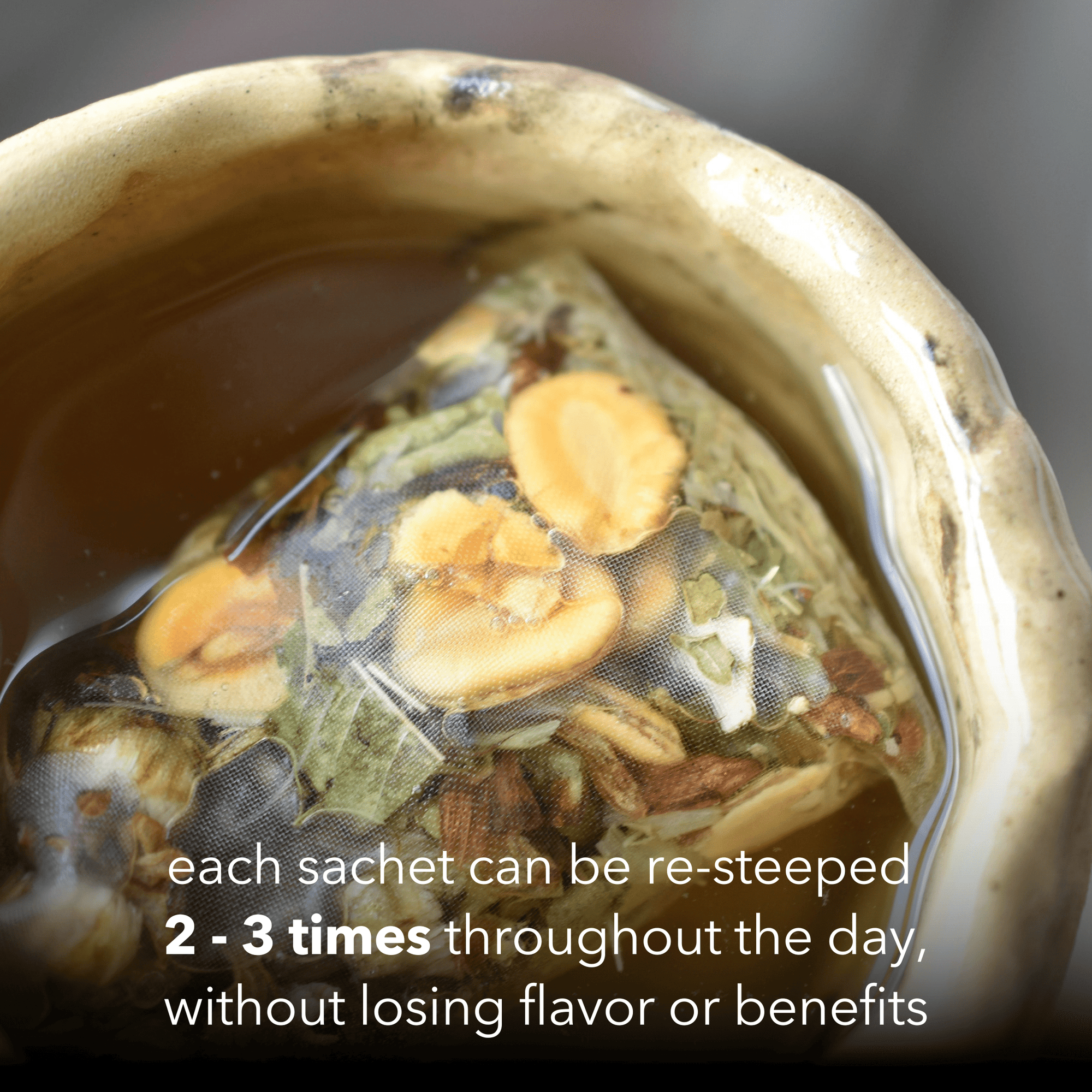
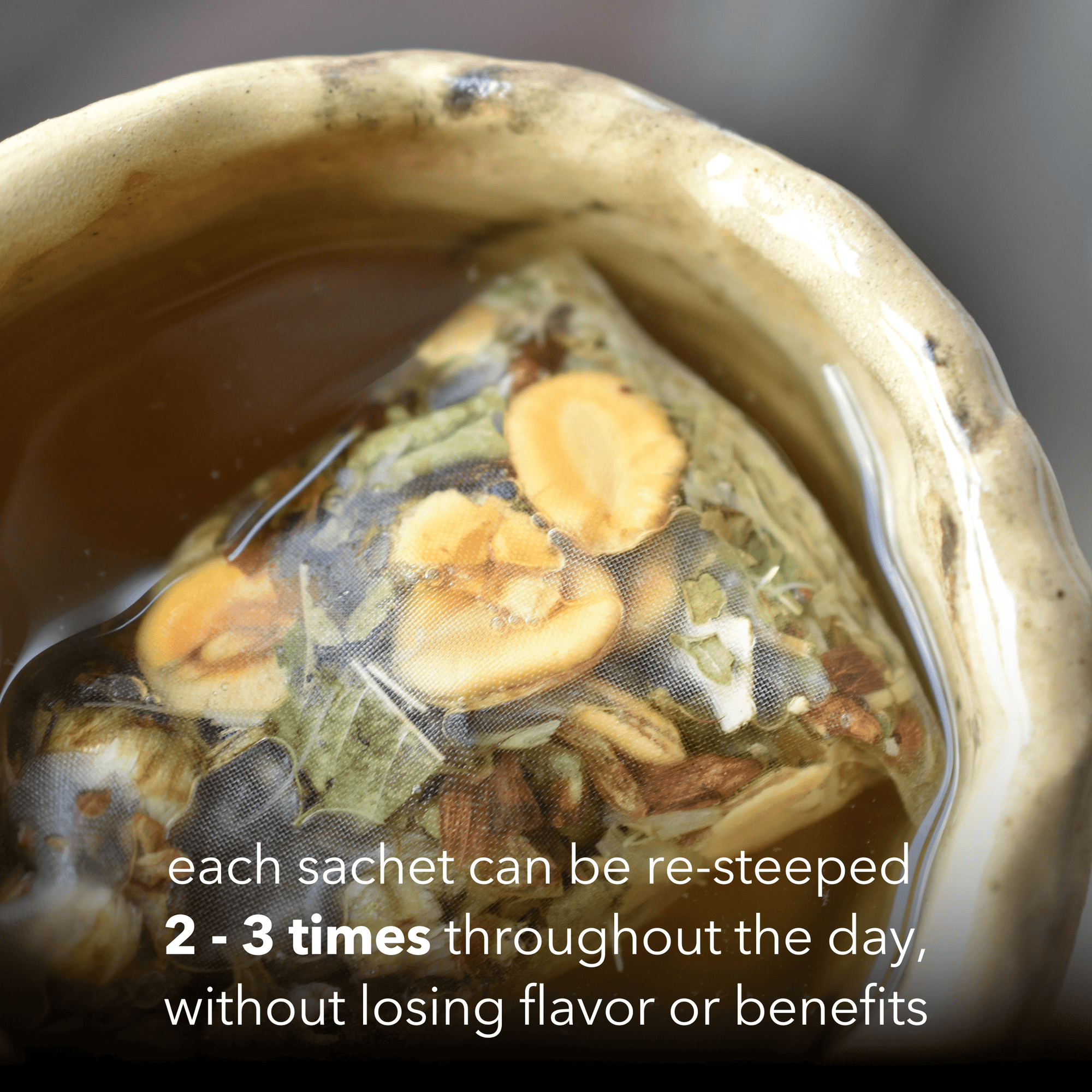
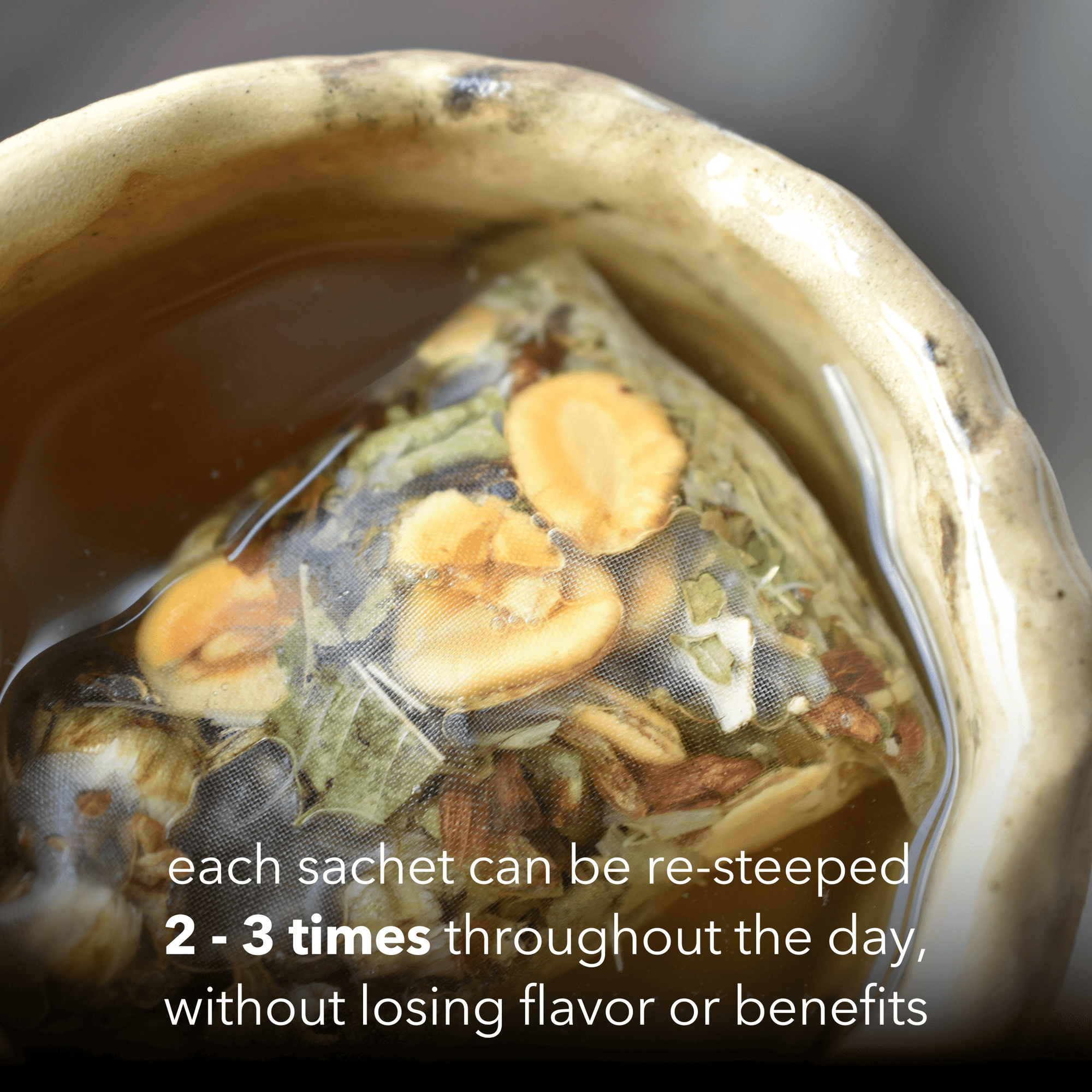
A weaker cup can also result from more water, a shorter steep or a later re-steep. Compare like with like: use the same cup, follow the same package directions and note whether you are tasting a first or subsequent infusion. Longer steeping cannot reliably restore a stale blend, and it is not a safety fix for damaged ingredients.
The small habits are the useful ones: protect the package from steam, close it after use, follow the appropriate storage directions and make room in your day to enjoy it. Freshness is best treated as care for flavor and ingredients—not a promise you can measure by scent alone.