

You can support normal immune function without buying a cupboard full of supplements. Start with enough nourishing food, regular sleep and movement, then address any genuine nutrient gaps. A food-first approach starts with everyday habits while leaving room for supplements when they are needed.
If you want a simpler routine, the useful question is not “What will boost my immunity fastest?” It is “What am I consistently missing?” That might be lunch, time to sleep, or a nutrient your clinician has identified. Each calls for a different response.
Food first means variety, not a superfood shopping list
Your immune system needs nutrients including vitamin C, vitamin D and zinc to function properly. The NIH Office of Dietary Supplements explains that deficiencies can impair immune function; in most cases, extra vitamin and mineral supplements do not prevent infections or speed recovery when you already get enough.
Build meals you enjoy rather than chasing a single “immune” ingredient. Harvard’s Healthy Eating Plate offers a useful visual starting point: roughly half vegetables and fruit, with whole grains and protein making up the rest. This is a flexible guide, not a prescribed calorie allowance.
- For a warm bowl: combine vegetables, brown rice and beans or fish.
- For a quick lunch: pair a whole-grain sandwich with fruit and a vegetable side.
- For a shopping shortcut: choose a few vegetables, fruit you will actually eat, a whole grain and several protein options you can rotate.
The benefit is a more varied eating pattern, not a promise that one lunch wards off infection. You do not need exotic powders or a perfect plate at every meal.
Know when a supplement has a real job
“Food first” should not become “food only.” If your healthcare professional identifies inadequate intake or a deficiency, a supplement can help meet a specific need. The important questions are which nutrient, how much and why—not simply whether the label says natural or synthetic.
Before adding another product, ask: Does it address an identified gap? Am I already taking the same nutrient elsewhere? Could it interact with my medicines? Keep prescribed supplements unless your clinician advises a change. A varied diet and appropriate supplementation can work together.
Make room for sleep before adding another wellness task
Sleep supports immune function, and most adults need at least seven hours a night, according to the CDC’s immune-health guidance. A demanding schedule can make that difficult; buying something new does not create the missing hours.
Choose one manageable change: move a late chore earlier, protect a regular bedtime, or set a stopping point for work. The NHLBI’s sleep guidance recommends consistent sleep and wake times and a quieter hour before bed. Caffeine can interfere with sleep, so consider its timing if you struggle to settle. The aim is to make rest easier to fit into your day.
Choose movement you can repeat
For general health, adults should aim for at least 150 minutes of moderate activity a week and muscle-strengthening activity on two days, following CDC activity guidance. Activity can be broken into smaller sessions; some is better than none.
Start where you are. A walk with a friend, dancing at home or a short strength session may be more repeatable than an ambitious new program. Adapt activity to your health and ability. The goal is a sustainable habit, not an exhausting test of how committed you are to wellness.
Make an enjoyable tisane part of the routine
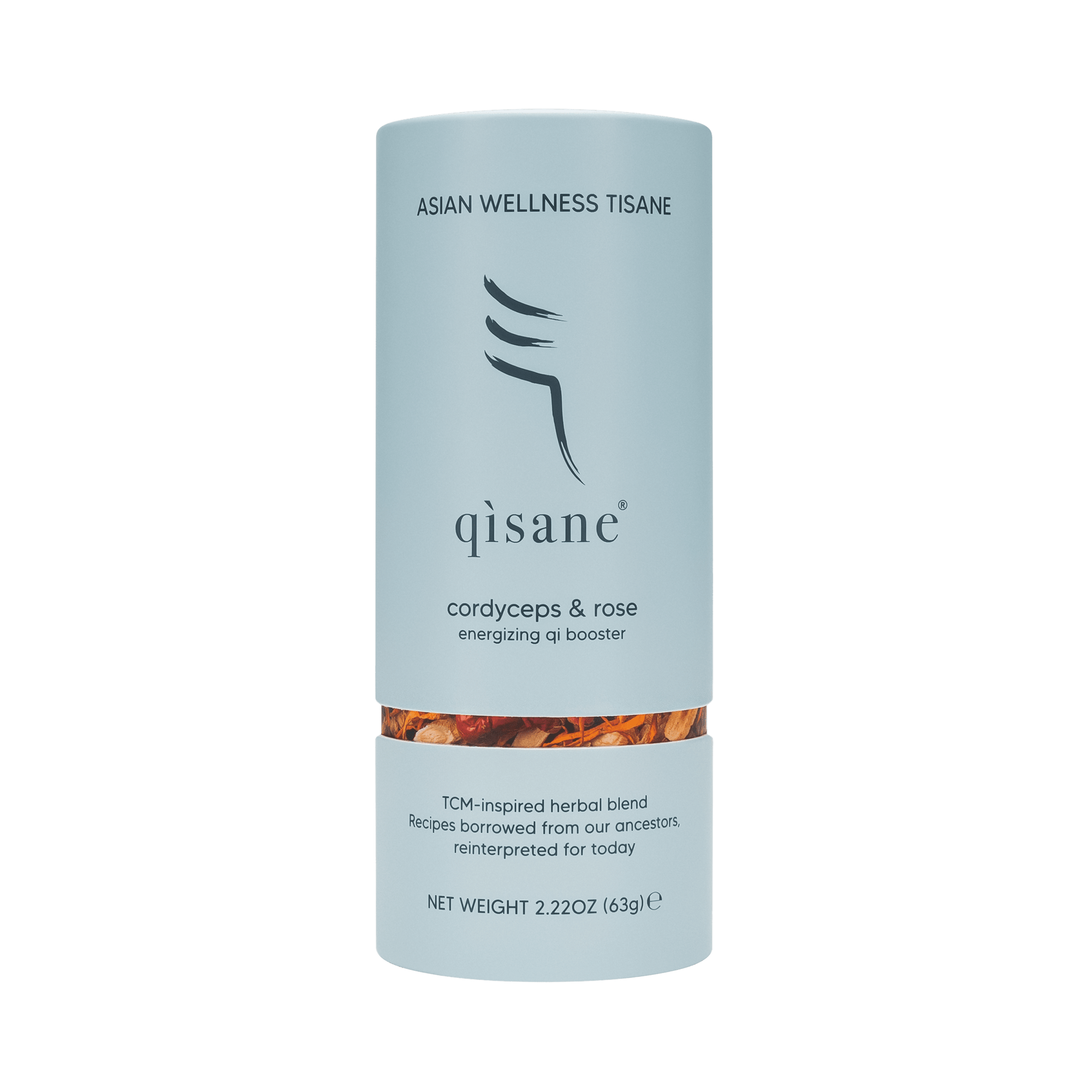
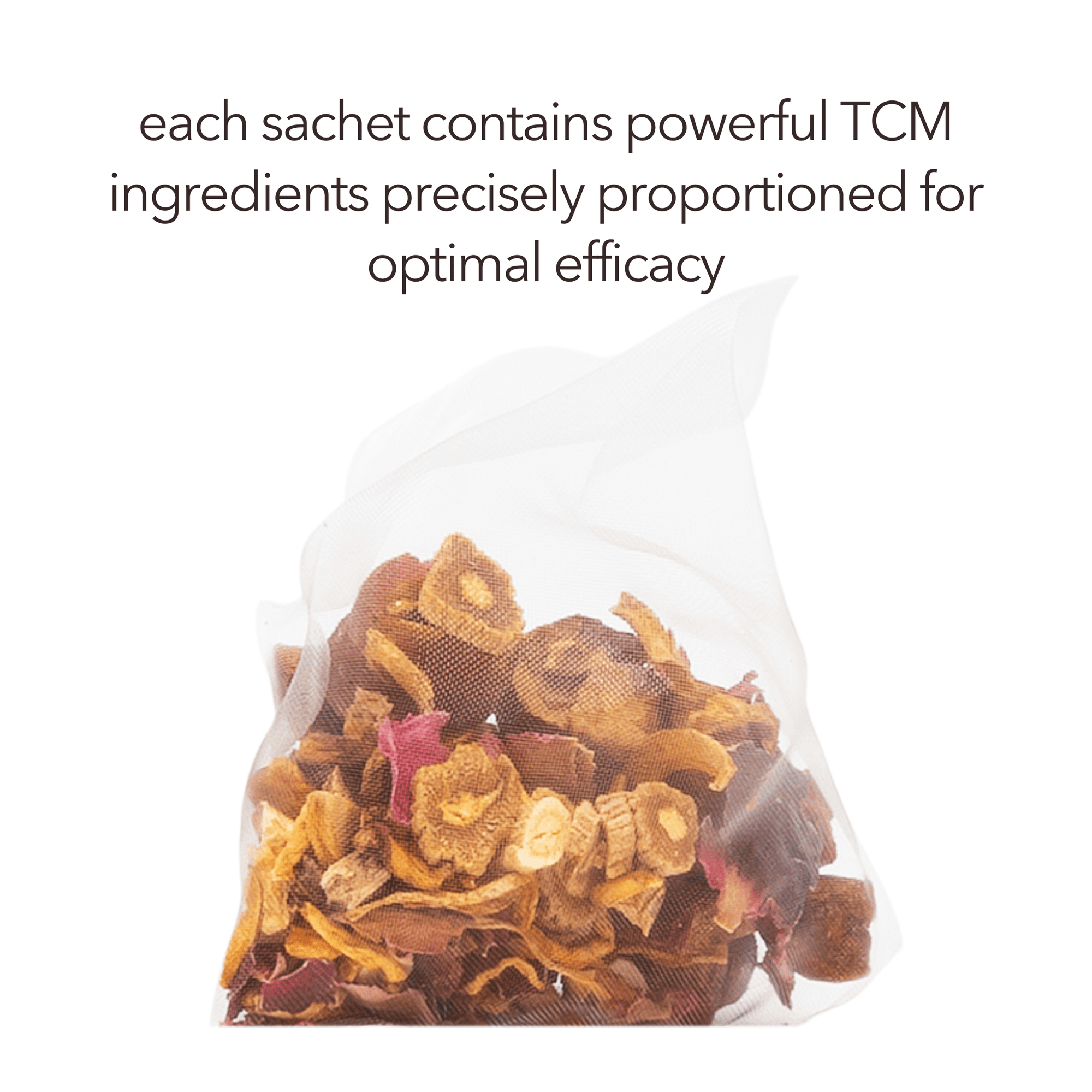
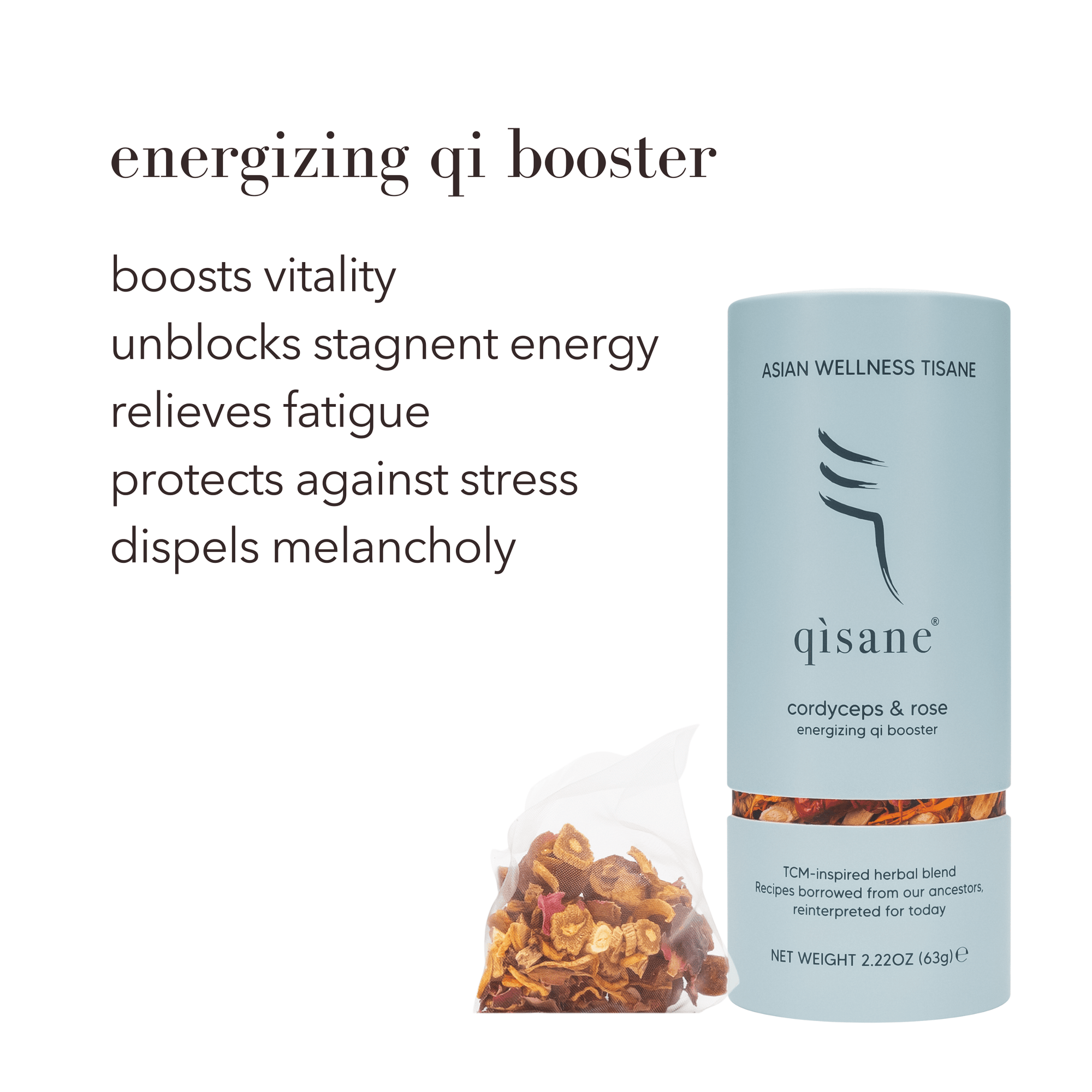
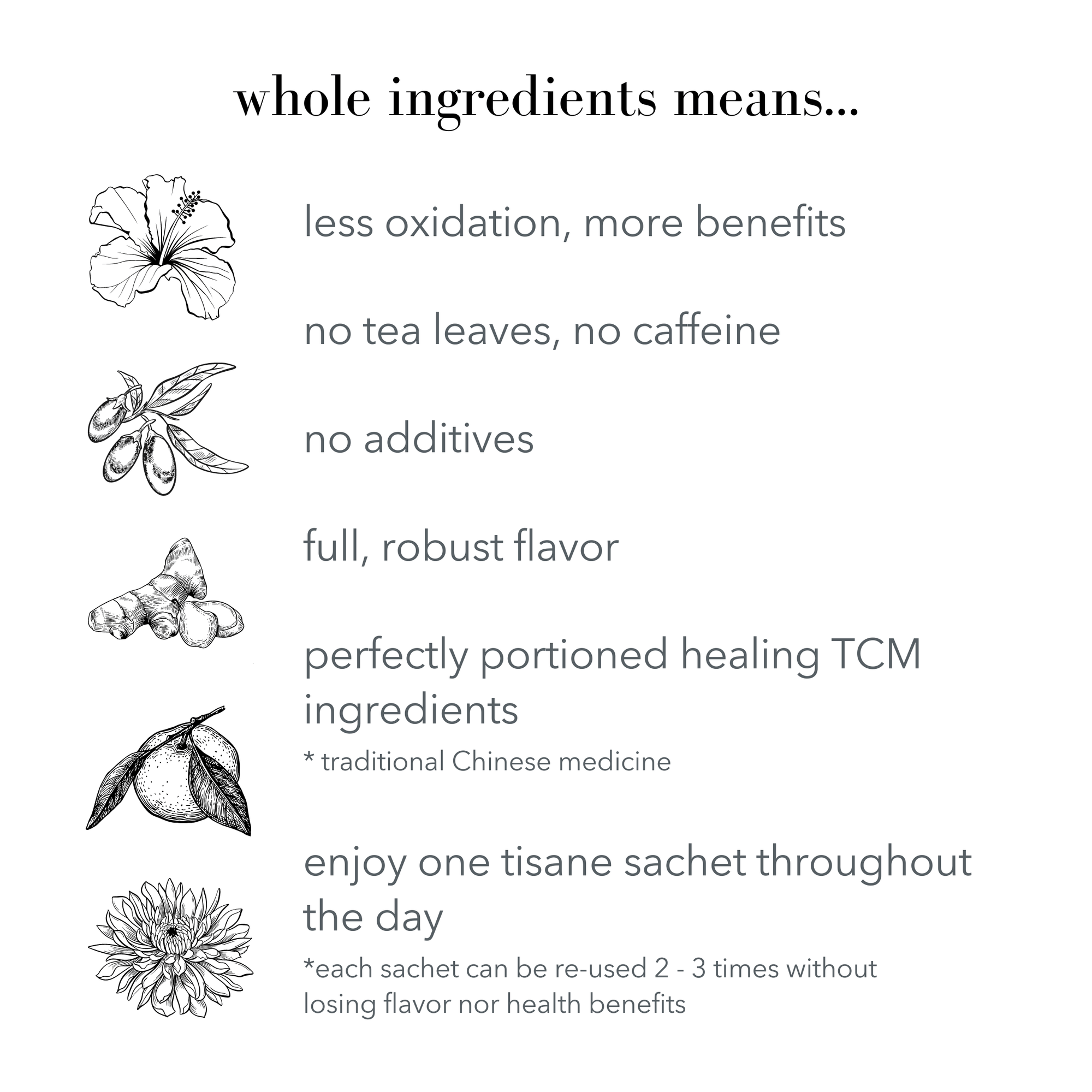
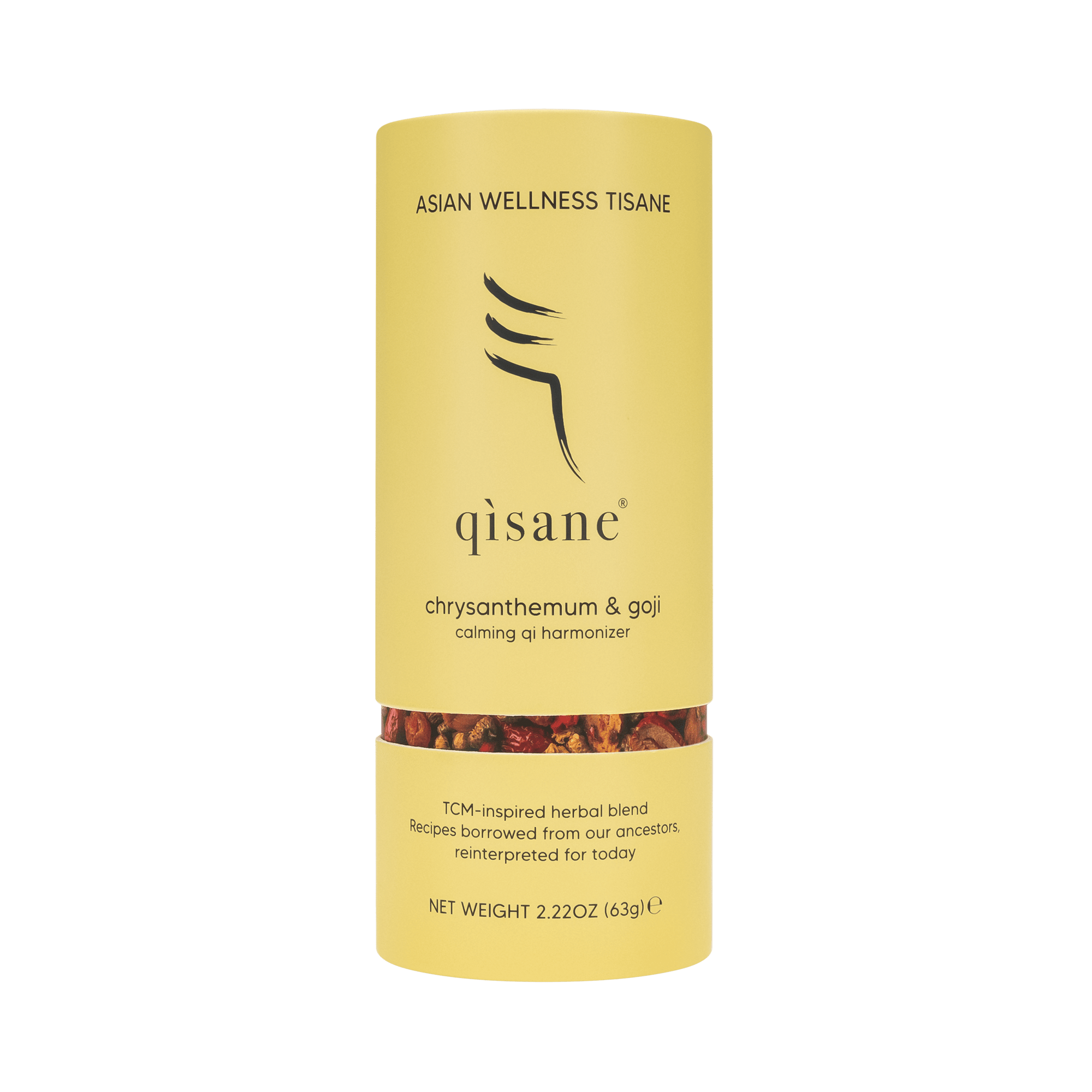
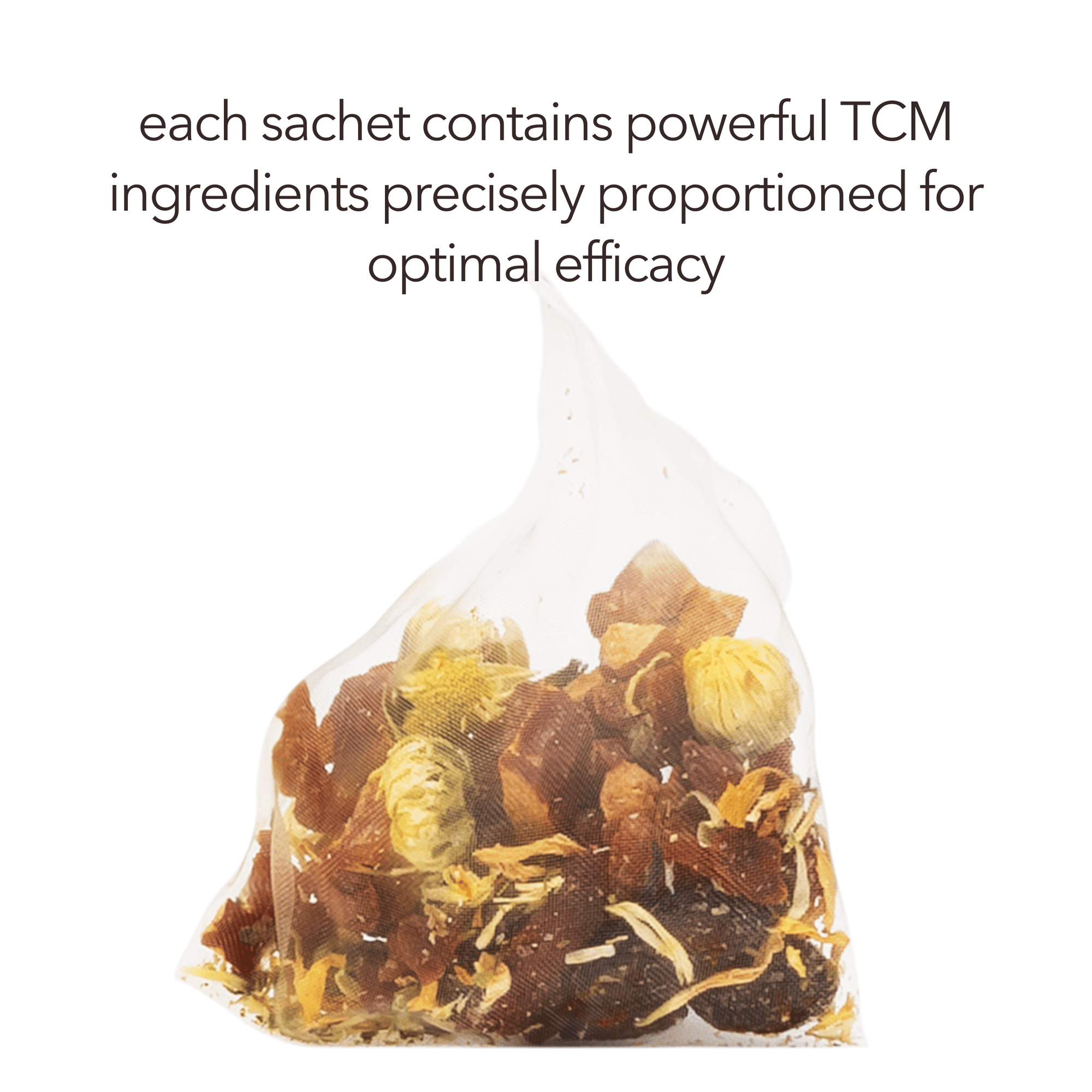
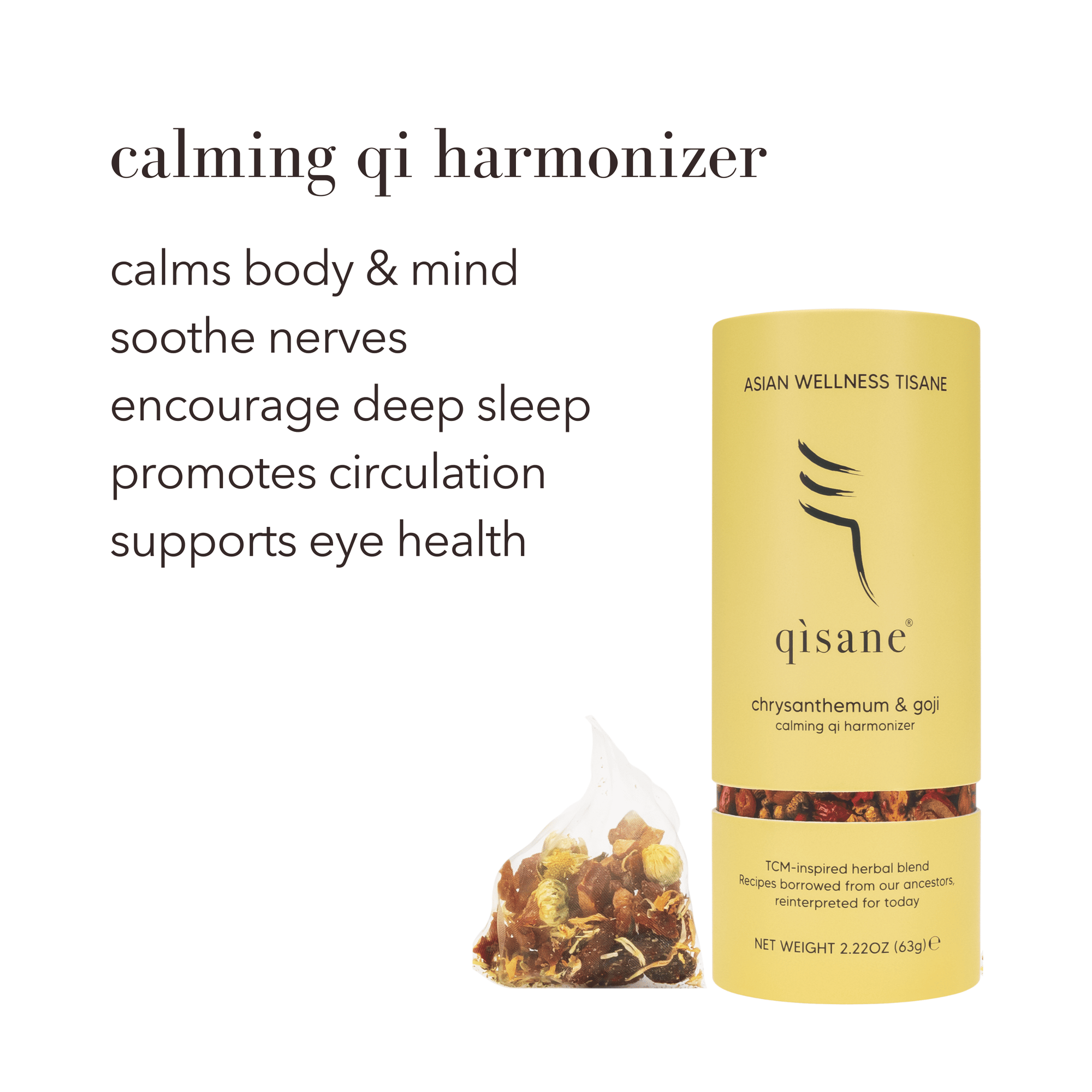
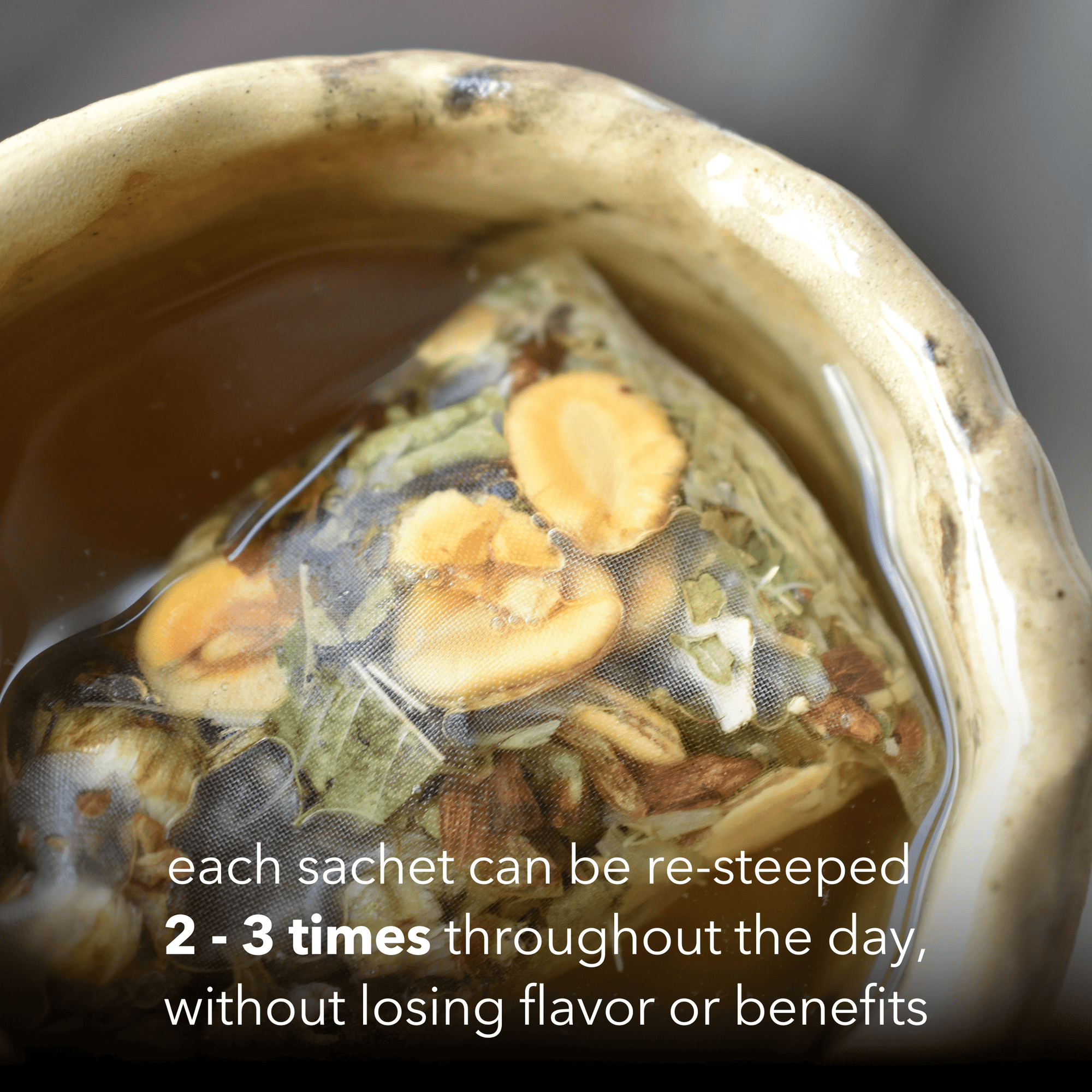
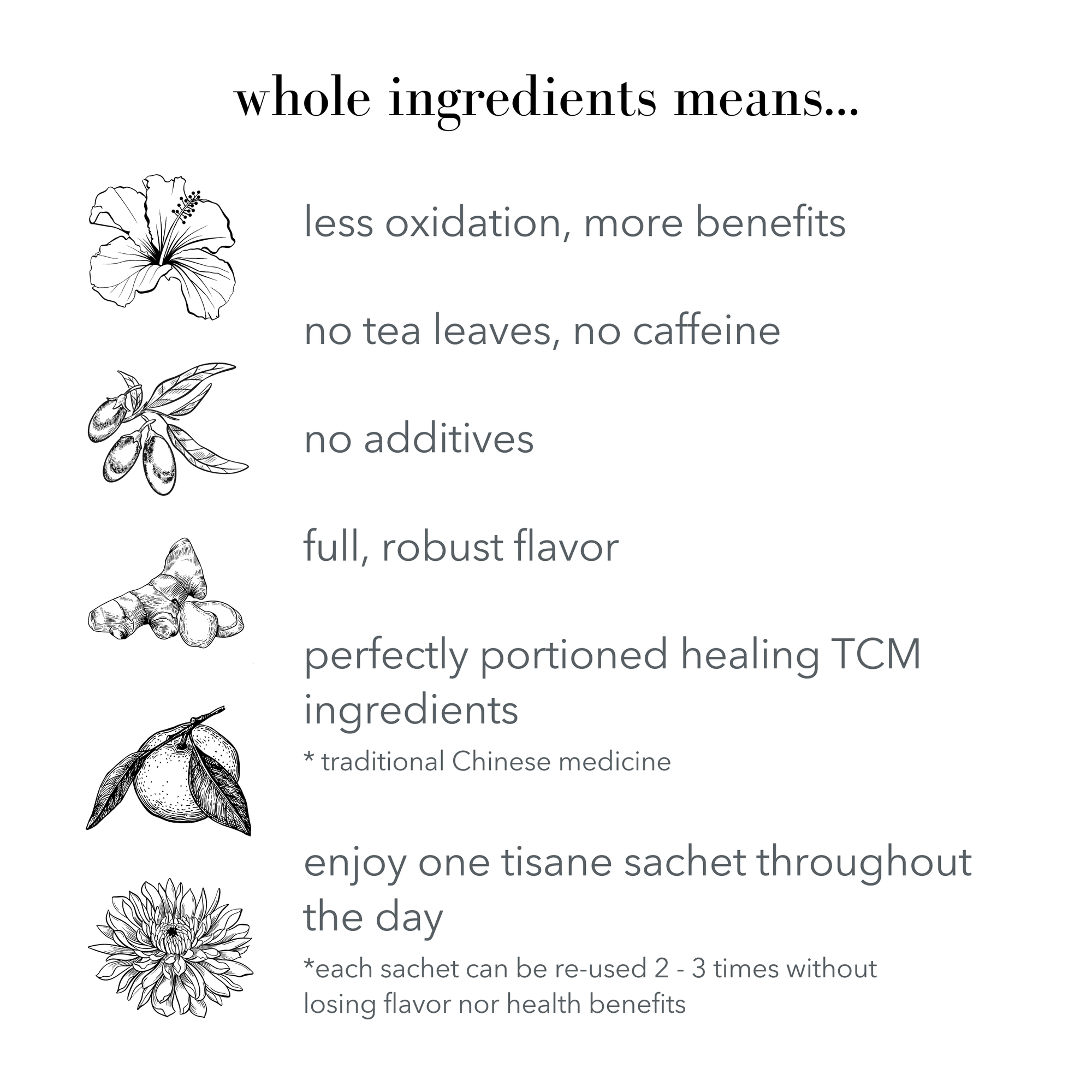
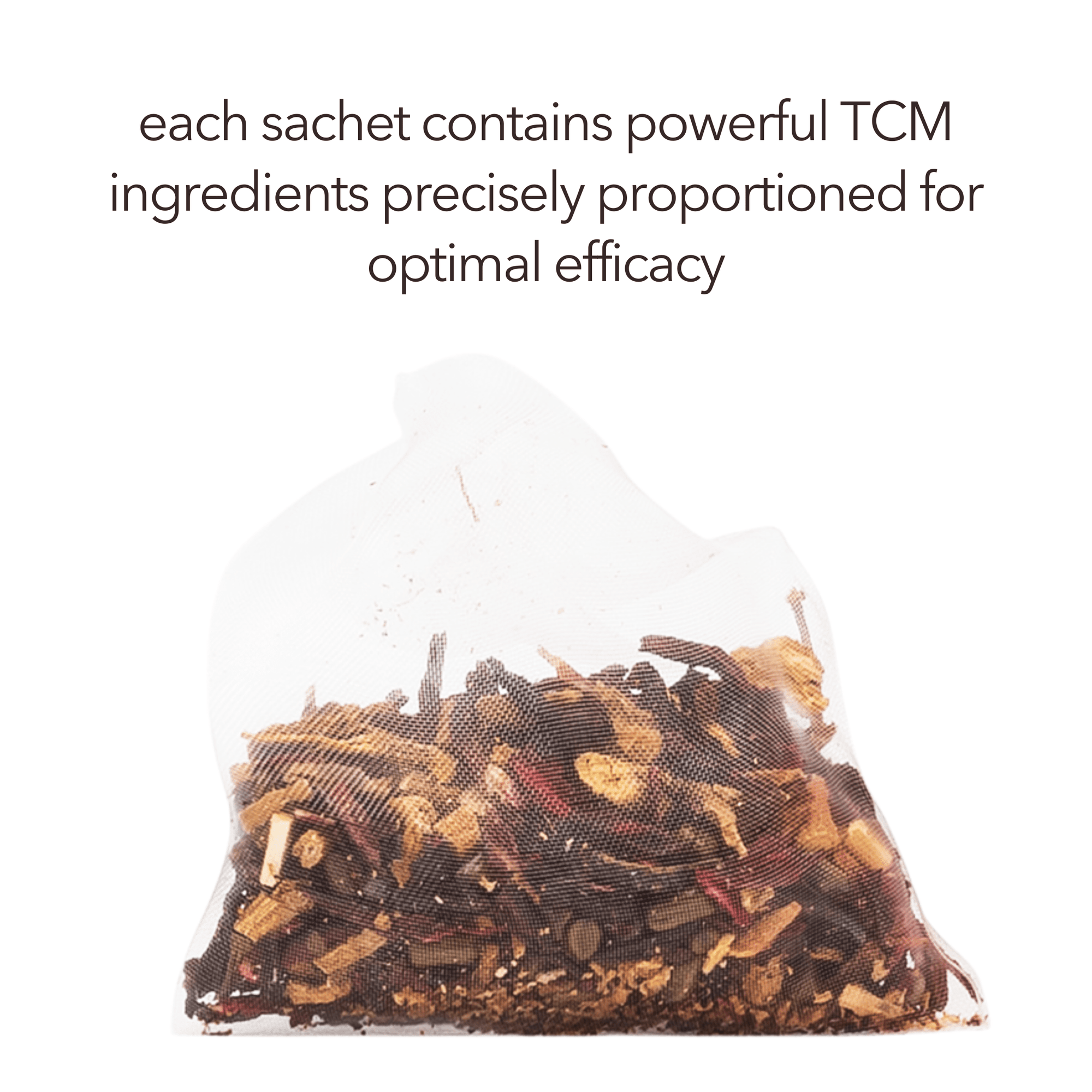
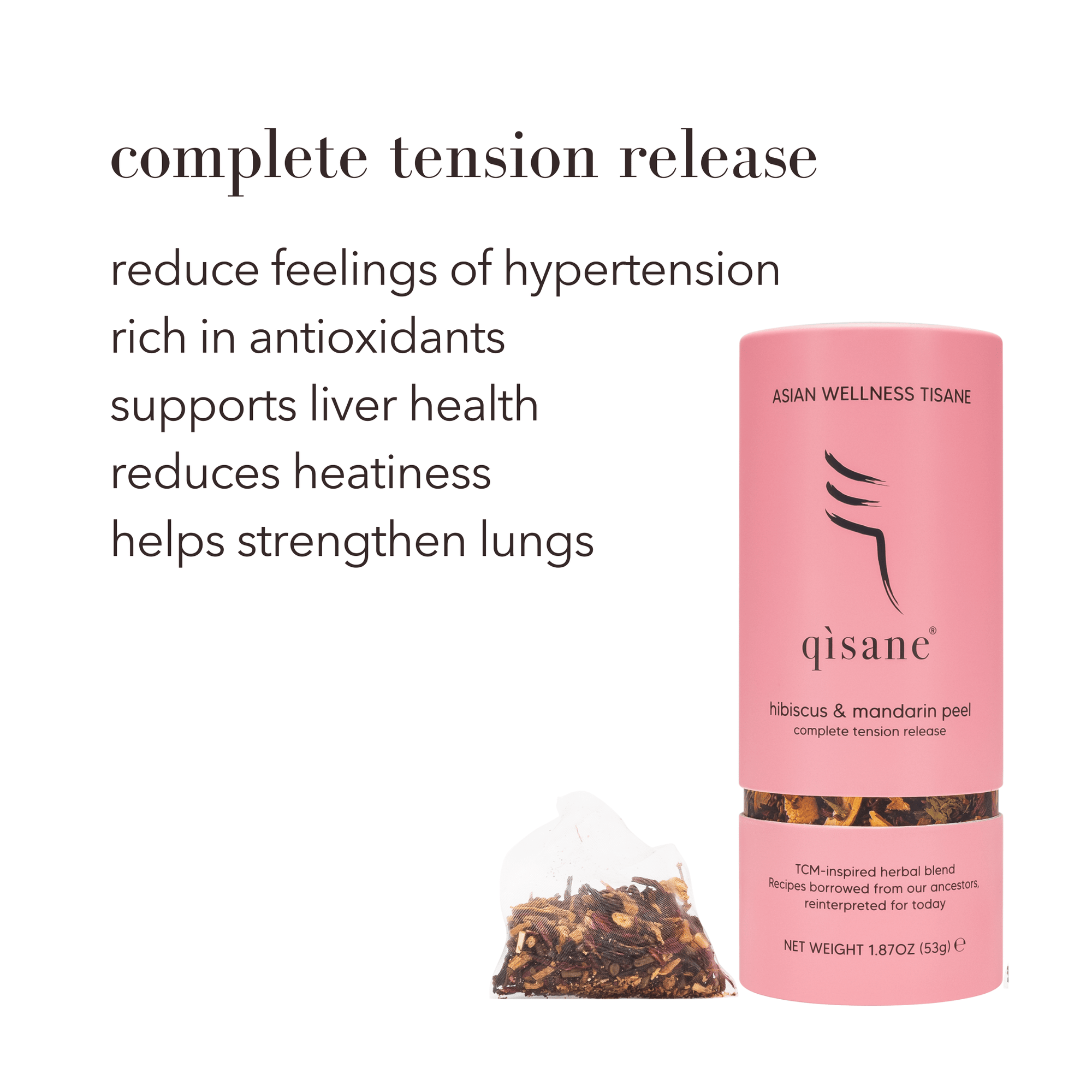
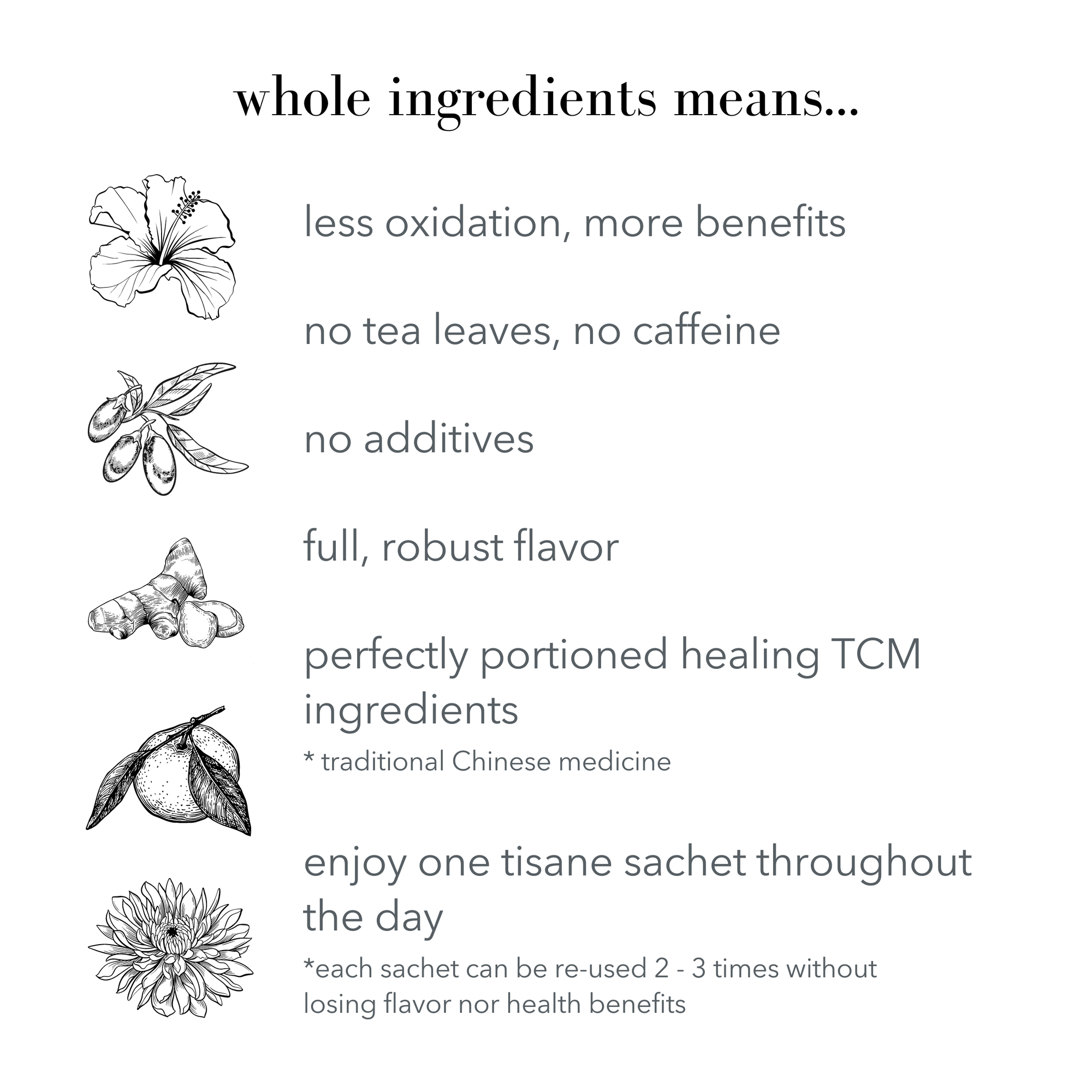
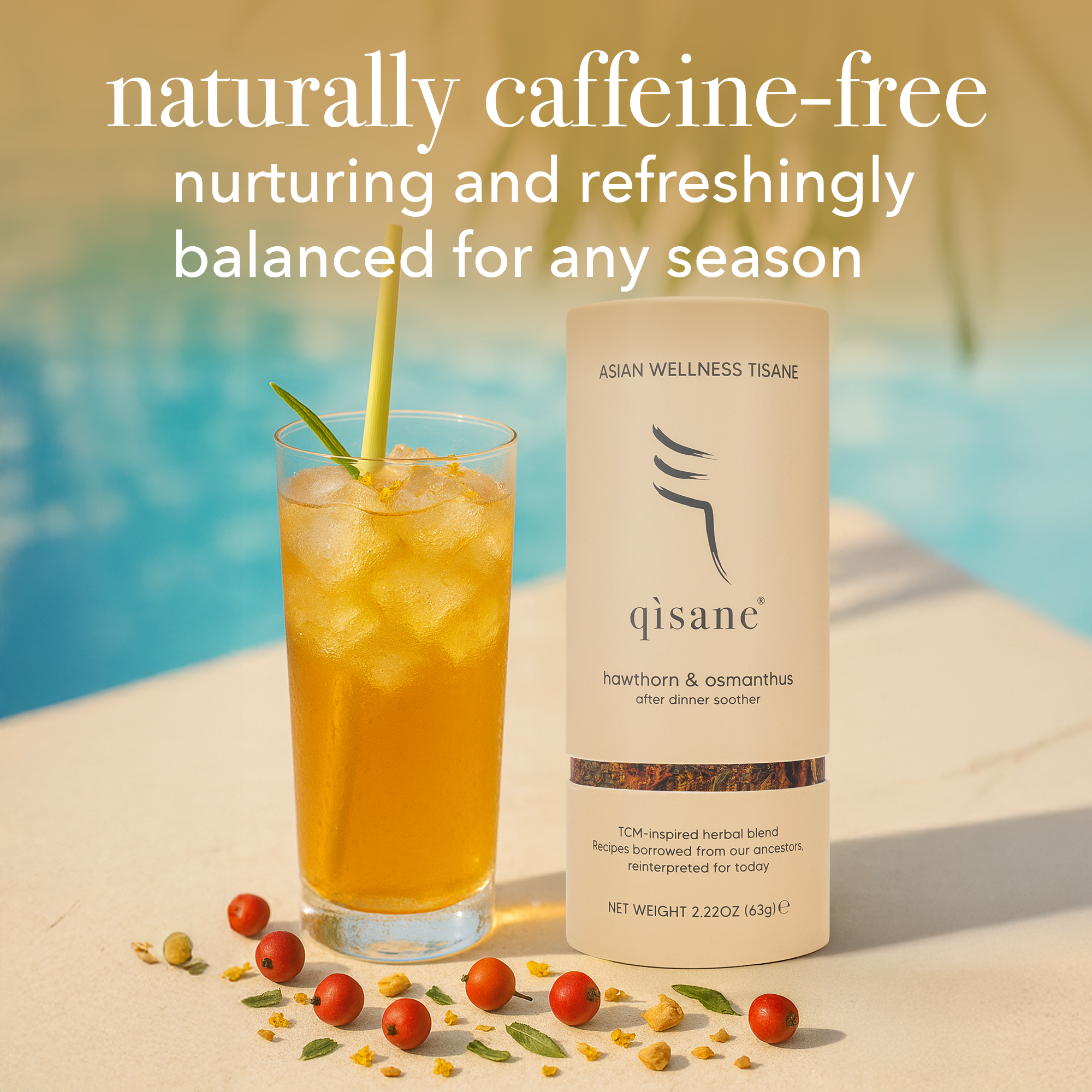
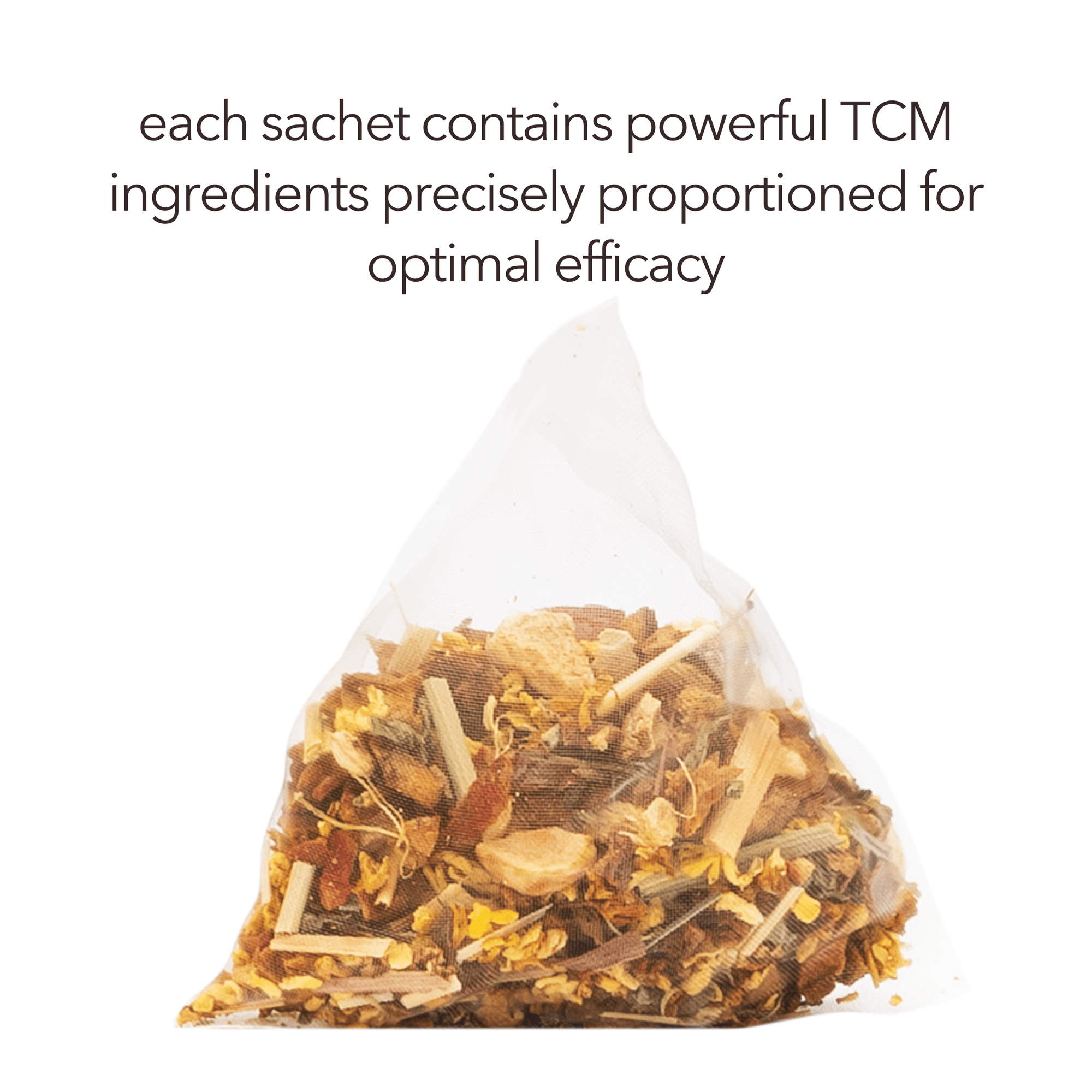
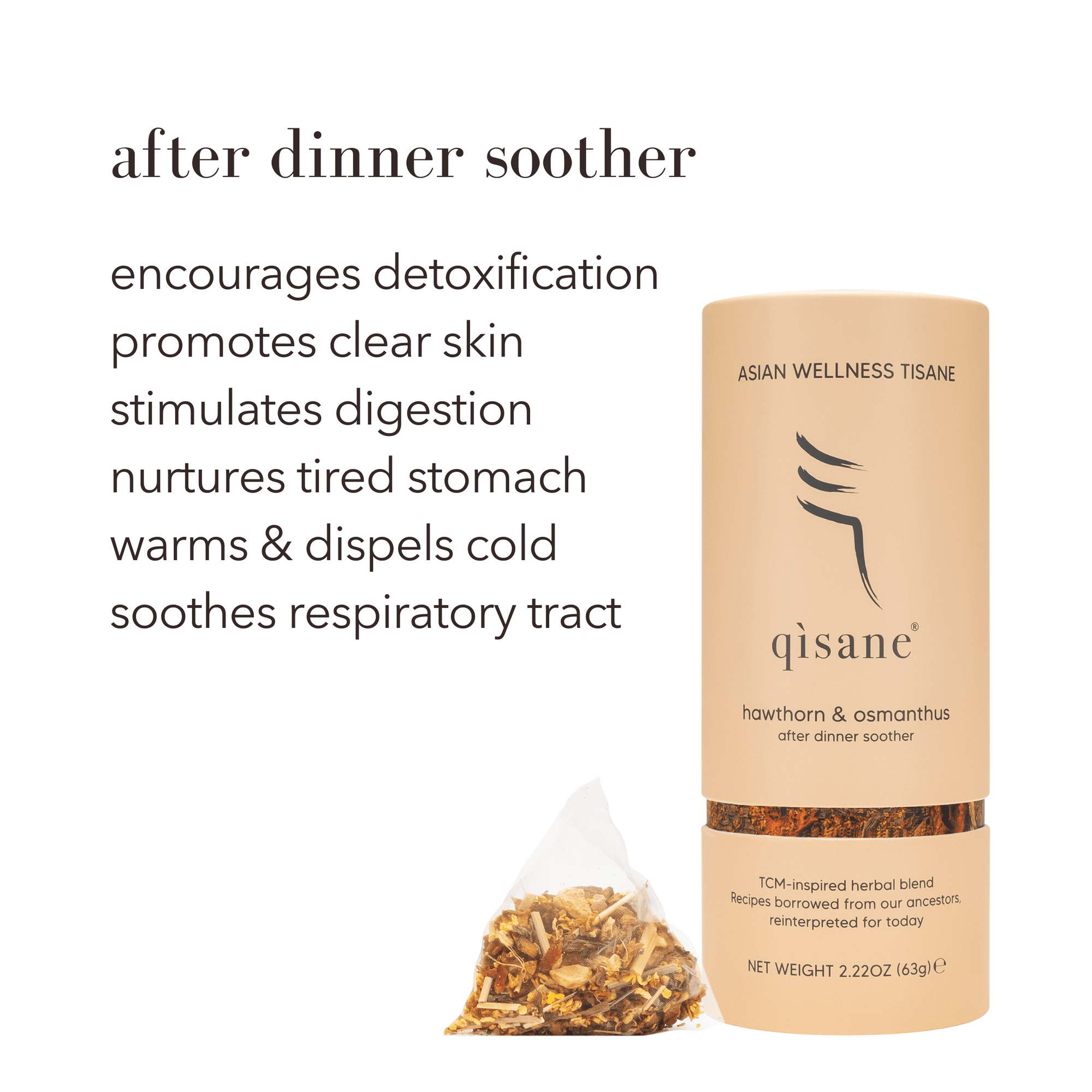
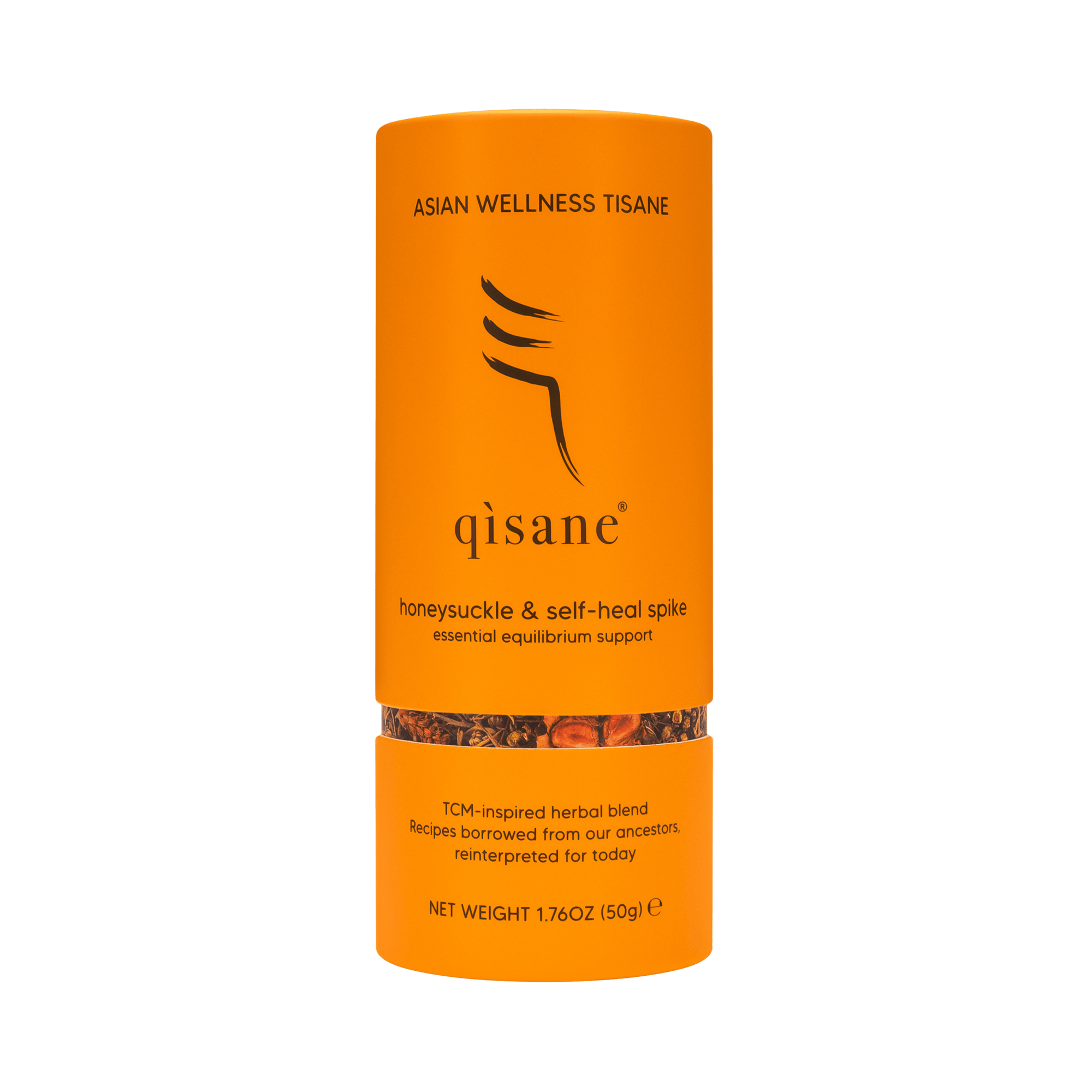
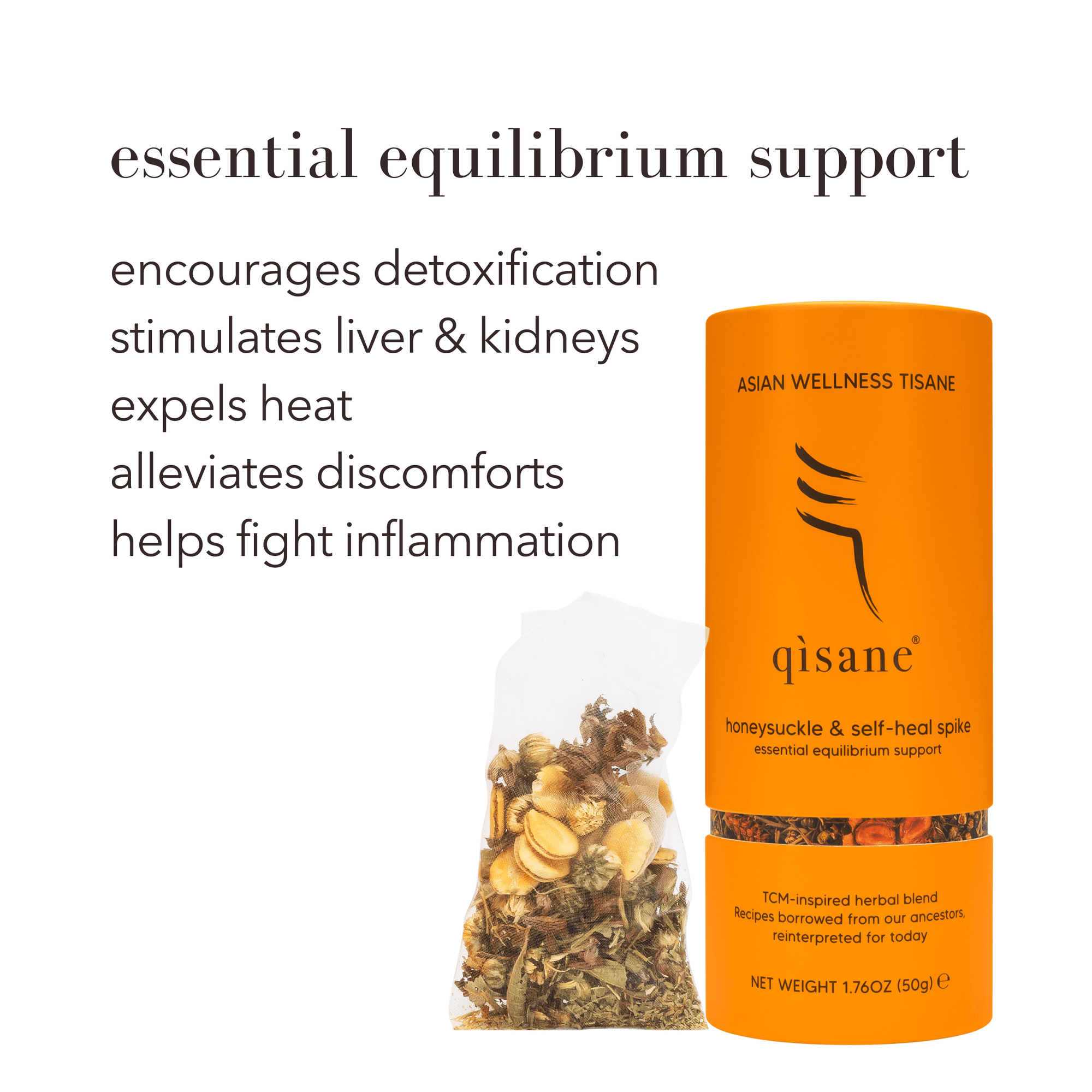
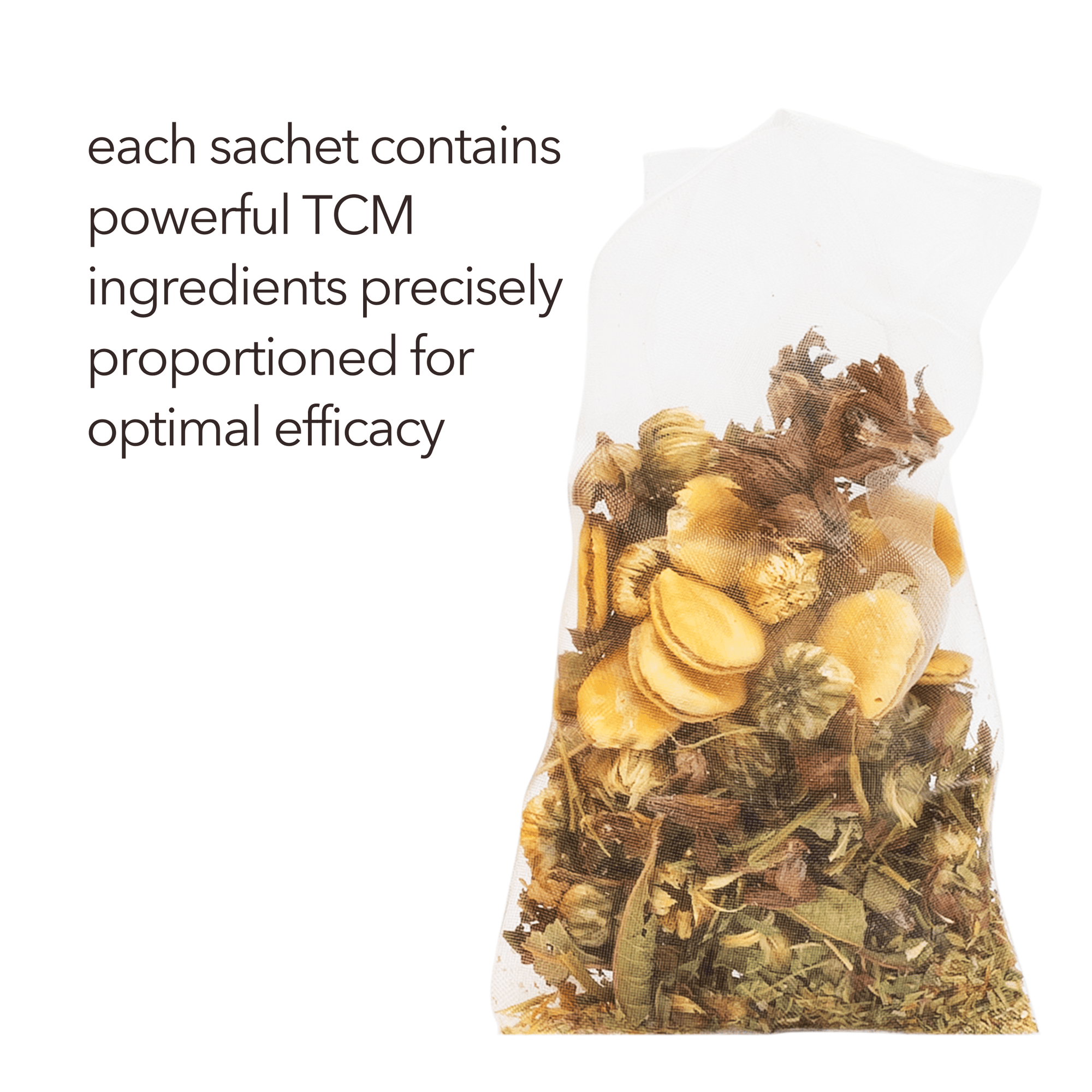
A warm drink can give a pause in the day a little more character. qìsane’s cordyceps & rose is a caffeine-free, lightly floral and earthy option made with pink roses, cordyceps flowers, jujube dates, organic astragalus root and codonopsis root. The whole ingredients bring flowers, fruit and roots together in one sachet.
That fits qìsane’s TCM-inspired approach to everyday ritual. It does not mean a cup supplies your daily vitamin requirements or has been shown to prevent infection. Choose it because you enjoy the blend and the moment it creates, alongside—not instead of—food and rest.
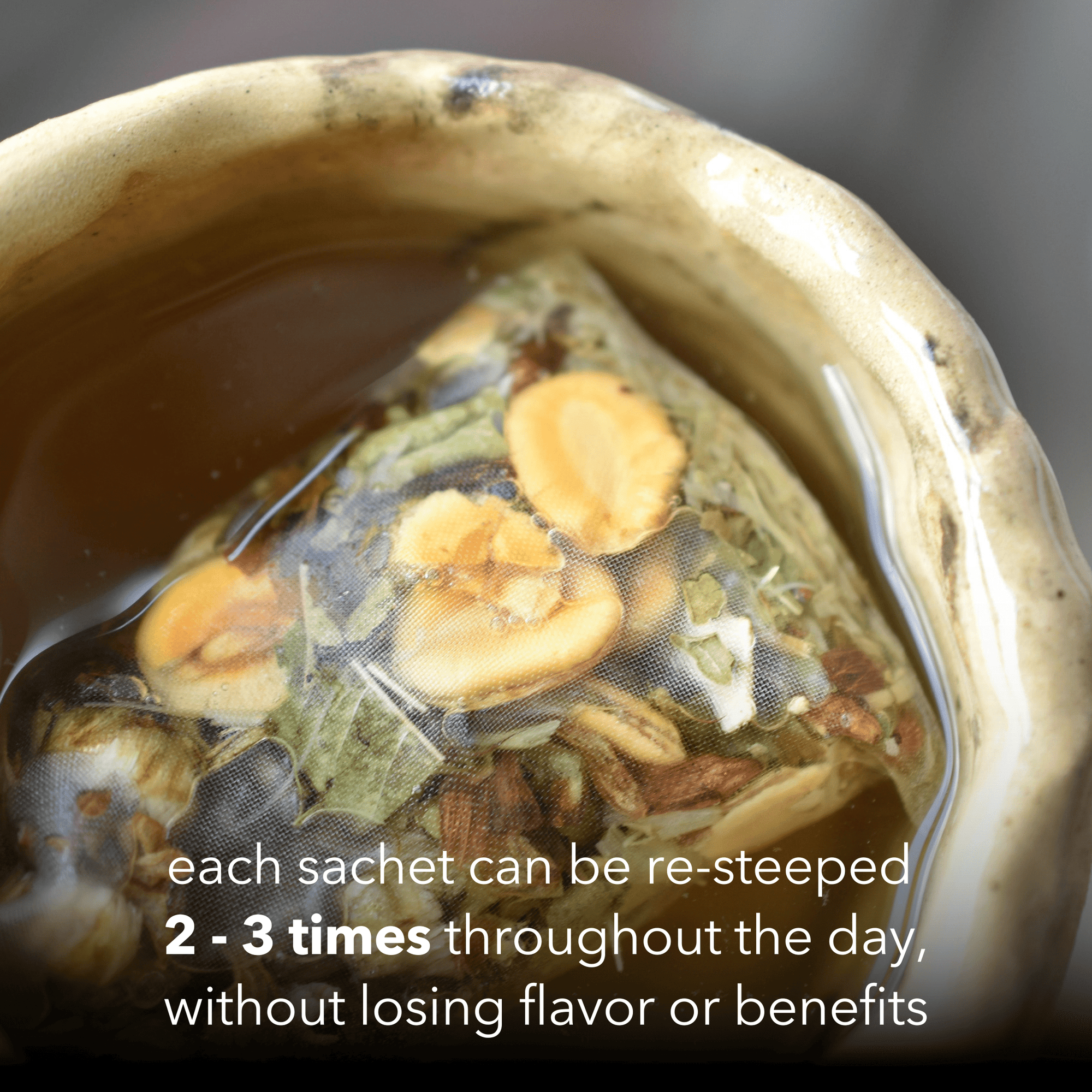
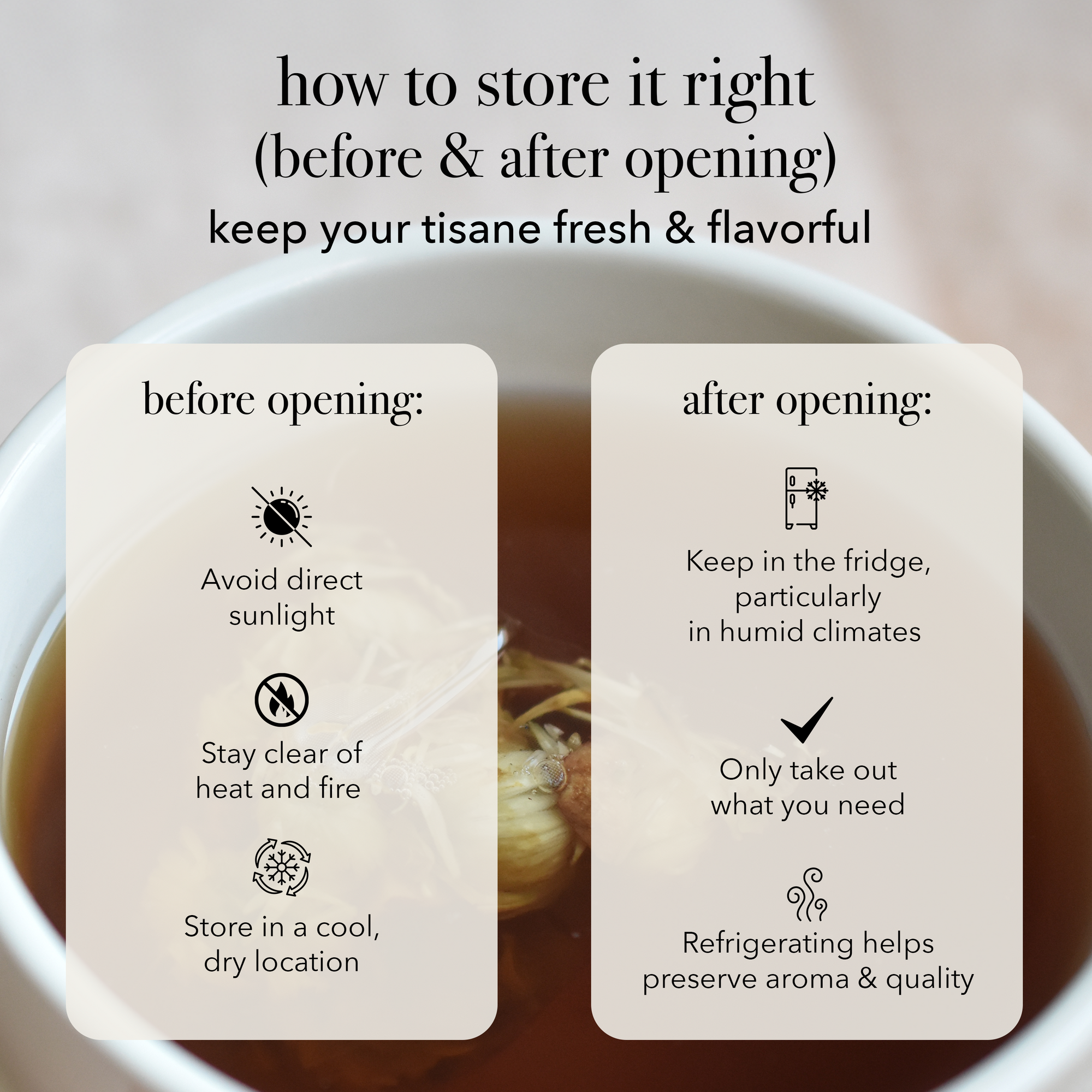
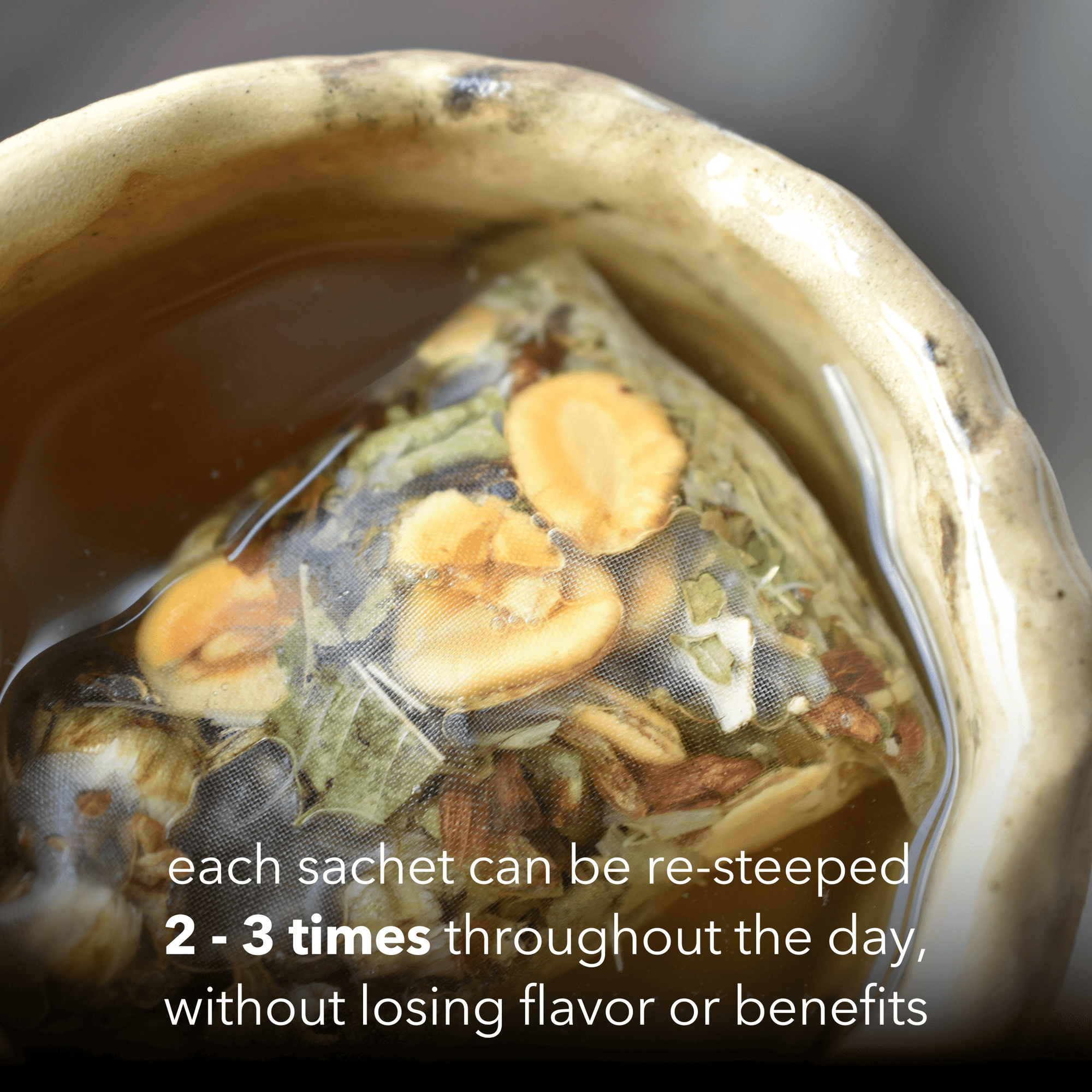
Follow the current pack directions; the product page specifies water at 96–98°C and a 6–7-minute steep. Let the drink cool to a comfortable temperature. If medicines or a health condition affect which herbs are suitable for you, check the complete ingredient list with your pharmacist or clinician.
Keep infection prevention in the picture
Healthy habits and exposure reduction do different jobs. The CDC’s respiratory-illness prevention guidance includes recommended immunizations, hand hygiene and cleaner indoor air. When you are sick, take steps to avoid spreading illness; people at higher risk should seek prompt treatment advice.
A preference for natural routines need not mean declining these protections. Tea, food and sleep do not replace vaccination or needed medical care.
Your simplest next step
Look at an ordinary day, not an ideal one. Choose one gap you can realistically address: assemble lunch before work, put a walk on your calendar, or make space for bedtime. Keep an enjoyable drink if it helps make the routine feel like yours. Build from that small, repeatable start.