

Quick overview
- Hibiscus tea is well tolerated by most people and has a long history of daily use in many parts of the world
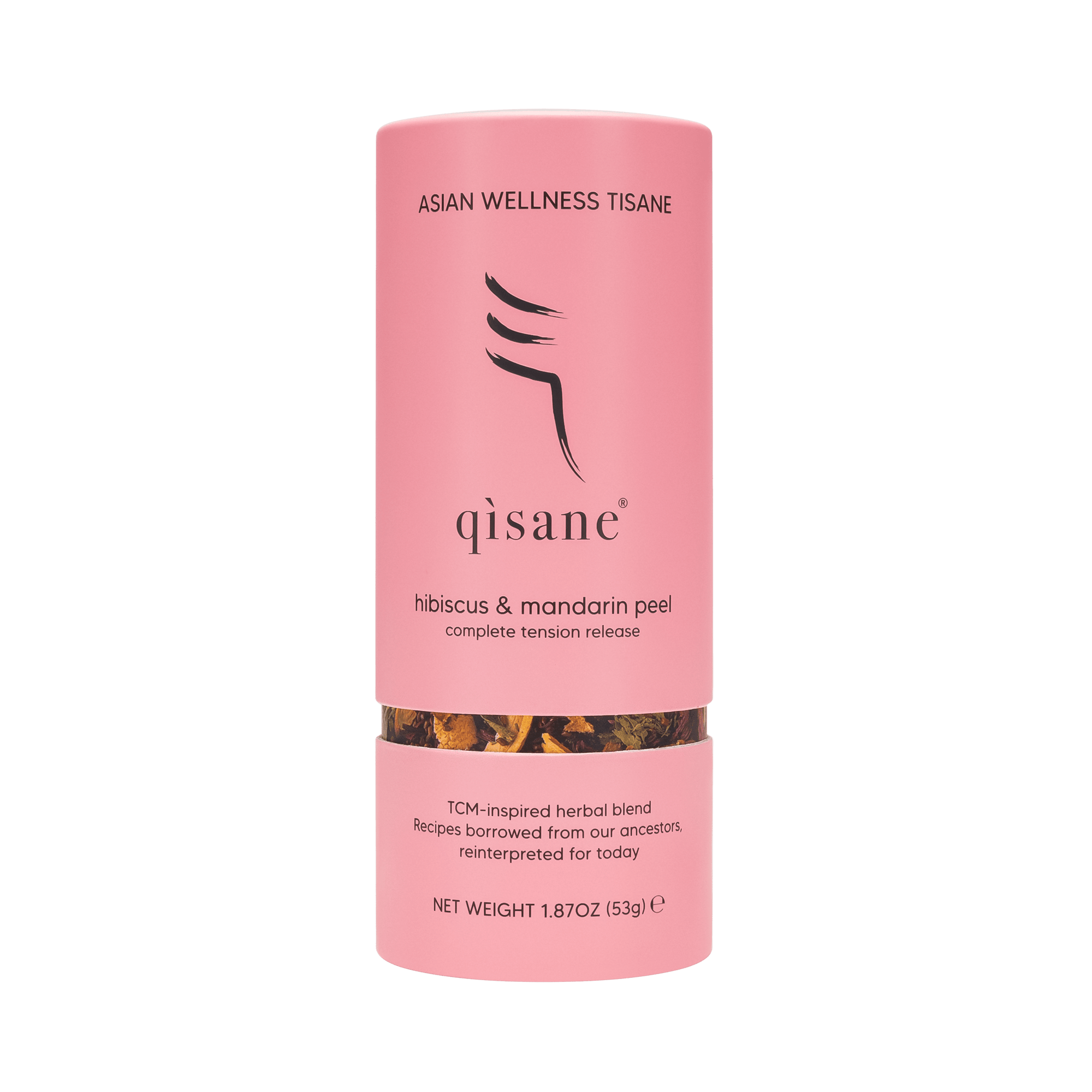
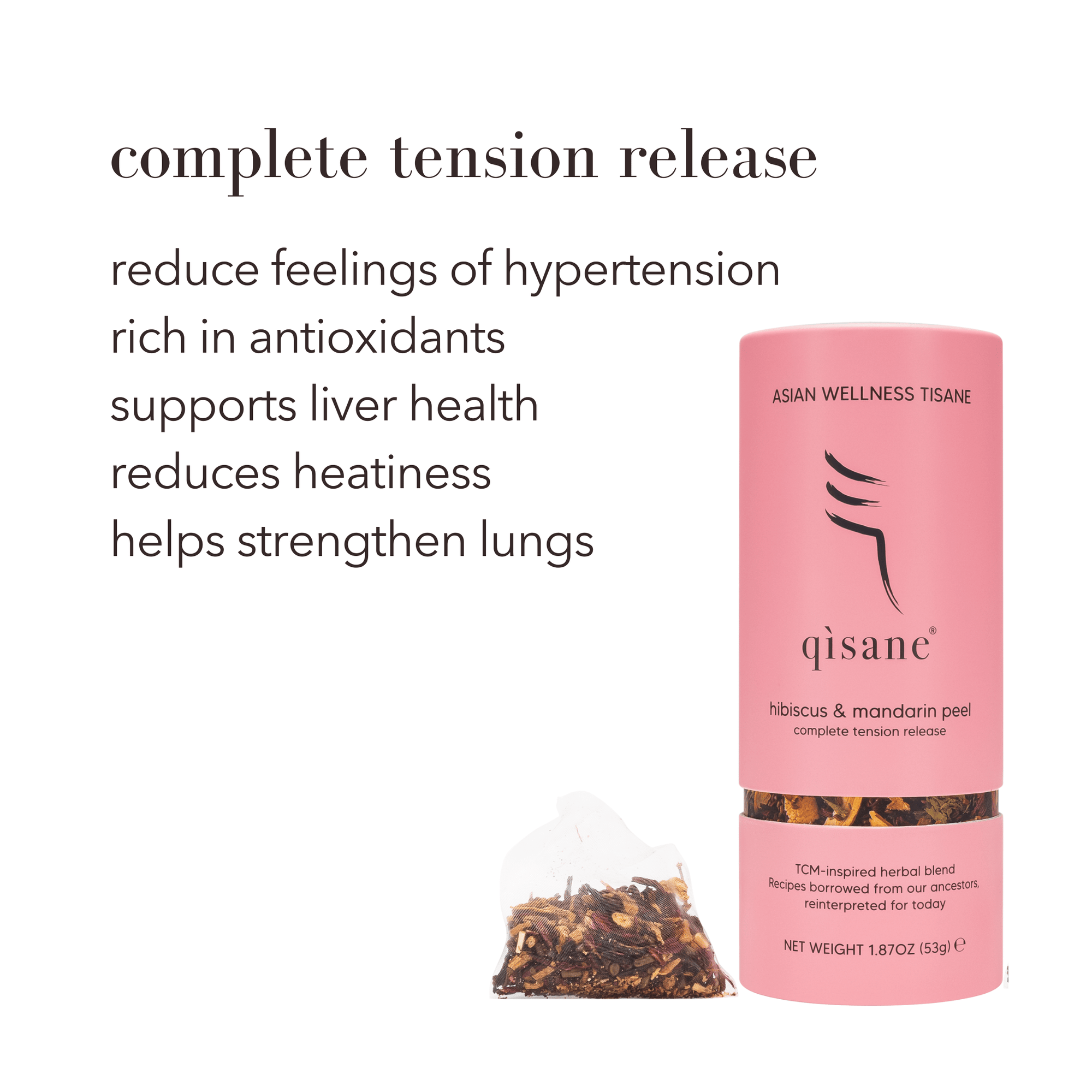
- The Hibiscus & Mandarin Peel blend combines hibiscus with aged mandarin peel, cassia seed, and licorice root, four ingredients with a long history together in Traditional Chinese Medicine
- It can have a mild effect on blood pressure, and the blend contains licorice root, which works on blood pressure in the opposite direction, so the full picture is worth understanding rather than just the hibiscus part
- If you take medication for blood pressure, diabetes, or fluid balance, a quick conversation with your doctor or pharmacist before making it a daily habit is a sensible step
Hibiscus tea has been a daily drink across Egypt, Mexico, West Africa, and large parts of Asia for generations. It is tart, deeply red, and naturally caffeine-free, and it has earned a reasonable amount of scientific interest for its effects on blood pressure and cholesterol. For most people, it is a genuinely good addition to a daily routine. This guide walks through what is actually known about the blend, including a specific note for anyone on regular prescription medication for blood pressure, blood sugar, or fluid retention, since hibiscus does have real, measurable effects on the body rather than being purely inert.
Hibiscus Tea & Medication Interactions: What the Research Shows
Hibiscus flowers are rich in anthocyanins and other polyphenols, which is where their deep red color comes from. These compounds are also behind hibiscus's most studied effect: a modest reduction in blood pressure, working through pathways that researchers believe may support the body's normal ability to maintain healthy blood pressure. For someone not on medication, this is generally considered a mild, beneficial effect. For someone already taking a drug that lowers blood pressure through a similar pathway, the two effects can add together, which occasionally pushes blood pressure lower than intended.
Hibiscus also has a gentle diuretic effect and has been studied for a modest influence on blood sugar. Both of these overlap with what certain prescription medications are already doing, which is the root of most of the interactions described below.
What's in the Hibiscus & Mandarin Peel tisane
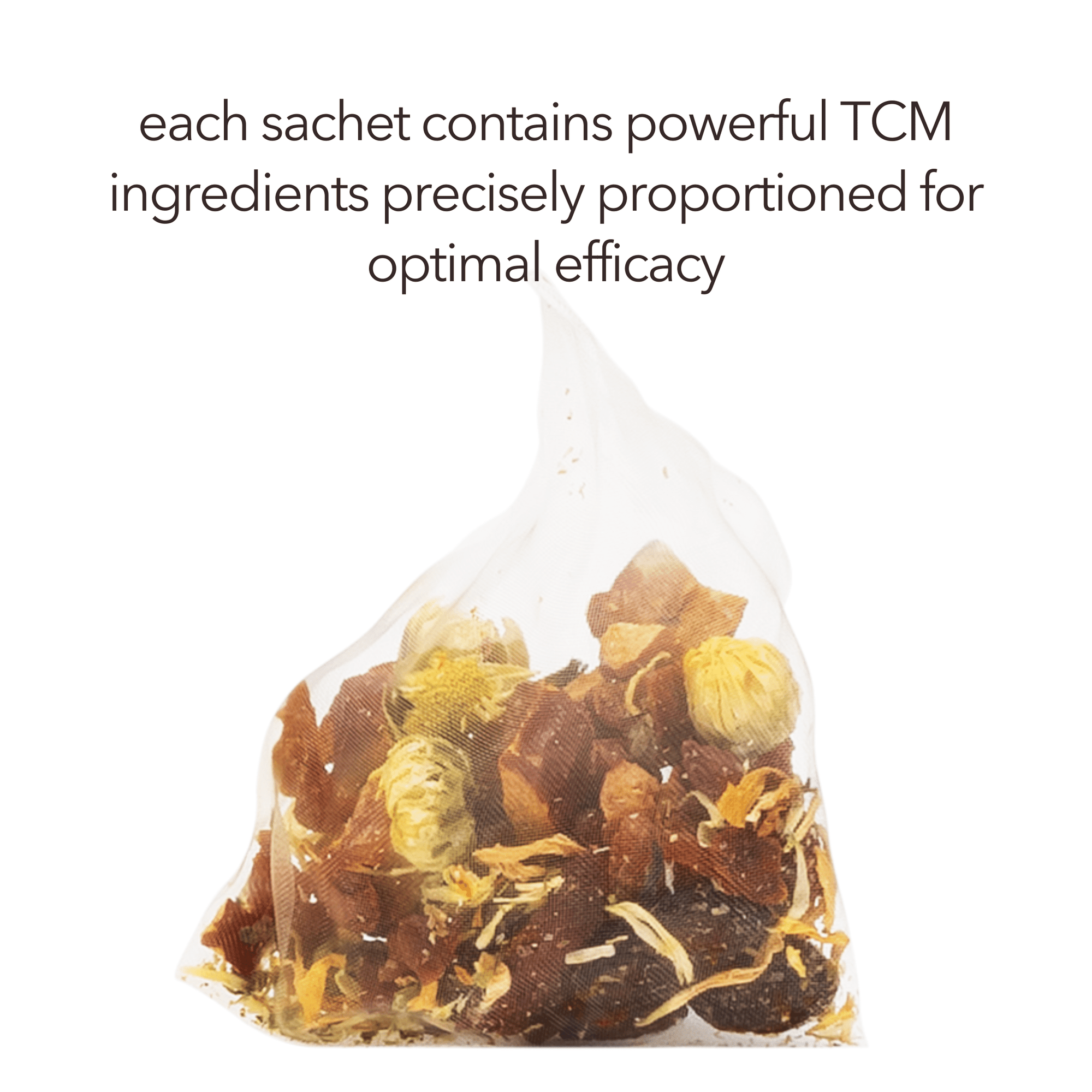
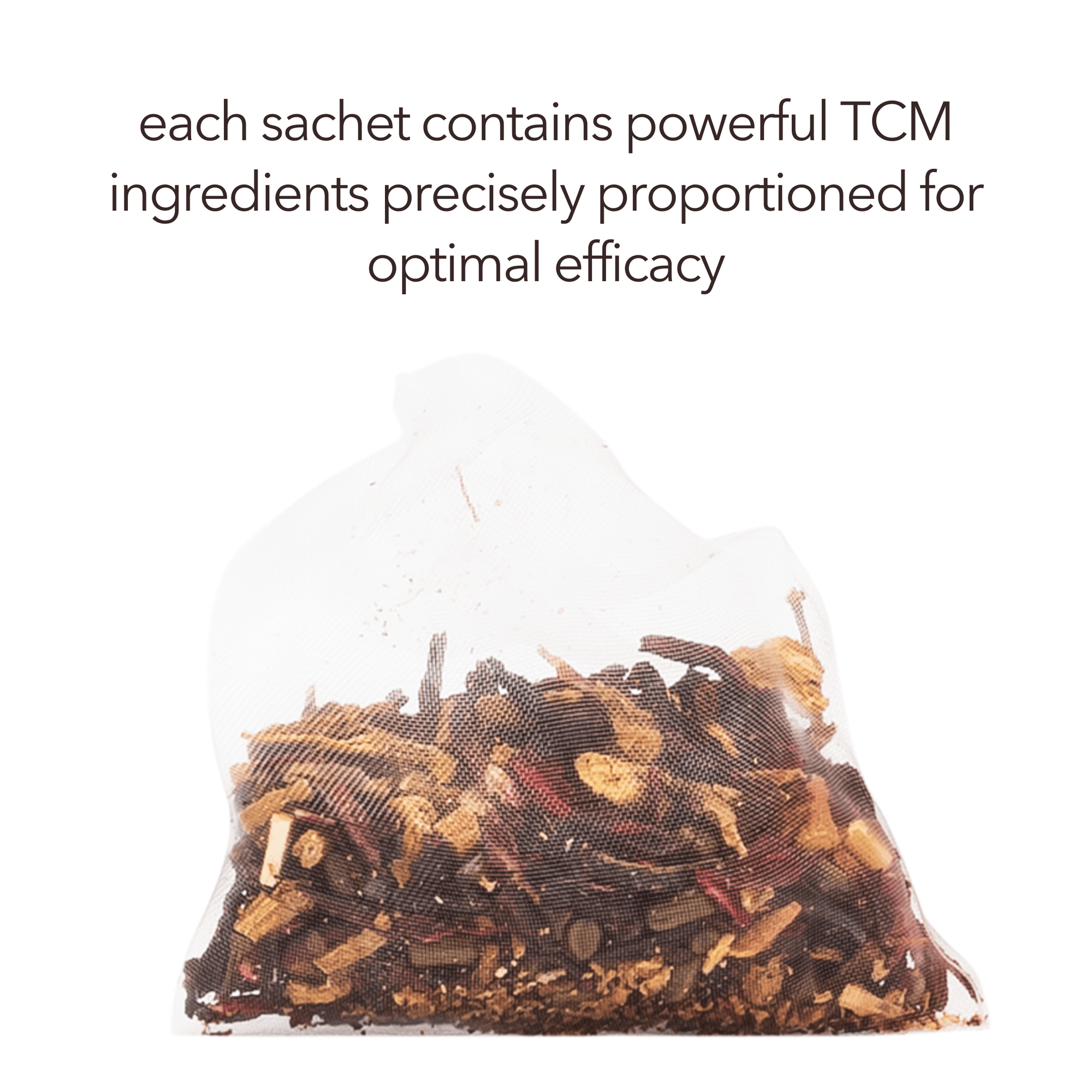
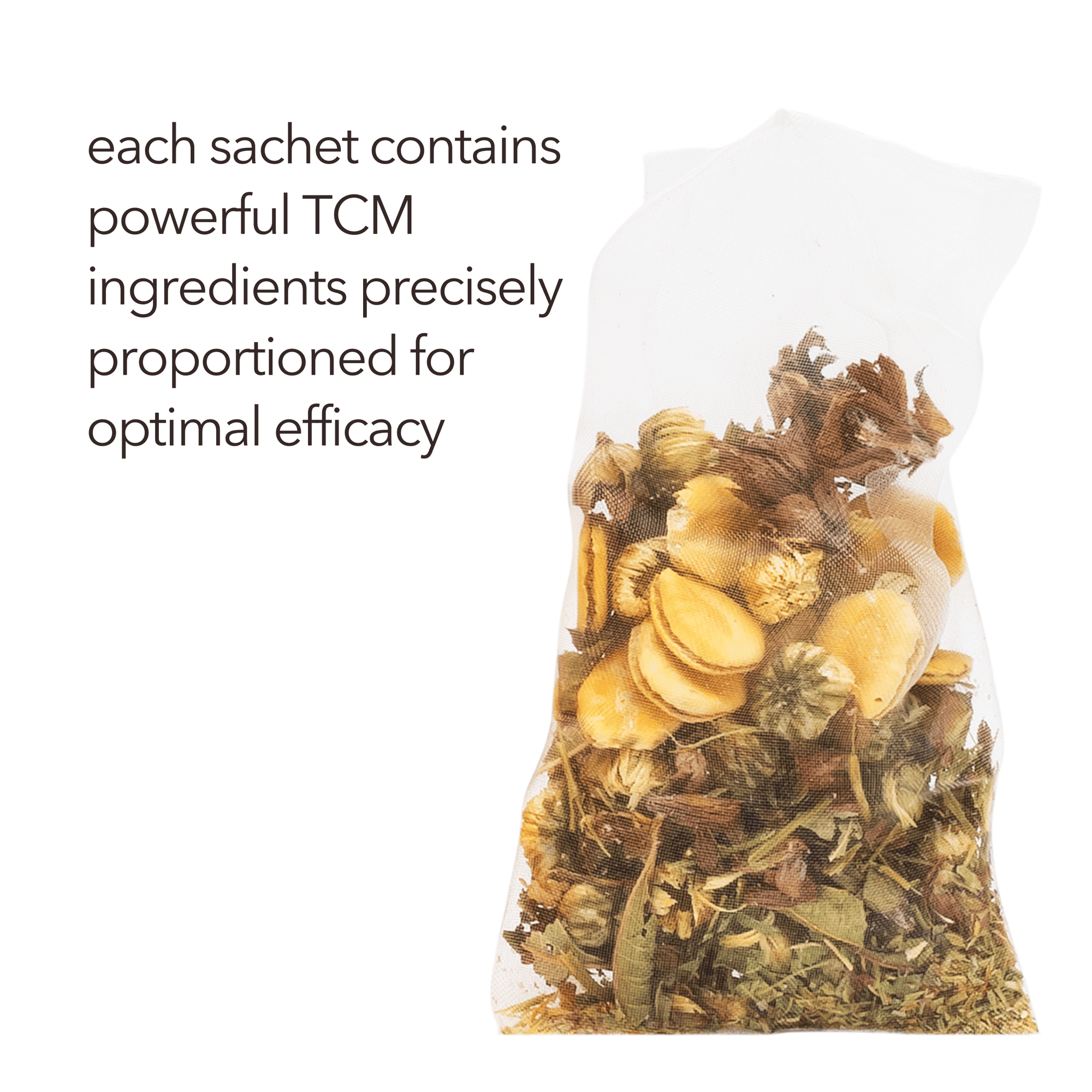
This blend combines organic hibiscus, aged mandarin peel, cassia seed, and licorice root, four ingredients with a long history together in Traditional Chinese Medicine formulas aimed at liver function and easing tension. Each one has its own profile worth knowing if you're on medication.
Hibiscus is the ingredient discussed above: mild blood pressure lowering, gentle diuretic action, and a possible modest effect on blood sugar.
Aged mandarin peel (chen pi) is used in TCM to support digestion and ease the sense of tightness or stagnation that builds under stress. It does not have a significant known interaction profile with common medications.
Licorice root is the ingredient that changes the picture. In meaningful quantities, licorice root tends to raise blood pressure rather than lower it, and it can cause the body to lose potassium. This is well documented and is actually the opposite direction from hibiscus on the blood pressure question, but the same direction as hibiscus when it comes to diuretics and potassium loss, since both can contribute to it. If you take a diuretic, particularly one that already depletes potassium such as hydrochlorothiazide or furosemide, this is the detail most worth discussing with your doctor. The amount of licorice root in a tisane sachet is far lower than the doses associated with the case reports of licorice-related health issues in medical literature, which typically involve sustained heavy intake of licorice candy or concentrated extract, but it is still the more relevant caution in this blend than hibiscus alone would suggest.
Cassia seed here refers to the seed (jue ming zi in TCM), traditionally used in small amounts for digestive comfort and eye health, not the senna leaf or pod used as a strong stimulant laxative. In the small quantities found in a tea blend, it is generally mild and not associated with the more significant laxative interactions seen with senna-based products.
Blood pressure medication: the main thing to know
If you take medication for high blood pressure, this is the most relevant section. Hibiscus tends to lower blood pressure; licorice root tends to raise it. In combination, the net effect on any individual is genuinely hard to predict without monitoring, which is actually a more honest answer than saying the blend will simply add to your medication's effect.
Medication classes most relevant here include ACE inhibitors (lisinopril, enalapril, ramipril), ARBs (losartan, valsartan), calcium channel blockers (amlodipine, diltiazem), beta-blockers (metoprolol, atenolol), and diuretics, which are covered in more detail below. If you're on any of these, it's worth mentioning the tea to your doctor and keeping half an eye on how you feel, particularly dizziness or lightheadedness, in the first couple of weeks of drinking it regularly.
Diuretics and potassium
This is the section where caution matters most for this specific blend, because both hibiscus and licorice root can contribute to potassium loss when combined with a prescription diuretic. Thiazide diuretics (hydrochlorothiazide, chlorthalidone) and loop diuretics (furosemide, bumetanide) already lower potassium on their own. Adding a source of licorice on top of that is the kind of combination a doctor would want to know about, especially if you already have your potassium levels monitored.
Signs of low potassium are usually subtle at first: a bit of muscle weakness or unusual fatigue. If you're on one of these medications and want to enjoy this tea regularly, it's reasonable to ask your doctor whether an occasional potassium check makes sense, particularly in the first month.
Diabetes medication
Hibiscus has been studied for its potential role in supporting normal blood sugar balance. On its own, this is rarely dramatic, but if you're managing diabetes with insulin, sulfonylureas (glipizide, glyburide), or similar medications that are already working to bring glucose down, it's worth knowing the tea could add a small additional pull in the same direction. Checking your blood sugar a bit more attentively for the first week or two after adding it to your routine, and mentioning it at your next appointment, covers most of what's needed here.
A few other medications worth a mention
The evidence is thinner for these, but they come up often enough to be worth noting briefly:
- Chloroquine (an antimalarial): hibiscus may reduce how much of the drug your body absorbs, which matters if you're taking it for malaria prevention or treatment.
- Warfarin: licorice root has been linked to faster breakdown of warfarin in the body, which could reduce its anticlotting effect. If you're on warfarin or another blood thinner, this is worth a specific mention to your doctor.
- Digoxin: licorice-related potassium loss can increase the risk of digoxin side effects. This combination is worth flagging if it applies to you.
Hibiscus & Mandarin Peel: made to be transparent about what's in the cup
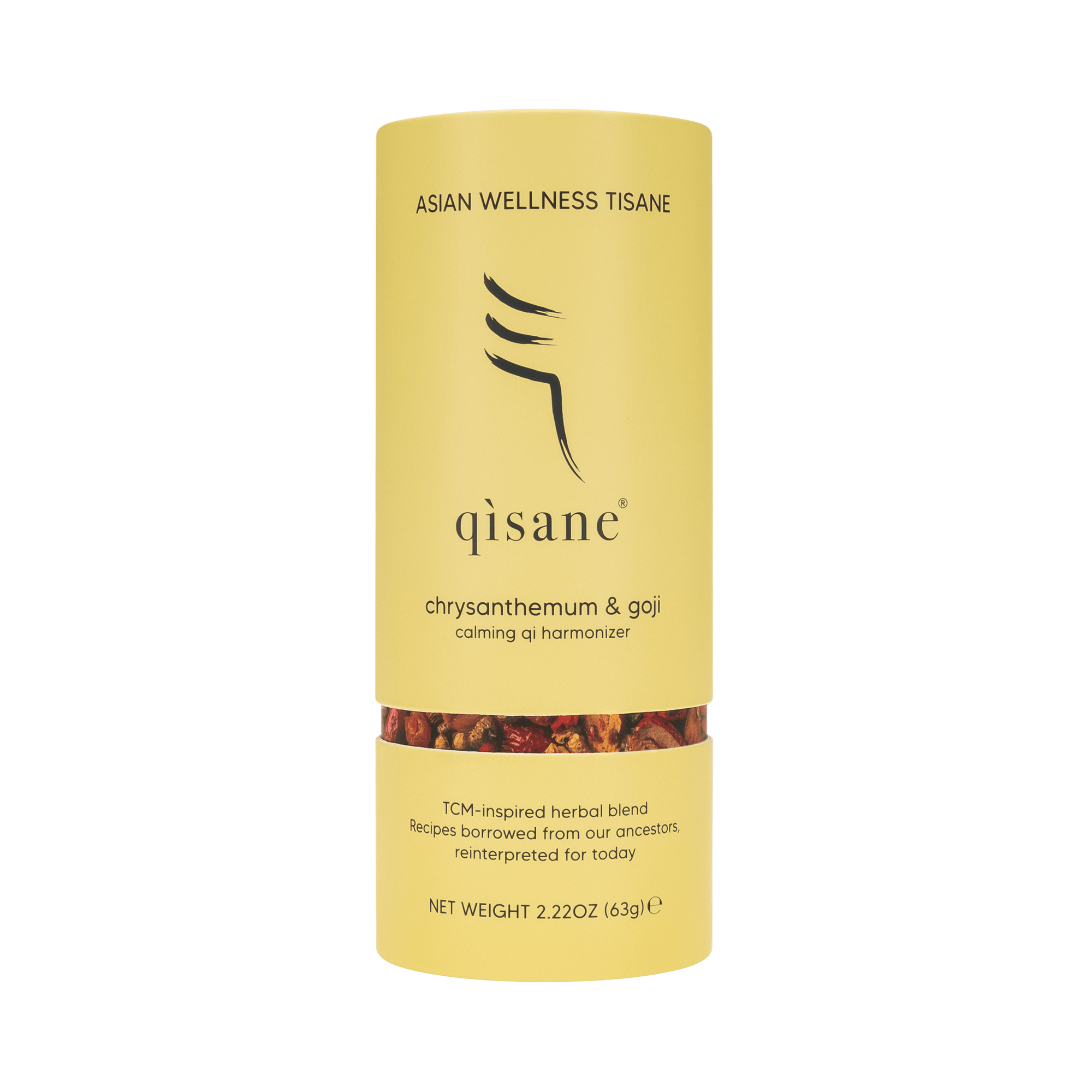
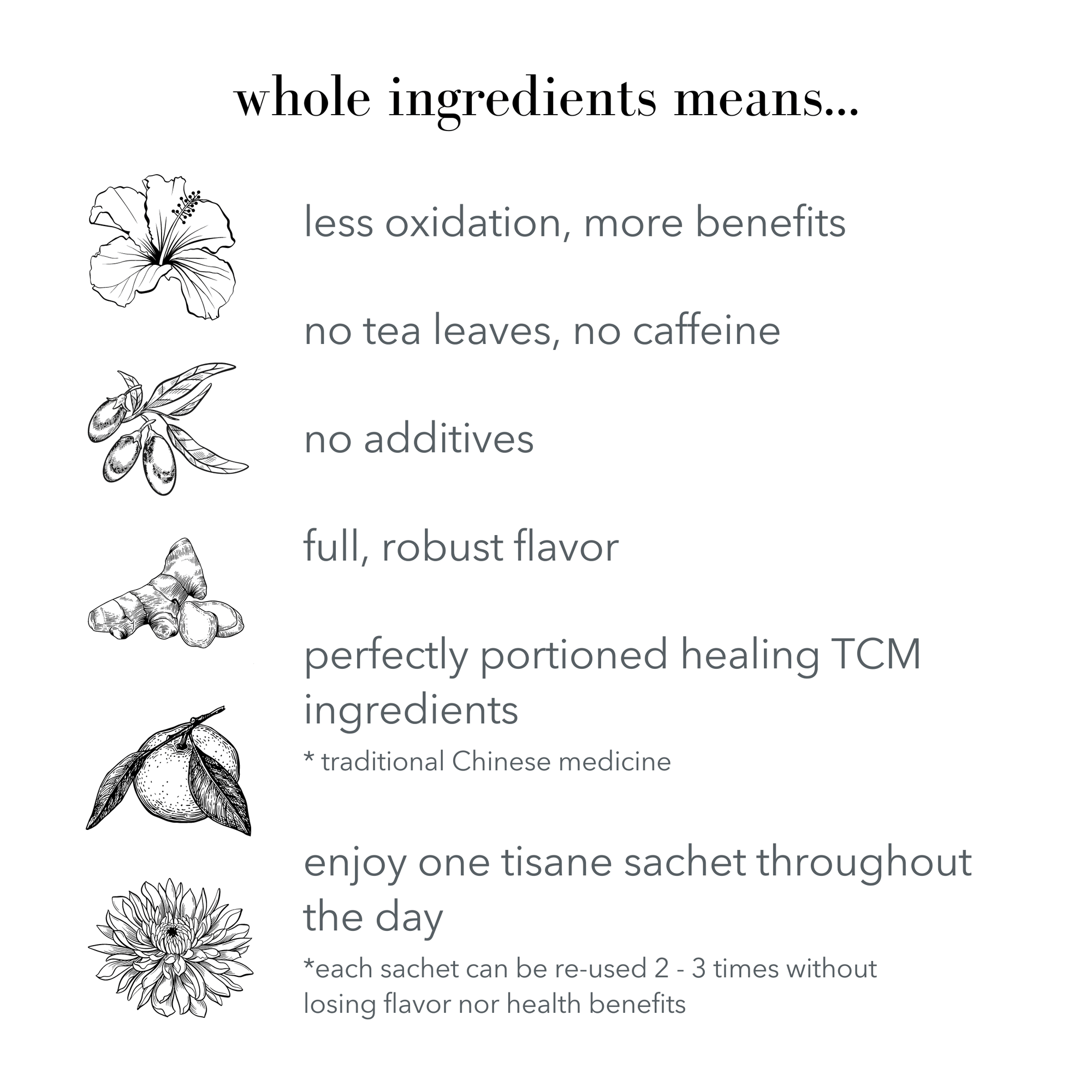
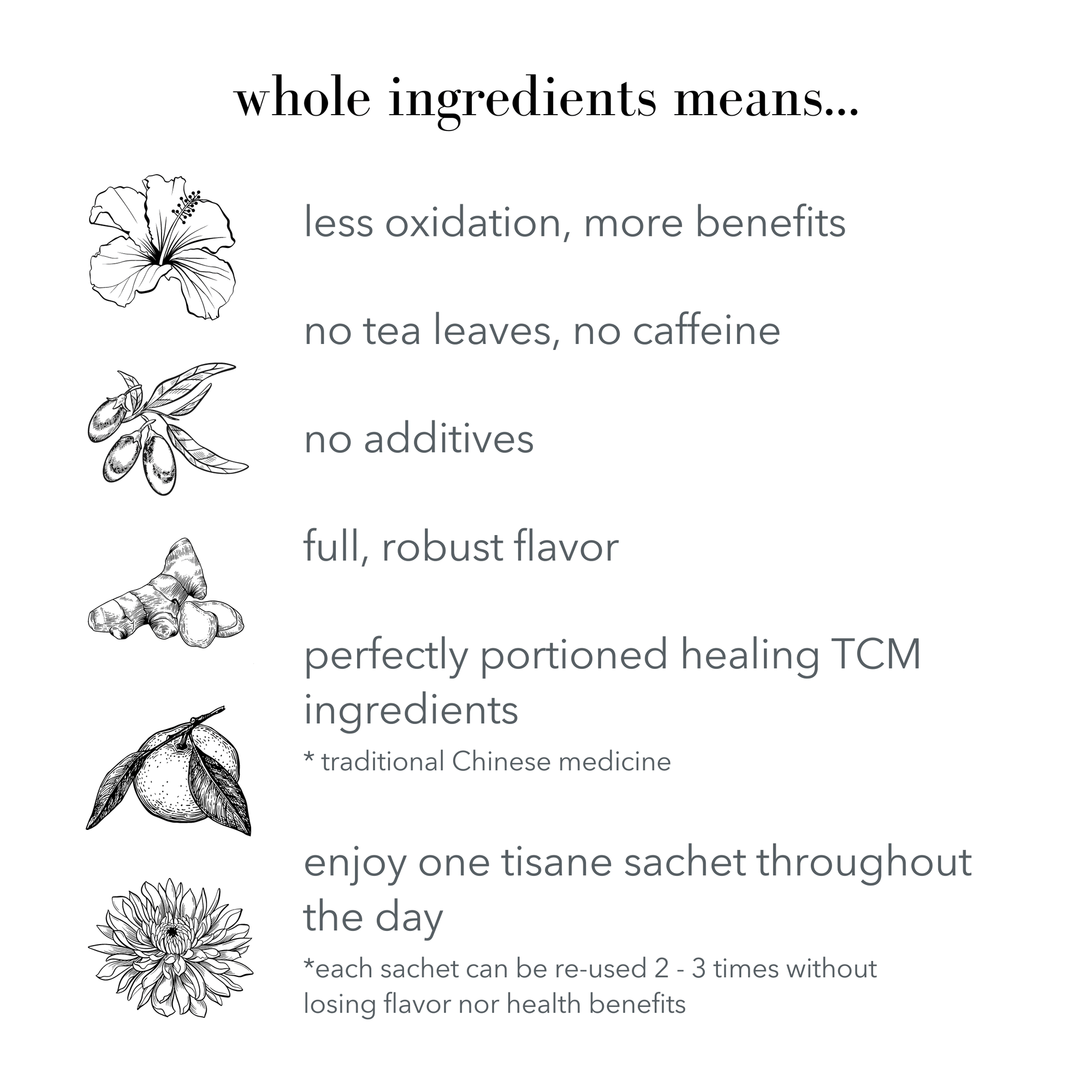
If you've talked to your doctor and you're in the clear, or if none of the above applies to you, choosing a tea where you know exactly what you're drinking makes these conversations easier in the first place. Hibiscus & Mandarin Peel is made with whole organic hibiscus, aged mandarin peel, cassia seed, and licorice root, with nothing else added. No fillers, no artificial flavoring, no undisclosed extras. That matters here specifically: if you ever do need to mention this tea to your doctor or pharmacist, you can tell them precisely what's in it rather than guessing.
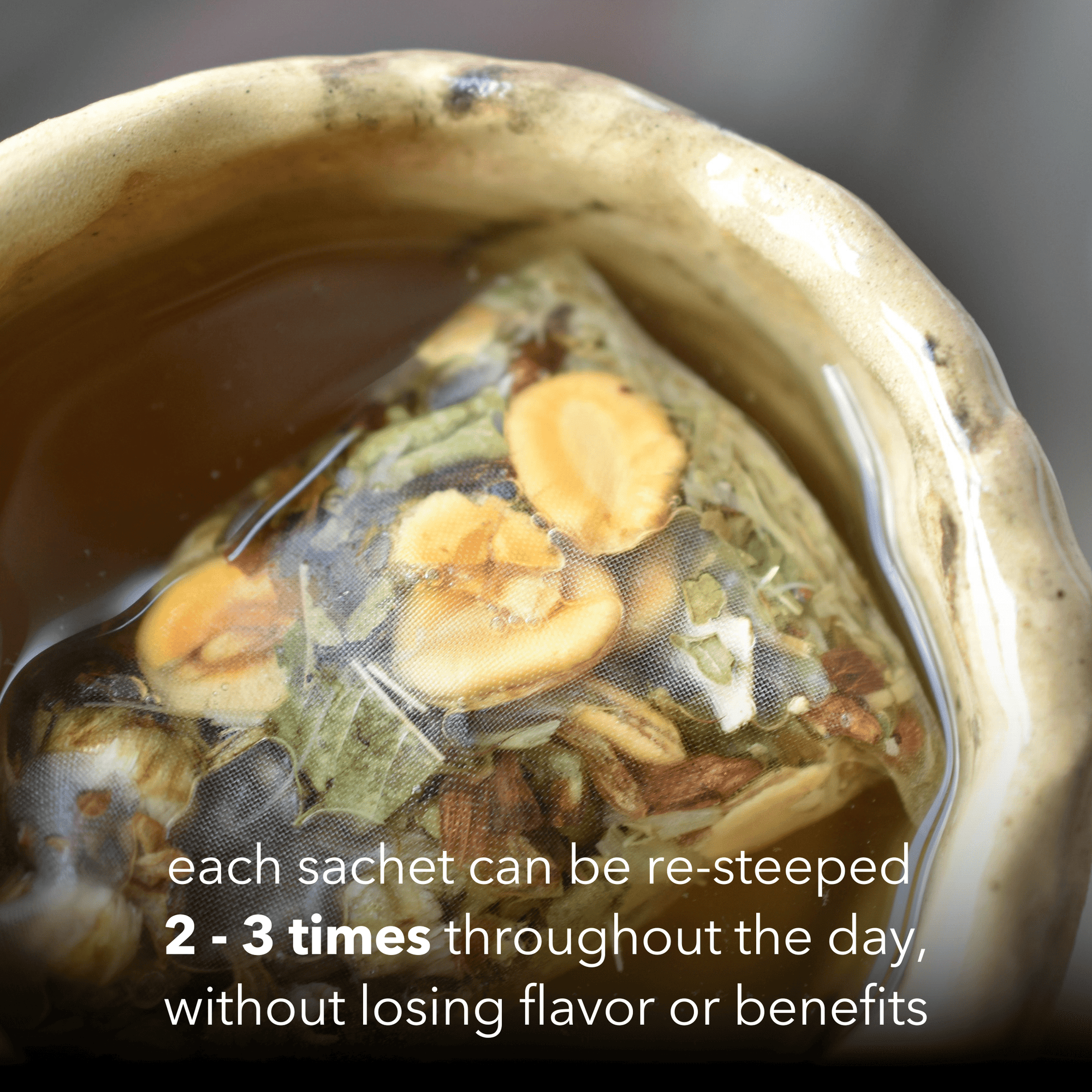
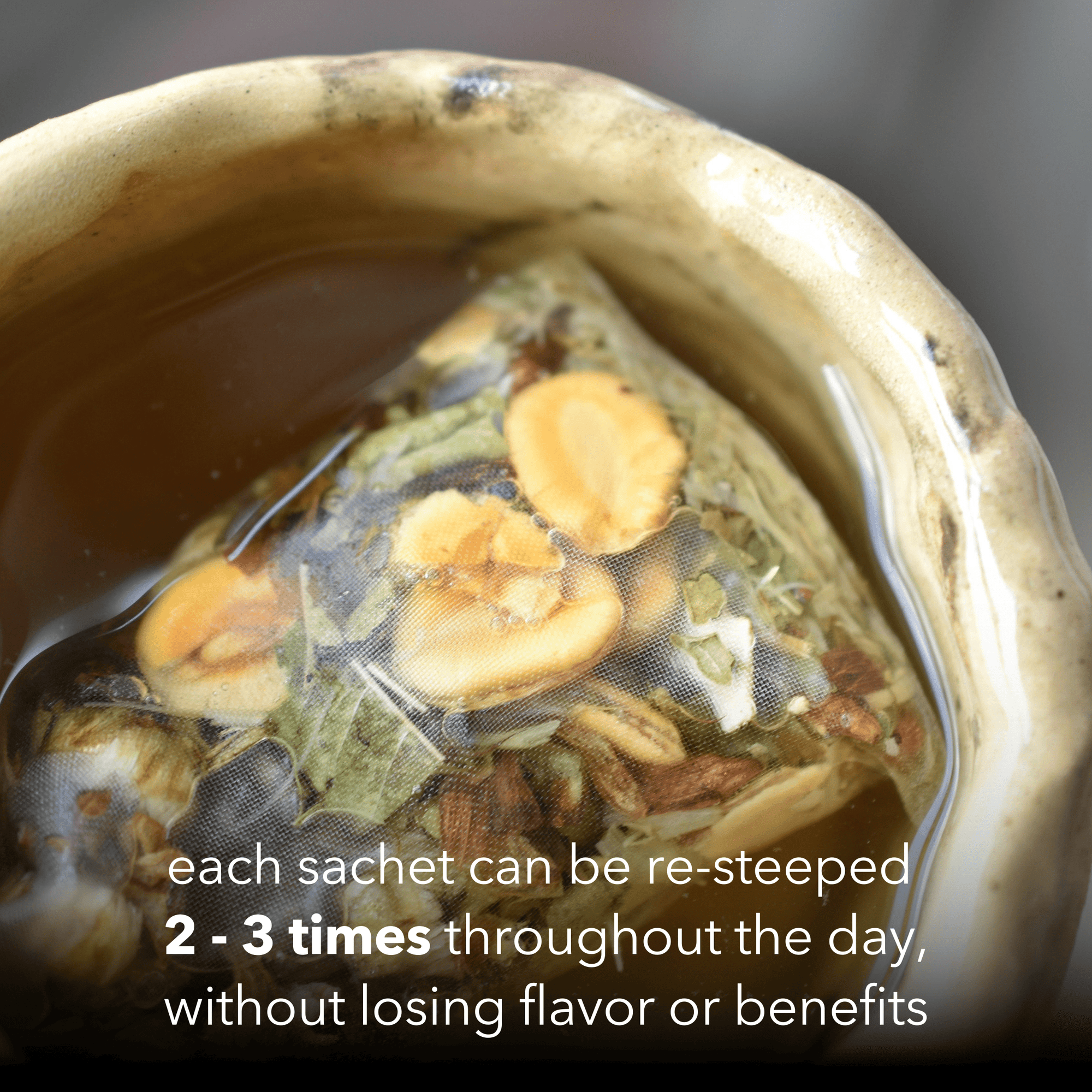
The blend is bold, tart, and deeply colored, citrus-warmed by the mandarin peel and rounded out with a touch of natural sweetness from the licorice. It's caffeine-free and the oversized sachets hold up across two steeps, so a single sachet carries you through an afternoon.
Should you drink it? A quick checklist
This is most relevant if any of the following apply to you:
- You take blood pressure medication, especially alongside a diuretic
- You take a diuretic or have been told to watch your potassium
- You take insulin or another glucose-lowering medication
- You take warfarin, digoxin, or chloroquine
- You are pregnant, breastfeeding, or have a history of low blood pressure
If none of these apply, this tea is very likely a low-risk, pleasant addition to your routine, and the tens of thousands of people who drink hibiscus tea daily around the world are a reasonable indication of that. If one or more does apply, it doesn't mean you need to avoid the tea altogether. It means a short conversation with your doctor or pharmacist first is the sensible move, the same way it would be for any new supplement or dietary change.
Frequently asked questions
Can I drink this tea if I'm on blood pressure medication?
Probably, but it's worth mentioning to your doctor first, particularly because this blend contains both hibiscus and licorice root, which pull blood pressure in opposite directions. Most people tolerate it well, but your doctor can tell you whether your specific medication and dose make monitoring worthwhile.
How much can I drink per day?
Most of the research showing benefits used one to three cups daily. If you're on any of the medications mentioned above, starting with a smaller amount and seeing how you feel over the first week is a reasonable approach.
Is it safe during pregnancy?
Generally not recommended. Both hibiscus and licorice root have traditional cautions in pregnancy, and licorice root specifically has been linked in some studies to effects worth avoiding during pregnancy. Skip this one unless your obstetrician has specifically said otherwise.
I felt a bit dizzy after drinking it. What should I do?
Stop and sit down until it passes. If you have a home blood pressure monitor and take blood pressure medication, it's worth checking your reading. Either way, mention it to your doctor, especially if it happens more than once.
Does it interact with birth control?
There's no strong evidence of an interaction between hibiscus and hormonal contraceptives. If you notice anything unusual, it's still worth mentioning to your doctor, but this isn't one of the higher-priority interactions covered above.
Medical disclaimer
This article is for informational purposes only and is not medical advice. Always consult a qualified healthcare professional before making changes to your diet, supplement routine, or medication regimen. Do not stop or adjust any prescription medication without your doctor's guidance.
Related reading