

At a Glance: The After-Meal Ritual in Numbers
| Ritual Parameter | Detail |
|---|---|
| Key botanicals | Hawthorn berry, osmanthus, ginger, lemongrass |
| Best timing after eating | 15–30 minutes post-meal |
| Steeping duration | 6–7 minutes in hot water |
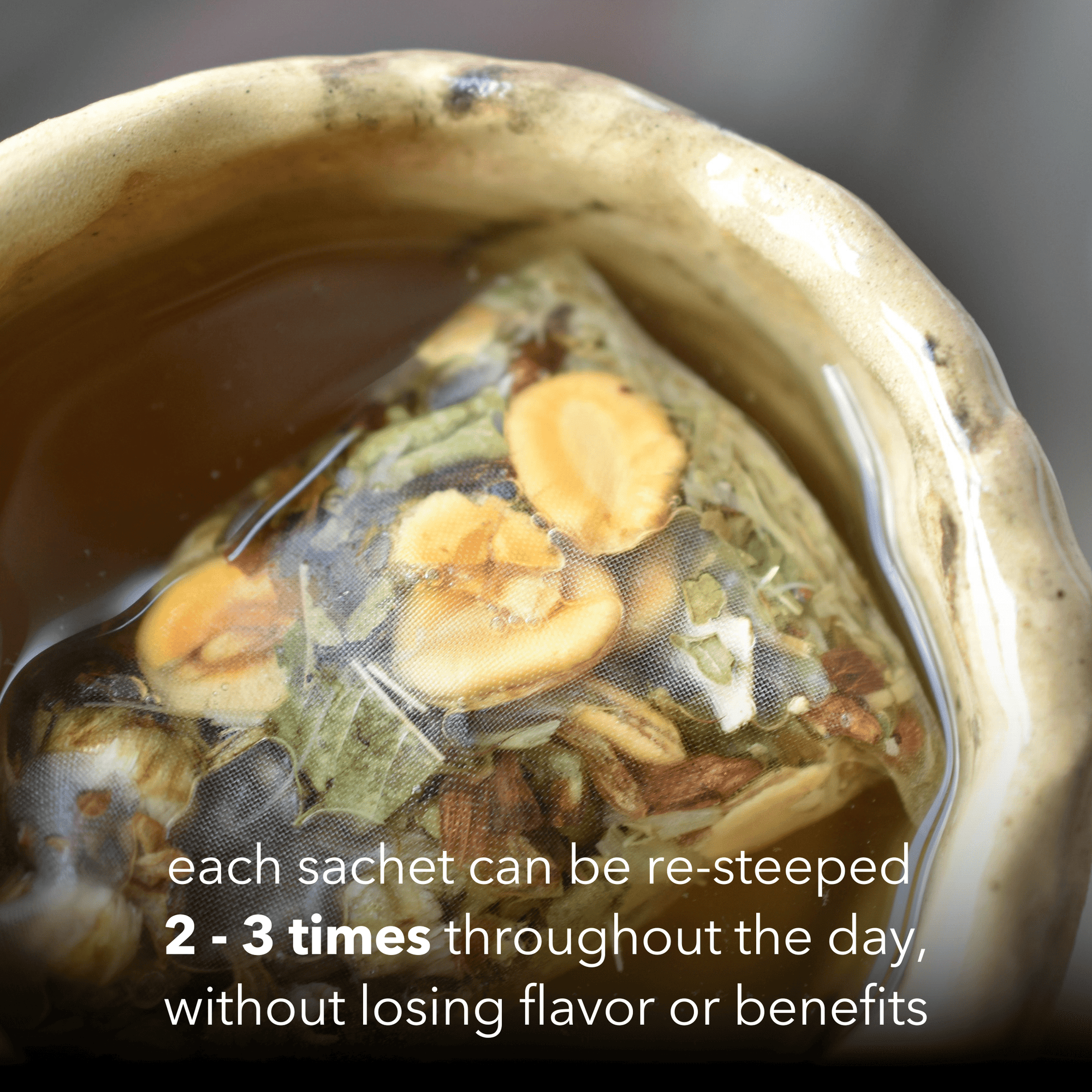
| Steeps per sachet | Up to 2–3 times |
| Price | $18.99 |
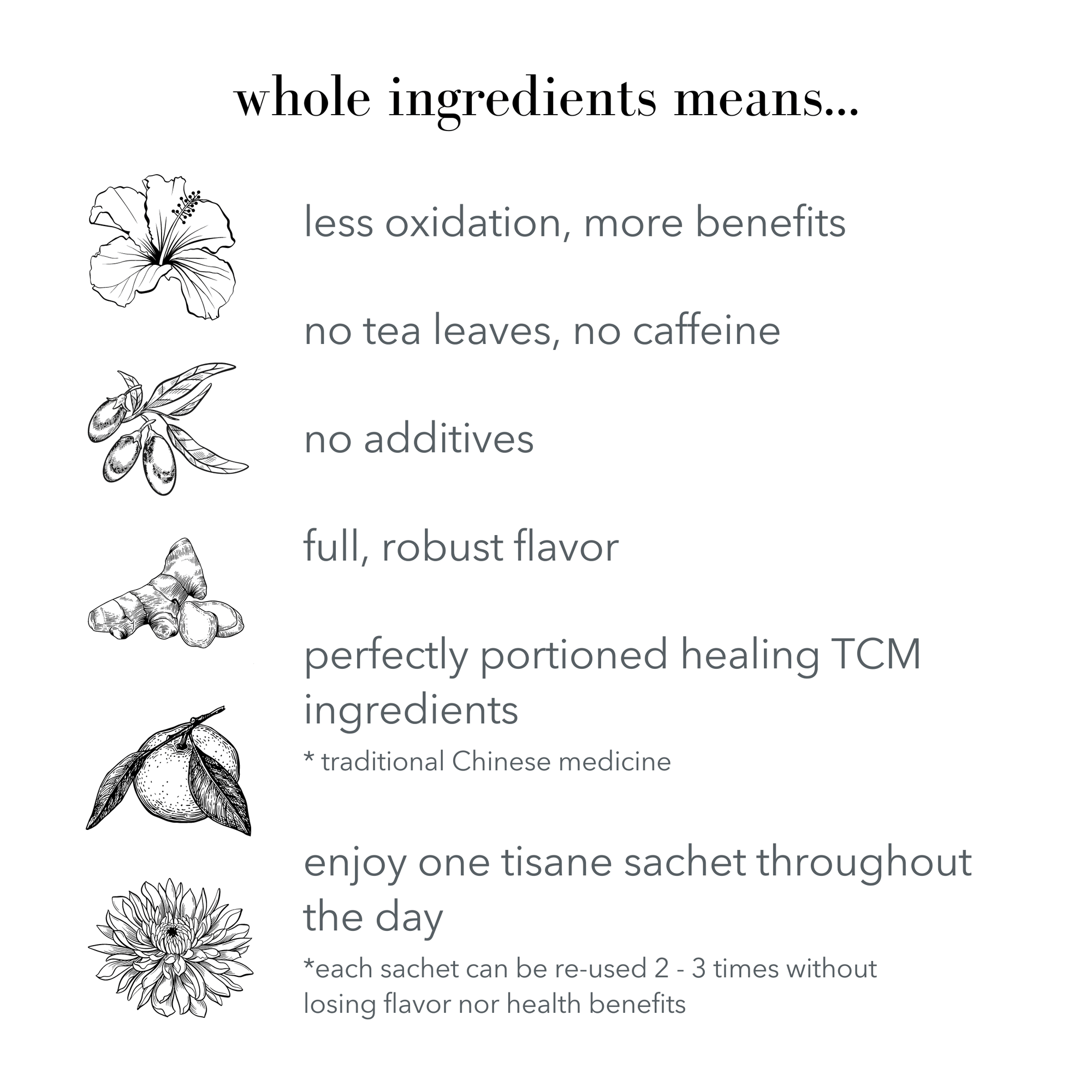
| Caffeine | Caffeine free |
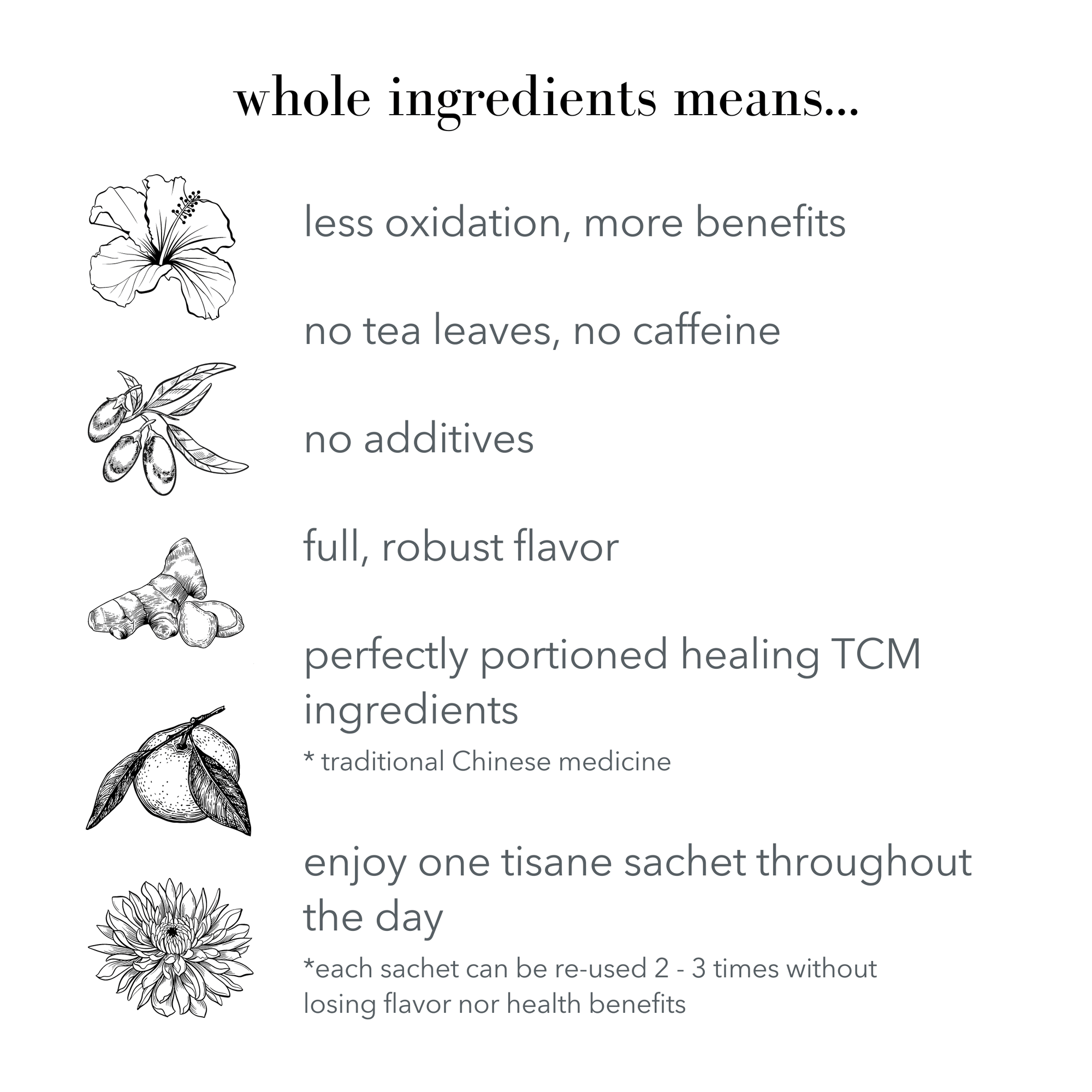
| Format | Oversized sachet, whole ingredients |
Why the Timing of Your Tea Is the Ritual
Most people reach for a digestive tea at the wrong moment. They brew it before the meal, or an hour after, or only when the discomfort has already set in. The result is a pleasant drink that doesn't quite do what they hoped. After-meal bloating relief has a specific physiological window, and competitors rarely address this, most offer symptom-relief framing focused on general 'digestive comfort' or 'bloating' without differentiating by meal type, timing, or cause, and many provide minimal guidance on how to incorporate the tea into a broader post-meal routine. A ritual that accounts for timing, temperature, and steeping, such as steeping for 6–7 minutes in hot water, is meaningfully different from simply pouring hot water over herbs whenever the mood strikes.
This article is built around that argument: the ritual matters as much as the ingredient. The hawthorn and osmanthus blend at the centre of this guide, a combination of hawthorn, osmanthus, ginger, and lemongrass, is chosen for specific reasons that relate directly to what happens in your digestive system after a meal. Understanding those reasons is what turns a cup of herbal tisane into a repeatable, purposeful practice rather than a vague comfort habit.

What Actually Causes That Heavy, Bloated Feeling After a Meal
That leaden, overfull sensation after a rich meal isn't one single thing going wrong. It's usually several digestive processes happening slowly or incompletely at once. Fat digestion is the slowest component of any meal: dietary fats require bile emulsification and lipase activity before they can be absorbed, and a heavy meal can temporarily overwhelm the rate at which your body produces those compounds. When fat digestion slows, the stomach retains its contents longer, a process called delayed gastric emptying, and that retention is a primary driver of the full, uncomfortable feeling people describe as bloating.
At the same time, fermentation of undigested carbohydrates by gut bacteria produces gas. A stomach that's slow to empty combined with a lower intestine generating gas is what makes after-meal bloating feel different from, say, hunger-related discomfort. It's pressure from multiple directions.
Gastric motility, the rhythmic muscular contractions that move food through the stomach and into the small intestine, also plays a role. When motility slows after a large or particularly fatty meal, the window before you feel uncomfortable gets shorter. This is precisely why botanicals that support gastric enzyme activity and motility have earned their place in post-meal herbal traditions across cultures, including Traditional Chinese Medicine, which has over 2,000 years of documented use.
This physiology also clarifies why generic 'digestive comfort' teas, typically fennel, ginger, and peppermint blends, aren't always targeted enough. They address cramping and general gas, but don't specifically support the fat-digesting steps that create post-meal heaviness. That gap is where hawthorn earns its role.
What Hawthorn and Osmanthus Bring to the Cup
Hawthorn berry has a specific association with fat digestion that most competing digestive teas don't share. In TCM practice, hawthorn (shan zha) has long been used after meals, particularly rich or meaty ones, because of its role in supporting the body's fat-digesting enzyme activity and stimulating gastric secretions. This isn't just folk tradition: hawthorn contains organic acids and flavonoids that have attracted attention from researchers studying gastric motility and lipase activity. The result is a botanical that targets the primary cause of post-meal heaviness, not just its symptoms.
Osmanthus brings a different quality to the blend. Its role is gentler: the fragrant dried flowers have a history in Chinese herbalism as a stomach-calming botanical, and their aromatic compounds are associated with easing tension in the upper digestive tract. Combined with the ginger and lemongrass also present in this blend, osmanthus rounds out the cup in both flavour and function. The warmth of ginger supports circulation and motility, while lemongrass adds a light, settling quality.
| Ingredient | Primary Role in Digestion | Specific Benefit Post-Meal |
|---|---|---|
| Hawthorn berry | Supports fat-digesting enzyme activity, gastric secretions | Targets delayed gastric emptying after rich or fatty meals |
| Osmanthus | Stomach-calming, aromatic support for upper digestive tract | Eases tension and supports a settled feeling after eating |
| Ginger | Gastric motility and circulation support | Helps move food through the stomach more efficiently |
| Lemongrass | Gentle digestive settling | Lightens the cup and complements bloating relief |
That specificity is what separates this blend from the fennel-ginger-peppermint combinations that dominate the digestive tea space. Those blends treat gas and cramping broadly. The hawthorn and osmanthus combination addresses the fat-digesting bottleneck that sits upstream of that discomfort, which makes it a more targeted choice for after-meal bloating in particular.
The Step-by-Step After-Meal Bloating Relief Tea Ritual
This is the part most digestive tea guides skip entirely. Below is the full ritual, with the parameters that make it work rather than simply taste pleasant.
- Finish your meal first. The ritual starts after eating, not during or before. Give yourself permission to enjoy the food before thinking about digestion. The target window is 15–30 minutes after your last bite, when your stomach is active but not yet in distress.
- Boil fresh water and let it cool for one to two minutes. You're aiming for roughly 90–95°C (195–205°F). This temperature range extracts the aromatic compounds from osmanthus and the active constituents from hawthorn without scalding the botanicals.
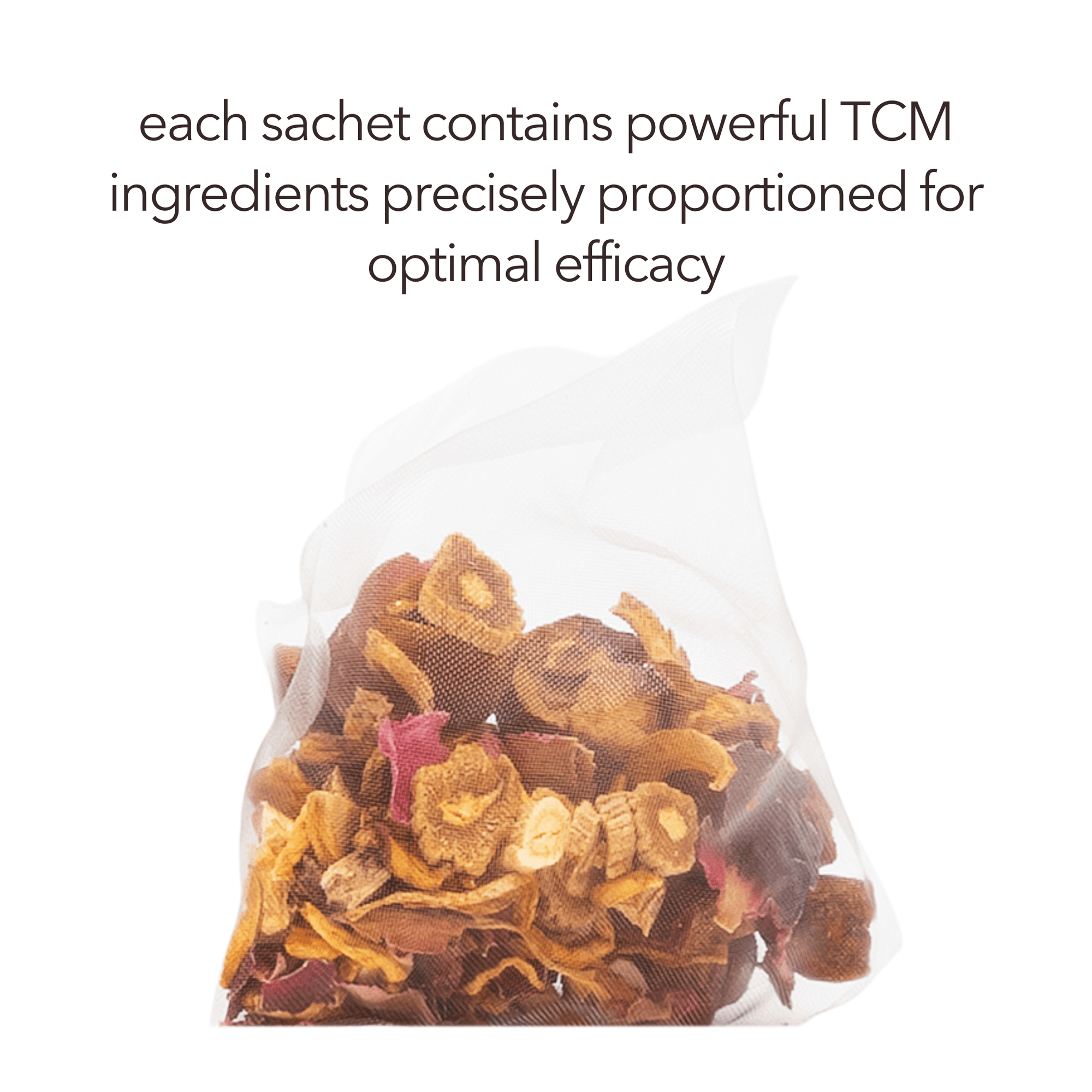
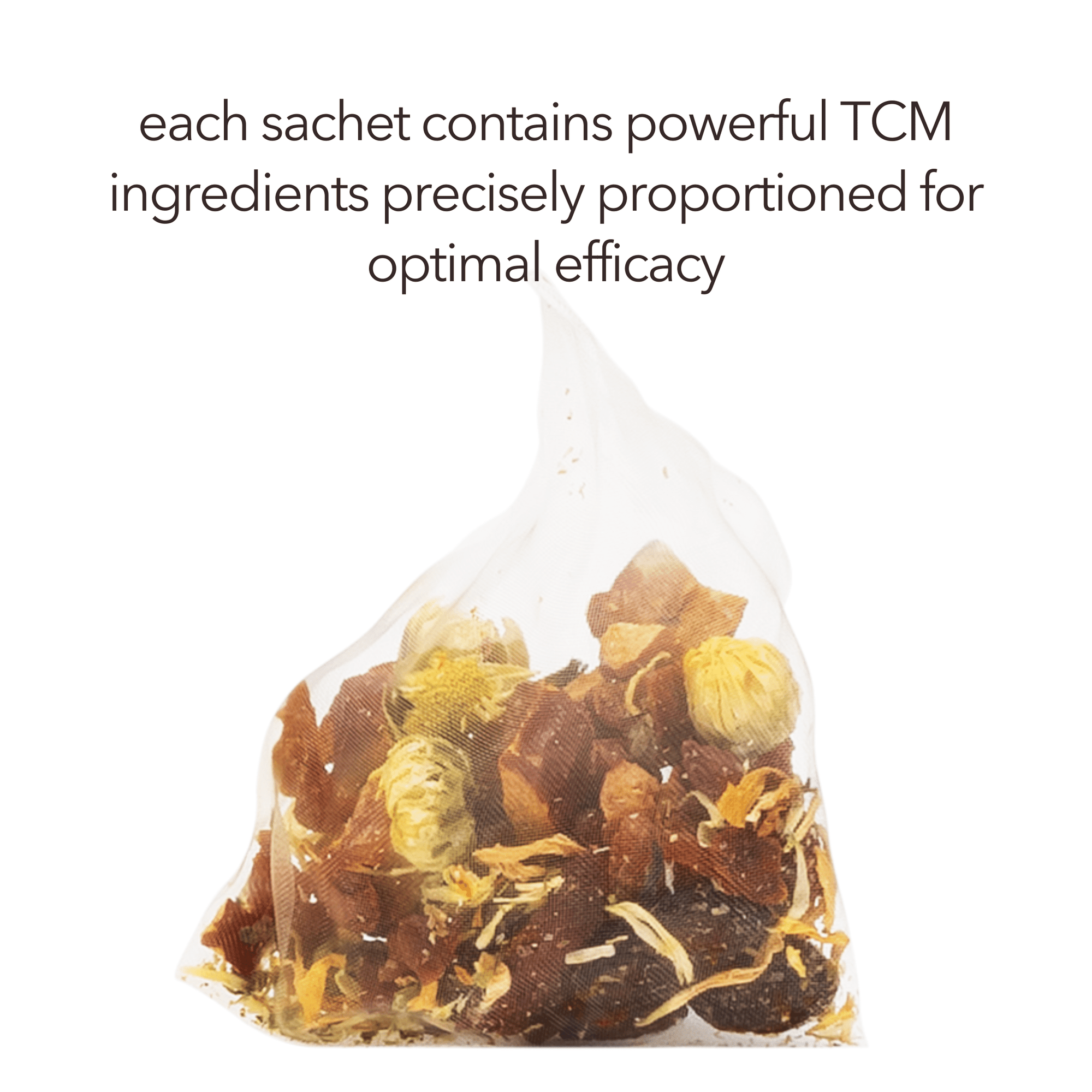
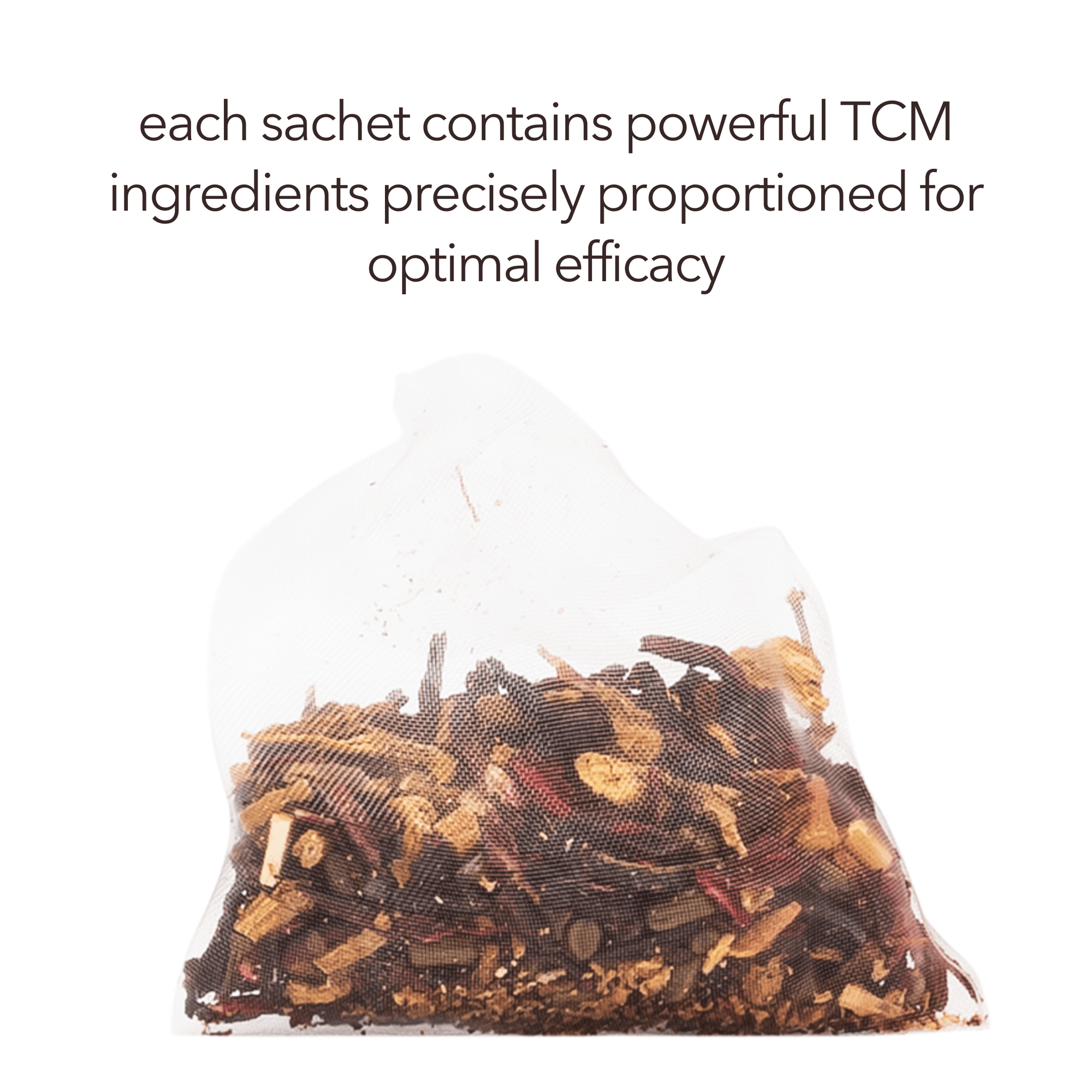
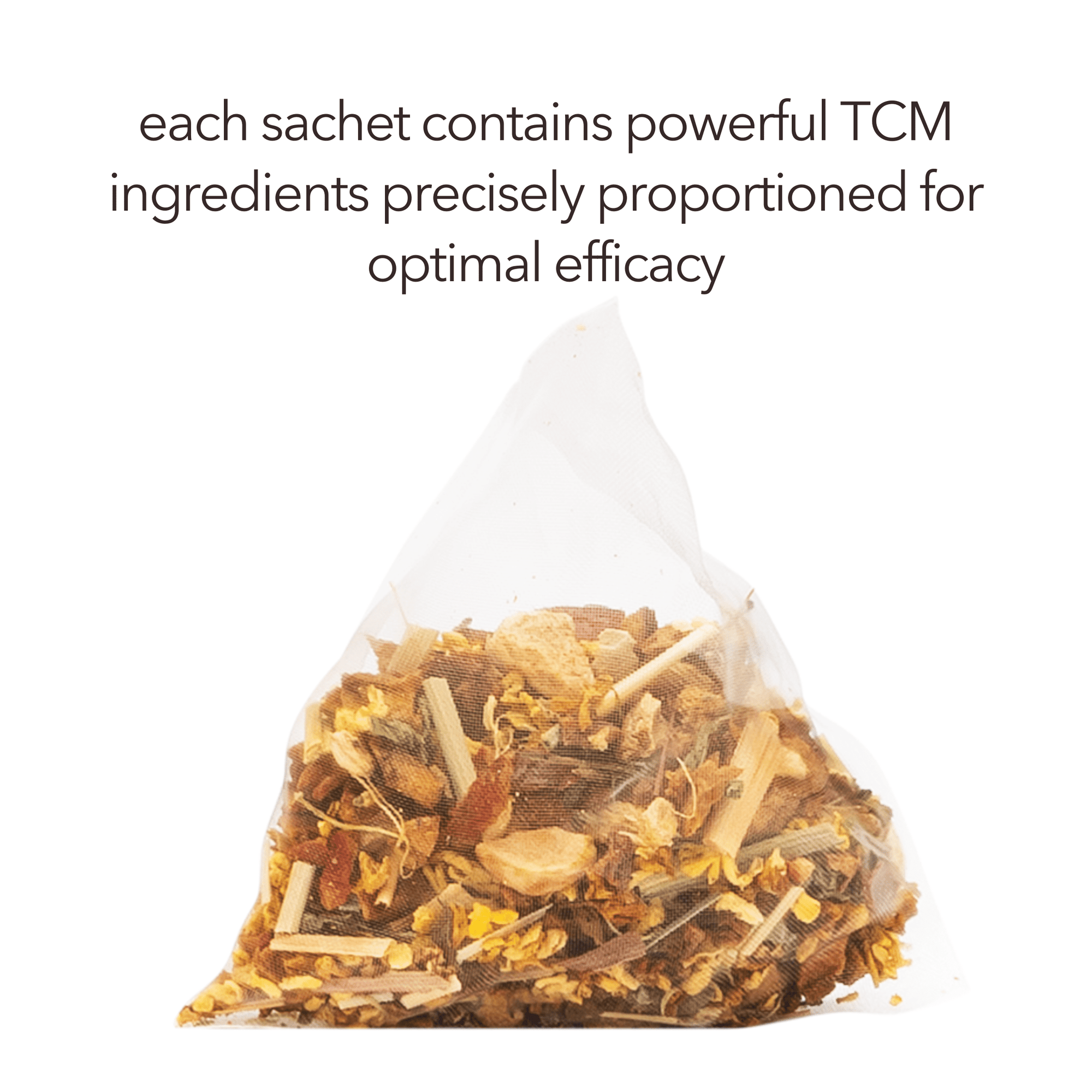
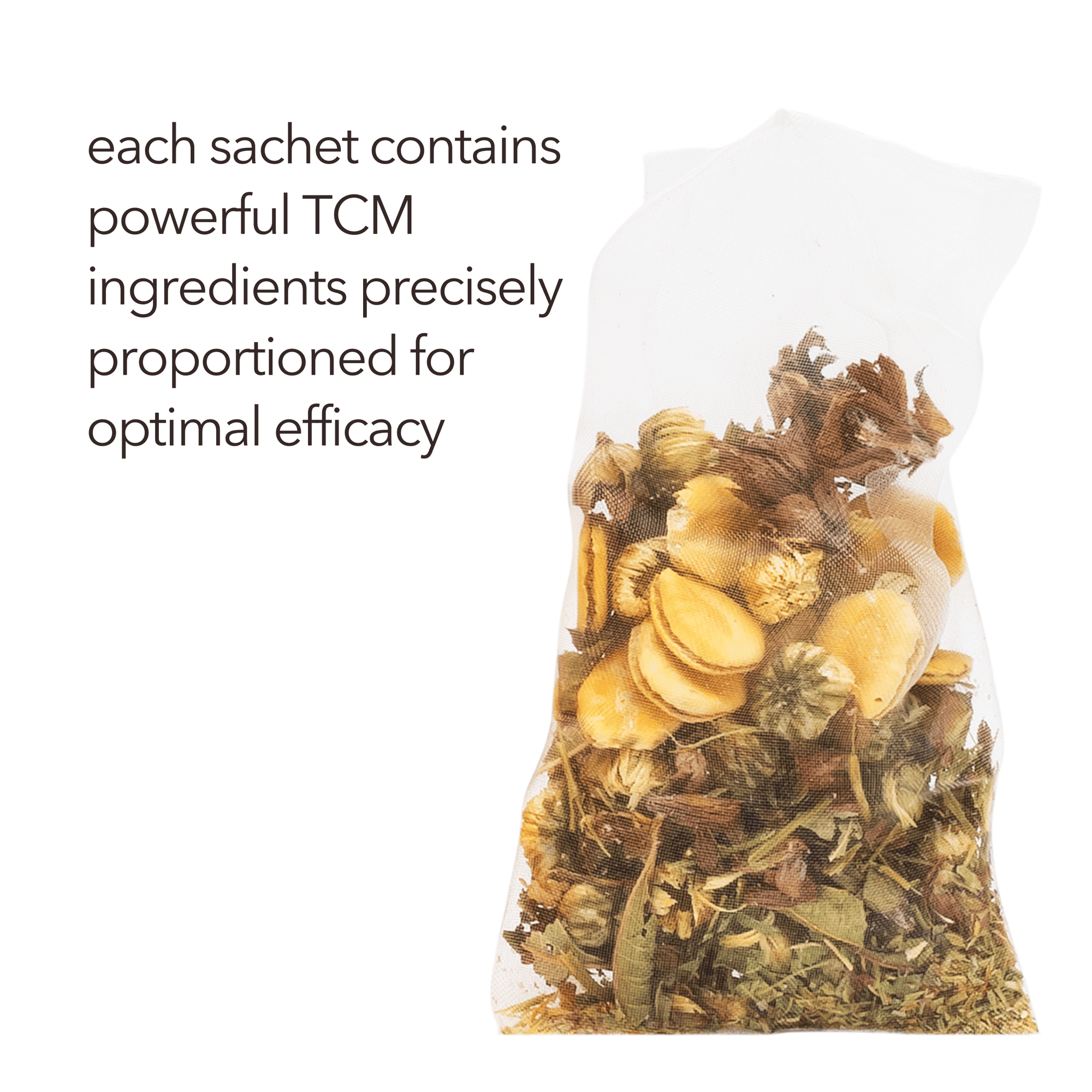
- Place one sachet in your cup or teapot. The oversized sachets are designed to give the whole, uncrushed ingredients room to steep fully. Don't squeeze or press the sachet at this stage.
- Pour the hot water over the sachet and steep for 6–7 minutes. Set a timer. Under-steeping produces a thin, lightly flavoured cup that won't carry the full benefit of the hawthorn. Over-steeping beyond 8–9 minutes can make the ginger and lemongrass notes bitter.
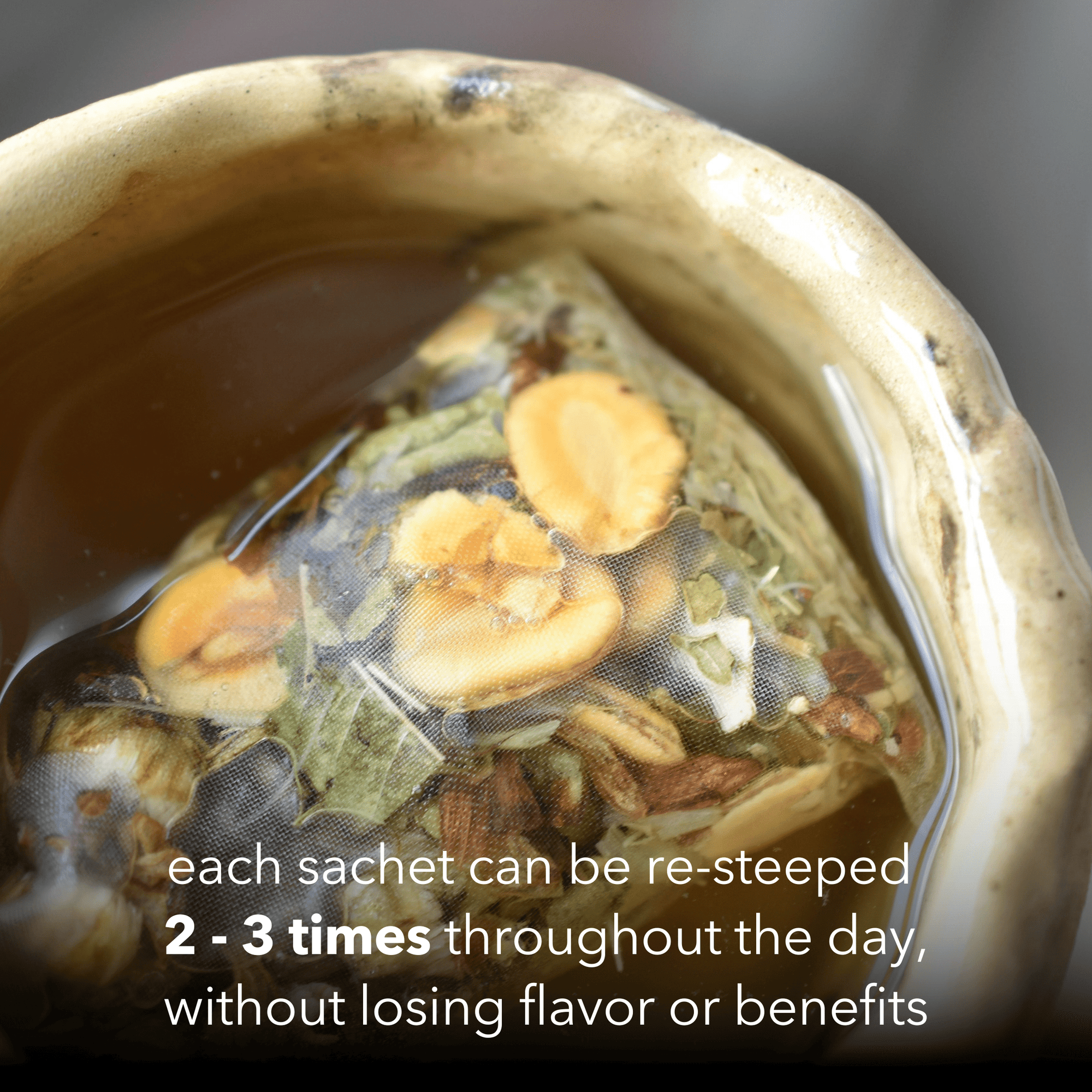
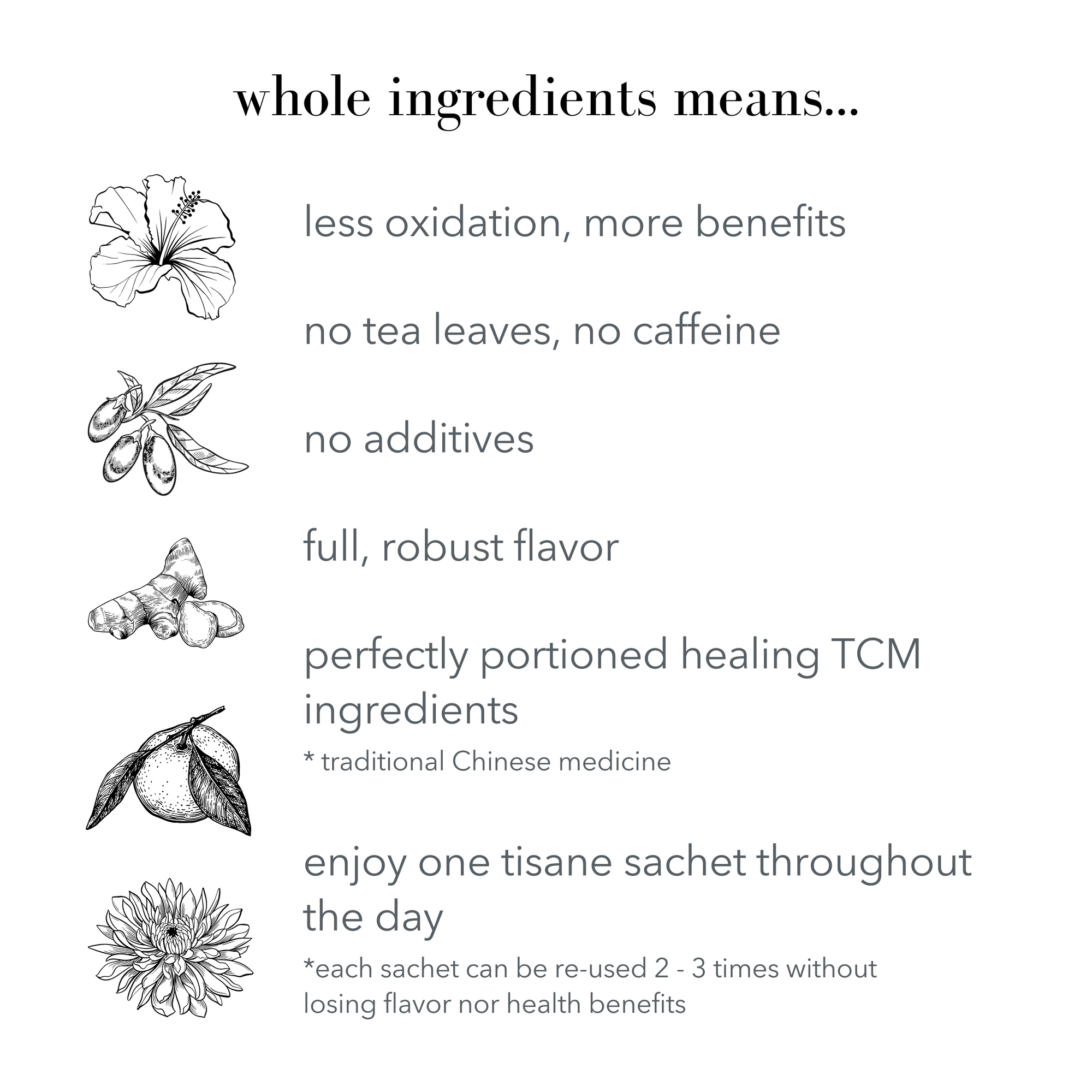
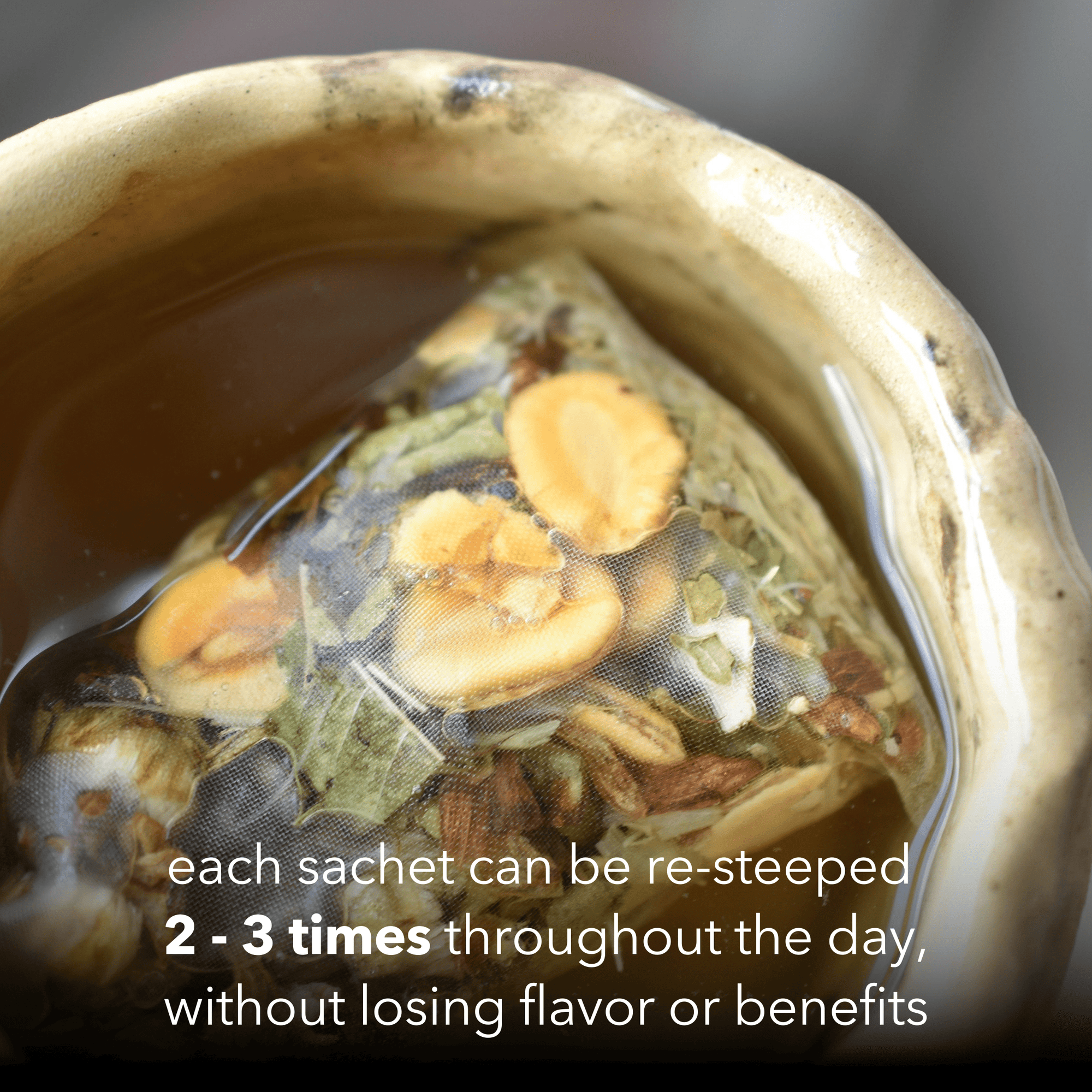
- Remove the sachet after steeping. Do not discard it. Set it aside on a small plate, it can be steeped again one or two more times, making a second cup later in the day or re-using the same sachet for your next post-meal ritual.
- Drink the cup warm, sitting down, over 10–15 minutes rather than in one quick pour. The unhurried pace is part of the ritual signal to your nervous system that the meal is ending and digestion can settle in.
- Observe the sensory cues of a well-prepared cup: a warm amber colour, a floral-fruity aroma that combines the hawthorn's tartness with osmanthus's sweetness, and a clean, slightly tangy finish from the lemongrass. If the cup tastes flat or pale, your steeping time was too short or the water temperature too low.
The ritual works best when it becomes predictable. Your digestive system responds to consistent patterns, and pairing the tea with your largest meal of the day, typically lunch or dinner, builds a post-meal routine that your body learns to anticipate.
Who This Ritual Is Built For, and When to Skip It
This ritual suits a specific profile. It works best for people who regularly experience after-meal bloating, particularly the heavy, sluggish variety that follows fatty or rich meals. If your discomfort is primarily about gas and cramping rather than that full, food-isn't-moving feeling, the ritual still offers something, but a fennel-dominant blend might address gas-specific symptoms more directly.
There are also situations where it makes sense to skip it or approach it cautiously:
- Acid reflux or GERD as a primary symptom: hot liquids shortly after eating can aggravate reflux. If you experience regular heartburn or acid regurgitation after meals, consult your doctor before adding any post-meal tea ritual.
- Current medication: if you're taking any regular prescription medication, check with your physician before making dietary changes, including adding herbal tisanes.
- Pregnancy or breastfeeding: the brand is not in a position to advise on suitability during pregnancy or while breastfeeding, and recommends consulting a physician first.
- Children: check with a paediatrician before sharing any herbal tisane with a child.
- Persistent or severe symptoms: after-meal discomfort that is severe, frequent, or accompanied by other symptoms warrants a conversation with a healthcare professional rather than a dietary adjustment.
Being clear about fit matters. The ritual is useful for the right person and the right situation. It's not designed as a substitute for medical advice, and it's not a quick fix for everything. Explore digestive herbal tisanes to find the blend that best matches your specific after-meal pattern.
How This Ritual Compares to Other After-Meal Digestive Teas
The digestive tea market is mostly populated by blends that treat all post-meal discomfort as one problem, commonly relying on symptom-relief framing focused on general 'digestive comfort' or 'bloating' without differentiating by meal type, timing, or cause, and leaning on a familiar roster of fennel, ginger, peppermint, and chamomile. A look at what's actually available illustrates where the hawthorn-osmanthus approach differs.
| Attribute | Hawthorn & Osmanthus Tisane | Fennel-Ginger-Peppermint Blends | Peppermint-Only Teas | Ayurvedic Multi-Herb Teas |
|---|---|---|---|---|
| Meal-type specificity | Designed for rich/fatty meals | General digestive use, not meal-specific | Antispasmodic, not fat-digestion targeted | Broad digestive support, Ayurvedic framing |
| Primary botanical focus | Hawthorn (fat-digesting support), osmanthus (stomach-calming) | Fennel (gas), ginger (motility), peppermint (antispasmodic) | Peppermint (antispasmodic, IBS-focused) | Triphala, fennel, ginger (broad elimination support) |
| Ritual guidance provided | Specific timing, steeping, re-use guidance | Minimal ritual framing | Minimal or none | Sometimes detailed, but Ayurvedic protocols vary |
| Caffeine status | Caffeine free | Usually caffeine free | Caffeine free | Usually caffeine free |
| Format | Whole-ingredient oversized sachet, re-steepable | Typically crushed loose-leaf or standard bag | Standard bag or loose-leaf | Often loose-leaf, requires measuring |
| TCM heritage | Yes, hawthorn has documented TCM post-meal use | Partial (ginger is used in TCM) | No | No (Ayurvedic tradition) |
The pattern across competitors is consistent: almost none of them differentiate by meal type or provide a time-specific ritual. The hawthorn and osmanthus approach fills that gap directly. If you've tried peppermint or fennel teas and found them helpful for general gas but not for the post-rich-meal heaviness, that's the distinction this guide is addressing.
Ready to Start the Ritual? Try Hawthorn & Osmanthus Herbal Tea
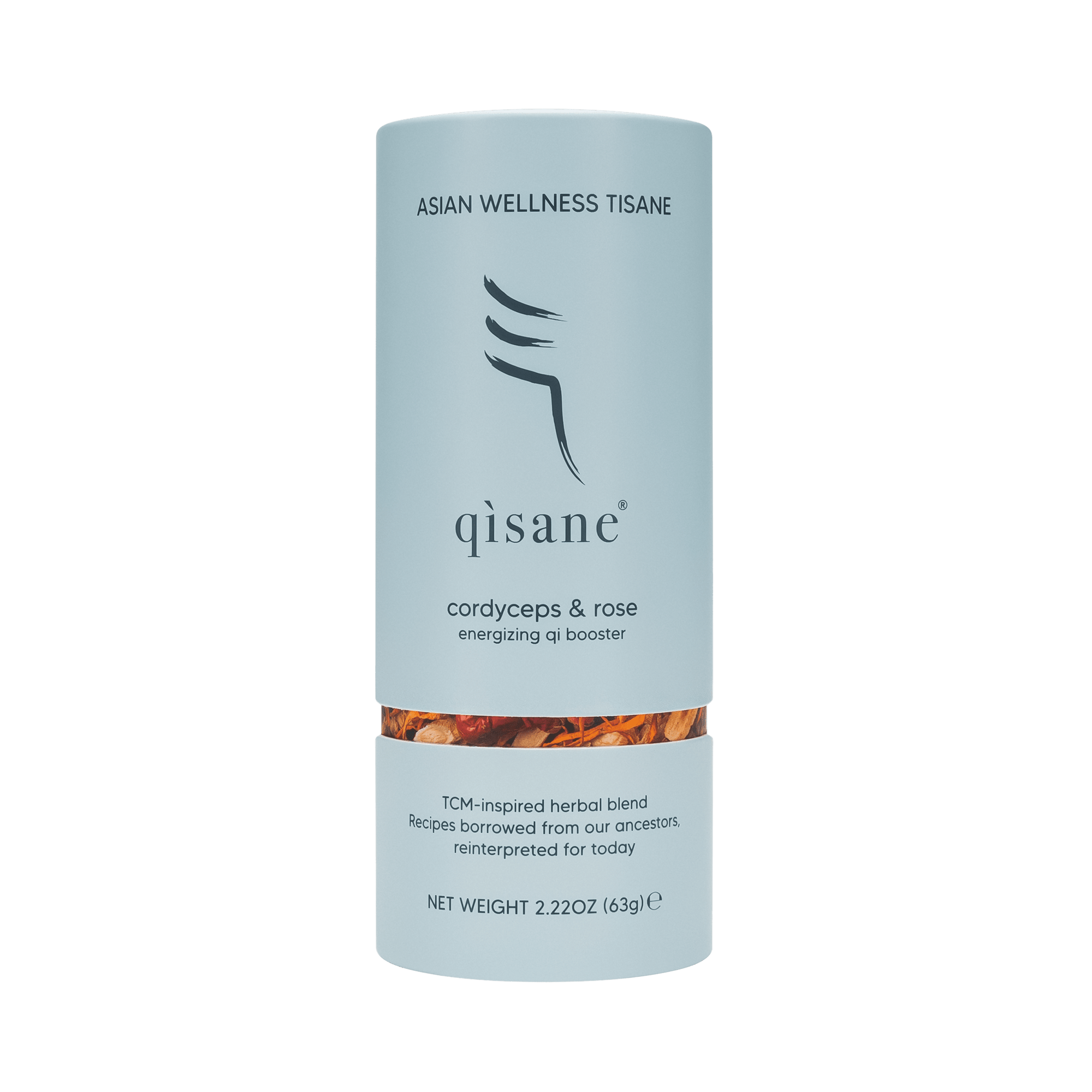
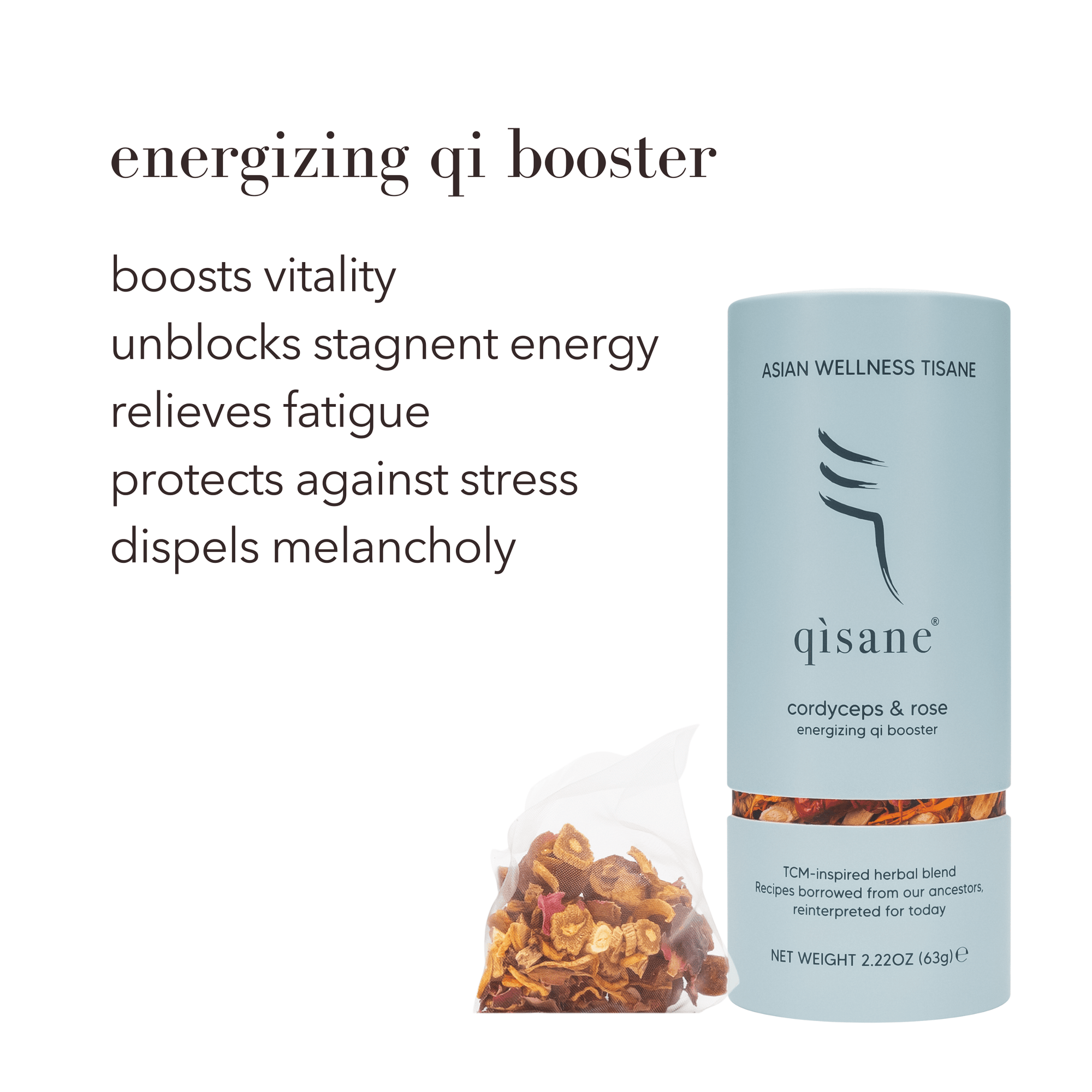
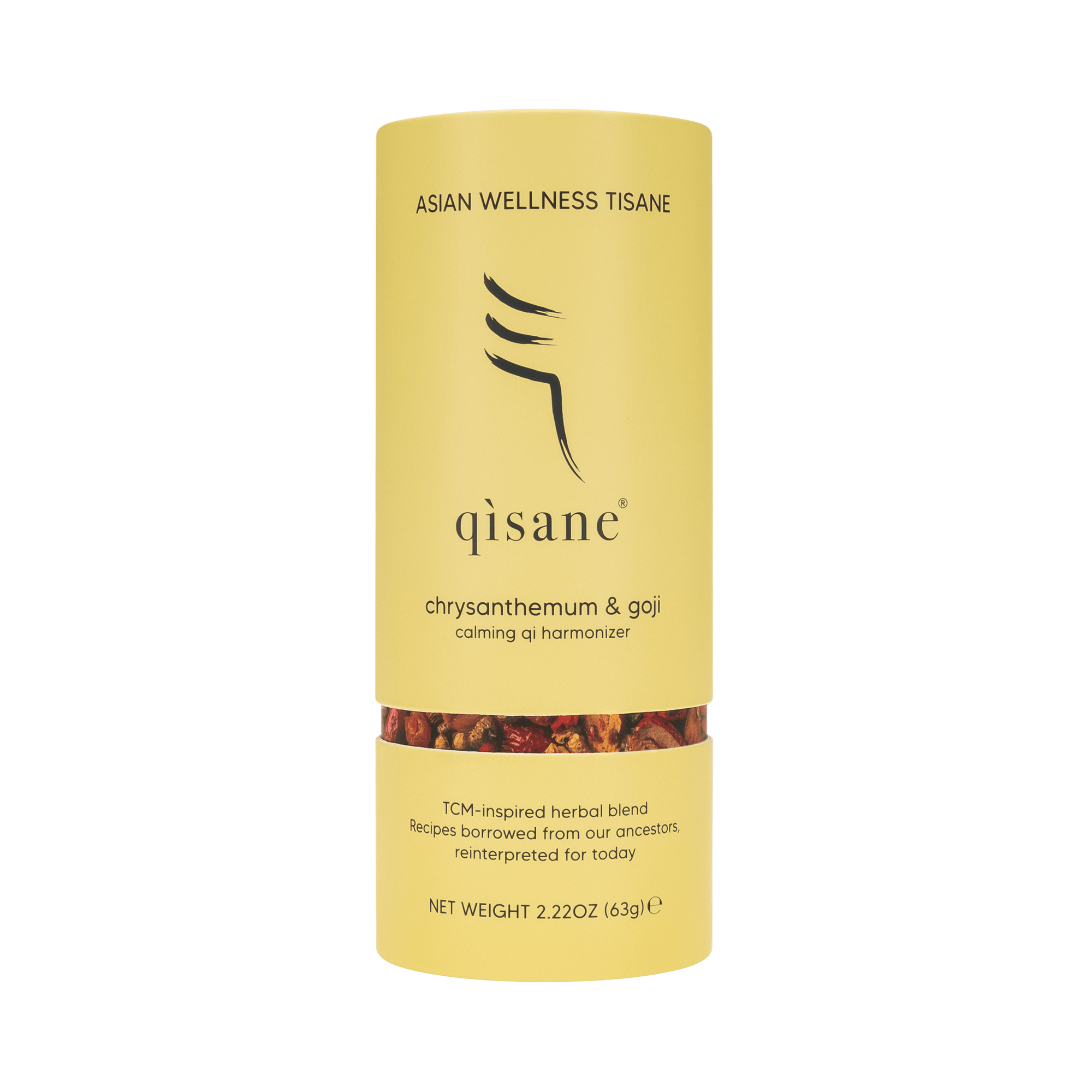
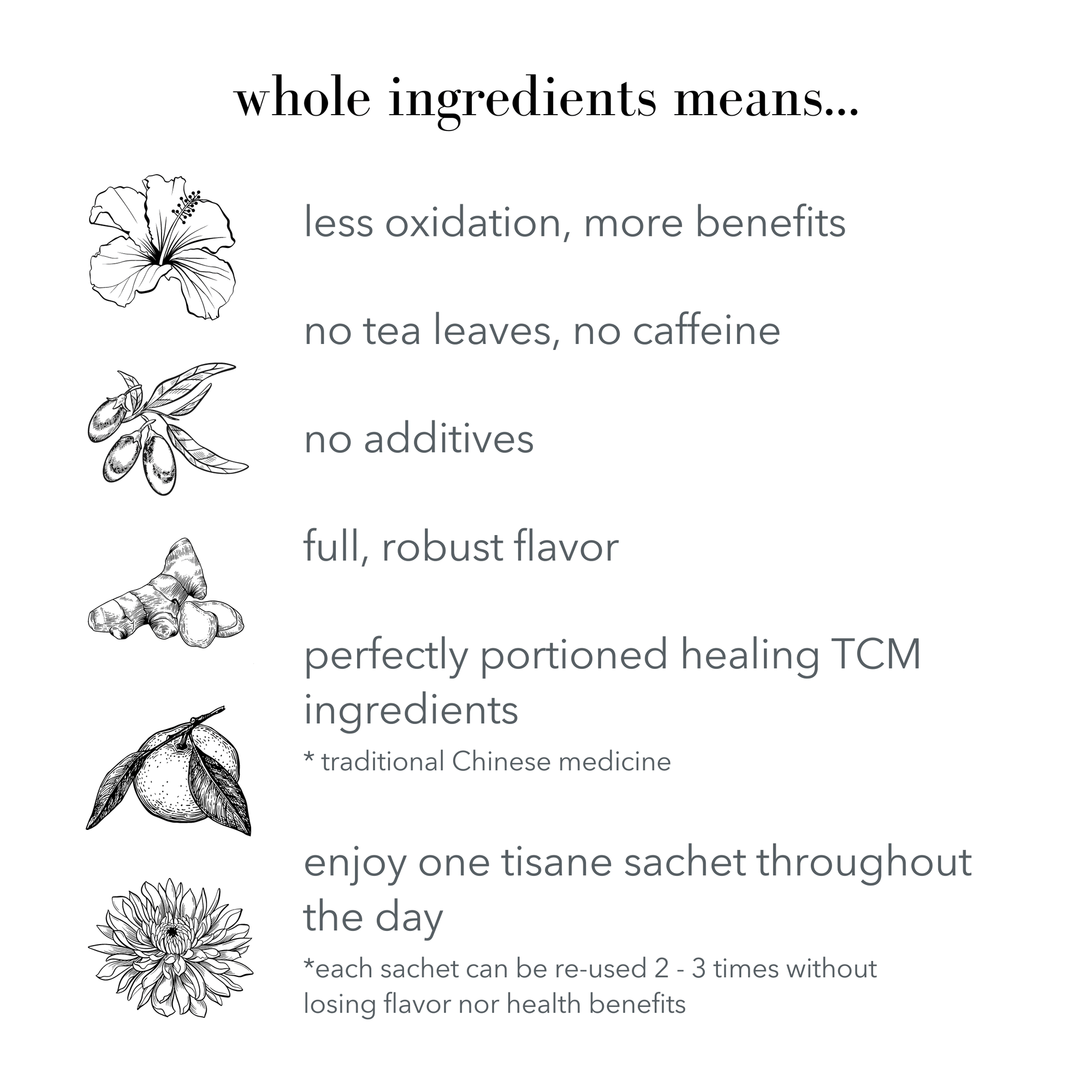
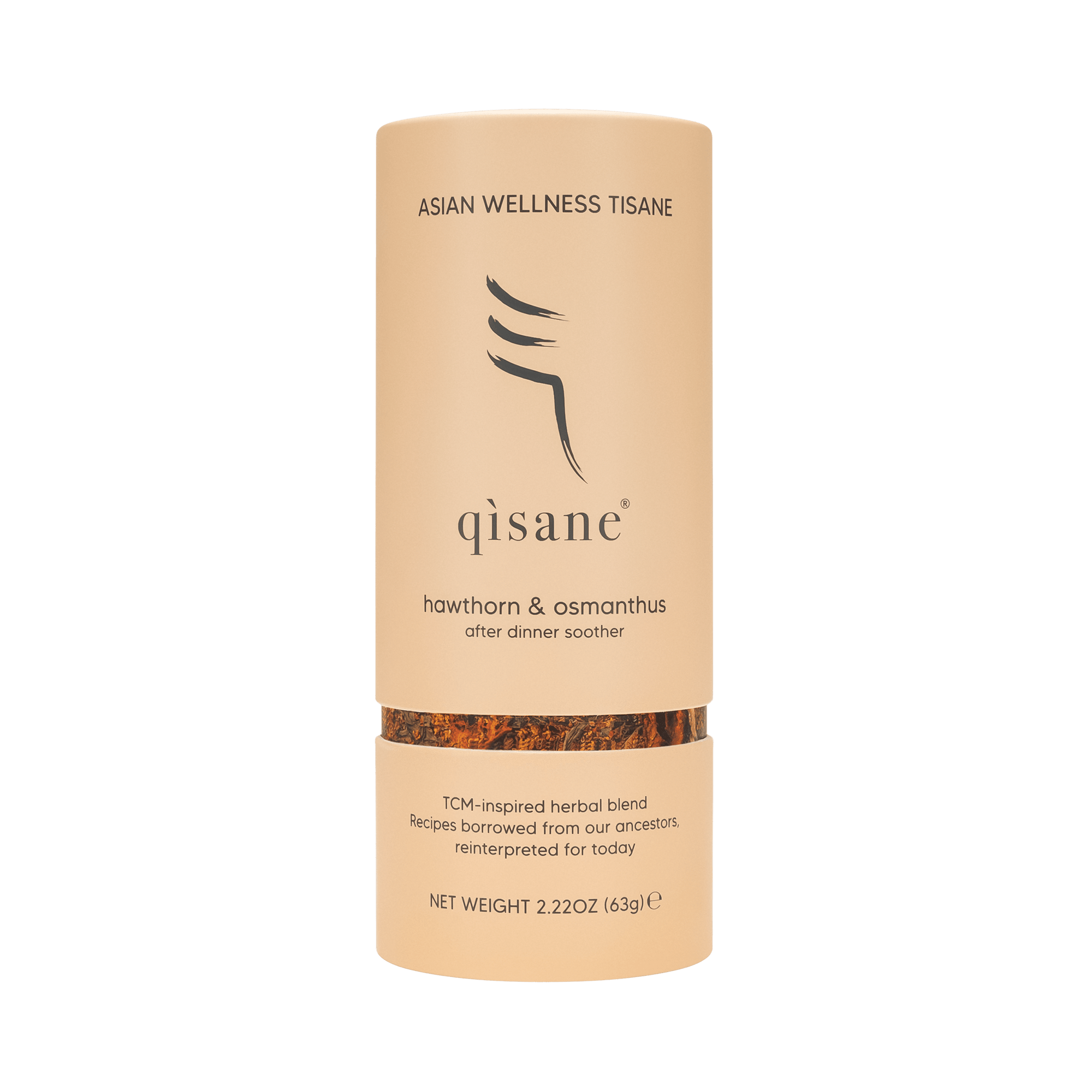
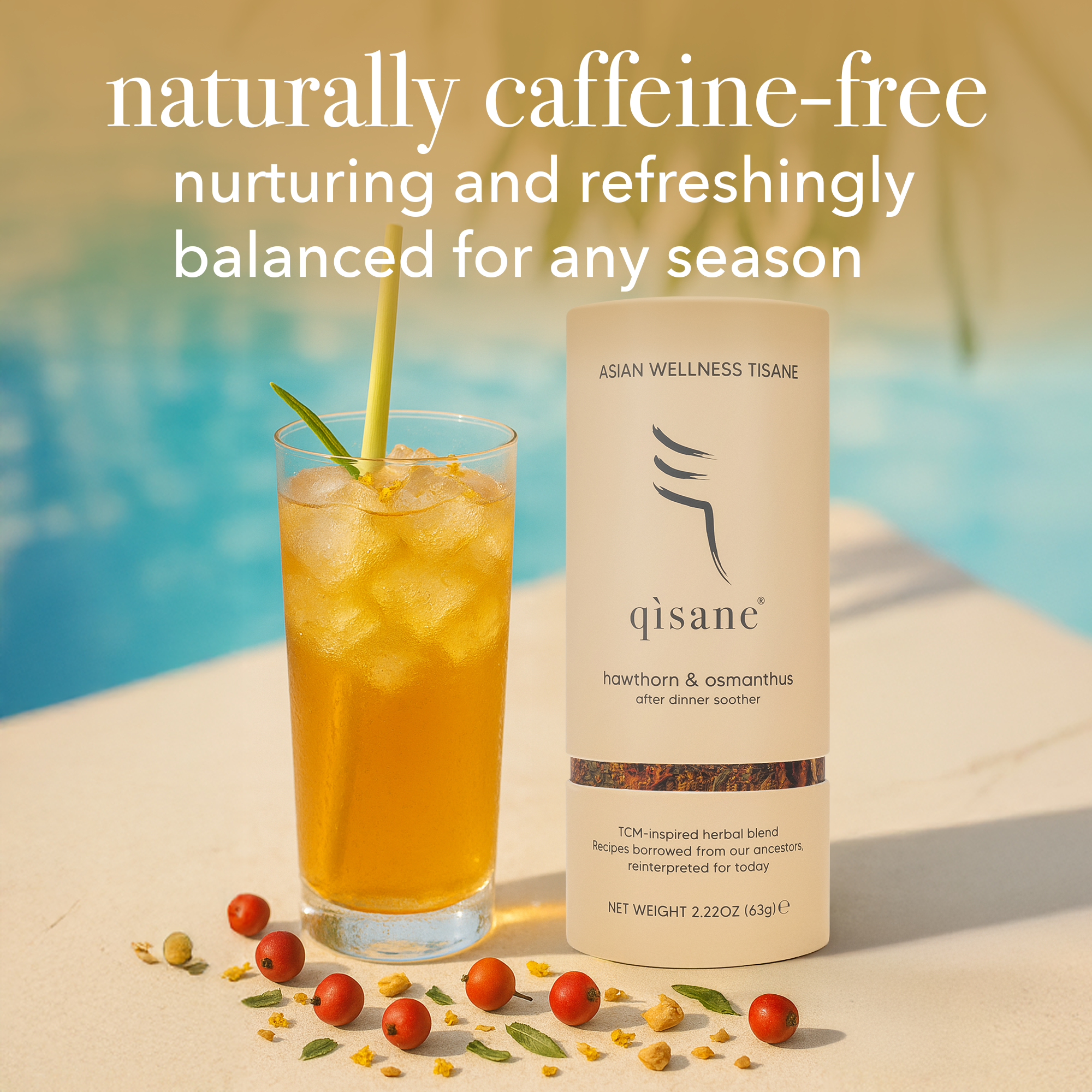
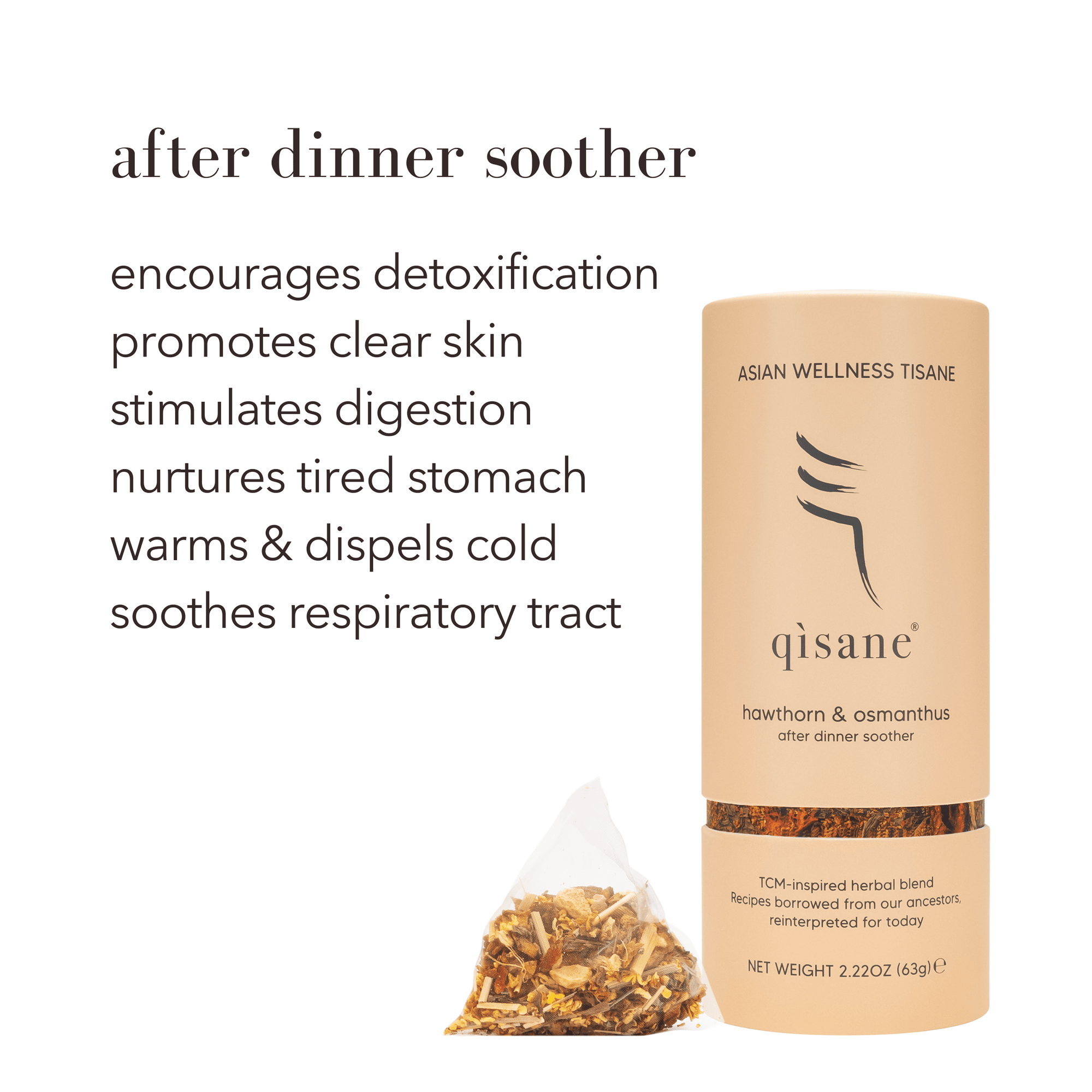
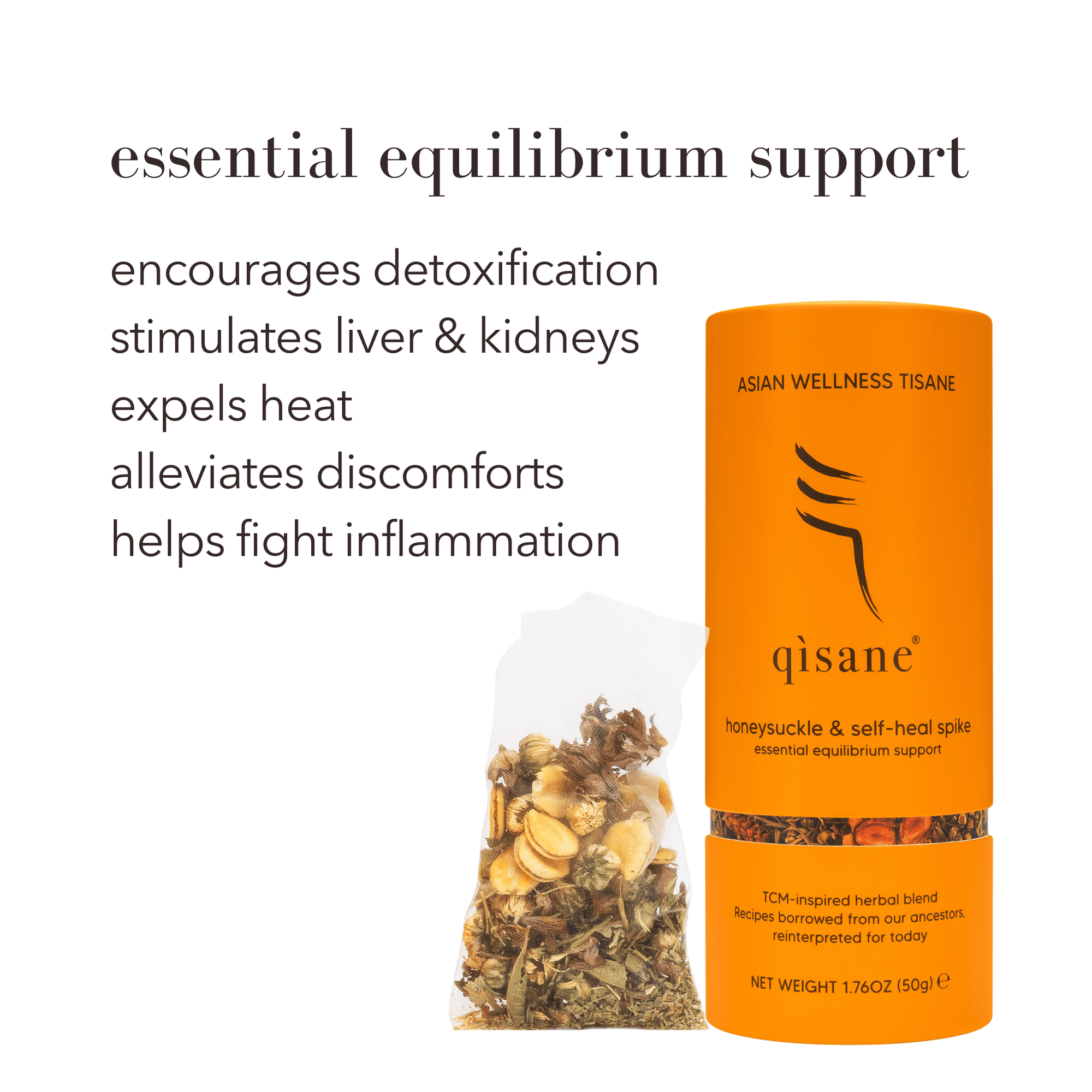
The ritual described above was built around a specific tisane: the Hawthorn & Osmanthus blend from qìsane. It contains hawthorn berry, osmanthus flowers, ginger, and lemongrass in whole, uncrushed form inside an oversized, biodegradable sachet. The sachet is sized to allow the ingredients to steep fully and to be re-used for a second cup, which makes the $18.99 price point go further than a single-use bag. It's caffeine free, contains no additives, and needs nothing more than a good steep to prepare. If you're ready to build the ritual, Hawthorn & Osmanthus Herbal Tea For Digestion & Bloating is the place to start.
Browse the full range of herbal tisanes for digestion and wellness to see how the Hawthorn & Osmanthus blend fits alongside qìsane's other signature offerings, including the gut reset ritual and the complete TCM starter collection.
Quick Ritual Checklist: Before You Steep Your First Cup
Use this checklist to confirm you're set up for the after-meal bloating relief tea ritual before steeping your first cup.
- Meal complete: you've finished eating and at least 15 minutes have passed.
- Meal type check: the meal was rich, fatty, or heavy enough that you'd typically expect some post-meal bloating.
- Water temperature ready: freshly boiled water rested for 1–2 minutes (approximately 90–95°C / 195–205°F).
- Sachet in hand: one Hawthorn & Osmanthus sachet placed in your cup or steeping vessel.
- Timer set: 6–7 minutes on a clock or phone, starting from when you pour.
- Spare plate nearby: to rest the sachet on after steeping so you can reuse it for a second cup.
- Sitting down: the timing and pace of drinking matter. The ritual works best when you're not rushing.
Frequently Asked Questions About After-Meal Bloating Relief Tea Rituals
How long after eating should I drink the after-meal bloating relief tea ritual?
The target window is 15–30 minutes after finishing your meal. This gives your stomach time to begin its initial processing work while the botanicals can still support the active digestion phase, particularly the fat-digesting steps that hawthorn is associated with.
Can I drink hawthorn and osmanthus tisane every day?
Yes, daily use after your richest meal of the day is a reasonable way to build the ritual. The tisane is caffeine free and contains no additives, so there's no stimulant concern with regular use. If you're on medication or have an existing health condition, check with a physician first.
How does hawthorn support digestion specifically?
Hawthorn berry is associated with supporting gastric secretion and fat-digesting enzyme activity. In Traditional Chinese Medicine, it has a centuries-long history of post-meal use, particularly after fatty or meaty meals, because it's thought to help the stomach process those foods more efficiently. This mechanism is distinct from what fennel or peppermint address, which is primarily gas and cramping.
What temperature water should I use for steeping?
Aim for 90–95°C (195–205°F). Boiling water rested for one to two minutes will usually sit in that range. Using water that's too cool will produce a thin, under-extracted cup that doesn't carry the full qualities of the hawthorn and osmanthus.
Can I reuse the sachet for a second steep?
Yes. The oversized sachets are designed to yield 2–3 steeps. After your first cup, set the sachet aside on a small plate. The second steep will be slightly lighter in flavour but still carries the aromatics. This makes each sachet good value at the $18.99 price point.
Is this ritual suitable if I have acid reflux?
If acid reflux or GERD is your primary post-meal symptom, hot liquids shortly after eating can sometimes worsen reflux. This ritual is better suited to the heavy, bloated, food-isn't-moving type of discomfort. If you experience regular heartburn, consult a doctor before making changes to your post-meal routine.
Does the ritual work for lighter meals too, or only heavy ones?
The ritual is most relevant after rich, fatty, or larger meals, which is where hawthorn's fat-digesting support is most applicable. After lighter meals, you may find the tea simply pleasurable rather than functionally necessary. That's a perfectly good reason to drink it, but the specific digestive benefit is most pronounced after heavier eating occasions.
How does this compare to a standard ginger tea for bloating?
Ginger supports gastric motility and is useful for general nausea and sluggish digestion. A standalone ginger tea, though, doesn't address the fat-digesting bottleneck the way hawthorn does. The hawthorn and osmanthus blend includes ginger alongside its other botanicals, so you get motility support plus the fat-digesting and stomach-calming properties of hawthorn and osmanthus together, a more complete post-meal combination for rich meals specifically.
A Note on Herbal Tea and Digestive Health
Note: The information in this article is educational and does not constitute medical advice. Herbal tisanes are not a substitute for medical treatment, and they are not designed to produce immediate physical results. If you experience persistent, severe, or worsening digestive symptoms, speak with a healthcare professional. This is especially important if you are pregnant, breastfeeding, giving the tisane to a child, or taking regular medication.
Related reading
- What Tea Should I Drink After A Heavy Meal
- What Herbal Tea Is Good For Bloating
- Can Herbal Tea Help With Burnout And Exhaustion