

Feeling sleepy after herbal tea does not automatically mean the tea is sedating you. A particular ingredient may contribute, but replacing your usual caffeine, taking a drowsiness-causing medicine, or already needing sleep can also matter. The useful first step is to check what was in the cup—and what else changed—rather than assume all herbal teas have the same effect.
Are you actually sleepier, or just not getting a boost?
There is a difference between “this did not wake me up” and “I could barely keep my eyes open afterward.” A caffeine-free infusion does not provide caffeine's stimulant effect. That does not, by itself, make it a sedative.
Ask yourself: Was I tired before the first sip? Did I replace a drink I normally rely on? Am I relaxed but comfortably awake, or am I struggling to stay awake? These distinctions make the next steps more useful than choosing another tea labeled “energy.”
Check the ingredients, not just the tea's name
“Herbal tea” covers many different plants and combinations. A mint-flavored blend and a bedtime blend need not have the same ingredients. Read the complete list, including any added extracts, and keep the packaging if the reaction concerns you.
- Passionflower: drowsiness is a possible side effect, according to NCCIH's passionflower review. This does not establish how sleepy a particular cup will make you.
- Valerian: reported side effects include mental dullness. Its sleep-inducing effect remains uncertain, and evidence for sleep benefits is inconsistent. NCCIH advises against combining valerian with alcohol or sedatives.
- Chamomile: its bedtime reputation is not proof that every cup causes drowsiness. Research on chamomile for insomnia is limited, and potential medicine interactions still deserve attention.
Evidence about an isolated compound or concentrated supplement cannot simply be applied to an ordinary brewed blend. Nor does a shared “relaxation” label mean different herbs work identically. There is no reason to assume your cup acts like a prescription sedative.
Did herbal tea replace your usual coffee or caffeinated tea?
If you regularly consume caffeine and suddenly stop, withdrawal can include drowsiness, headache and difficulty concentrating. In that situation, the change may be about the caffeine you removed—not a sleep-inducing effect of the new tea. MedlinePlus explains caffeine and withdrawal symptoms.
Think about your whole day, not only the cup immediately before you felt tired. Did you skip your morning coffee, cut out an energy drink, or replace several caffeinated drinks at once? If you want to reduce caffeine, the FDA recommends cutting back gradually. You do not need to find an herbal ingredient that mimics a stimulant to make that transition worthwhile.
Review medicines and brewing instructions without guessing
Some medicines—including certain antihistamines and sleep medicines—can cause daytime drowsiness. A pharmacist can check your tea's full ingredient list alongside medicines and supplements. Do not stop or change a prescribed medicine on your own. MedlinePlus lists common causes of drowsiness and the information worth reviewing.
Follow the directions for the specific blend. There is no single steeping time that makes every herbal tea either energizing or sedating. If a cup seems to cause an unwanted reaction, making it weaker is not a reliable safety fix; set that product aside while you clarify the concern.
Make a useful note—not a repeat experiment
Record the tea's name and ingredients, how much you drank, how you prepared it, and when the sleepiness began. Add your usual caffeine intake, any recent changes in medicines or supplements, and whether you were already tired. Bring that information to a pharmacist or clinician if needed.
You do not need to drink the same tea again to “prove” it was responsible. Timing can reveal a pattern, but timing alone does not identify the cause. If you are drowsy, do not drive.
Choose a caffeine-free cup for enjoyment, not a promised energy effect
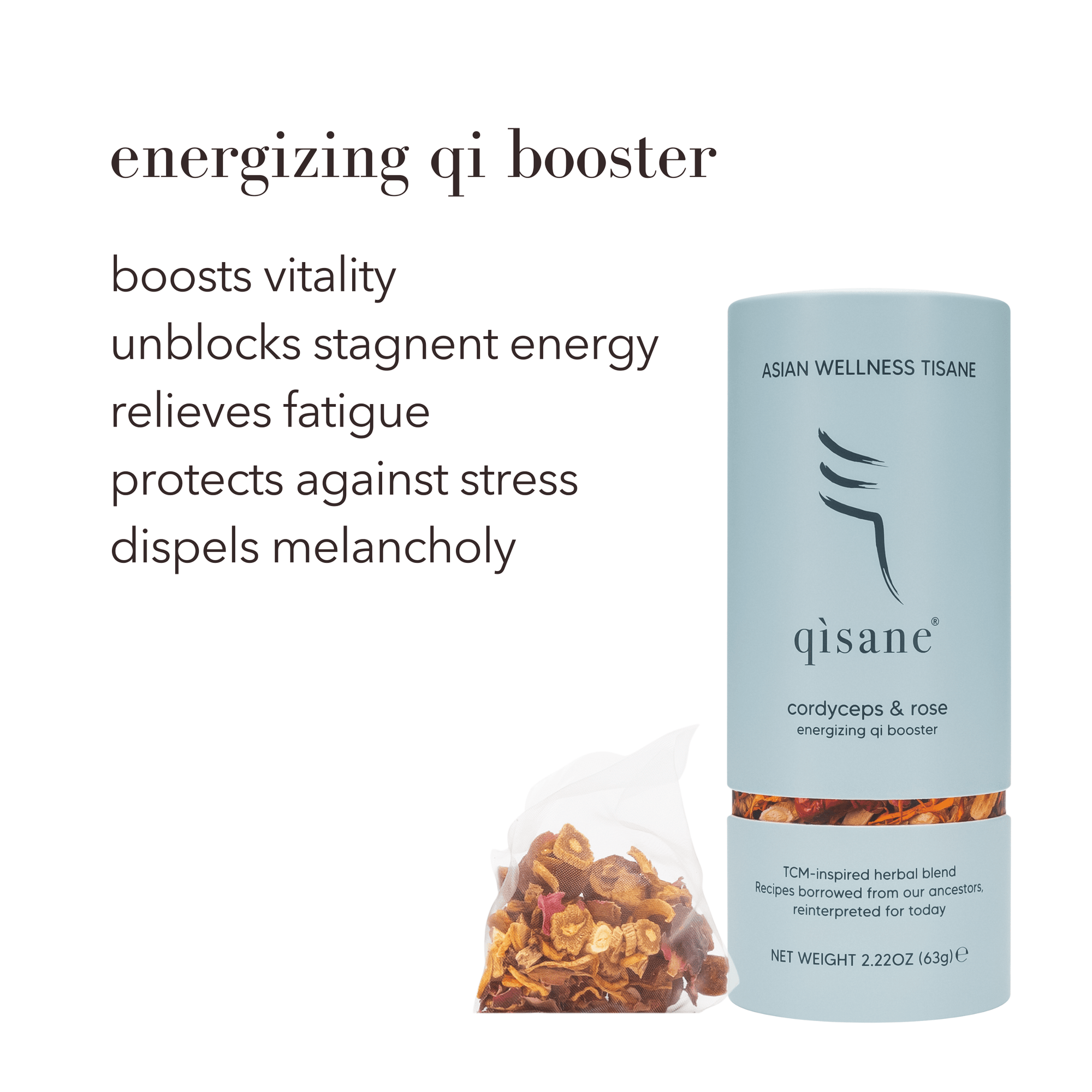
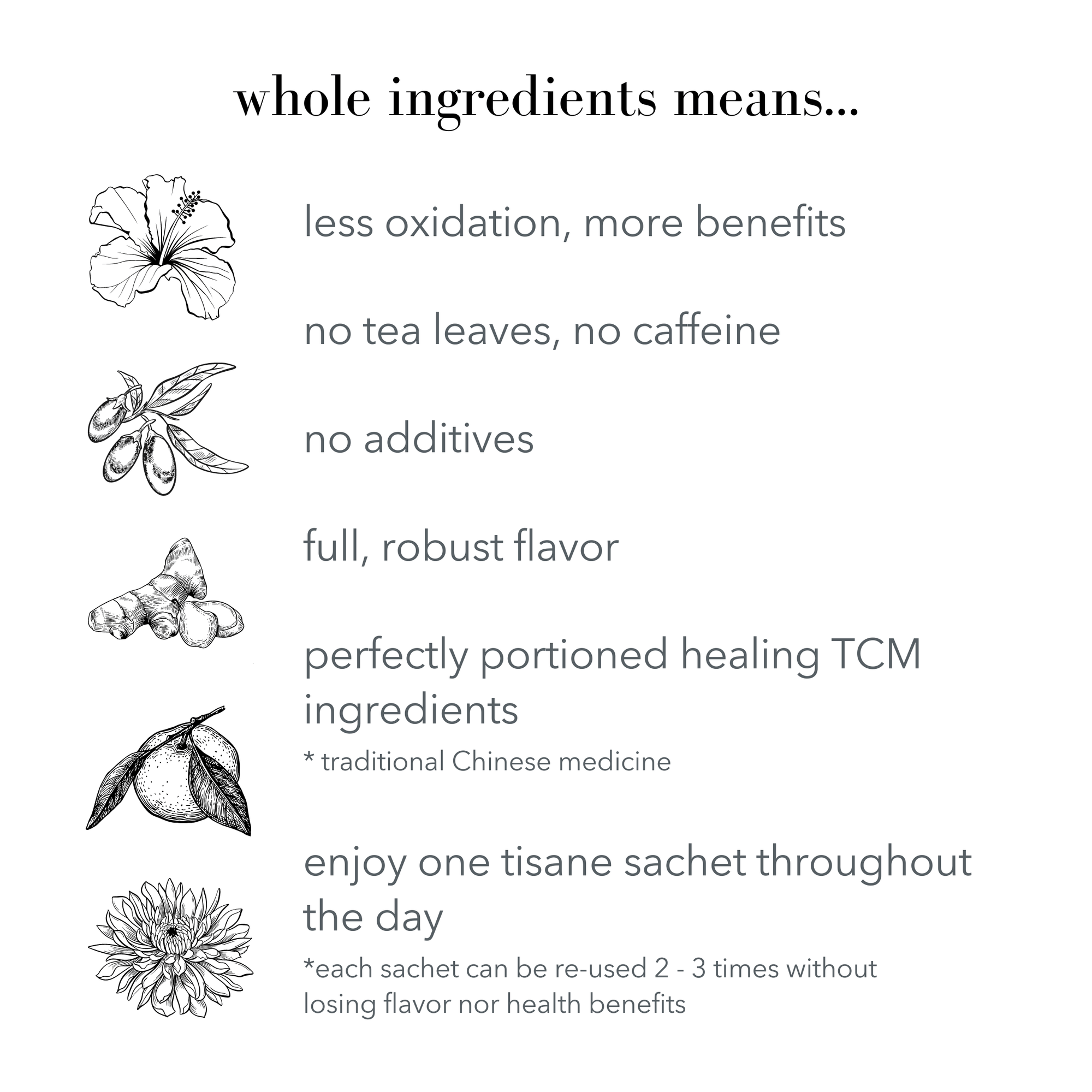
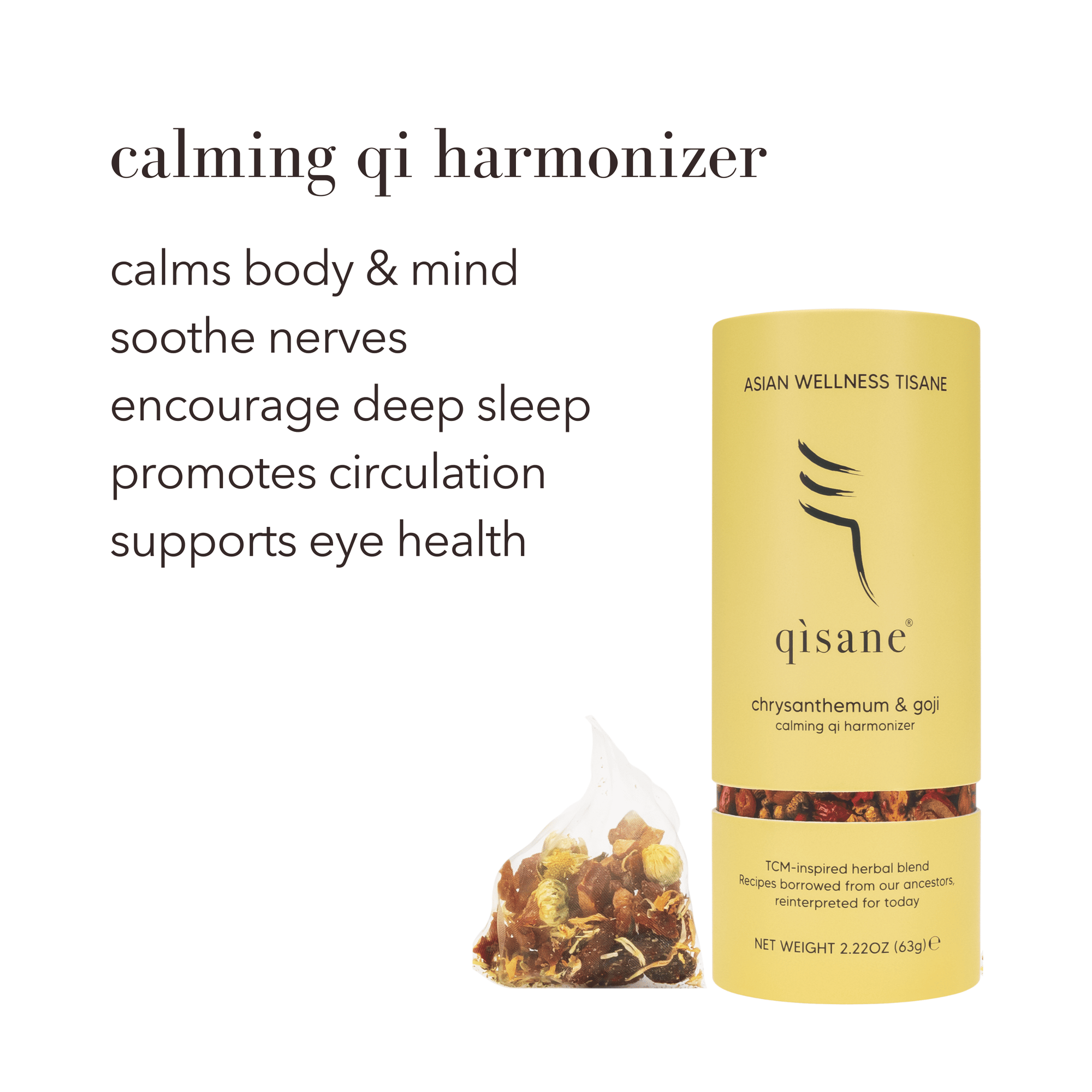
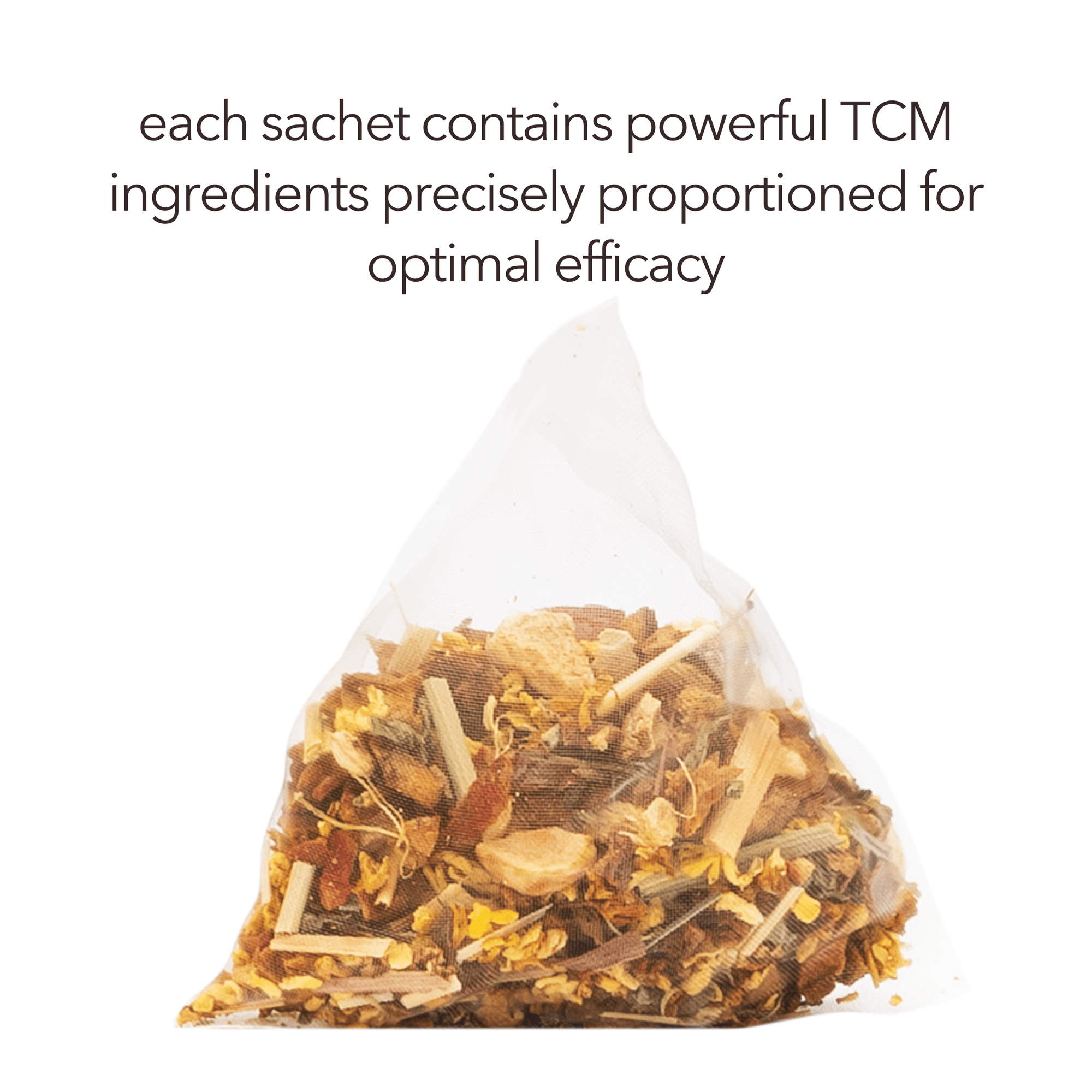
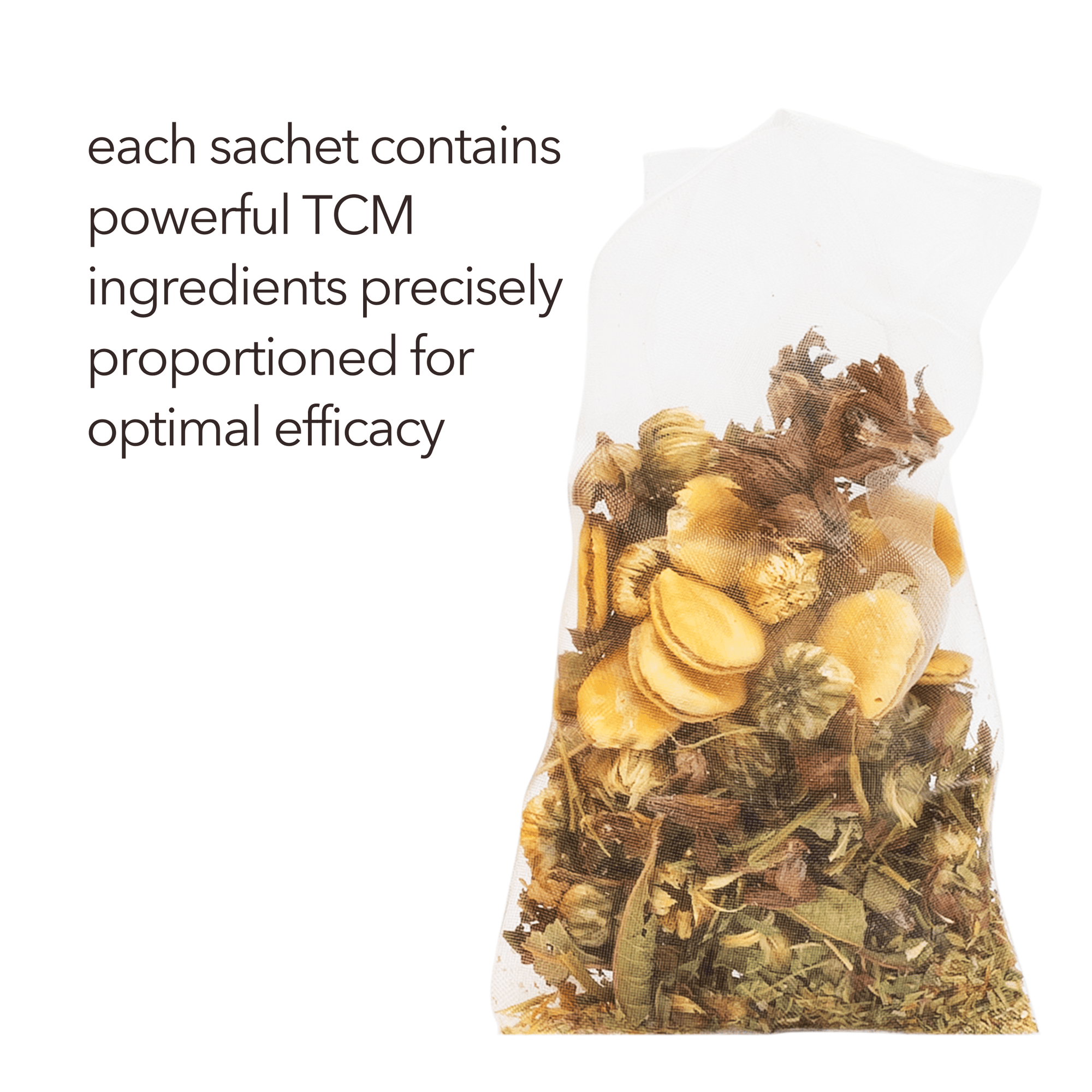
Once an unwanted reaction has been addressed, you may simply want a caffeine-free drink with a refreshing flavor. qìsane peppermint & loquat combines organic peppermint leaf, loquat leaf, organic ginger, balloon flower root and organic licorice root. Its mint character and ginger-and-licorice warmth offer a different flavor experience from a typical bedtime blend—not a proven treatment for drowsiness.
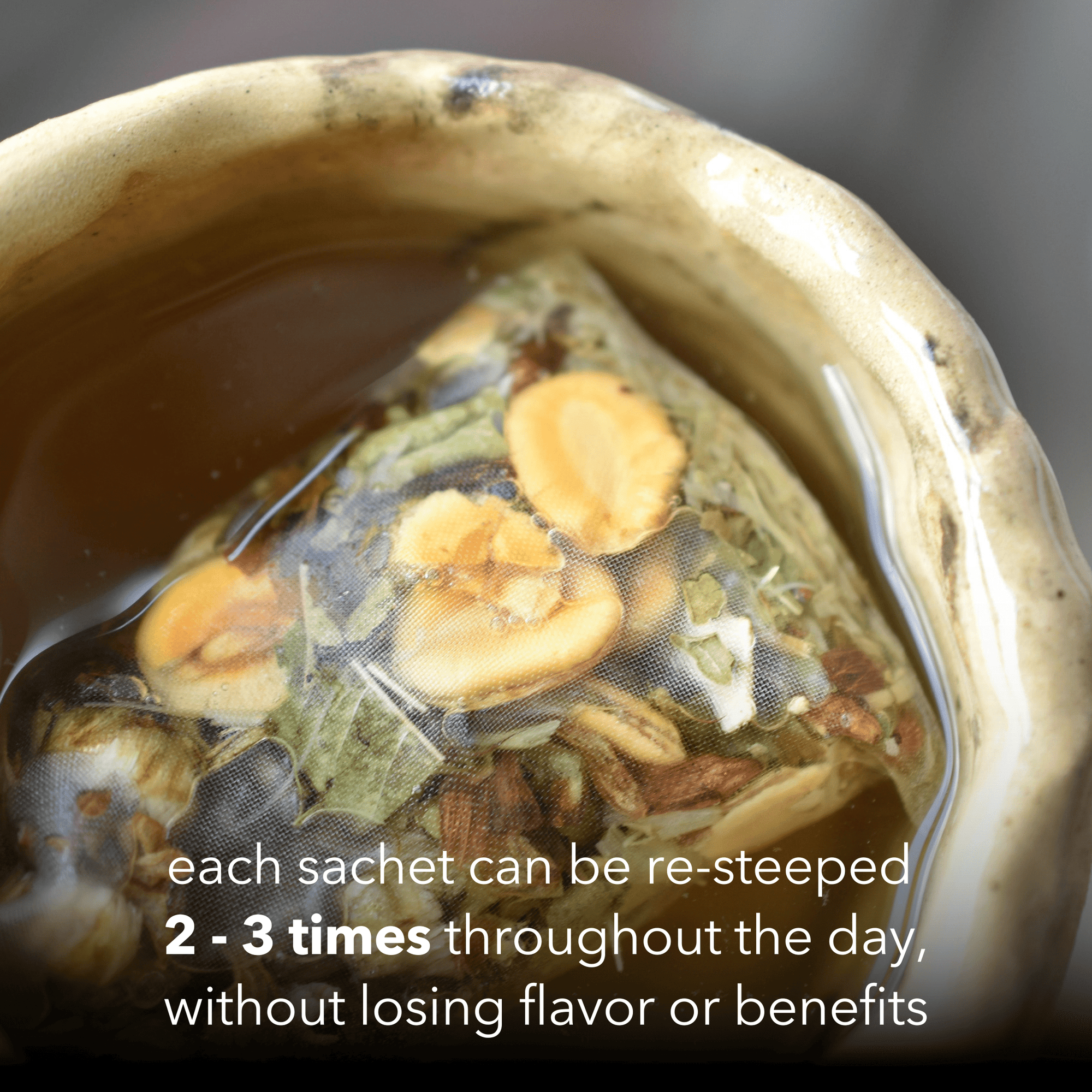
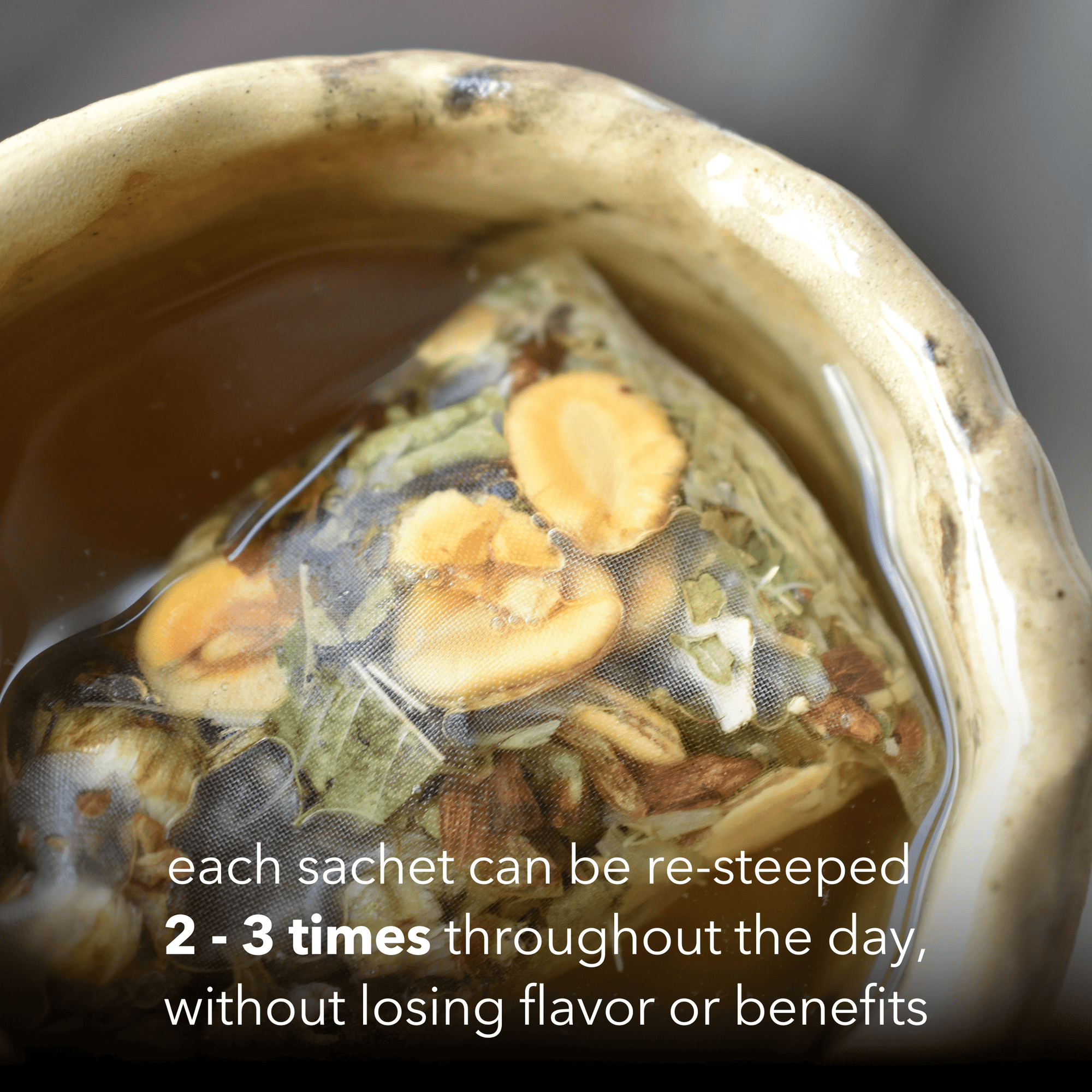
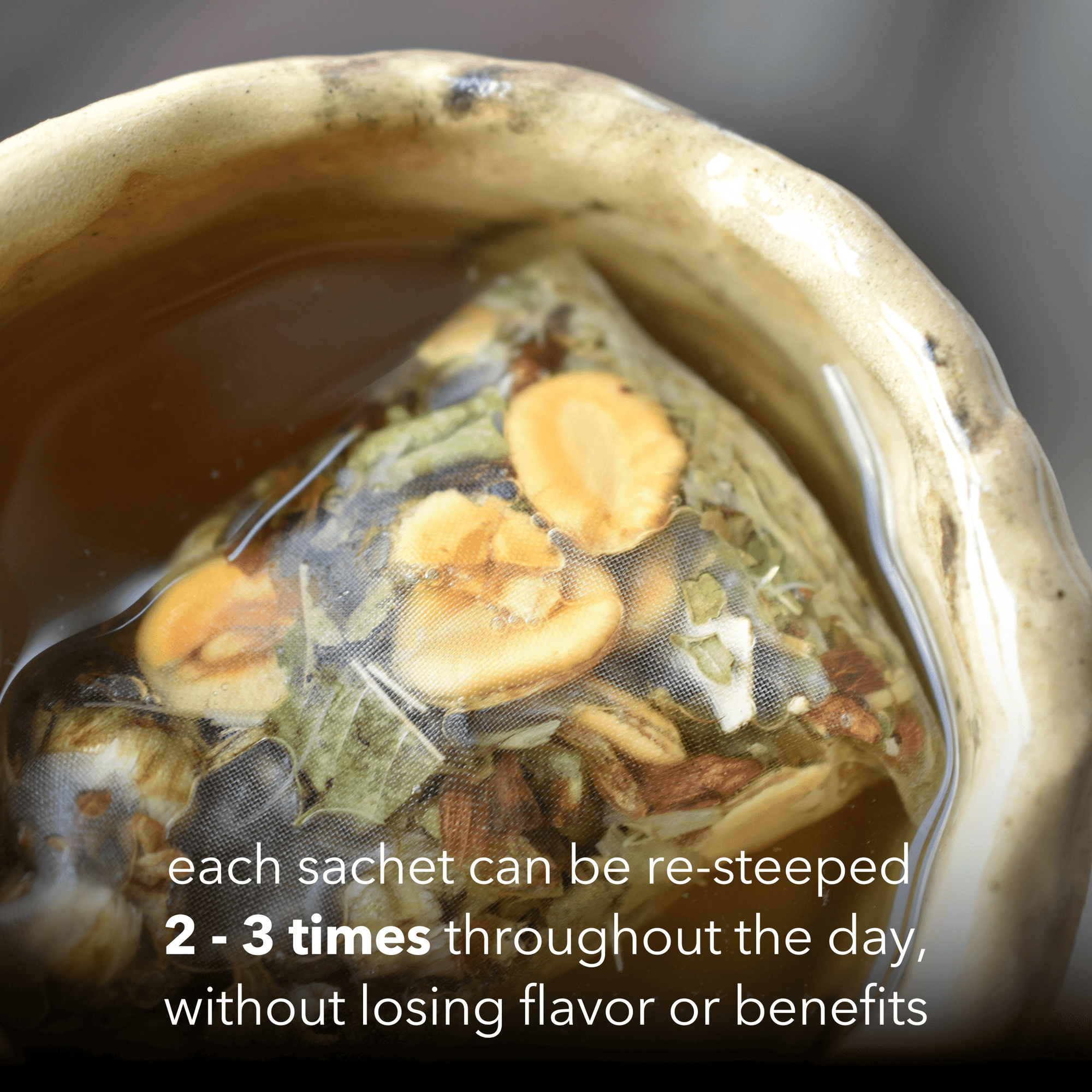
The current directions specify water at 96–98°C and a 6–7-minute steep. Because it contains licorice, the product guidance recommends checking with a clinician before regular use if you have high blood pressure, take prescription medicines, are pregnant or are breastfeeding. A refreshing taste should never be confused with a guarantee of alertness.
When should you get checked?
If unexplained tiredness lasts a few weeks or affects daily life, the NHS recommends a medical assessment. Mention any snoring with gasping or choking during sleep, too. Repeatedly falling asleep unintentionally deserves attention rather than another tea swap.
The goal is not to force yourself through sleepiness. It is to understand whether your cup, a change in caffeine, or something outside your tea routine needs a closer look.