

To find an after-meal herbal drink without artificial additives, start with its complete ingredient list—not a promise of “digestive comfort” on the front. Decide whether you want to avoid artificial flavoring specifically or prefer a blend made only from recognizable botanicals. Those are different preferences, and neither one guarantees that a drink will suit your stomach.
A satisfying cup can still be a simple choice. Here is how to separate what is in the drink, how it tastes and what its digestive claims actually mean.
First, decide what you want to leave out
“No artificial additives” can be shorthand for several things. Make your own checklist before comparing products:
- No artificial flavoring: look for that wording in the ingredient list. A natural flavor is not the same declaration as an artificial flavor—but neither tells you that whole flowers or leaves supply all the taste.
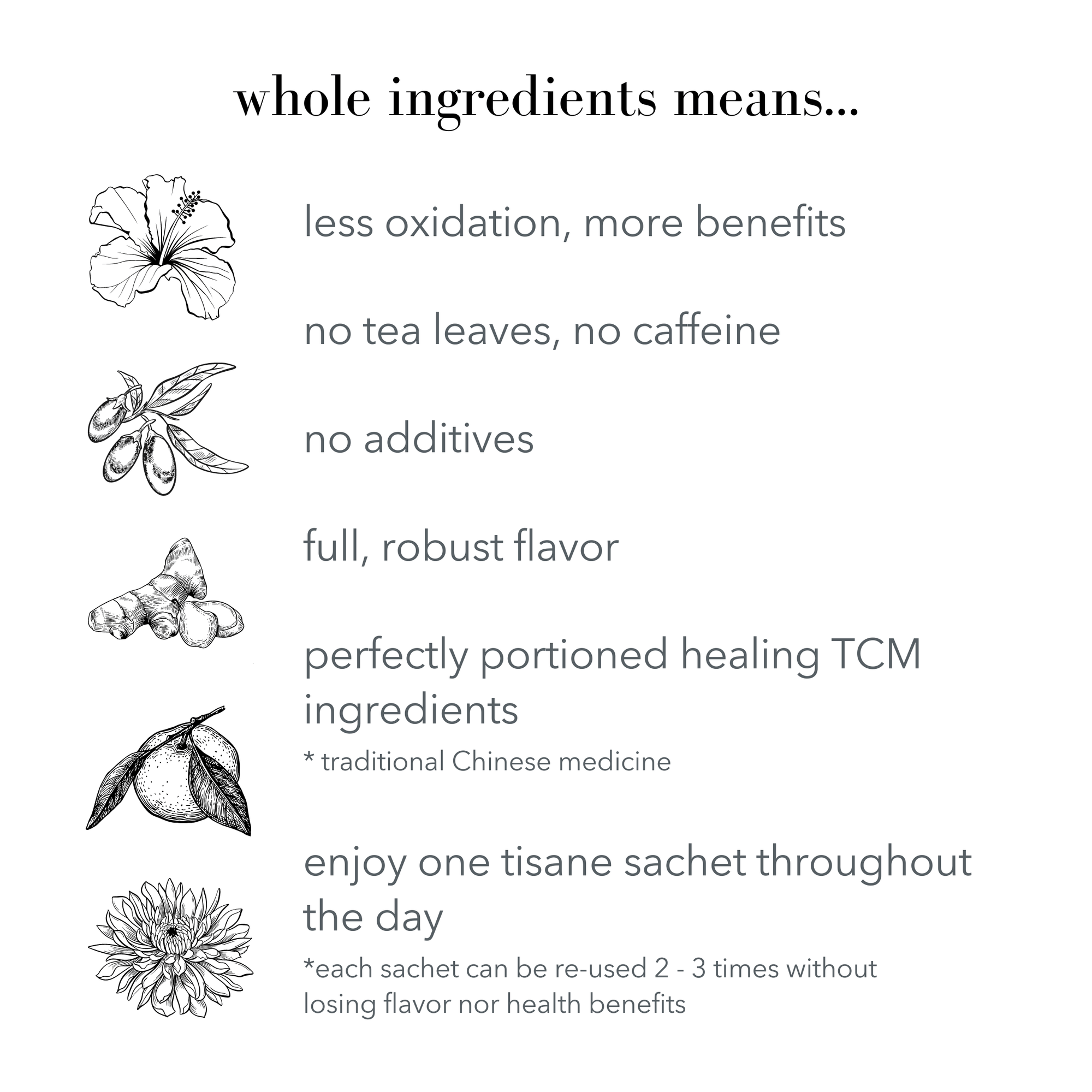
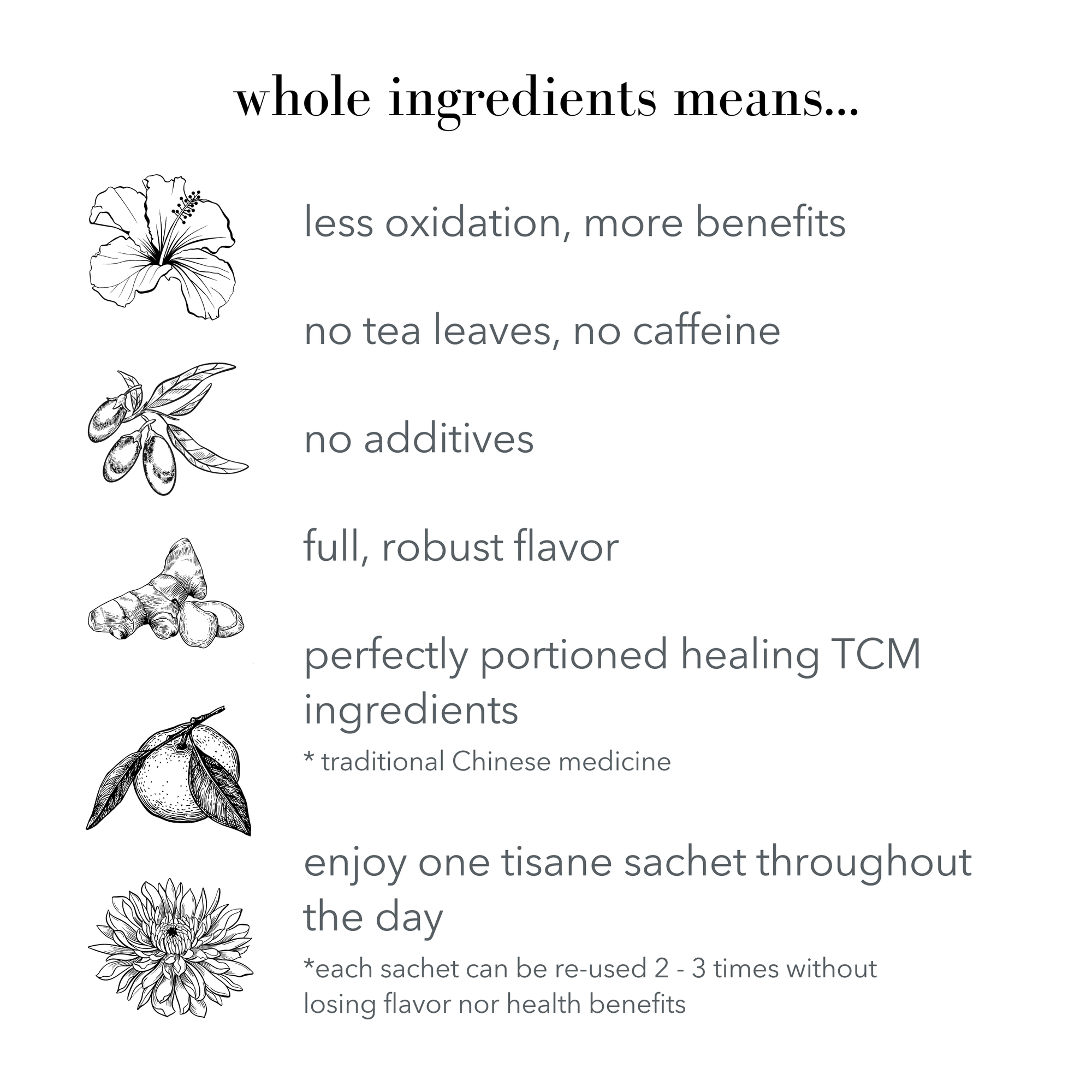
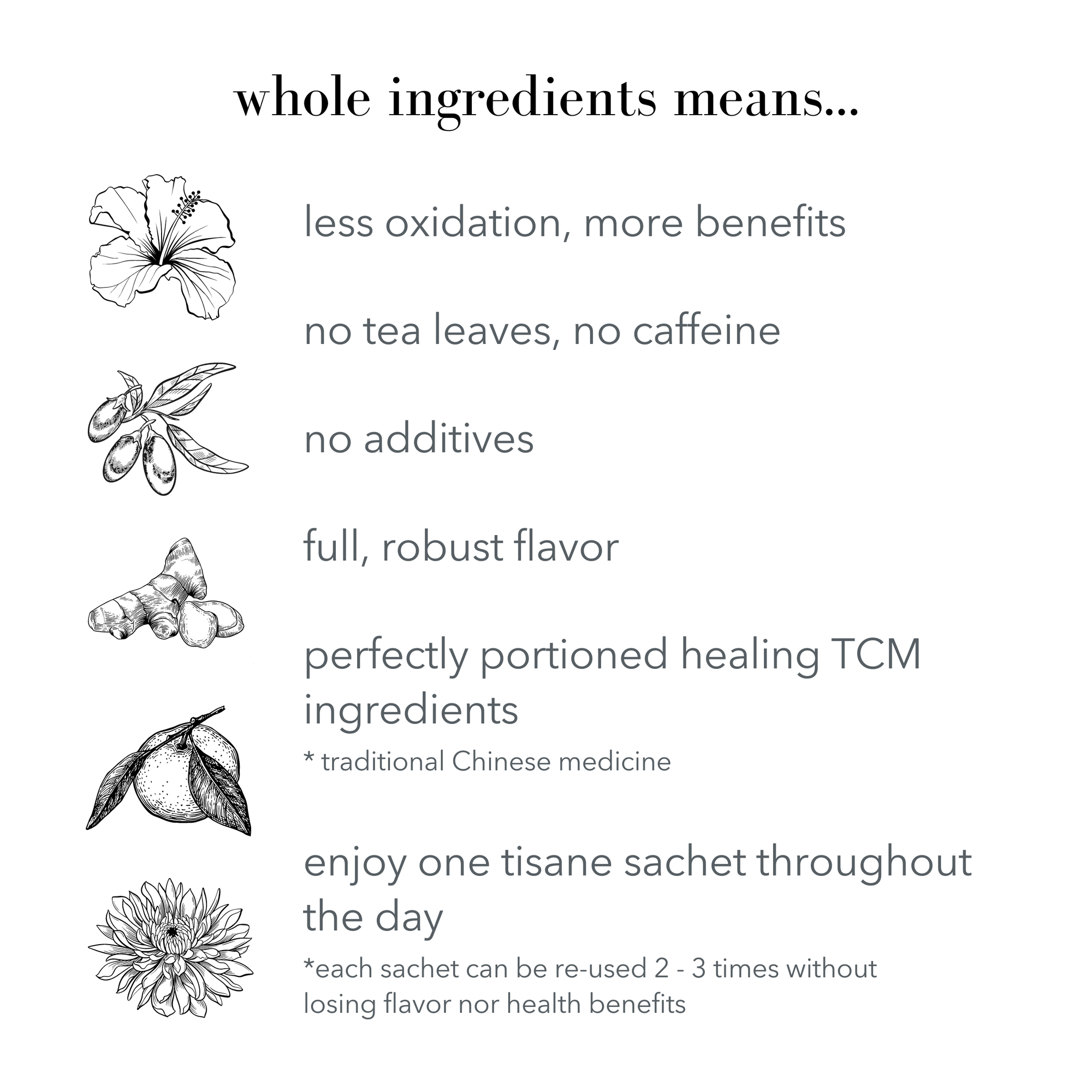
- Only botanical ingredients: choose a list of herbs, flowers, fruits or spices if you want the flavor to come from the ingredients you steep, rather than added flavoring.
- No added sweetness: check beyond sugar. A blend can contain a sweet-tasting botanical even when there is no artificial sweetener.
- No added colors or preservatives: read the list for those ingredients too; do not assume a front-label flavor claim answers every question.
The FDA’s ingredient guide explains common labeling terms and the different jobs ingredients perform. Preservatives can help protect food from spoilage; an unfamiliar name is not, by itself, evidence that an ingredient is harmful. Choosing a simpler formulation can be a preference without turning other drinks into a warning story.
Read sweetness separately from “natural”
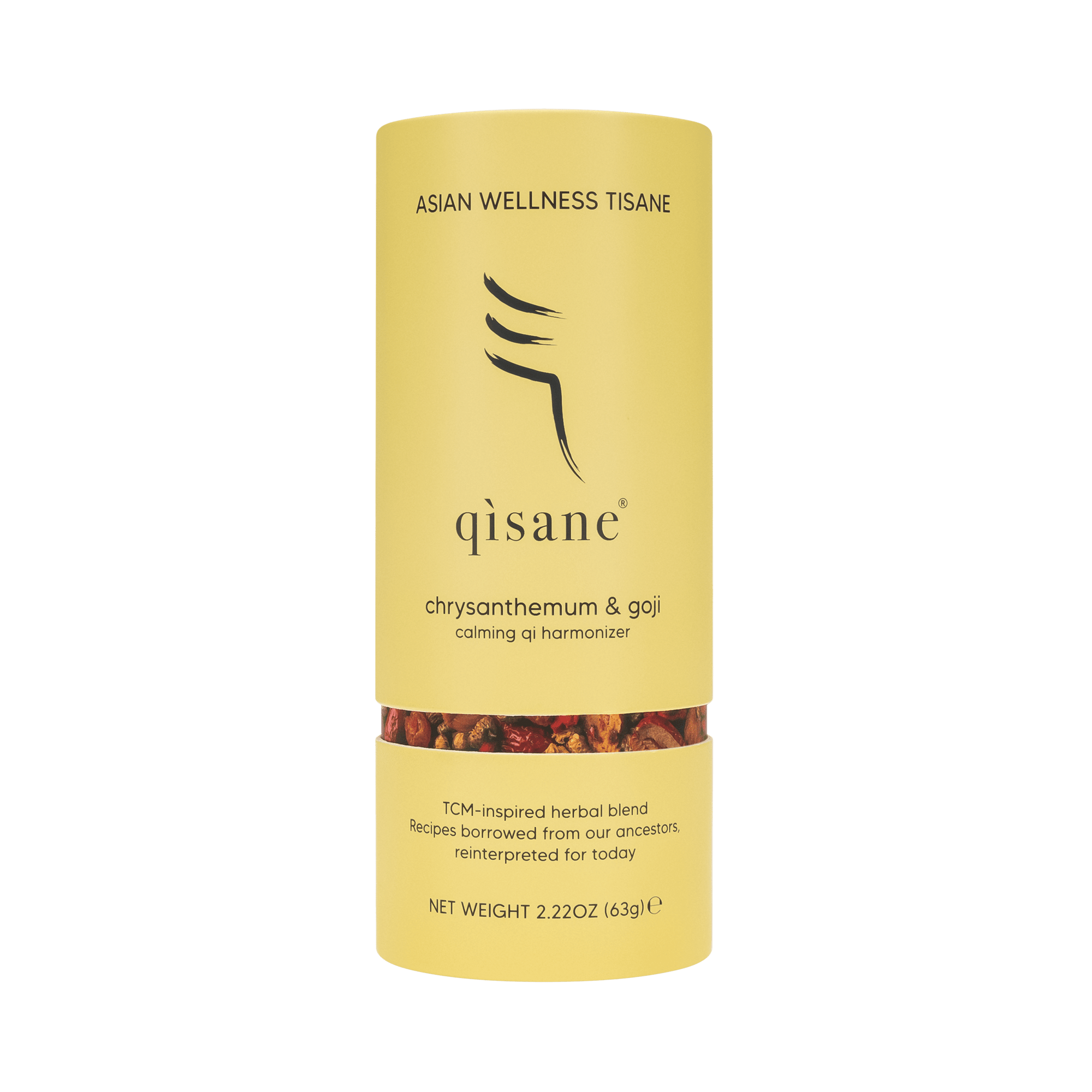
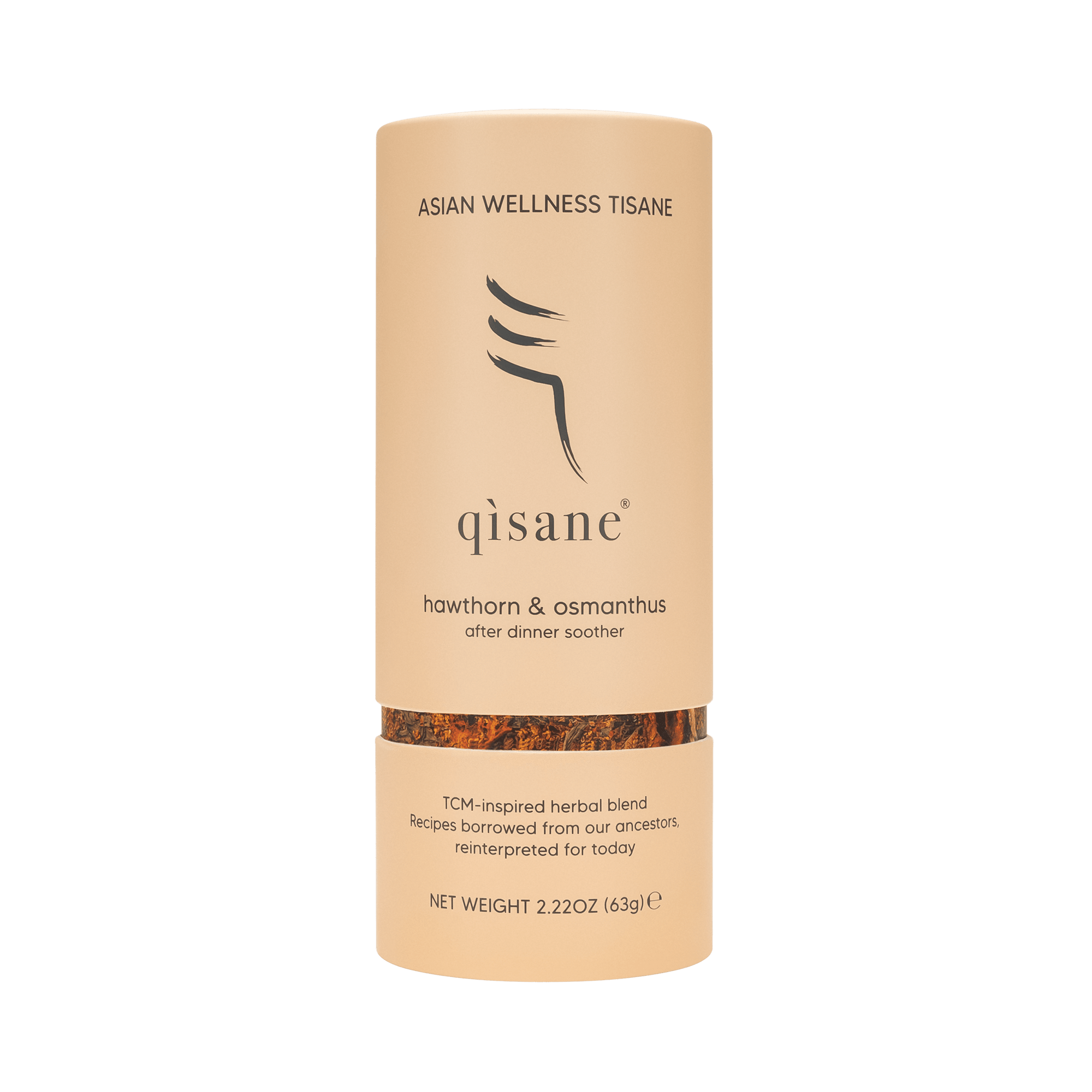
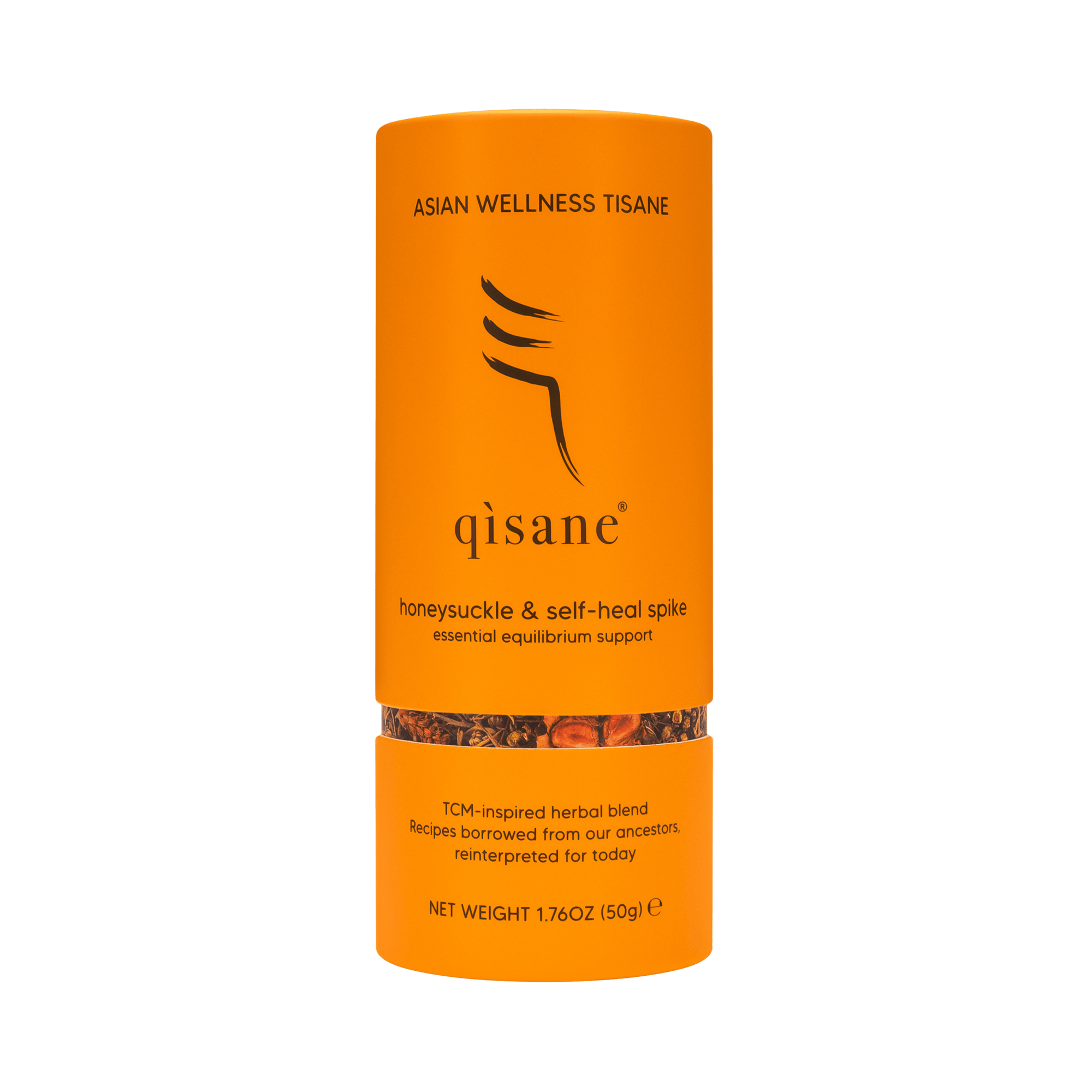
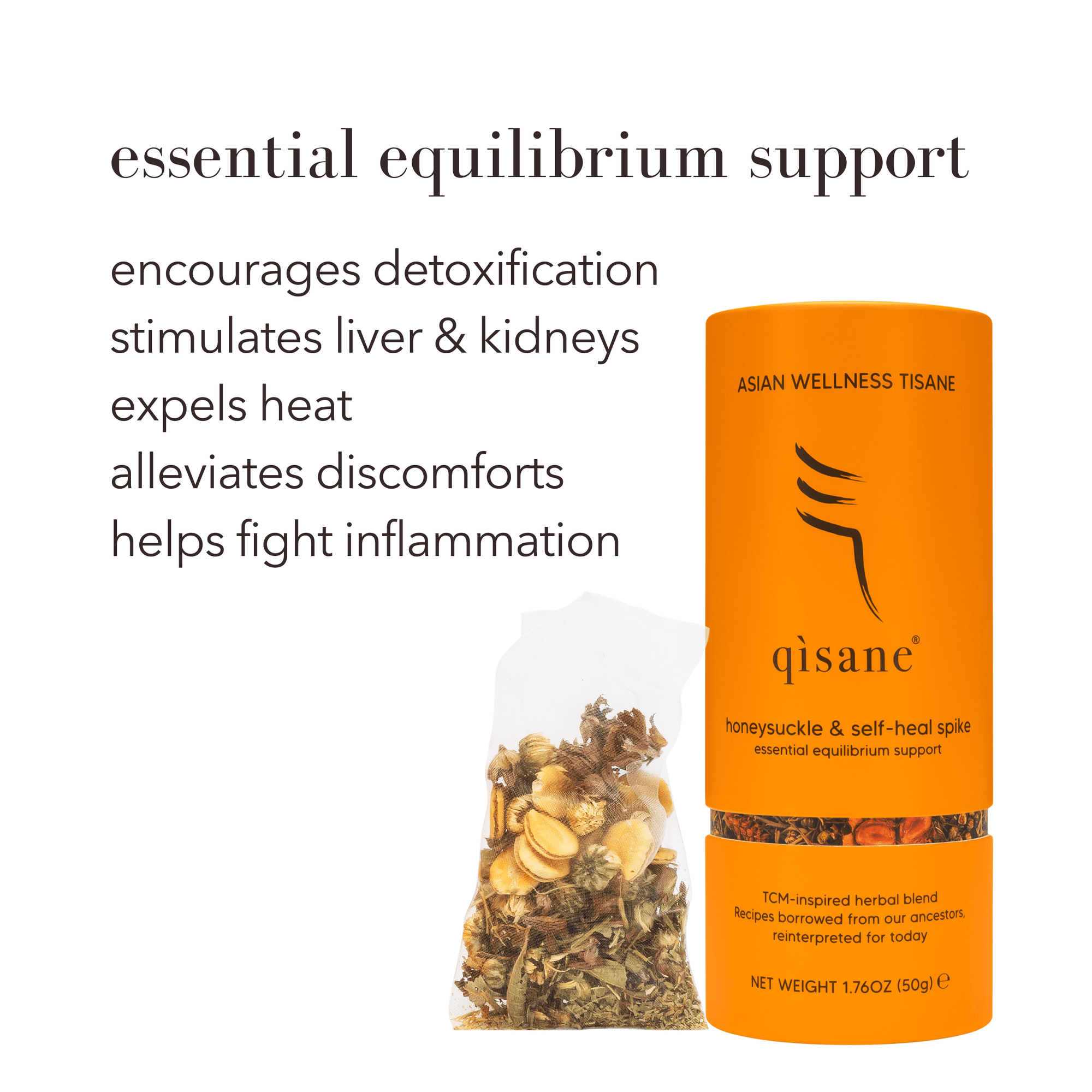
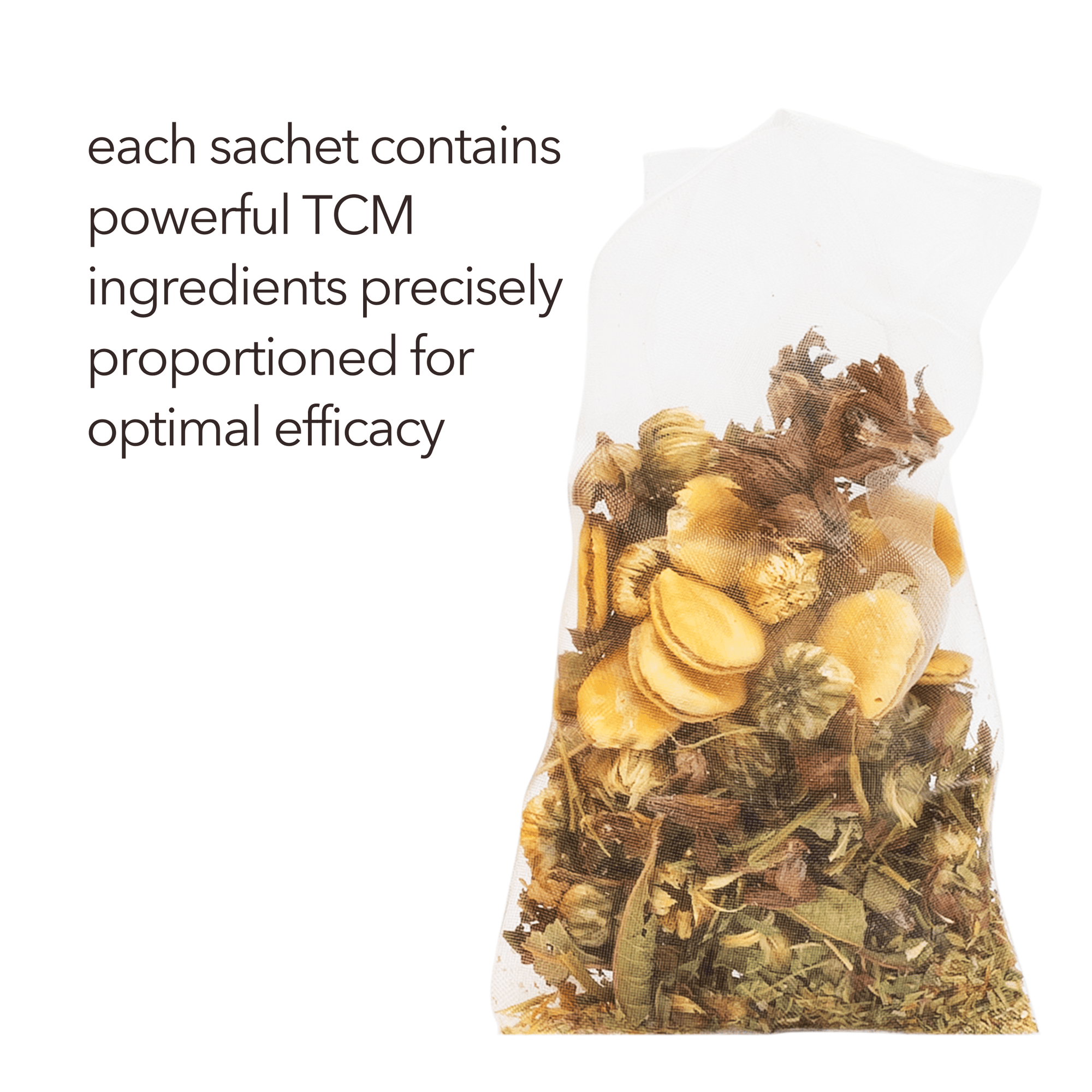
For a concrete example, the ingredient panel for hawthorn & osmanthus lists organic osmanthus, hawthorn berries, organic ginger, organic lemongrass and organic stevia leaf. That final ingredient matters if you are looking for a cup without a sweetening botanical. Read the entire list rather than assuming the two ingredients in the blend’s name tell the whole story.
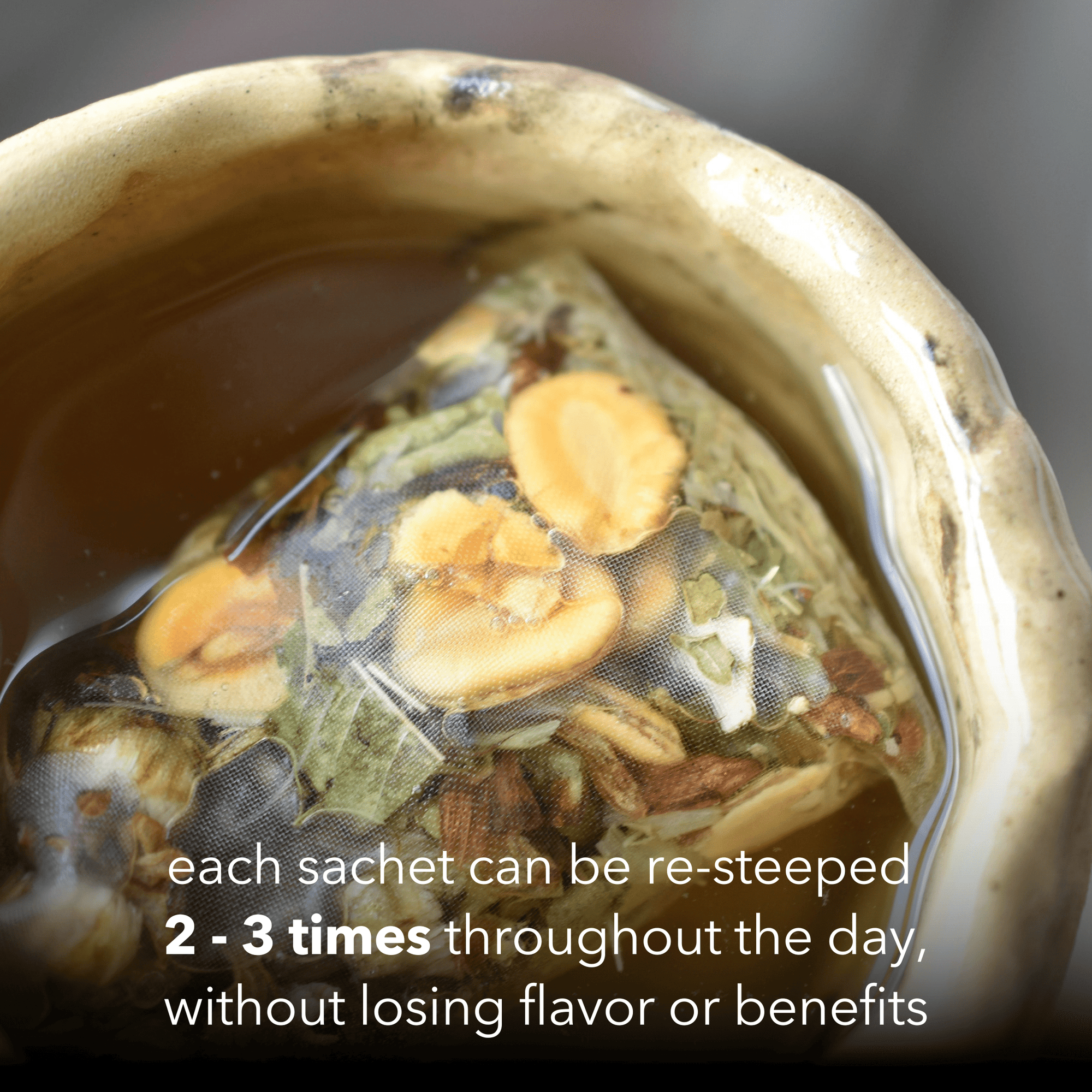
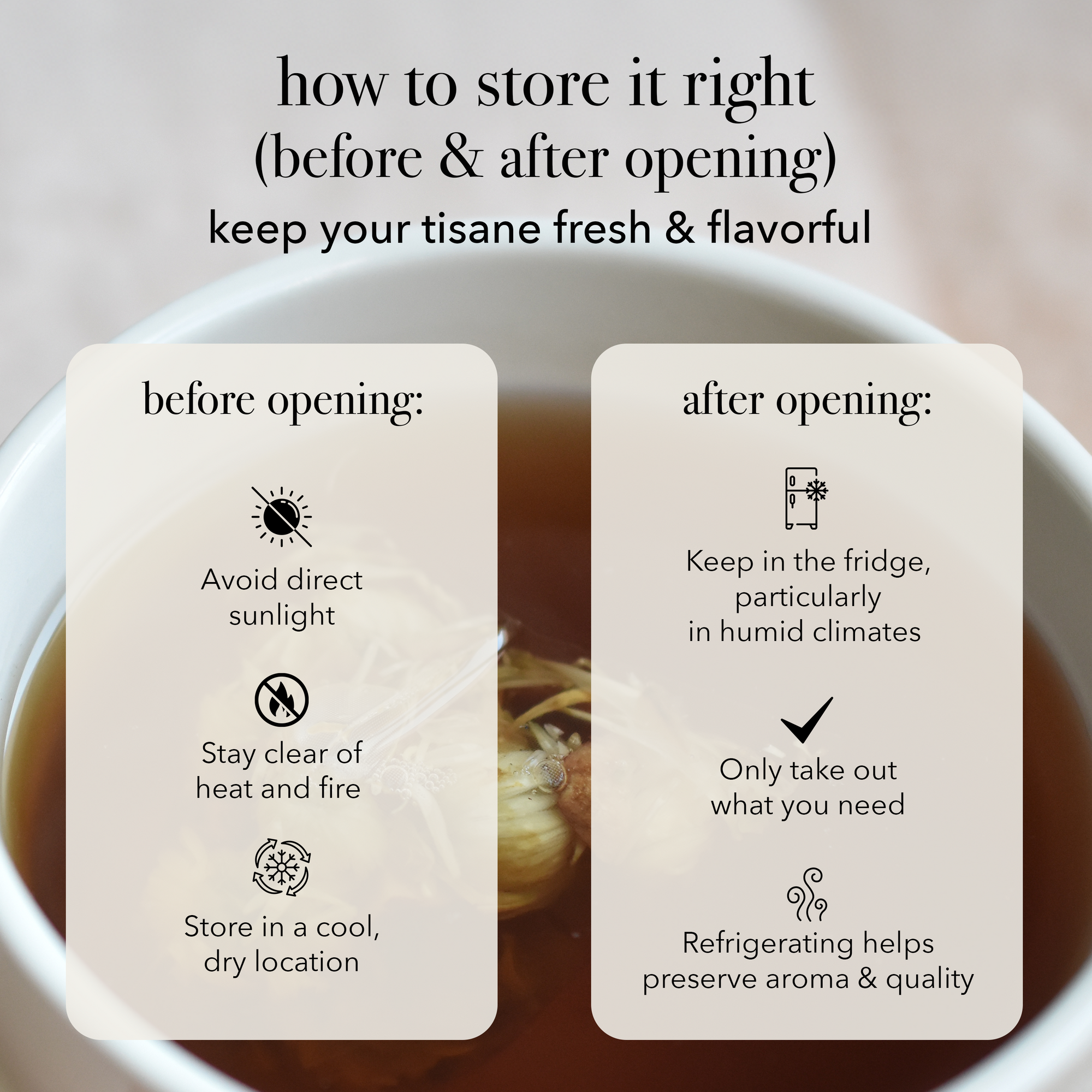
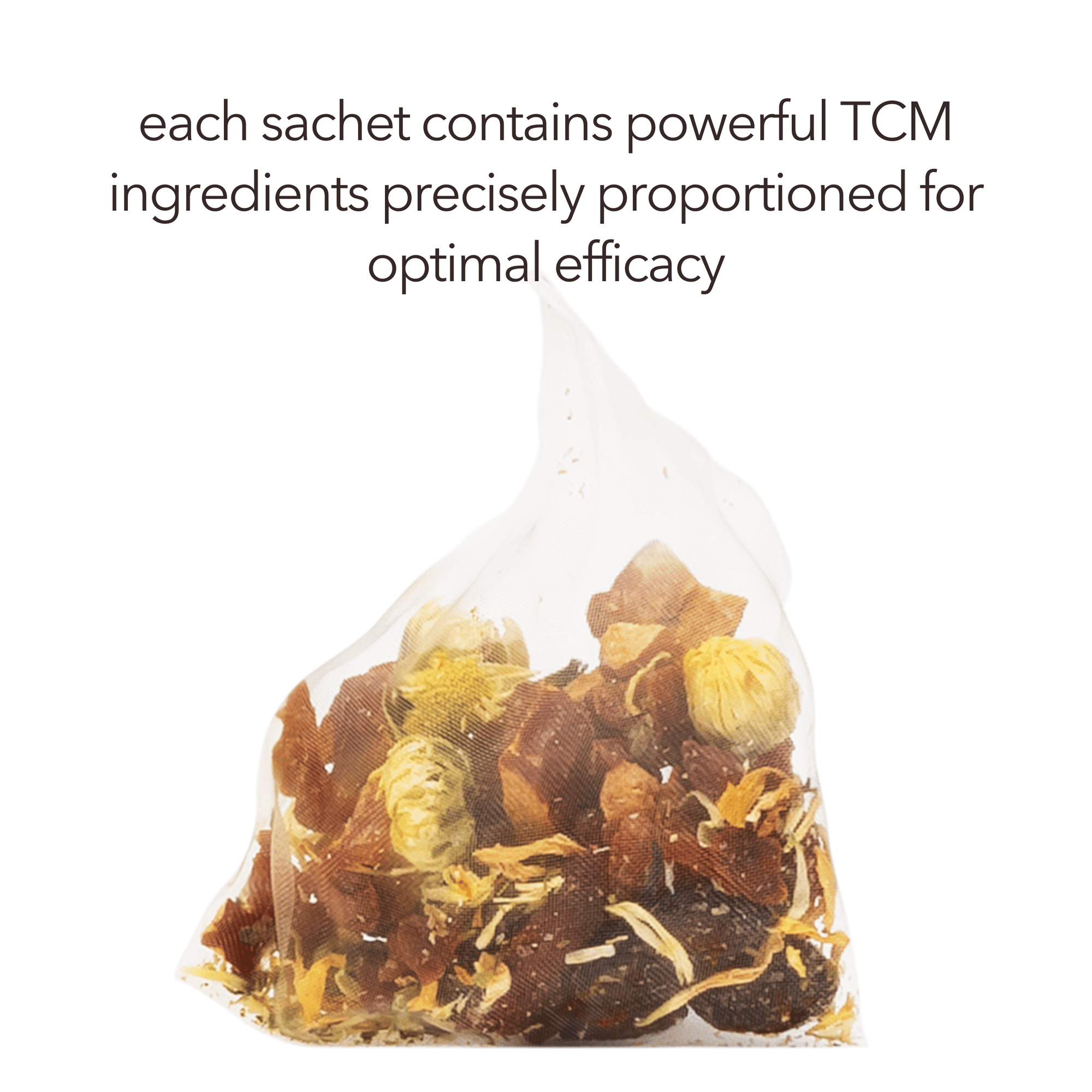
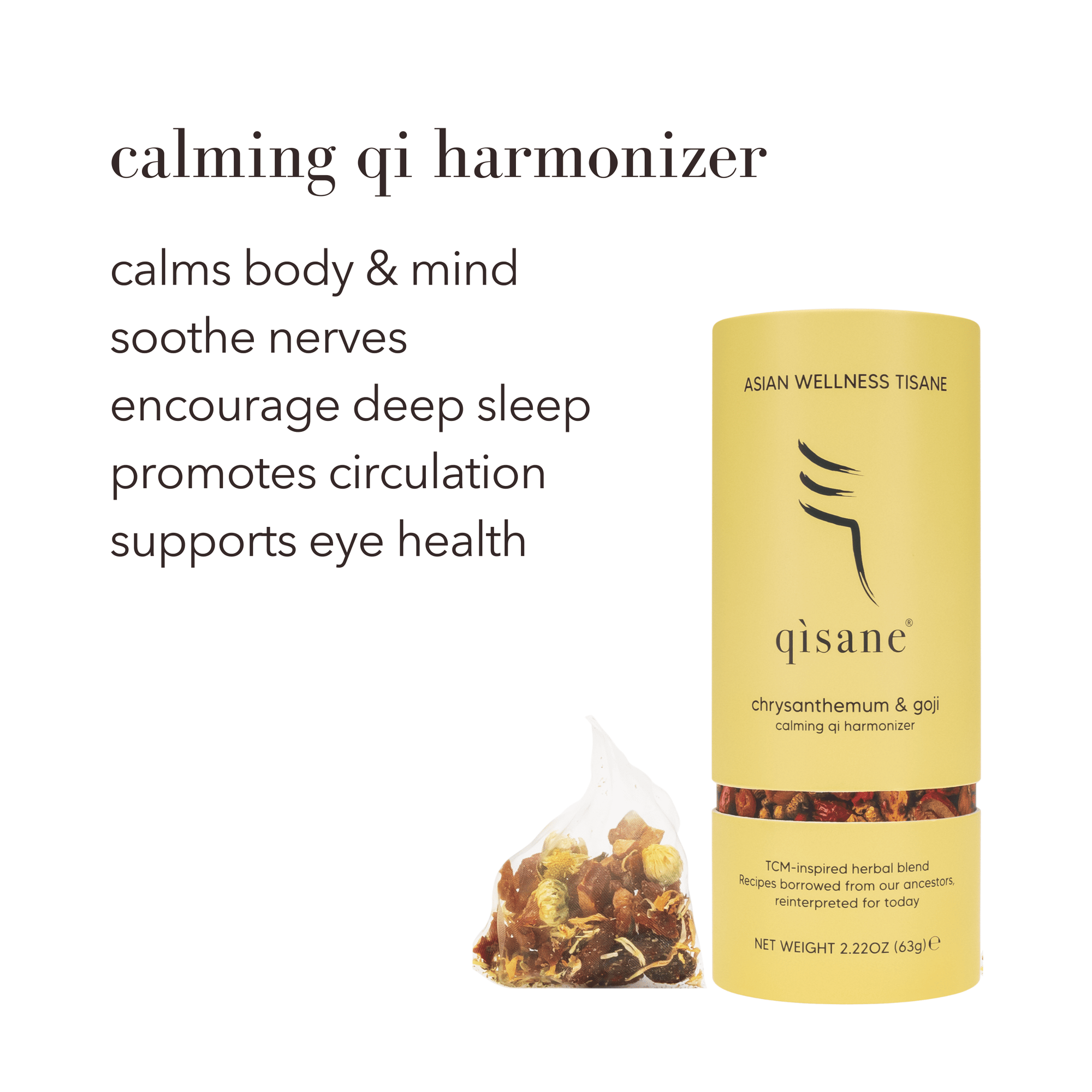
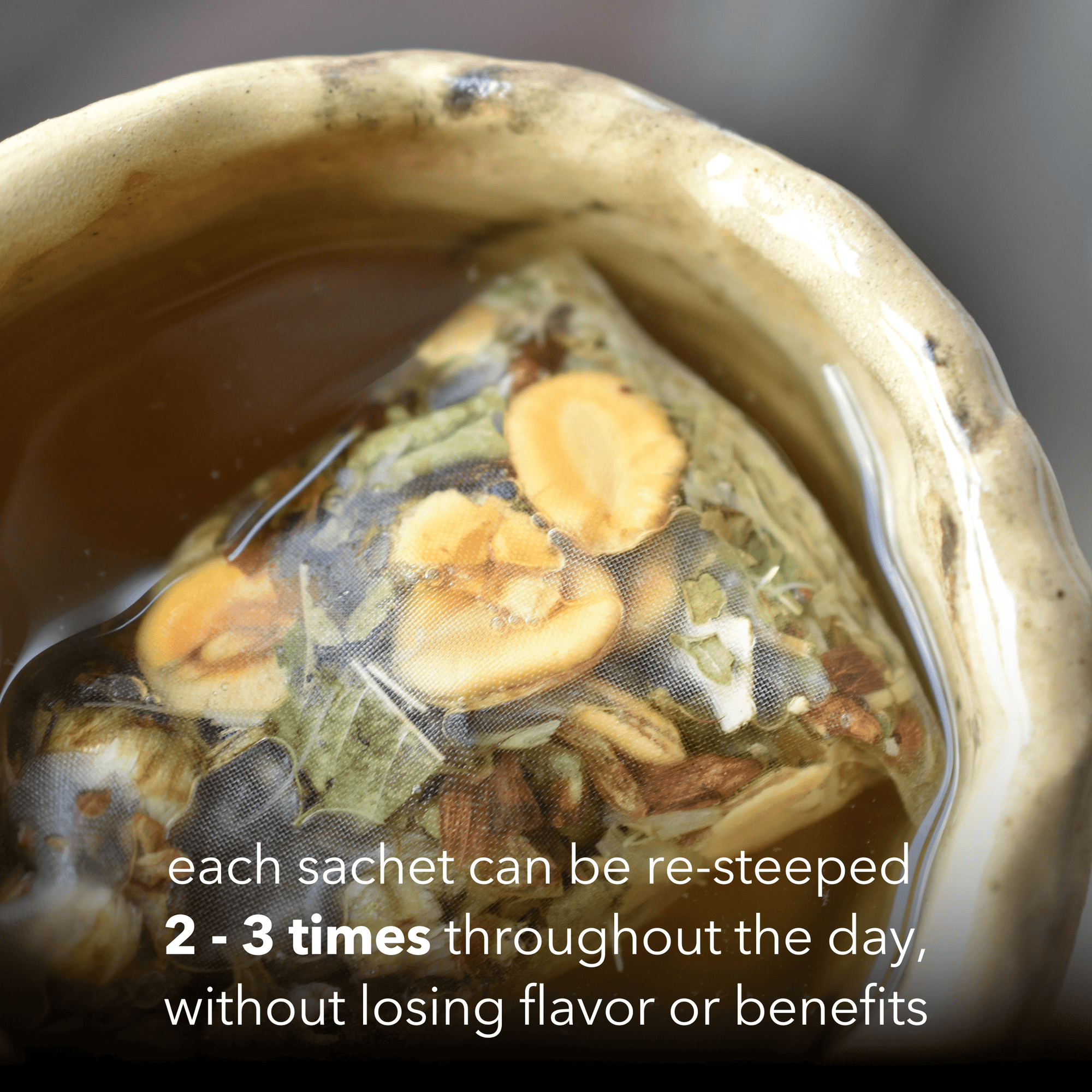
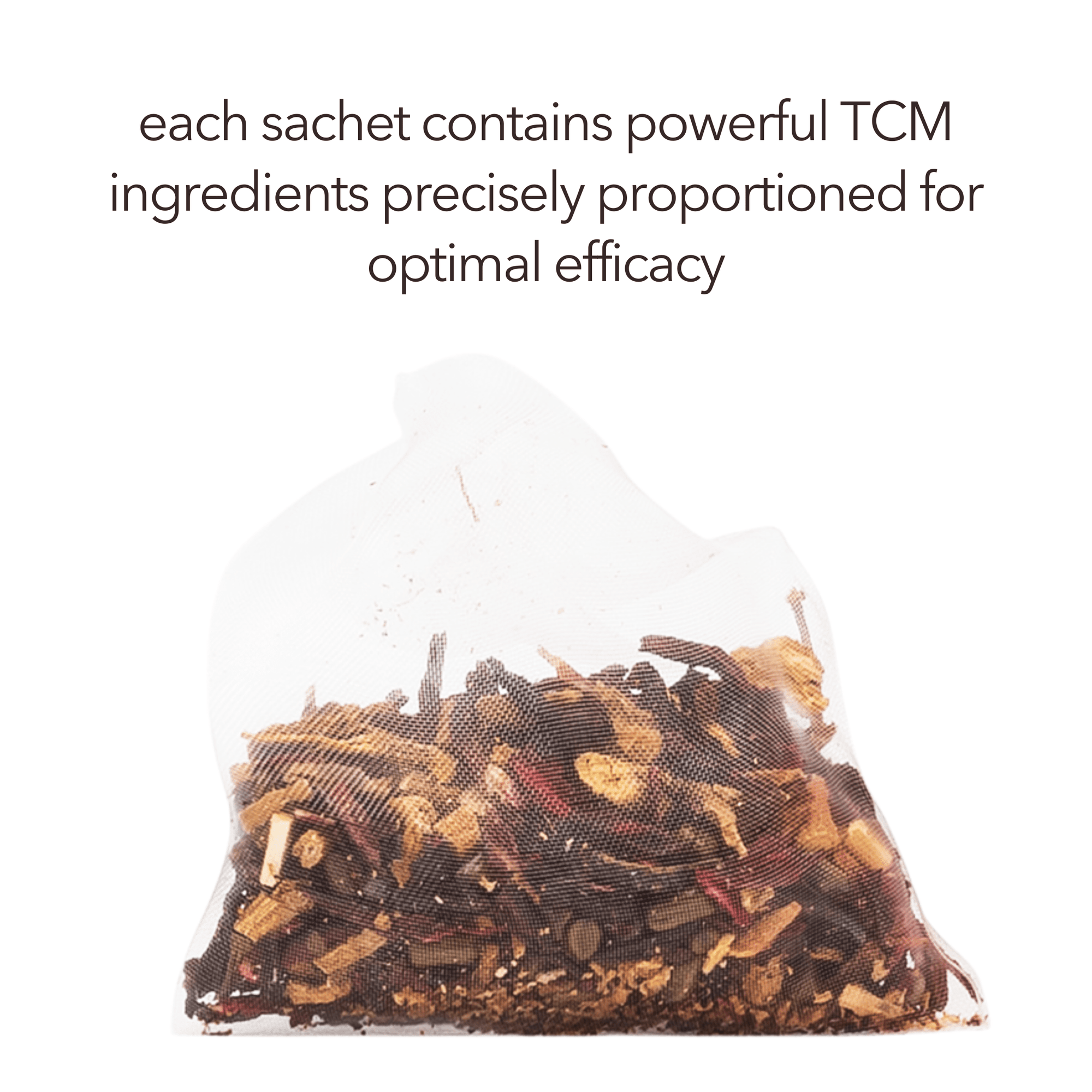
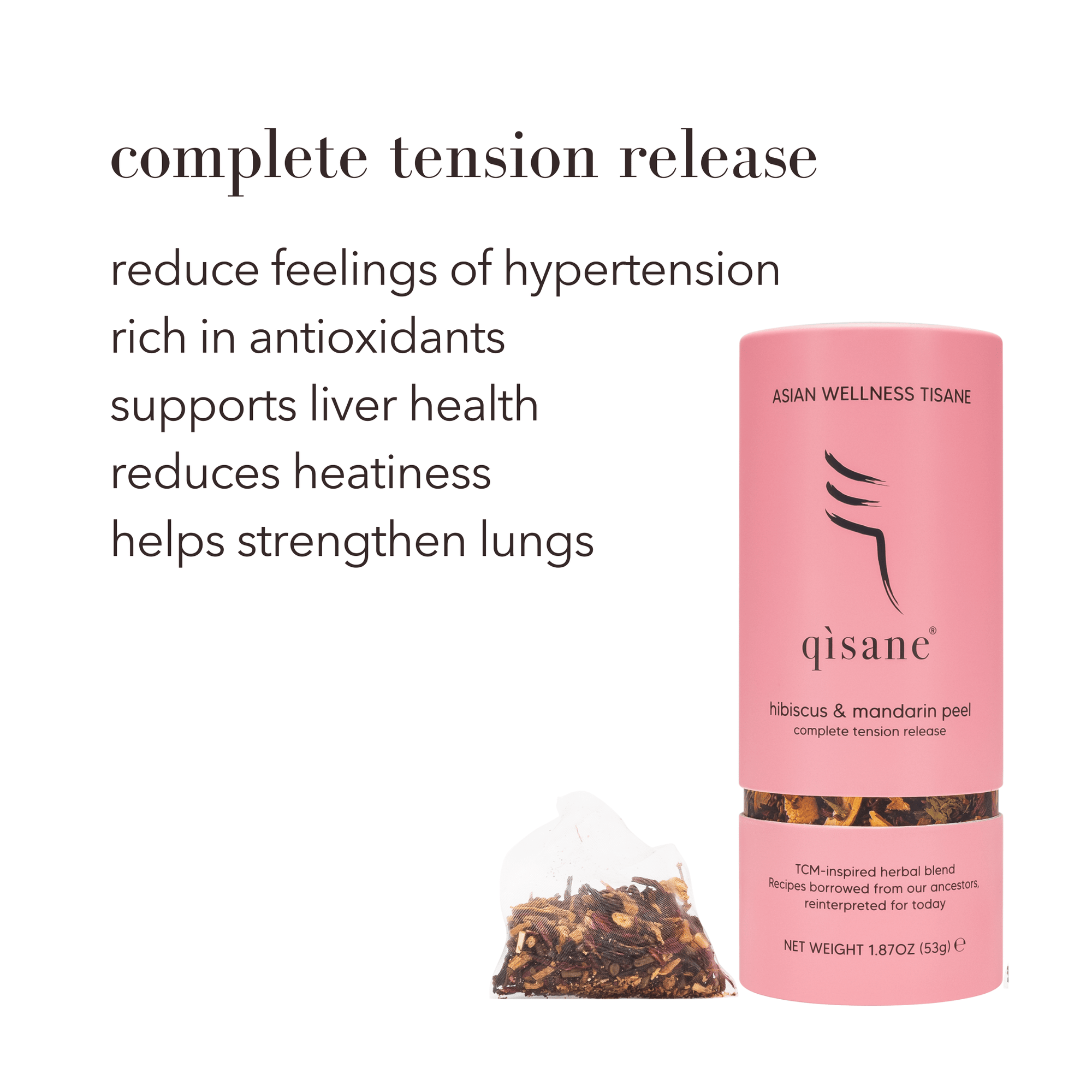
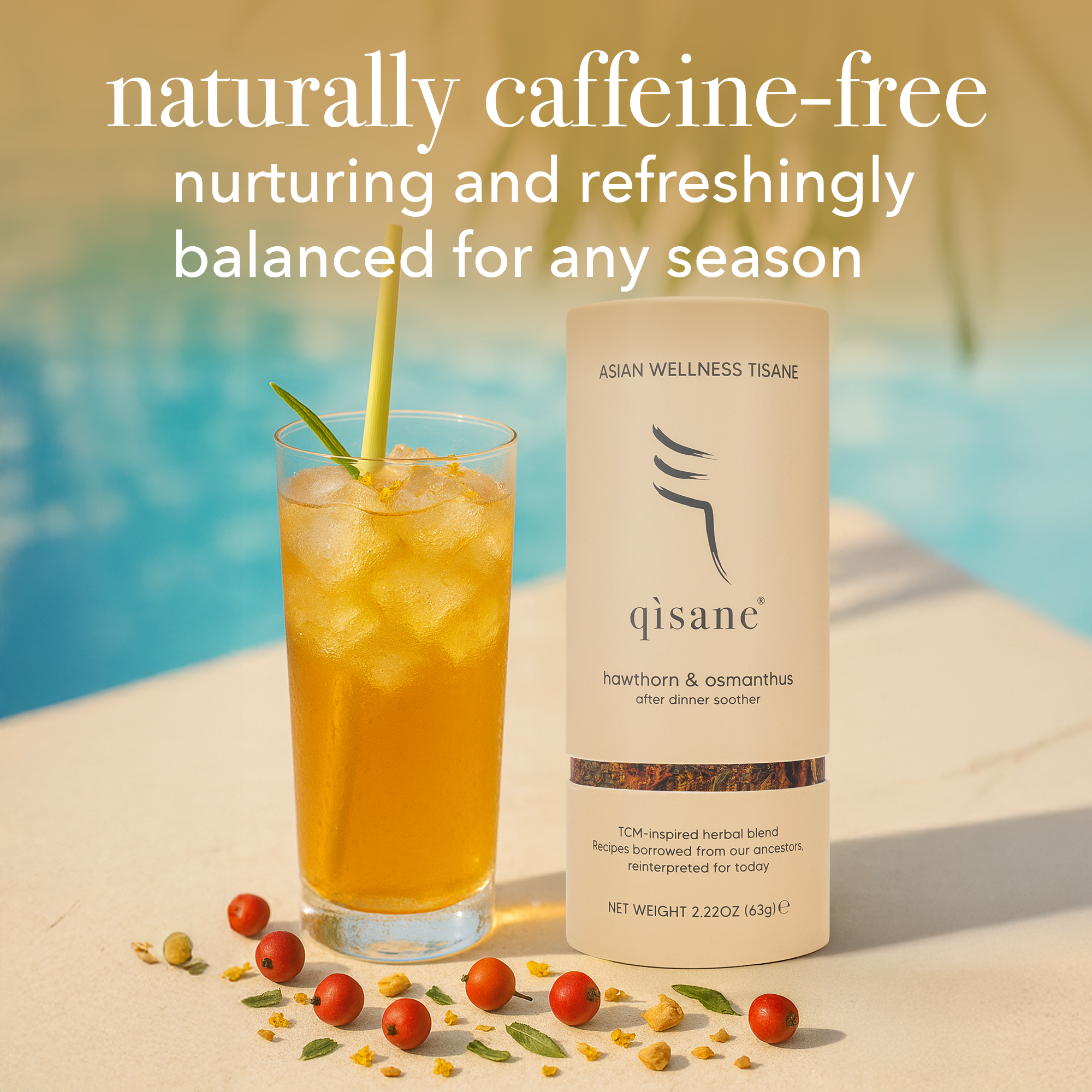
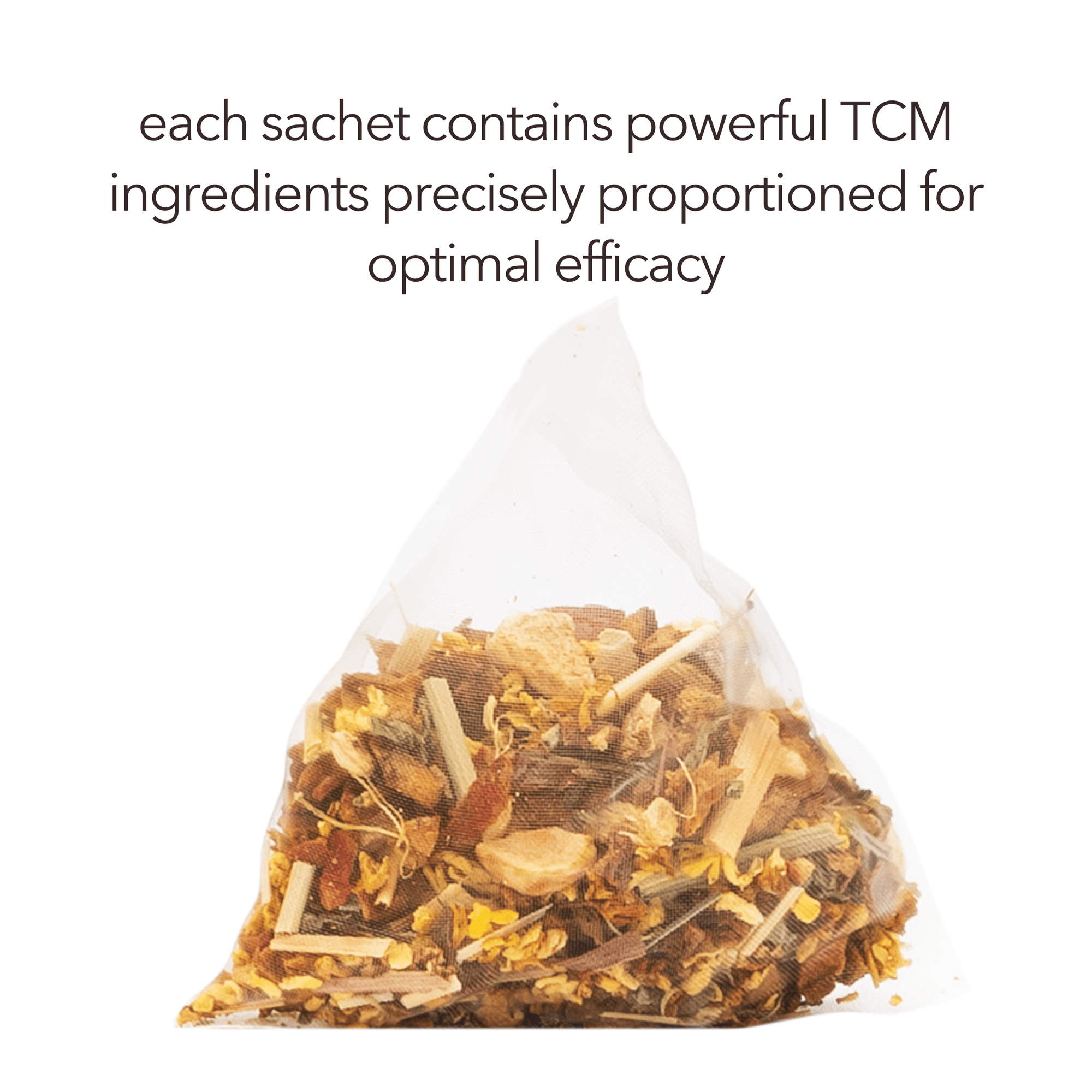
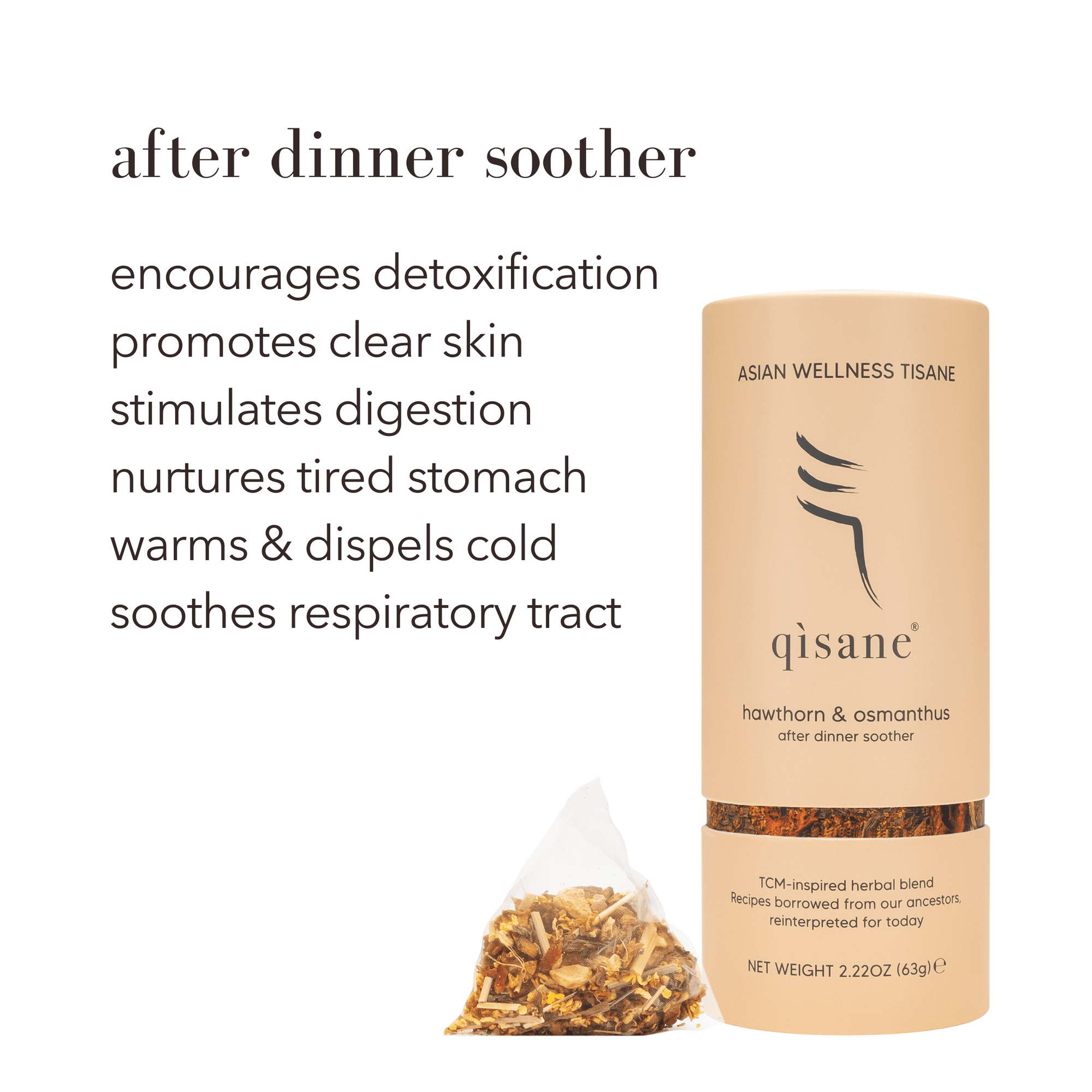
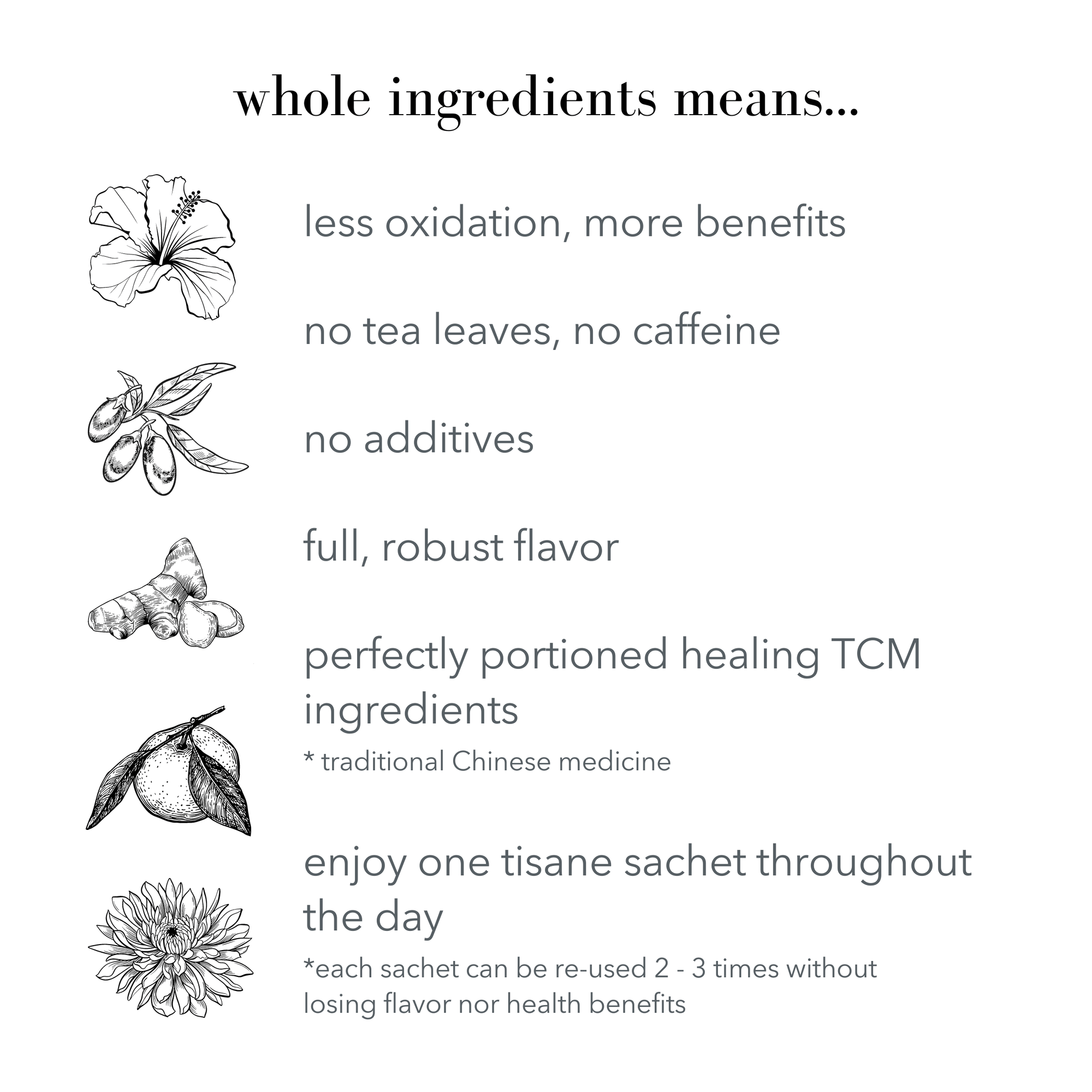
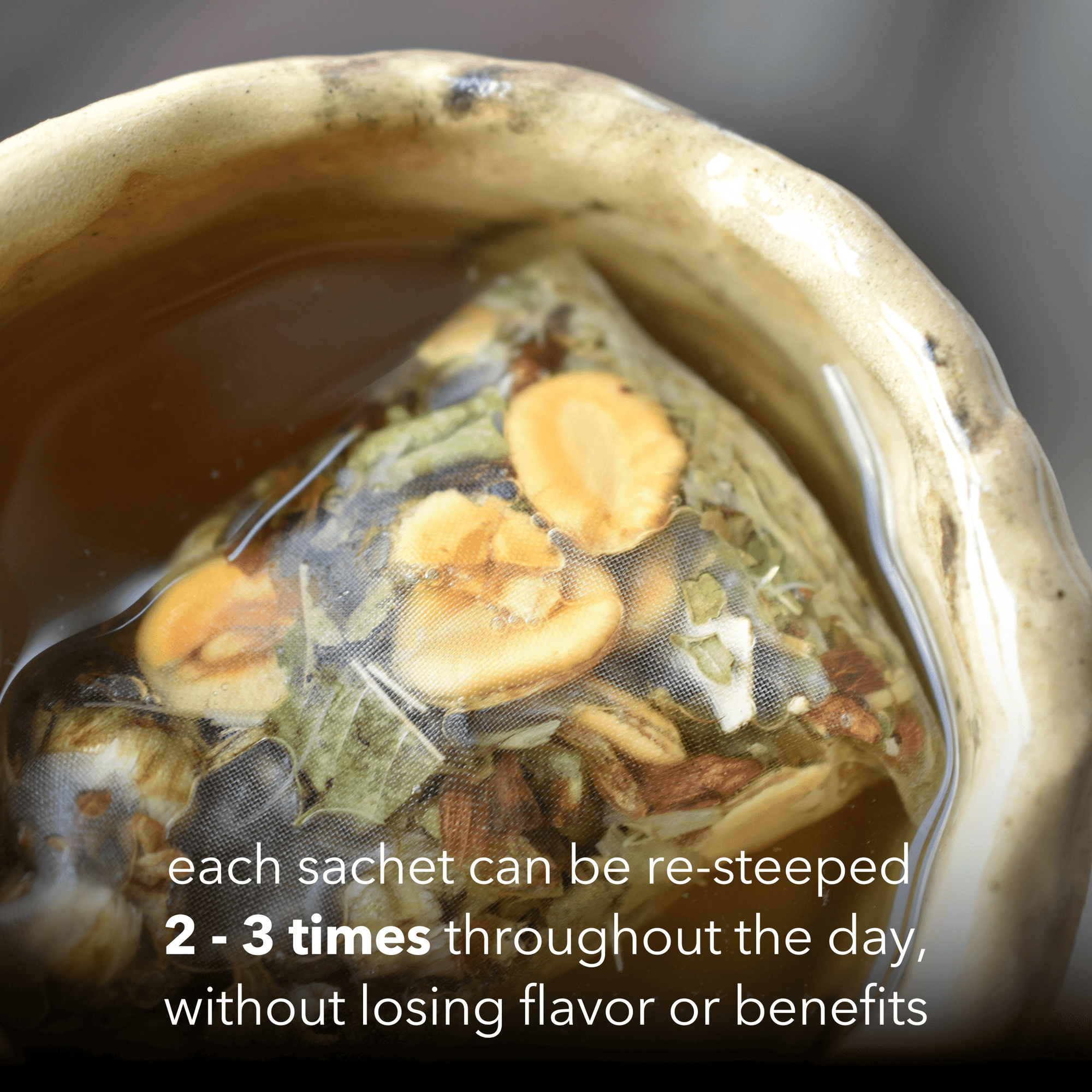
This caffeine-free qìsane tisane offers berry and floral notes, with ginger and lemongrass adding aromatic character. It is an option for someone who enjoys a whole-ingredient cup after dinner—not a promise that avoiding artificial ingredients will resolve digestive discomfort. Its directions are to steep at 96–98°C for 6–7 minutes, with two to three steeps per sachet.
Do not ask a label to prove a digestive benefit
“Natural” is not a medical claim. The FDA’s longstanding natural-labeling policy does not establish nutritional or health benefits. Likewise, choosing organic ingredients is not the same as choosing a digestive treatment. USDA organic rules restrict agricultural substances but allow specified exceptions; “organic” should not be read as “no pesticides were used.”
For herbal benefits, look at the actual plant and preparation. Peppermint leaf preparations have a recognized traditional use for indigestion and gas in the European Medicines Agency’s assessment. That traditional-use basis is different from clinical proof. The NCCIH evidence summary notes that research on peppermint leaf is limited; findings about enteric-coated peppermint oil capsules cannot simply be transferred to a mug of tea.
Keep your own comfort in the decision
A short ingredient list is useful information, not a guarantee of suitability. Peppermint leaf preparations can worsen heartburn or reflux, according to the EMA. If mint is a known trigger for you, an artificial-flavor-free mint tea does not solve that problem.
Choose a flavor you enjoy, prepare it as directed and notice whether it agrees with you. If you take medicines, a pharmacist or clinician can help check the specific botanicals rather than relying on the word “natural.” Do not keep changing teas to manage indigestion that does not improve: NIDDK recommends medical evaluation. Severe, constant abdominal pain, trouble swallowing, bloody vomit or black stools need prompt medical attention.
Your three-question shopping check
- Does the full ingredient list match what I actually want to avoid?
- Do I understand where the flavor and sweetness come from?
- Am I choosing an enjoyable after-meal drink, rather than treating a label as proof of symptom relief?
That keeps the choice grounded: a cup whose ingredients make sense to you, whose flavor you look forward to and whose promises stay proportionate to the evidence.