

Yes, a multi-herb drink can be designed around one purpose. Several ingredients may contribute different flavors, a documented traditional formulation rationale, or both. The important distinction is whether you are choosing an everyday beverage or seeking treatment for a health problem. An attractive ingredient list cannot tell you that a formula is appropriate for your individual condition.
For a daily cup, make the goal concrete: a caffeine-free afternoon pause, a floral drink after dinner or a more inviting alternative to a beverage you no longer enjoy. If the goal is treating persistent insomnia, digestive pain or a skin condition, that calls for a different conversation.
Why TCM formulas combine ingredients
Chinese herbal formulation considers relationships between ingredients rather than simply adding more herbs for a longer label. One traditional explanatory framework uses jun, chen, zuo and shi, often translated as chief, deputy, assistant and envoy. These describe the main therapeutic direction, supporting actions, secondary or moderating roles, and a harmonizing or guiding role within the traditional system.
The framework is not a compulsory checklist for every mixture. Chinese medicine-registration guidance from the NMPA recognizes explanations in which all roles are present, some cannot be identified, or another traditional analysis is appropriate. That is guidance for medicines, not a rule for labeling tea, but it helps explain why a neat four-box diagram can oversimplify formulation.
A role also belongs to a particular formula. The strongest aroma is not necessarily the chief, and an assistant role does not prove that one herb cancels all risks of another. Do not assign a classical hierarchy to a qìsane blend simply by counting its ingredients.
A shared goal is not the same as an identical prescription
TCM's pattern-based approach is one reason two people seeking help for a similar complaint may receive different advice. That does not make a short symptom quiz a reliable way to choose medicinal formulas yourself. A familiar name, such as Suan Zao Ren Tang, is not enough to establish suitability, preparation or dose.
It is also unhelpful to divide all Western herbal blends into single-action products and all Chinese formulas into superior whole-person treatments. Both traditions include complex preparations. Evaluate the actual formula and the evidence for the actual claim rather than deciding by geography.
What a useful everyday combination can offer
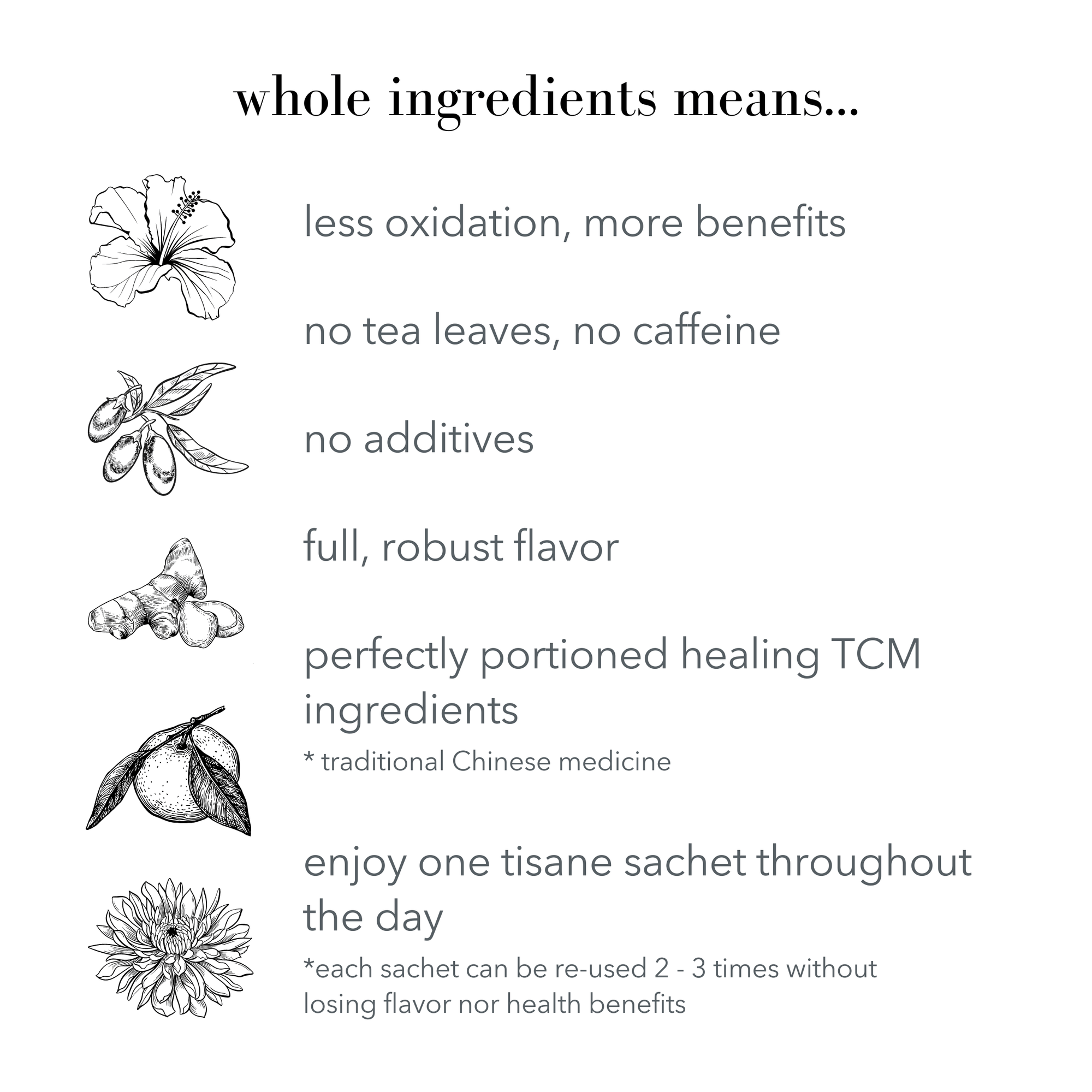
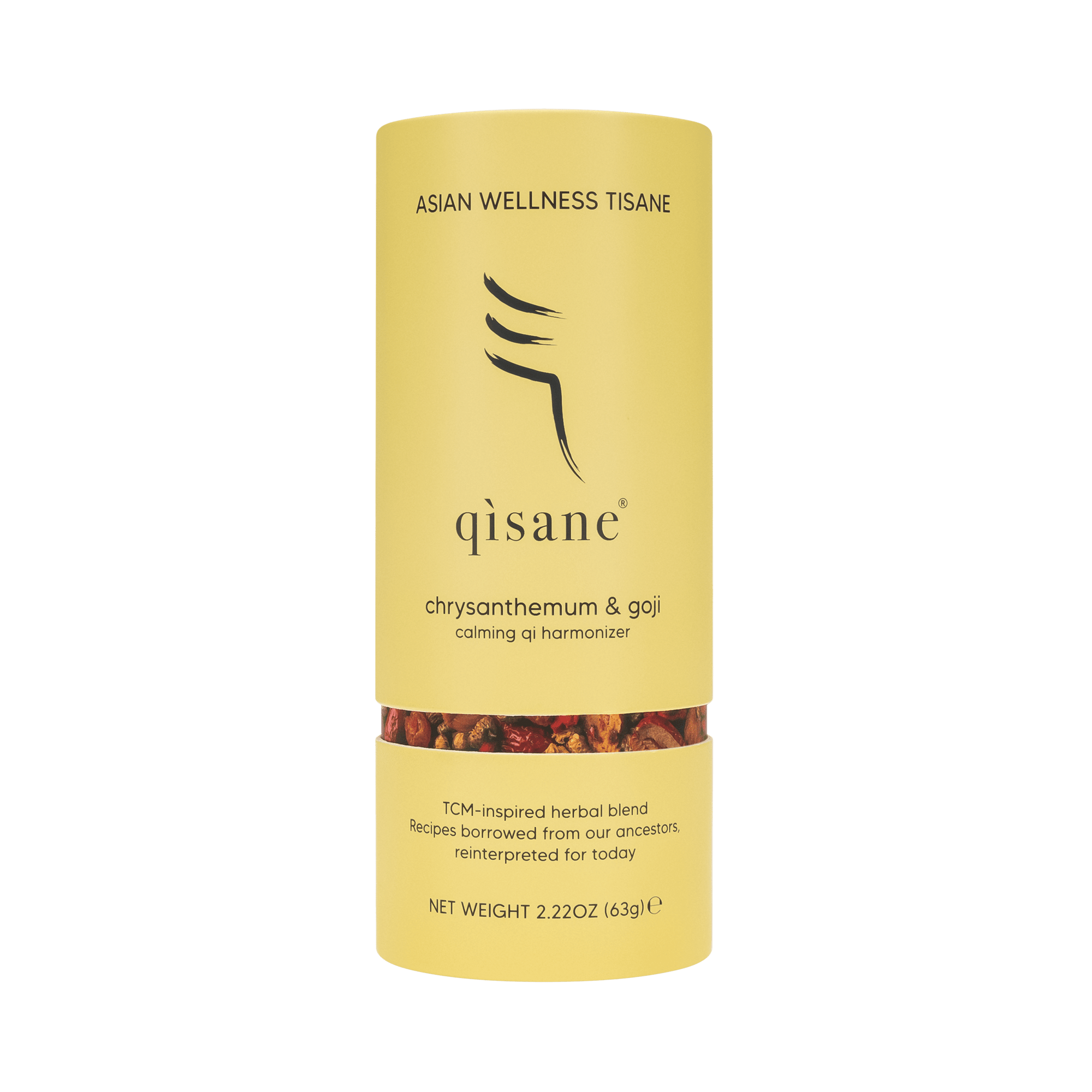
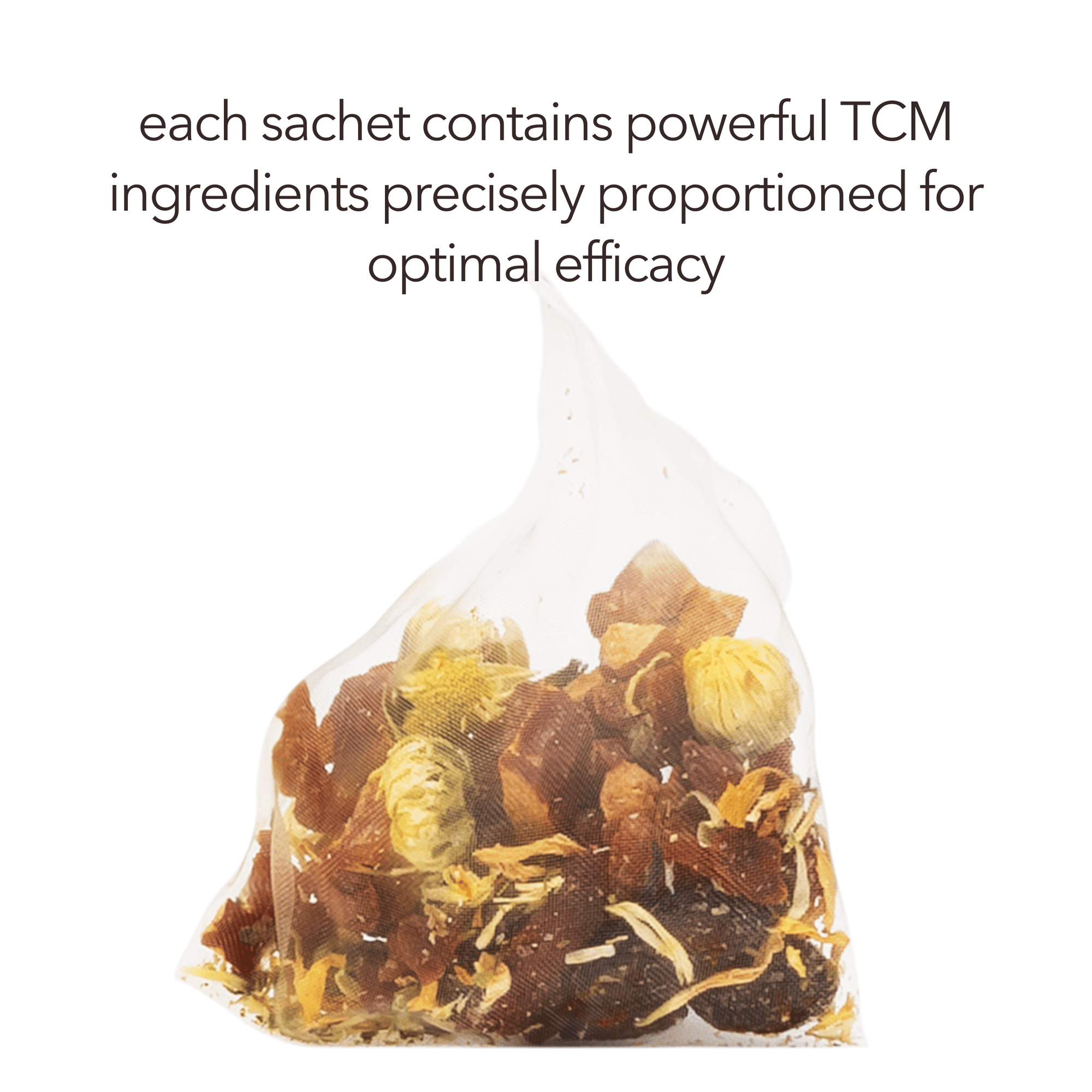
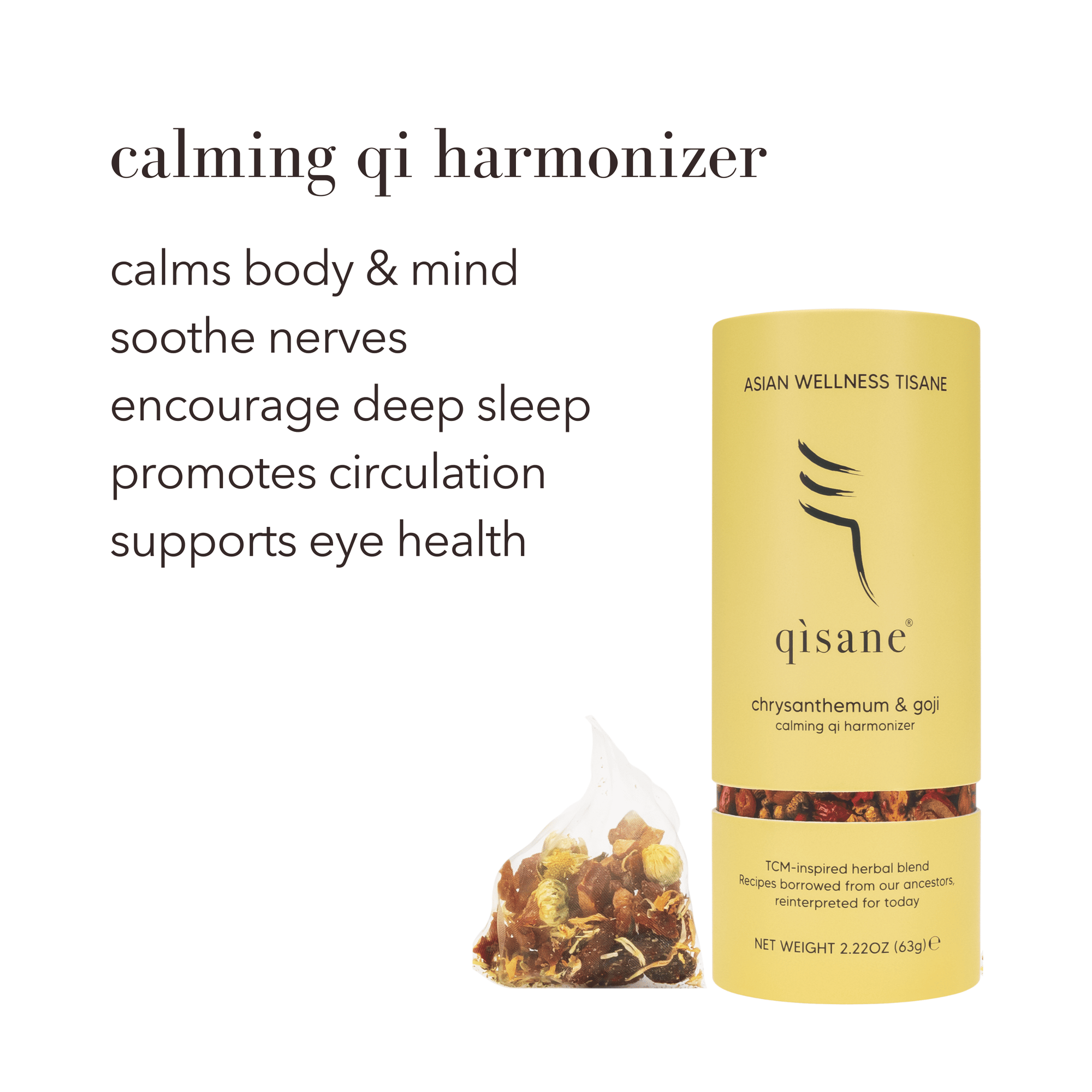
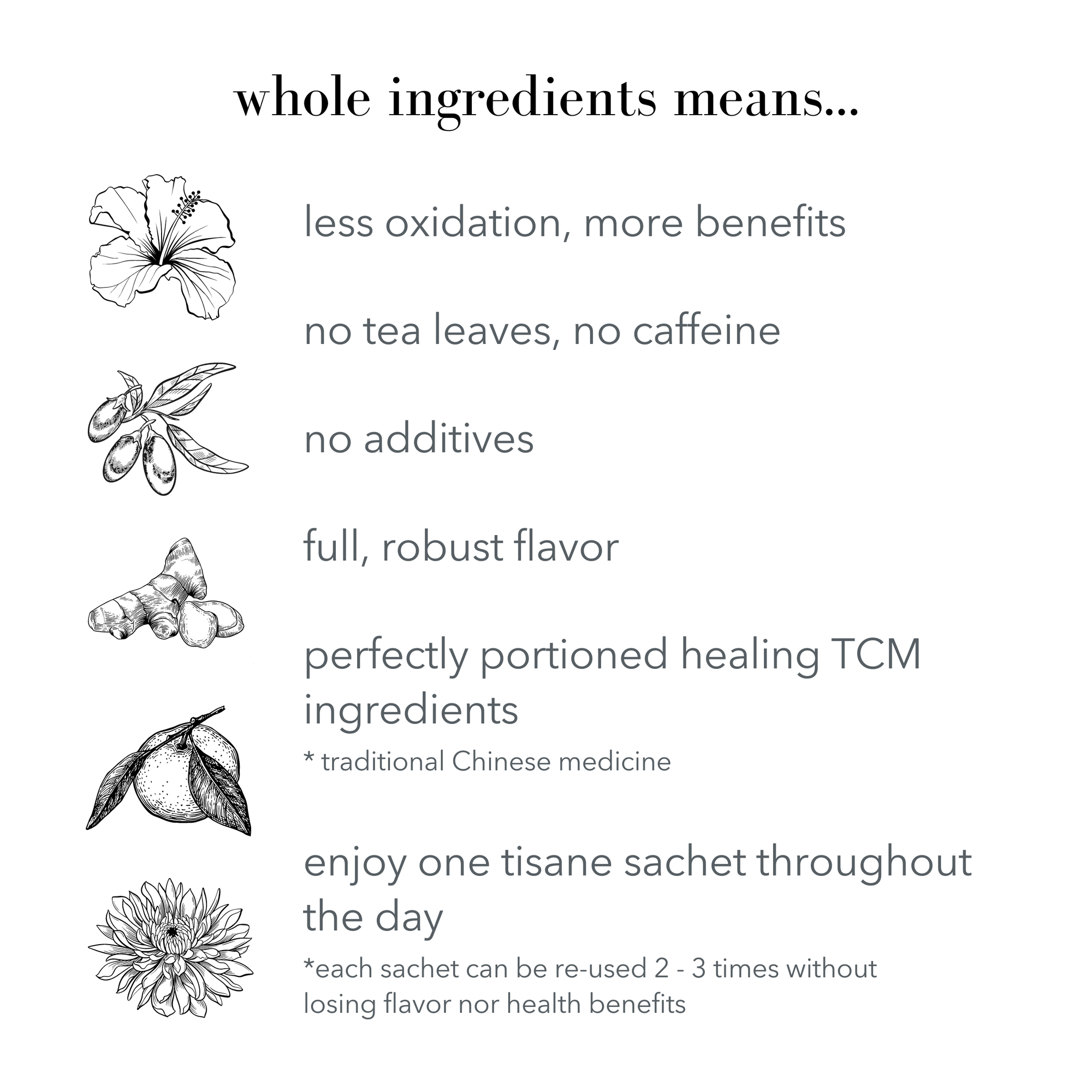
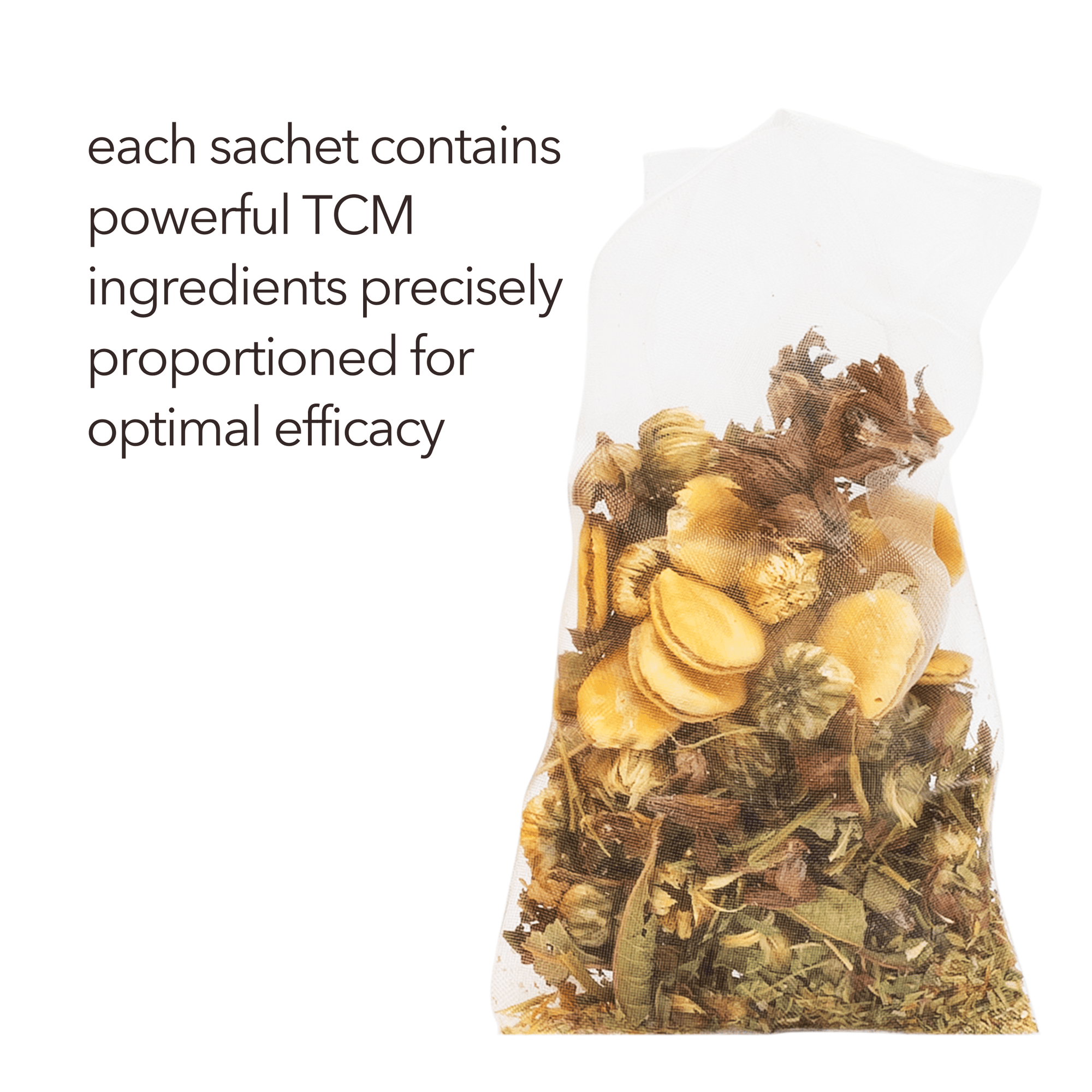
Consider a reader who wants a sweet, floral, caffeine-free cup after dinner. chrysanthemum & goji combines chrysanthemum flowers, organic goji berries, jujube dates and longans. The flowers contribute the floral character, while the fruits round out the cup's sweetness and body. Several ingredients serve one coherent drinking experience.
The chrysanthemum also has a distinct traditional identity. Huachiew's ju hua reference describes a slightly cooling nature and traditional heat-clearing and eye-related uses. This gives the blend meaningful cultural context without establishing that the finished drink treats insomnia, eye strain or a diagnosed imbalance.
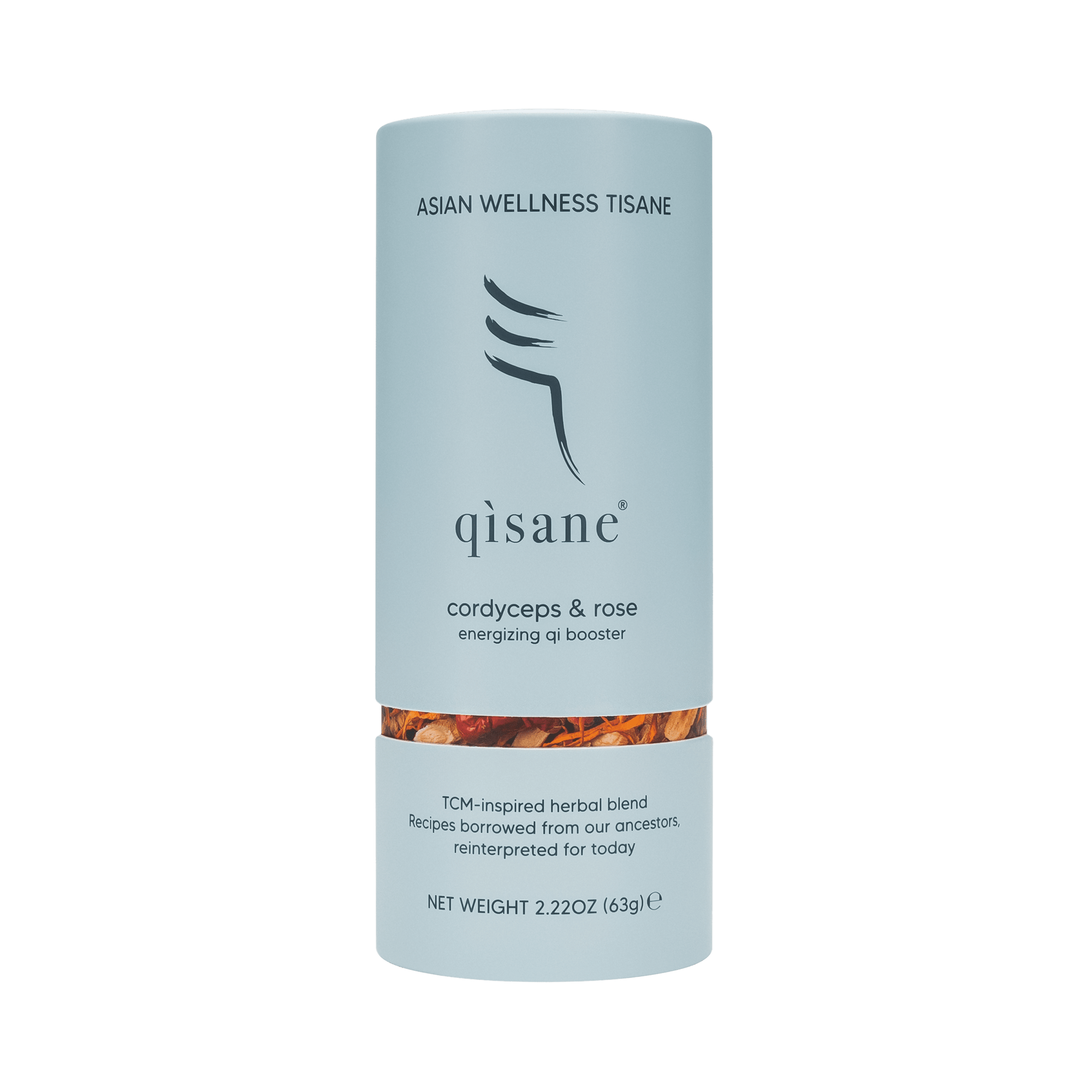
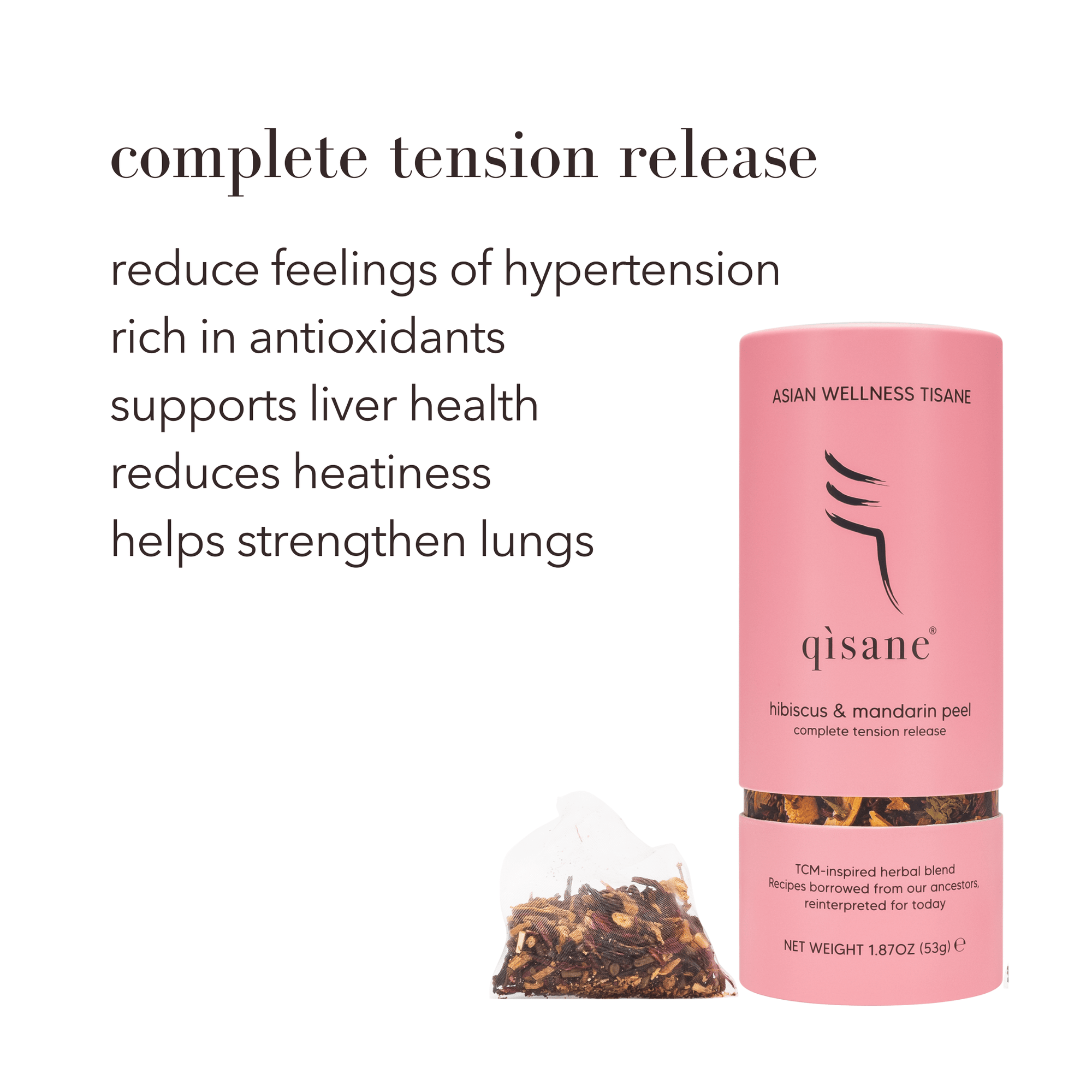
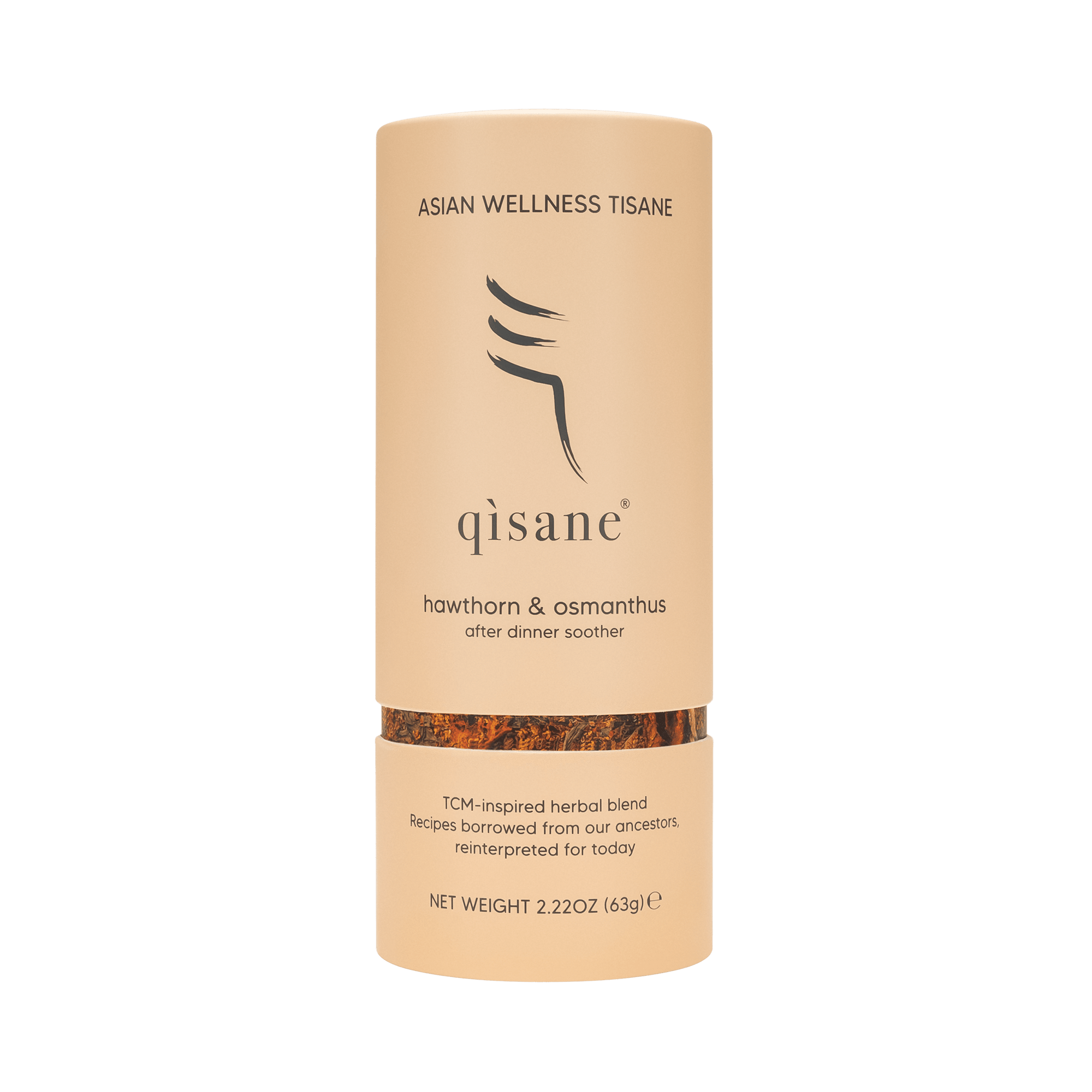
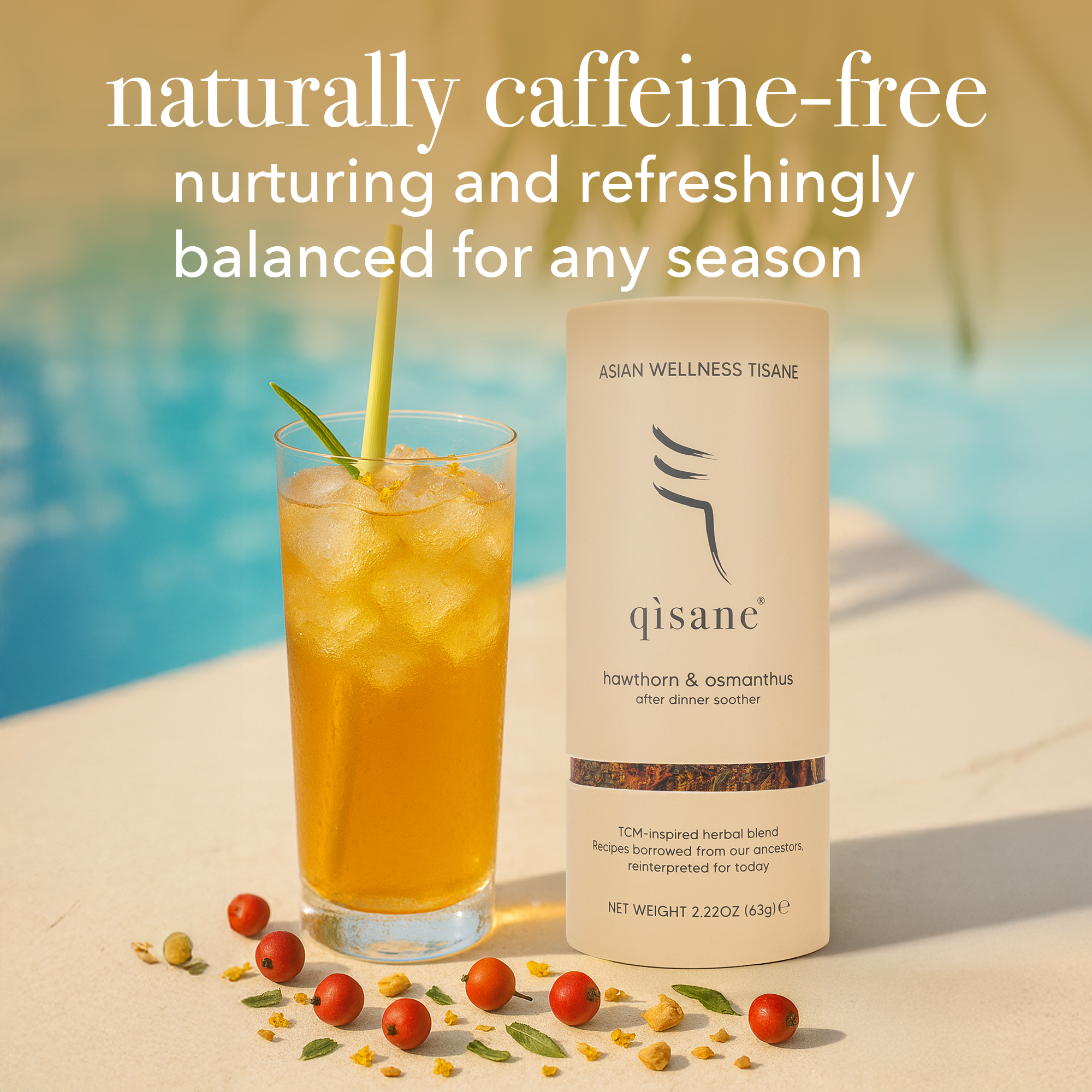
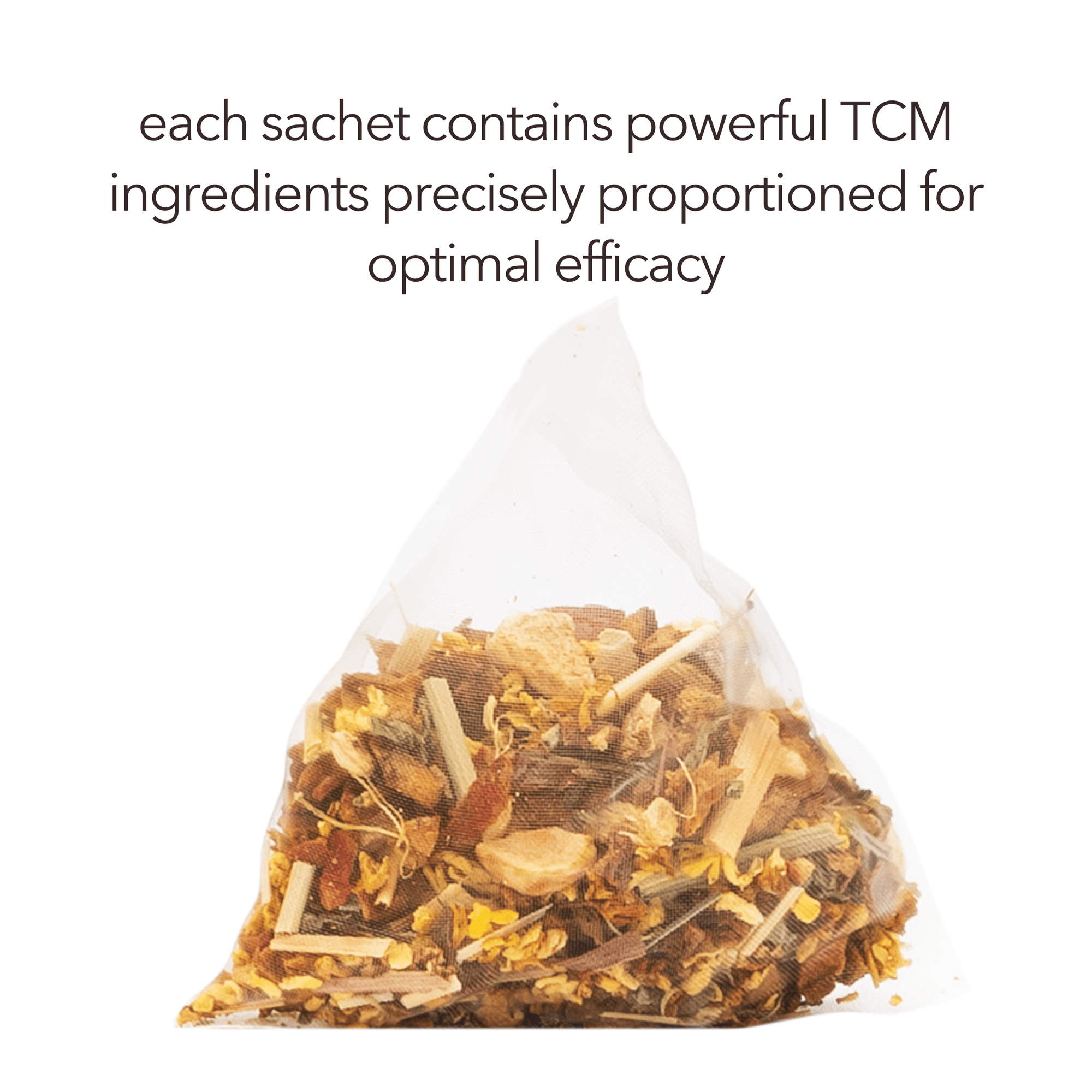
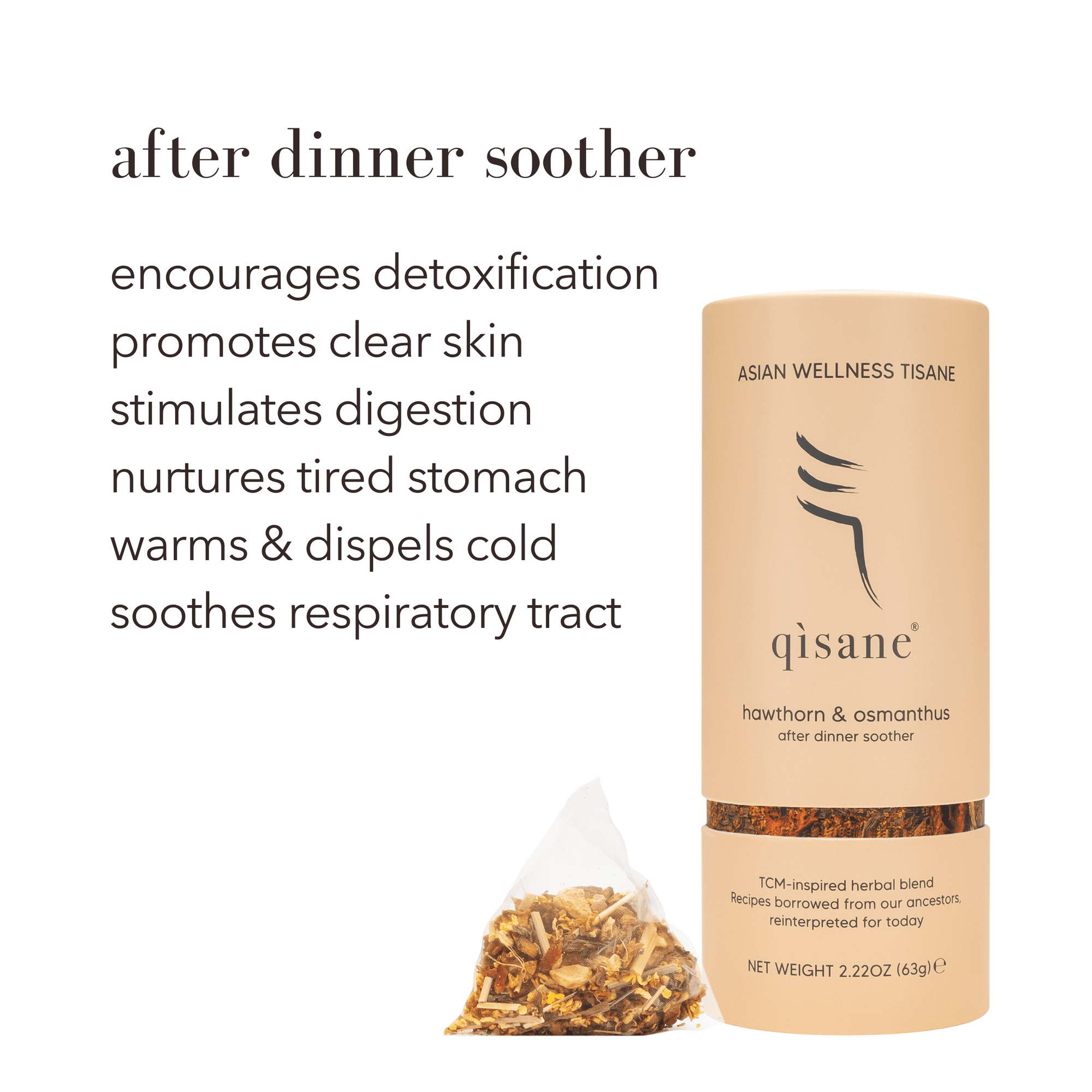
For a different after-meal profile, hawthorn & osmanthus pairs berry and floral notes with ginger and lemongrass. Its current ingredient panel also includes organic stevia leaf. Hawthorn fruit's traditional food-stagnation use provides an after-meal connection, as recorded by Hong Kong Baptist University. That context is not proof of fat breakdown or a guaranteed digestive result from a sachet.
Match evidence to the preparation
A study of a concentrated extract, a prescription formula or a particular patient population does not automatically describe the drink in your mug. Nor can a percentage from a computational analysis tell you what fraction of all TCM teas work. Ask what was tested, in whom, at what amount and for which outcome.
NCCIH's overview reports mixed findings for Chinese herbal products and identifies quality and safety concerns with some products. This supports careful selection, not a claim that all Chinese herbs are ineffective or that a long history guarantees every modern blend's safety.
Choose the format that you will prepare correctly
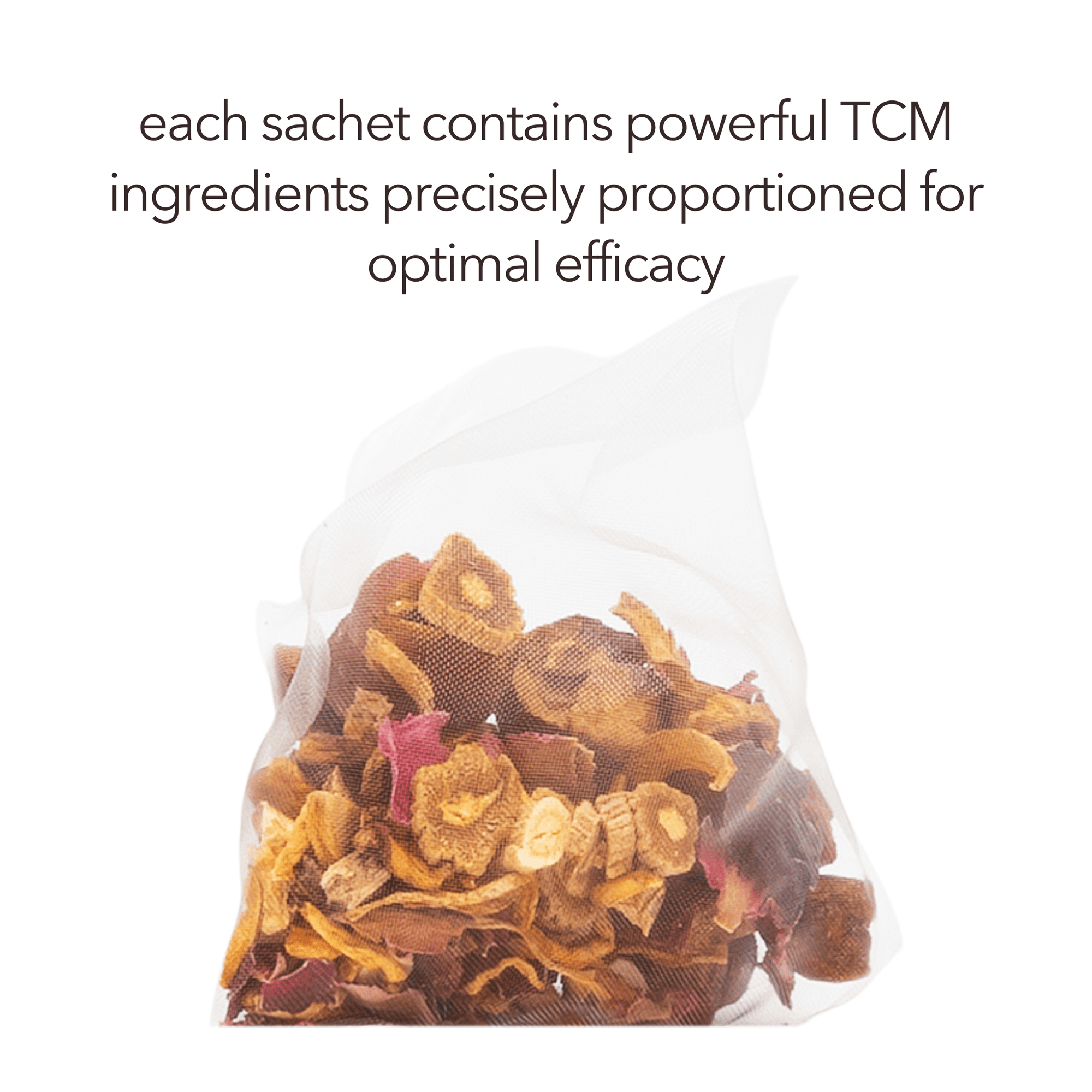
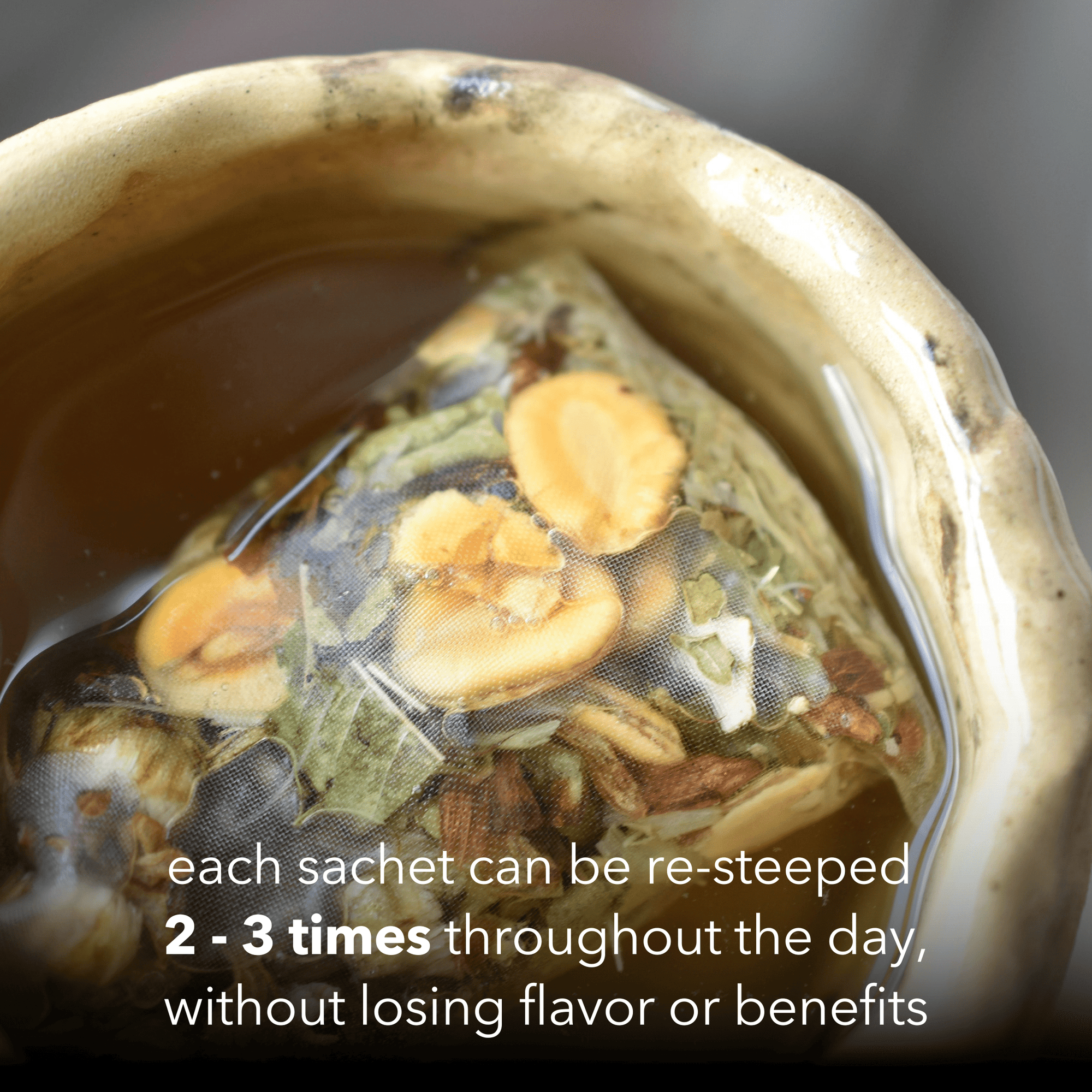
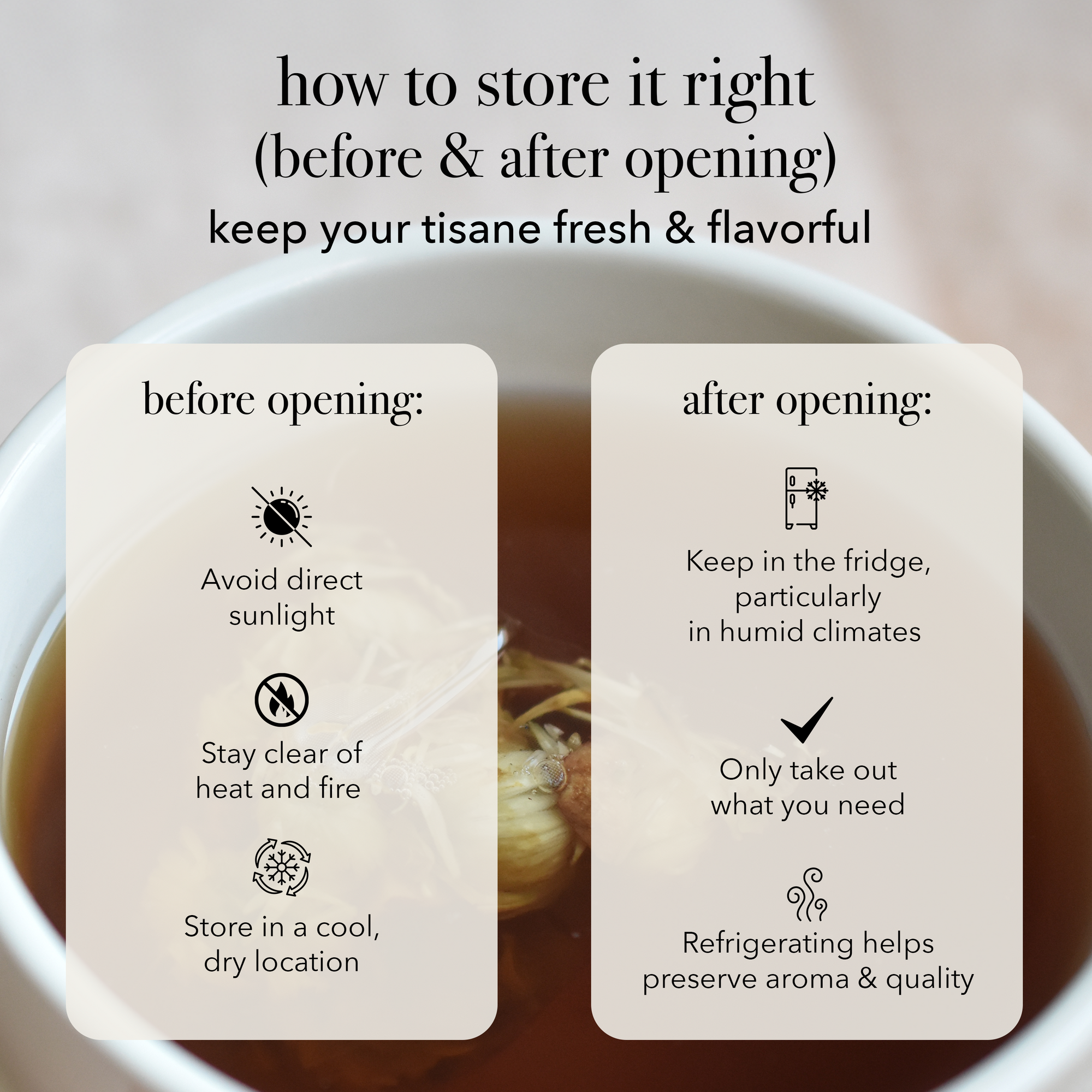
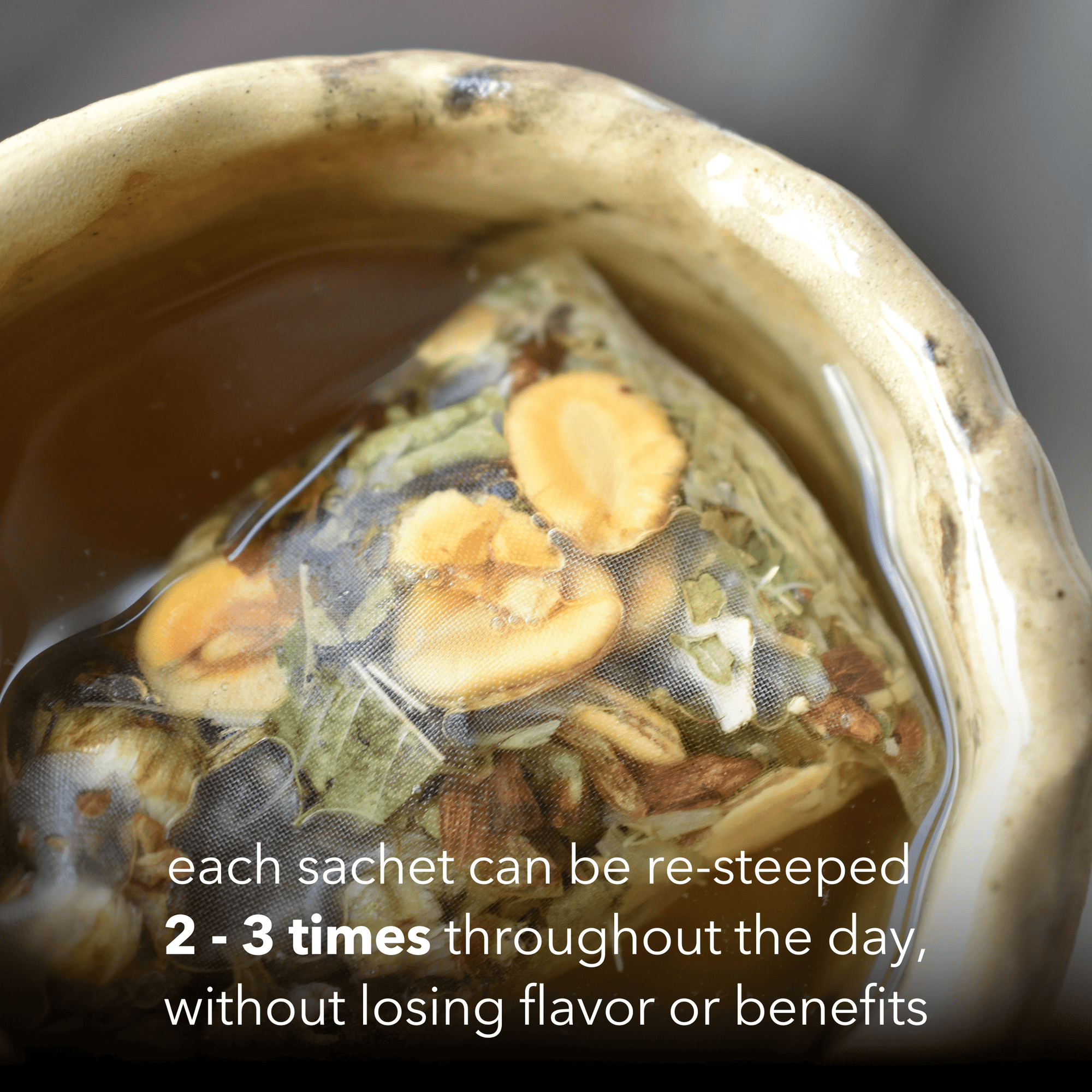
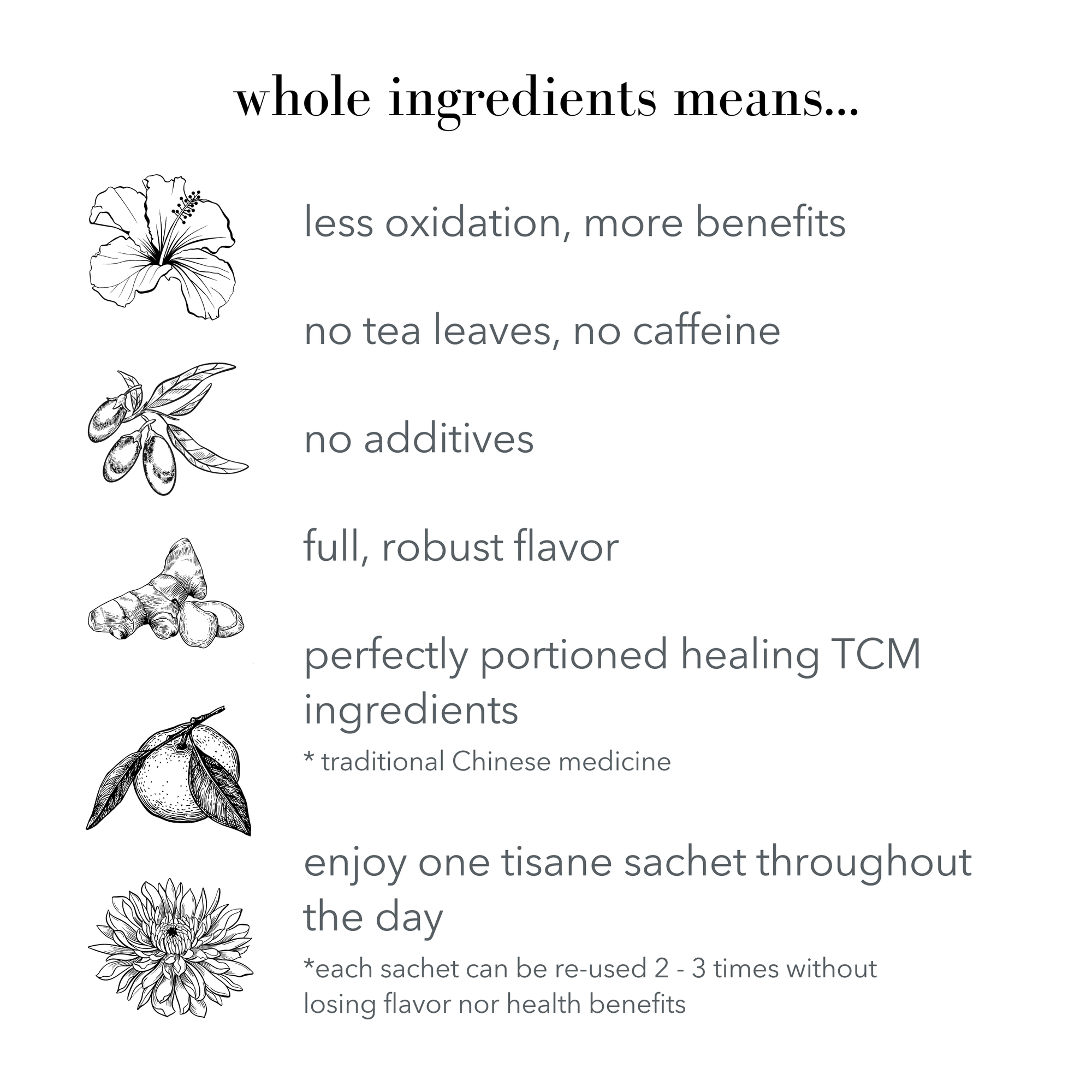
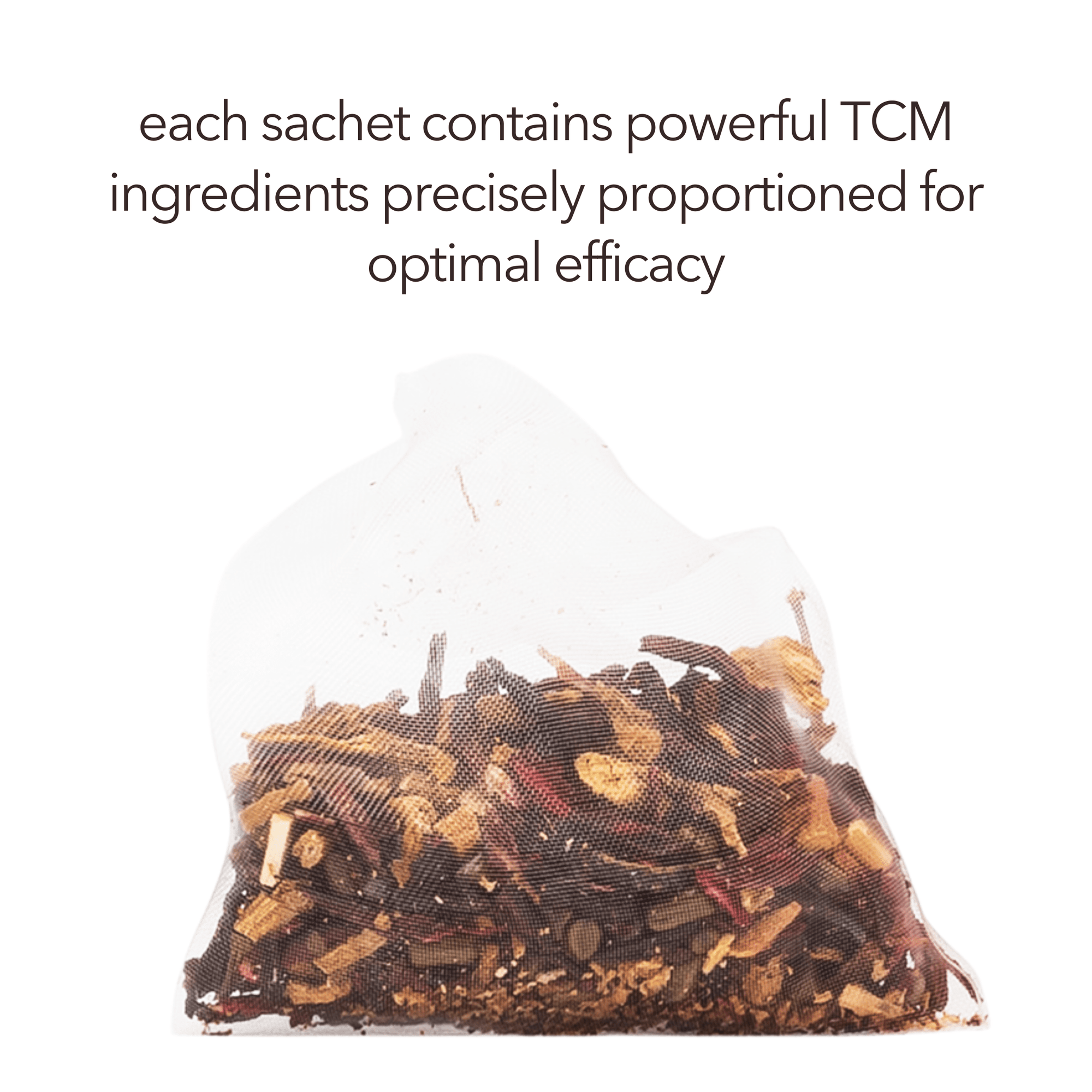
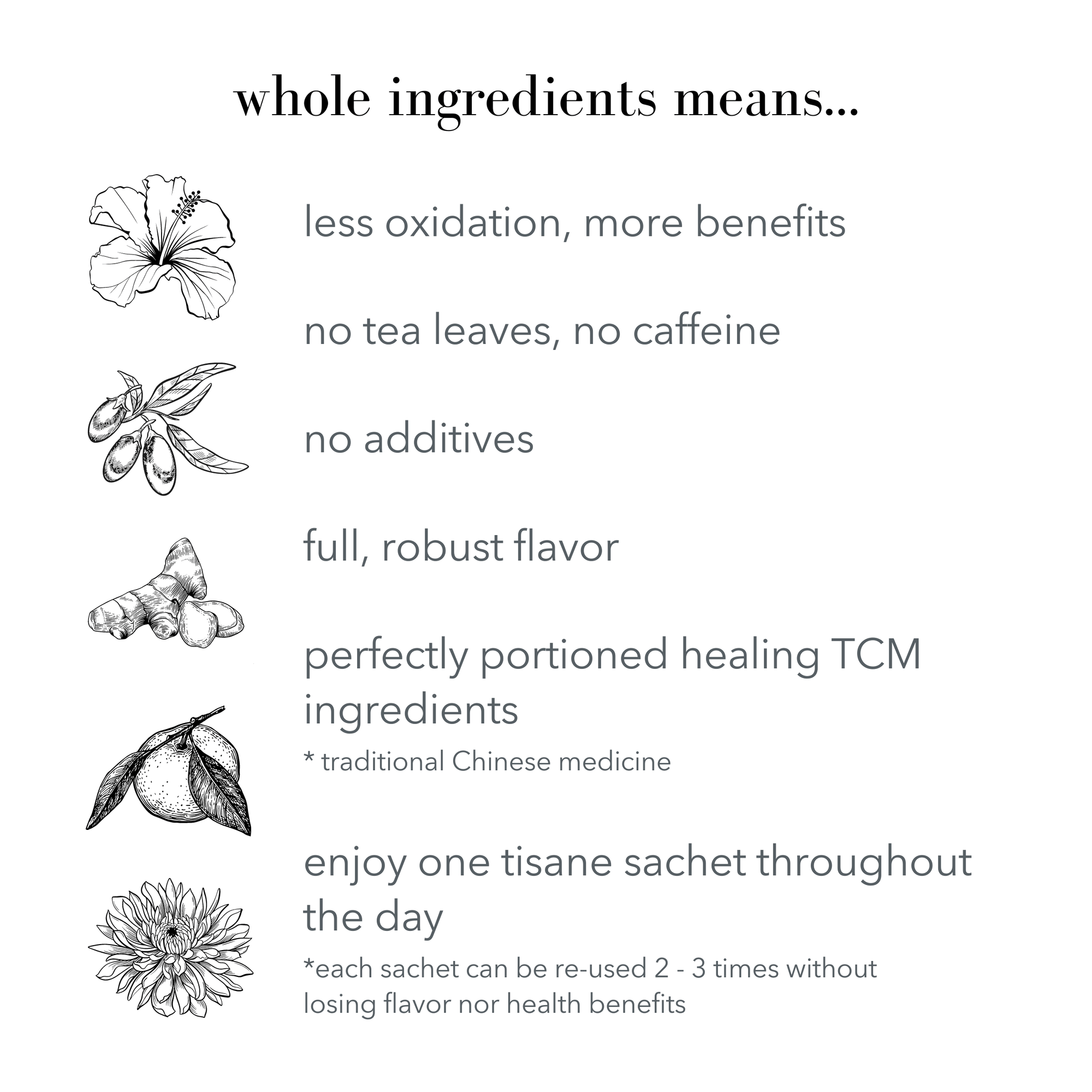
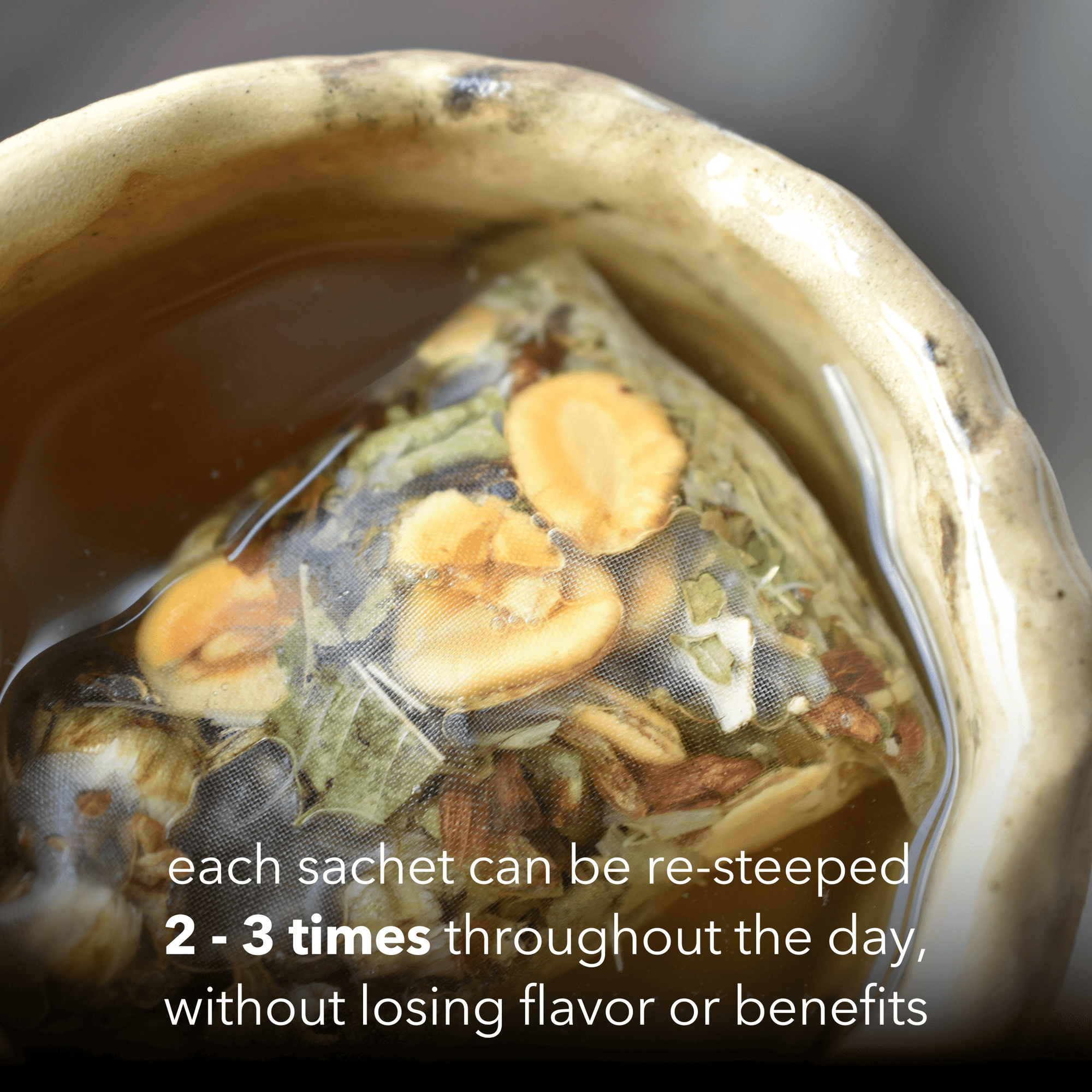
A ready-to-drink bottle offers portability; a sachet offers portioning; loose ingredients allow a different hands-on ritual. None is automatically the most potent. Follow the product's method rather than simmering every root or assuming a sachet cannot extract useful flavor.
The two qìsane examples specify 96–98°C water and six to seven minutes. Those instructions concern their prepared blends, not a general decoction recipe. When a medicinal formula is prescribed, use the practitioner's preparation directions instead of adapting a beverage routine.
Before choosing, write down your one goal, read the full ingredient panel and decide whether you want a pleasant drink or care for a health concern. Bring the complete product information to a qualified professional when medicines or an ongoing condition are involved. A thoughtful combination can be valuable without claiming that more herbs always mean more benefit.