

Getting through an illness is only half the story. The quiet days that follow, when you are functional but not yet fully yourself, are their own phase, and they deserve their own kind of care.
What to know at a glance
- Post-illness recovery is a distinct phase from acute illness. Your body is recalibrating, not simply better, and it deserves its own approach.
- Herbal tea fits the recovery phase as gentle nourishment, not intervention. It supports the body without adding caffeine or additives.
- Caffeine-free is the point here: stimulants can disrupt the rest and repair your body needs most right now.
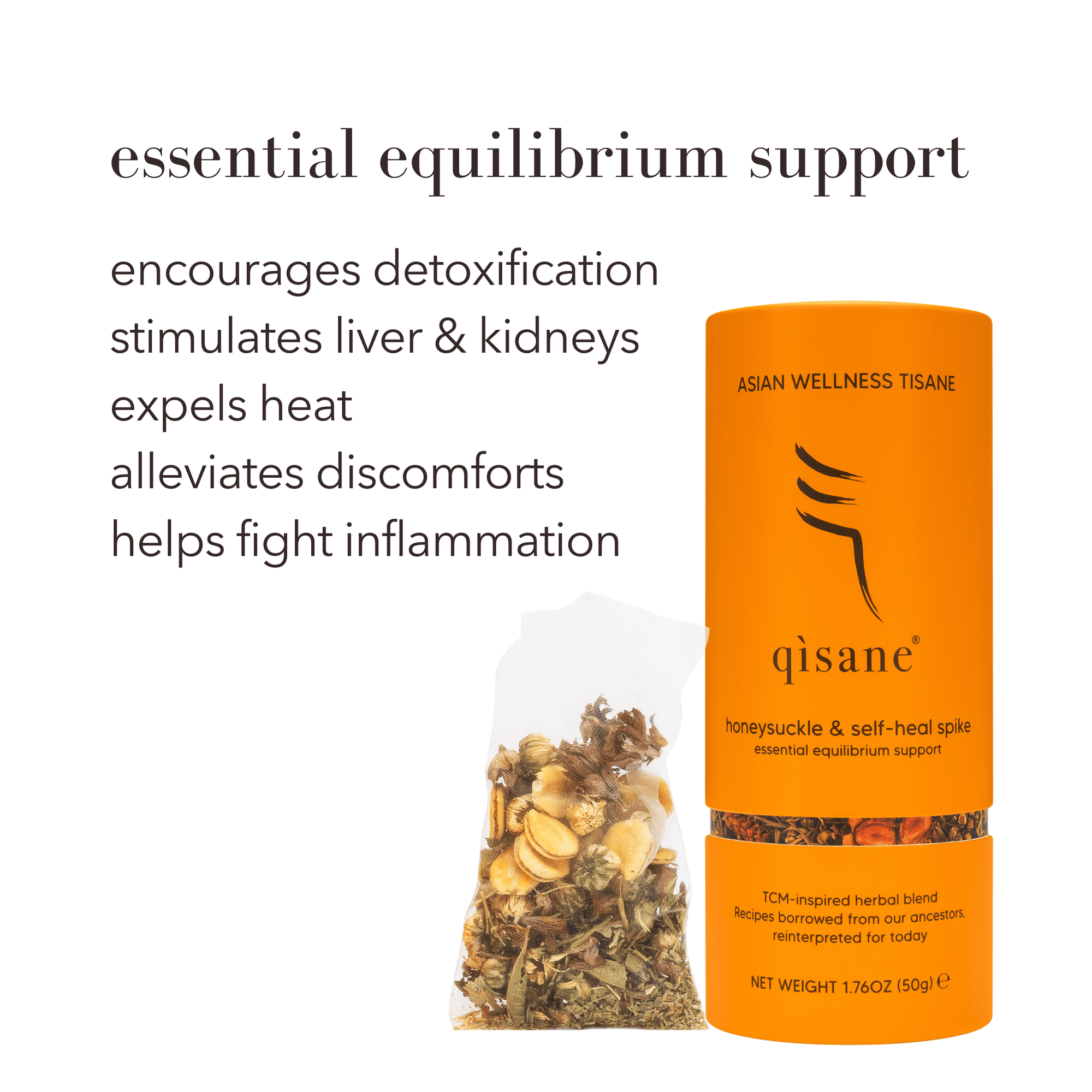
- The Honeysuckle & Self-Heal Spike blend is traditionally associated with immune support.
- Look for whole ingredients, no additives, and a format you can steep more than once. Quality over quantity matters when you are rebuilding.
The quiet window after illness that most people rush past
You have turned the corner. The fever broke, the worst of it is over, and everyone around you assumes you are fine now. But you are not quite fine, are you? There is a particular tiredness that lingers after illness, something slower and quieter than being sick, but unmistakably still there. Your energy has not returned. Your appetite is hesitant. Your body is doing something important, and it needs room to do it.
This is the post-illness window, and most people rush straight past it, back to coffee, back to a full schedule, back to the pace that existed before. Post-illness recovery is where herbal tea earns its place, not as medicine, but as a quiet, nourishing companion while your system finds its footing. Caffeine-free and free of additives, made from whole botanicals that support without overstimulating.
Why post-illness recovery calls for a different kind of support
The recovery phase is biologically distinct from acute illness: your immune system has just run hard, and it needs time to recalibrate rather than more demands placed on it. During active illness, your body mobilises significant energy to manage the response. Afterwards, that energy debt comes due. Gut function is often disrupted, appetite is suppressed, and sleep, even if returning, may not yet be restorative.
What the post-illness body does not need is aggressive intervention: more supplements piled onto a depleted system, caffeinated drinks pushing through fatigue, or heavy foods straining a sluggish gut. What it benefits from is gentle, consistent nourishment that does not ask too much in return.
A caffeine-free tisane made from whole botanicals fits that role well. It delivers warmth, hydration, and the character of traditional herbs without stimulants or additives, nourishment in its most uncomplicated form. A warm cup does not demand anything back, and that is exactly the kind of support that belongs in a recovery routine.
The distinction matters because it shapes how you think about what you are doing. You are not treating anything. You are creating the conditions for your body to do what it already knows how to do. It does not replace rest, nutrition, or medical care where those are needed.

What makes honeysuckle and self-heal spike suited to recovery
Honeysuckle and self-heal spike are two of the most recognized botanicals in Traditional Chinese Medicine's long history of post-illness support, and together they form the heart of this blend. The full blend also brings in chrysanthemum, lemon verbena, and monkfruit, producing a cup that is softly floral, lightly sweet, and smooth through the finish. Nothing sharp, nothing demanding, just a gentle, rounded flavour that feels right while your body is still settling.
| Botanical | Traditional role | Character in the cup | Why it suits recovery |
|---|---|---|---|
| Japanese honeysuckle | Long used in TCM for cooling and clearing support | Clean, lightly floral | Gentle on a system still recalibrating after exertion |
| Self-heal spike (Prunella) | Traditionally associated with immune-supportive properties | Mild, herbal undertone | Pairs with the recovery phase without stimulating the system |
| Chrysanthemum | Valued for its calming, floral character in botanical blends | Soft and subtly sweet | Adds warmth and roundness without bitterness |
| Monkfruit | Natural sweetness, no added sugars or additives | Gently sweet finish | Adds palatability when appetite is still returning |
| Lemon verbena | Aromatic herb associated with gentle digestive and calming support | Bright, clean citrus note | Lifts the blend without adding caffeine or sharpness |
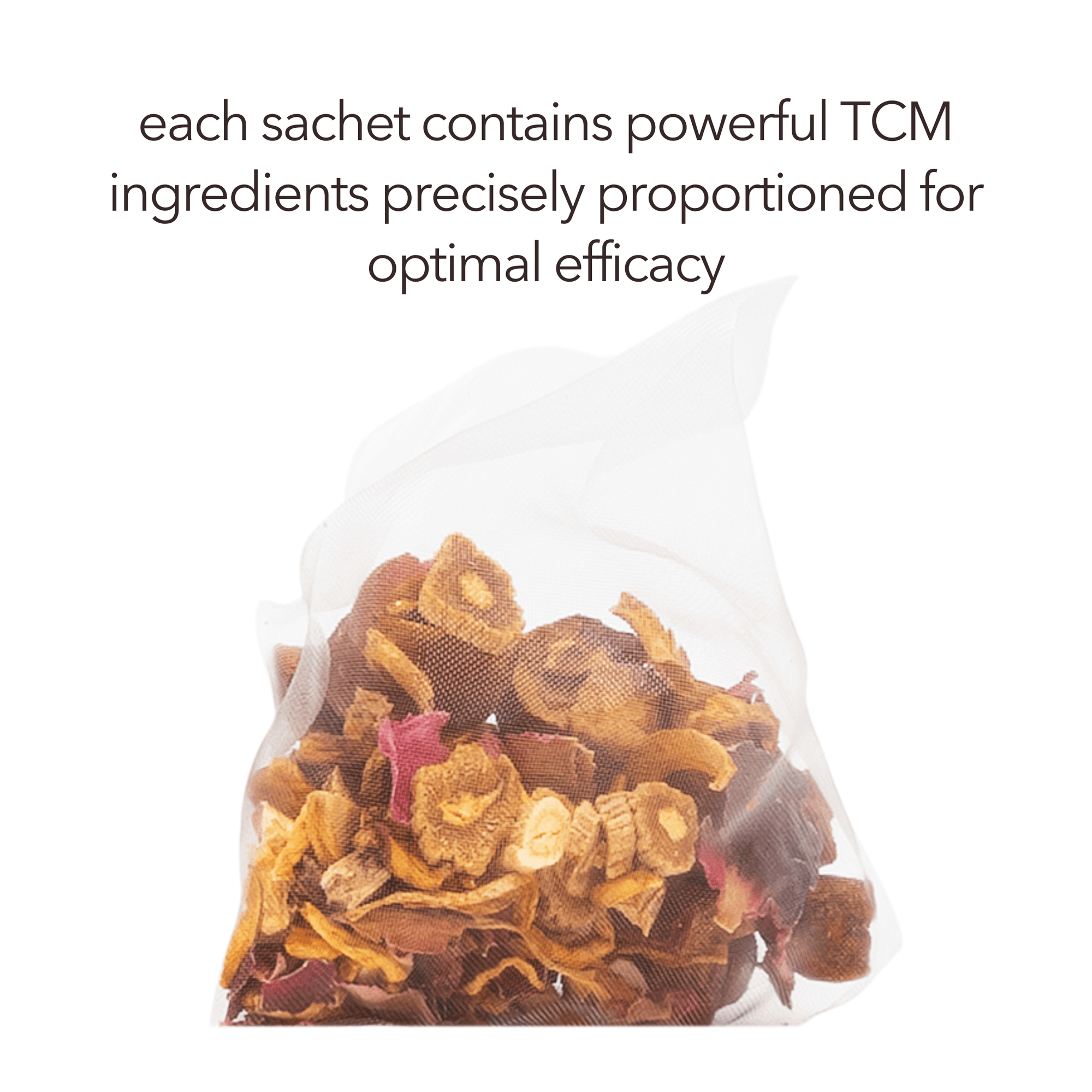
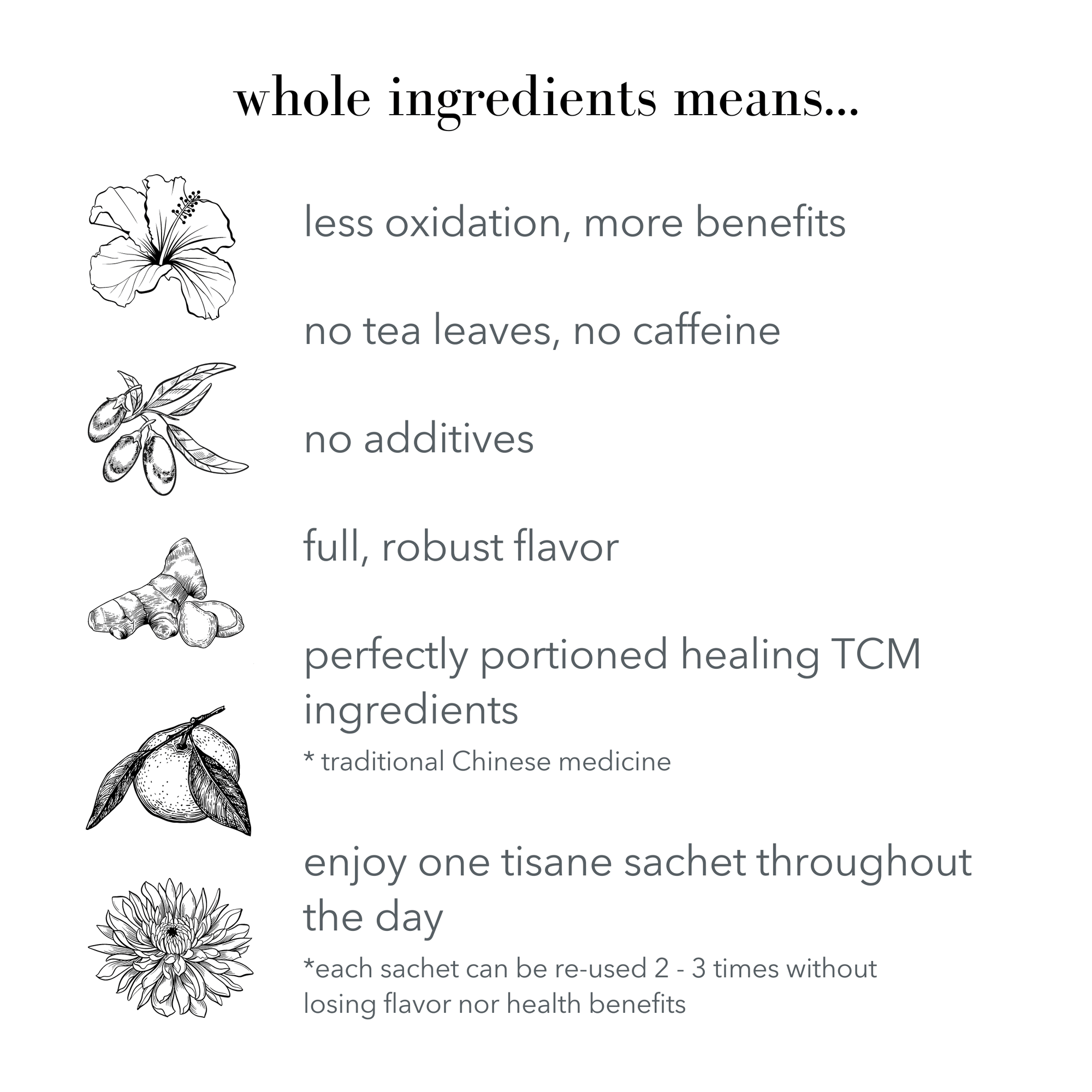
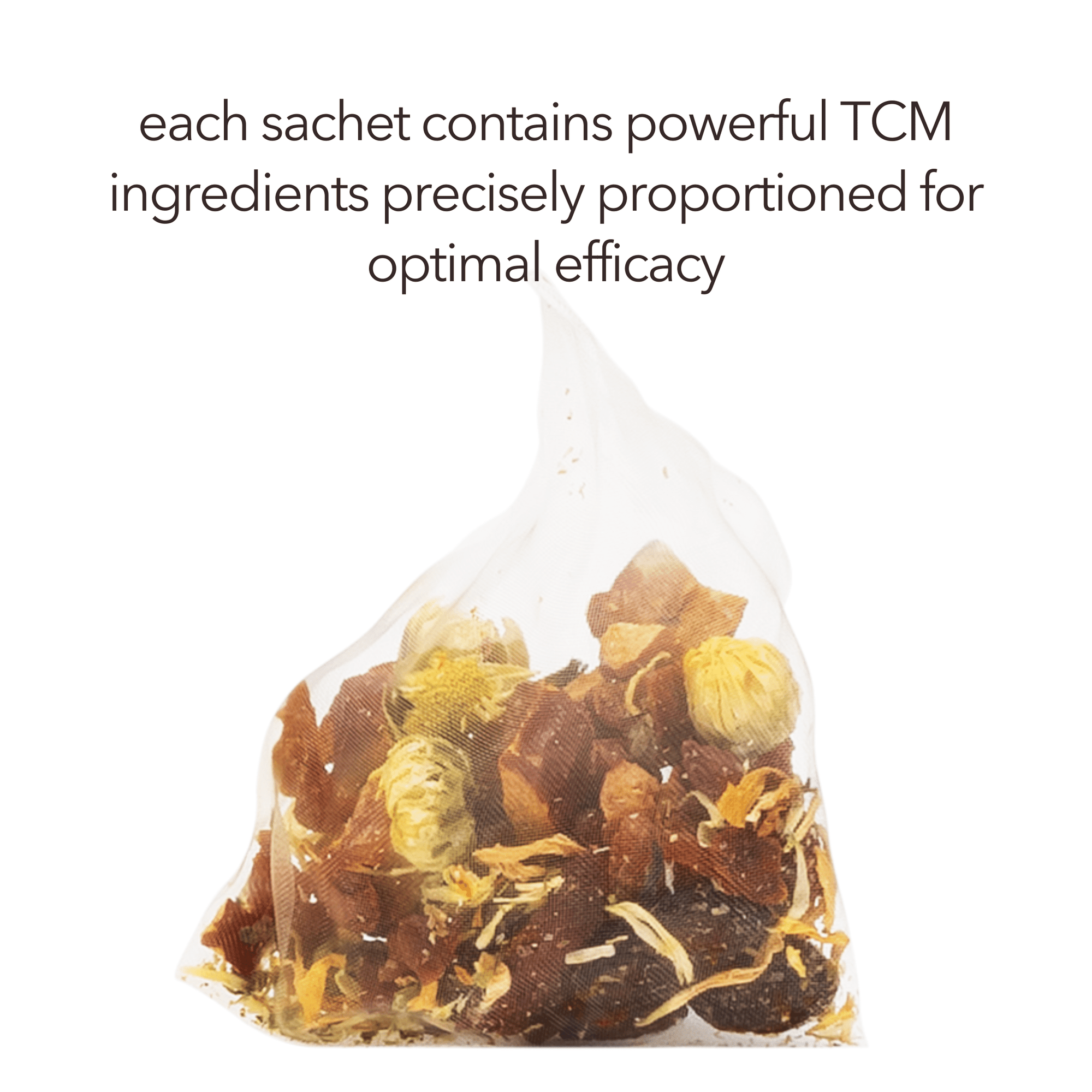
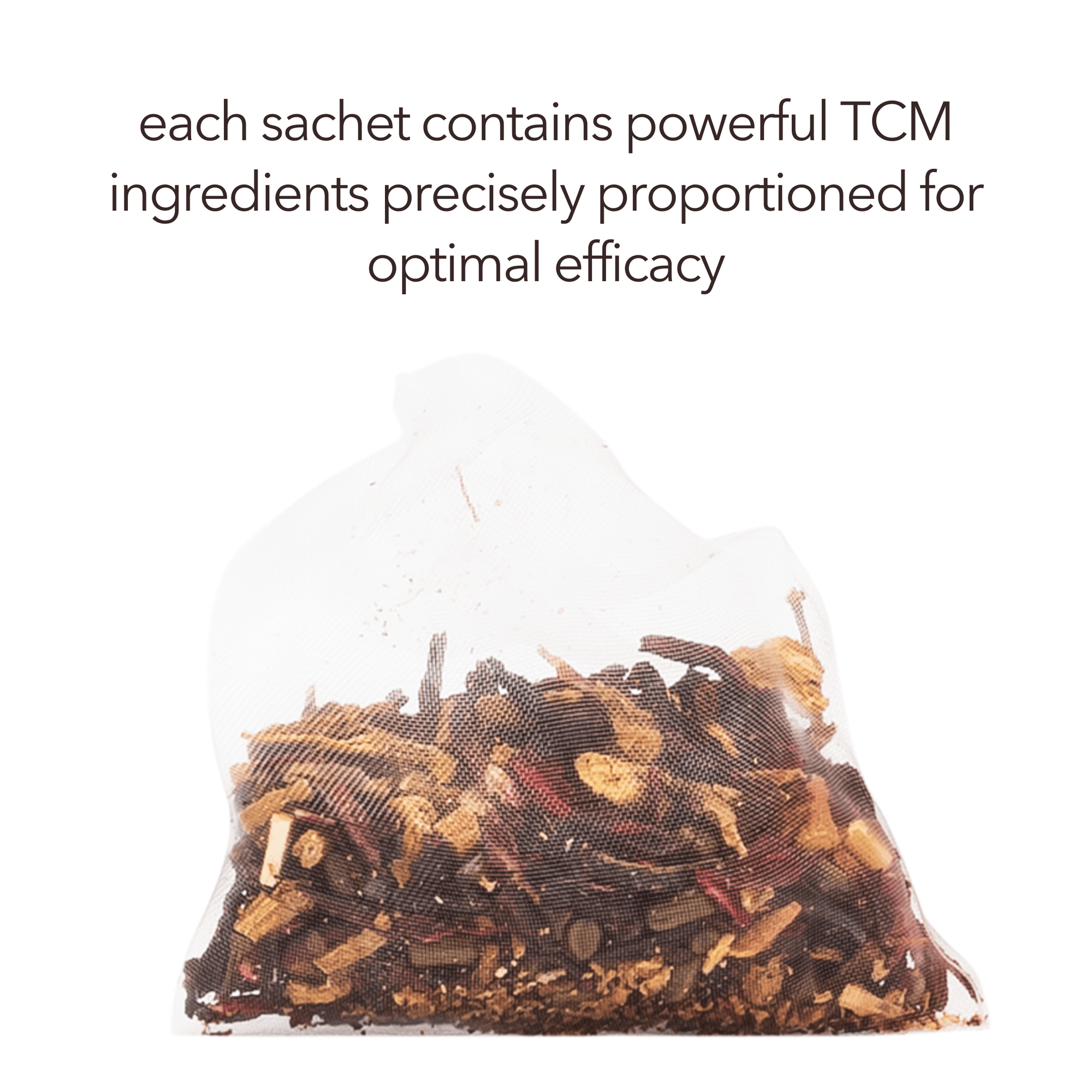
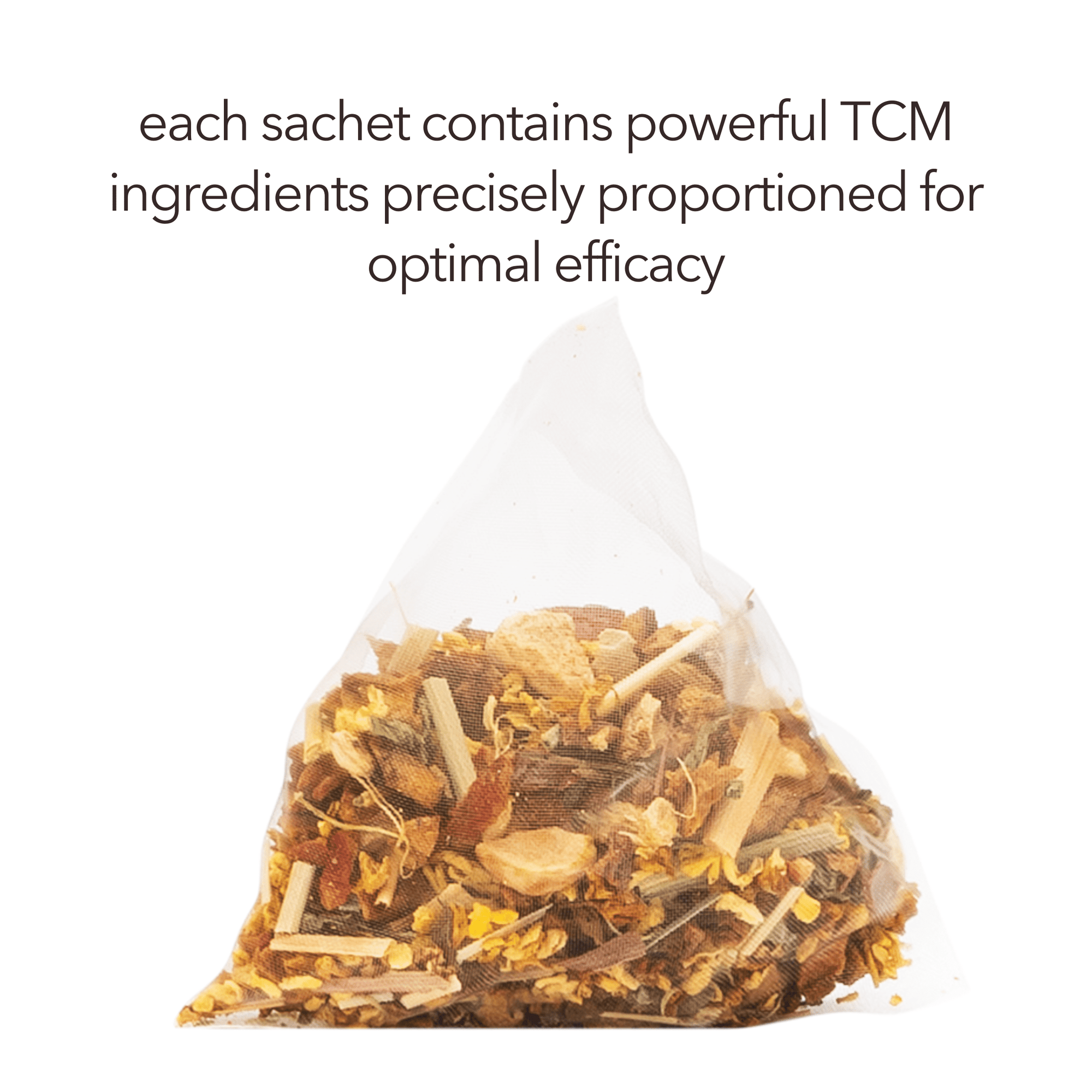
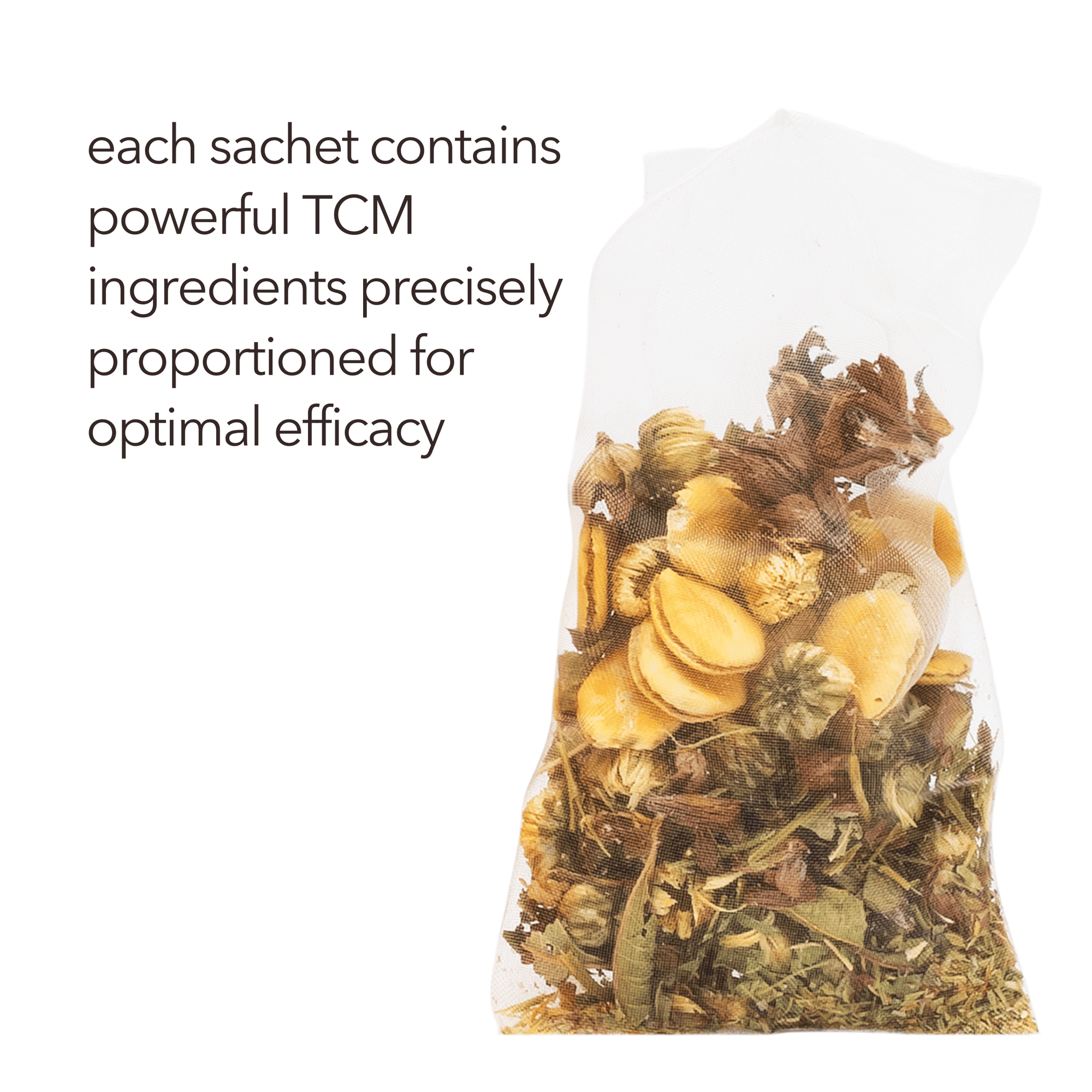
What binds these five botanicals together is restraint. This is not a blend designed to overwhelm; it is crafted for the kind of gentle support that works alongside rest rather than against it. Every ingredient is whole, nothing crushed, nothing powdered, nothing added. That matters during recovery, because your body does not need extra work parsing things it did not ask for.
How to build a simple herbal tea rhythm while you recover
Recovery routines work best when they are simple enough to actually follow. Here is a practical structure for weaving herbal tea into your days after illness, gentle, repeatable, and easy to adjust as your energy returns.
- Start your morning with a warm steep before coffee or food. When you first wake, your body is in a fasted, receptive state. A warm tisane hydrates gently and signals calm to a system that may still be unsettled. Use water that is hot but not boiling, around 96 to 98°C.
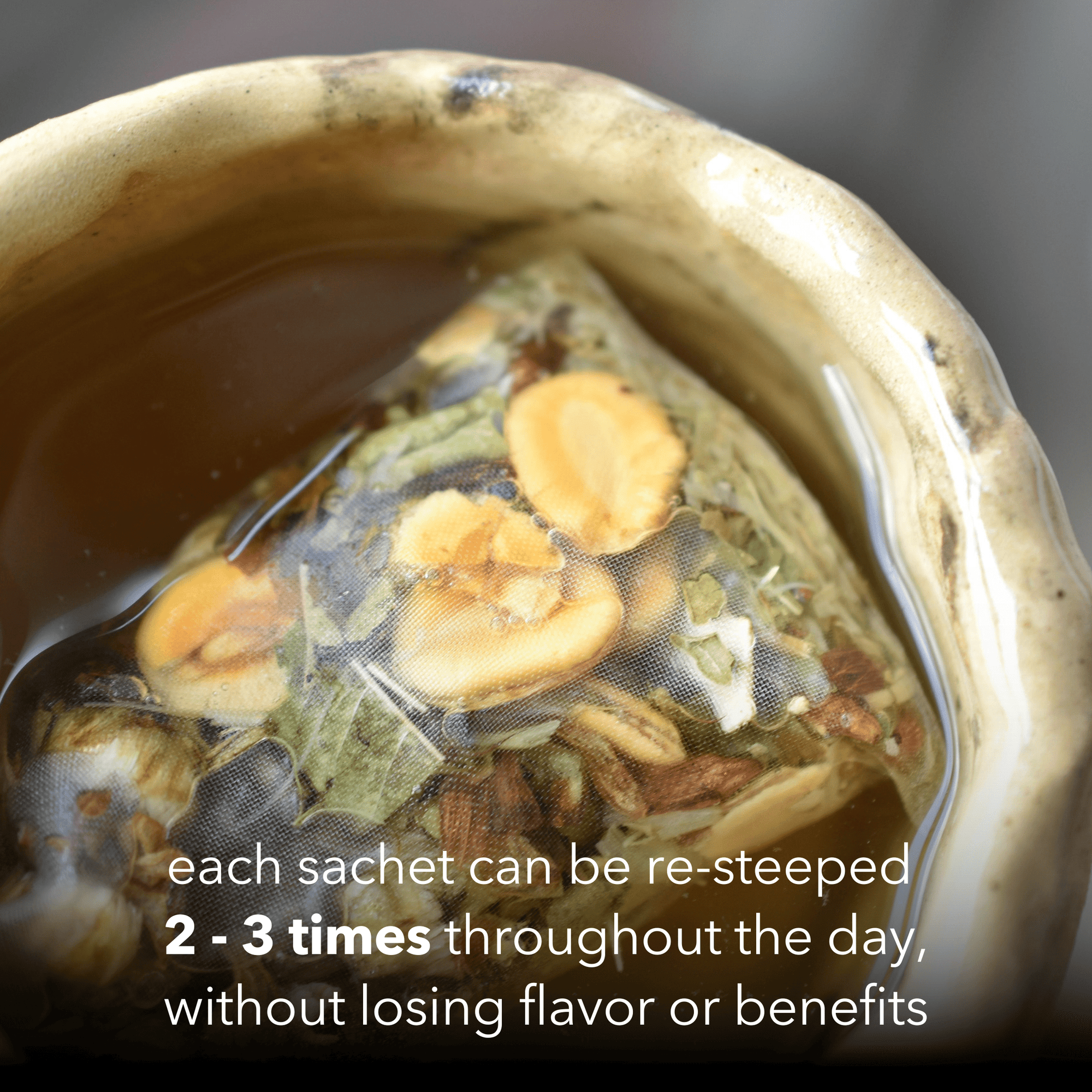
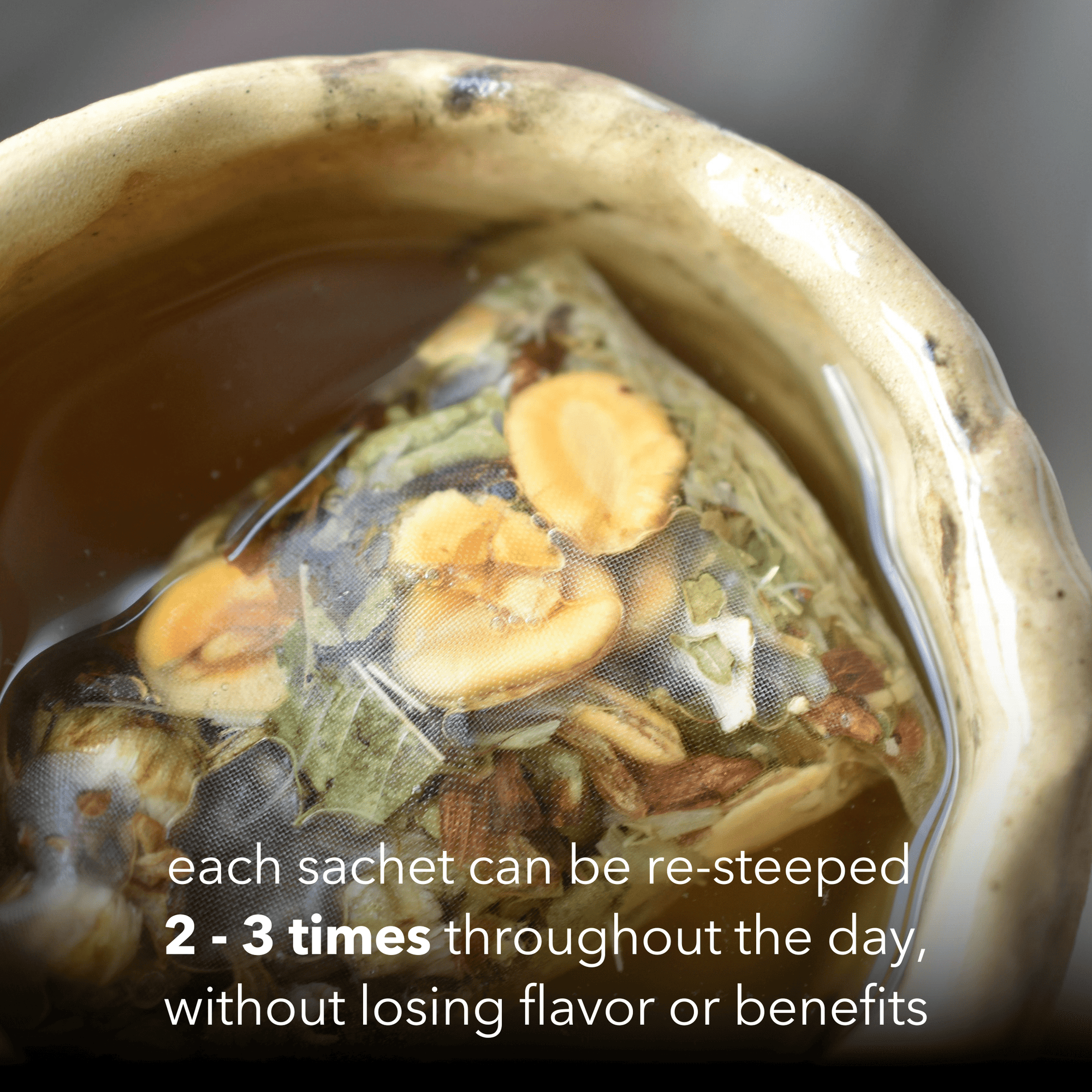
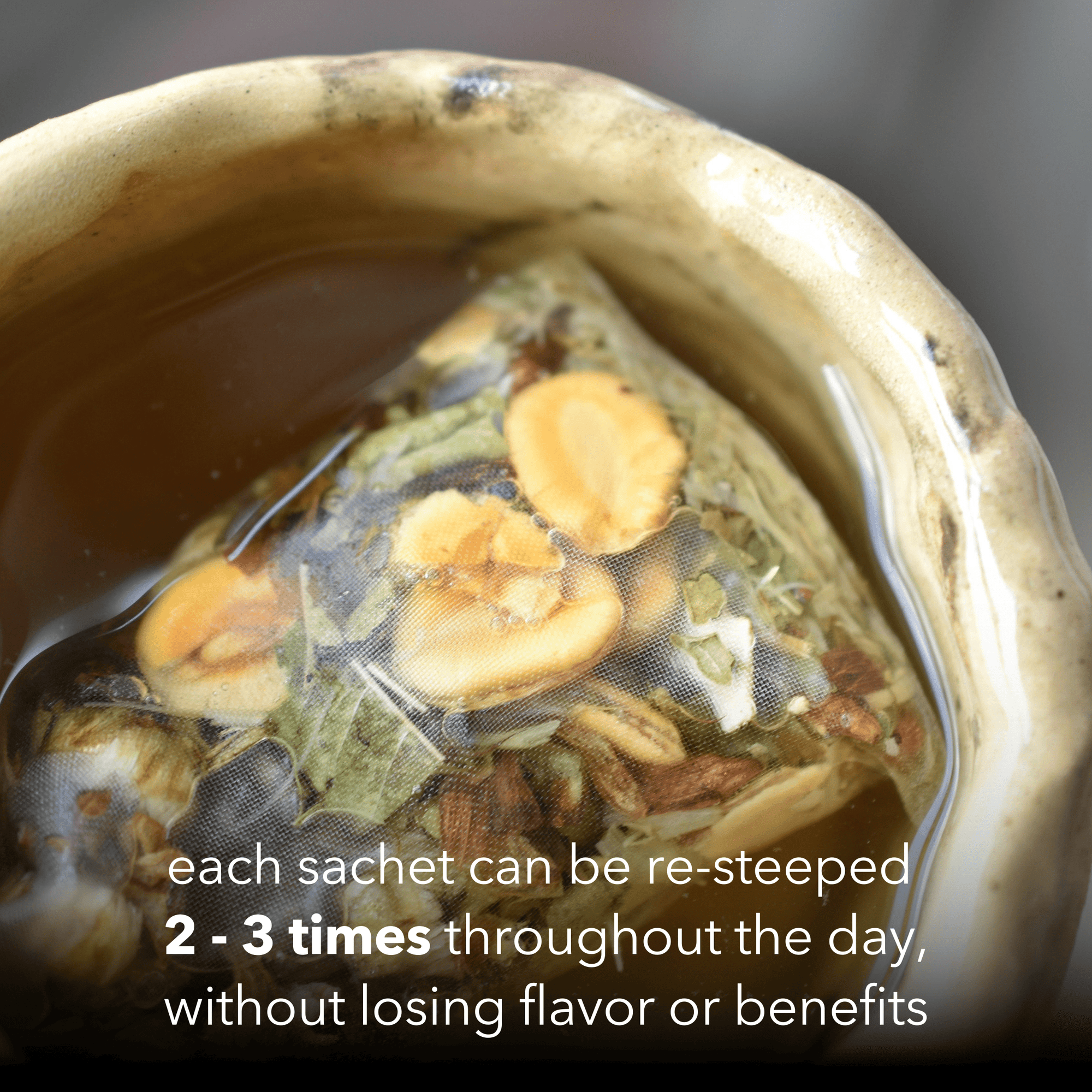
- Steep your sachet for 6 to 7 minutes, then set it aside. Do not discard it. The sachets in this blend are designed to be steeped up to three times, so one sachet can carry you through a morning, an afternoon, and an evening cup. That gentle repetition across the day is part of the rhythm.
- Use your second steep mid-afternoon, when energy typically dips. This is often the moment people reach for caffeine. A second steep of the same sachet gives you warmth and botanical nourishment without the stimulant load, which is exactly what recovery calls for.
- Allow a third steep in the early evening if you want it. By the third steep the flavour is lighter and more subtle, which is ideal before rest. Mild, warm, caffeine-free. Let the cup be part of the wind-down.
- Pair each cup with a few minutes of stillness. Recovery is not just physical. Sitting quietly with a warm drink is restorative in its own right, so do not shortchange it by drinking on the go.
- Continue the rhythm for as long as it feels useful. There is no fixed endpoint. Some people find one week is enough; others build the habit into everyday life. Listen to your body.
Who this approach is right for, and when to pause
Post-illness herbal tea recovery is most appropriate for adults when you are functional but not yet fully yourself. It suits people who want gentle, caffeine-free nourishment without stimulants or additives. A tea built from whole ingredients only is a natural fit for this window.
This approach is a good fit if:
- You have passed the acute phase of an illness and symptoms are resolving.
- You want to support your body's natural recalibration with gentle botanical nourishment.
- You are looking for a caffeine-free alternative to your usual morning or afternoon drink.
- You prefer whole, recognisable ingredients with nothing added.
Pause and speak with a healthcare professional first if:
- You are pregnant or breastfeeding. Suitability has not been confirmed and the brand cannot advise on this.
- You are taking prescription medication. Discuss any dietary changes with your physician first.
- You are considering giving herbal tisanes to a child. Check with a paediatrician before doing so.
- Your symptoms are worsening or have not improved. That calls for medical assessment, not a herbal tea routine.
- You are still in the acute phase of illness. This guide is for the recovery window that comes after.
Note: Herbal tisanes are not a quick fix and are not designed to replace medical care. They work best as part of a broader recovery approach that includes rest, adequate nutrition, and professional guidance when needed.
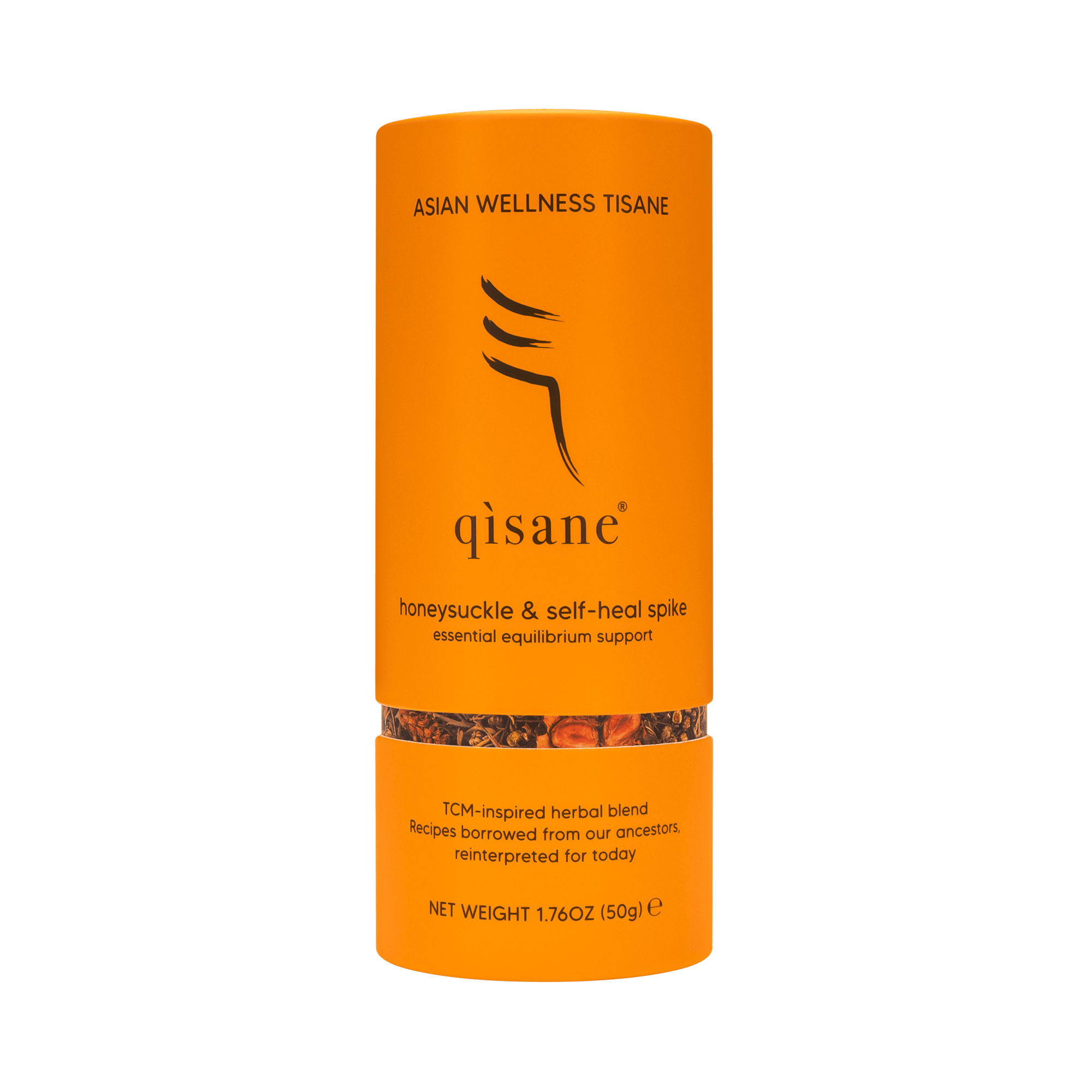
Honeysuckle & Self-Heal Spike Herbal Tea by qìsane
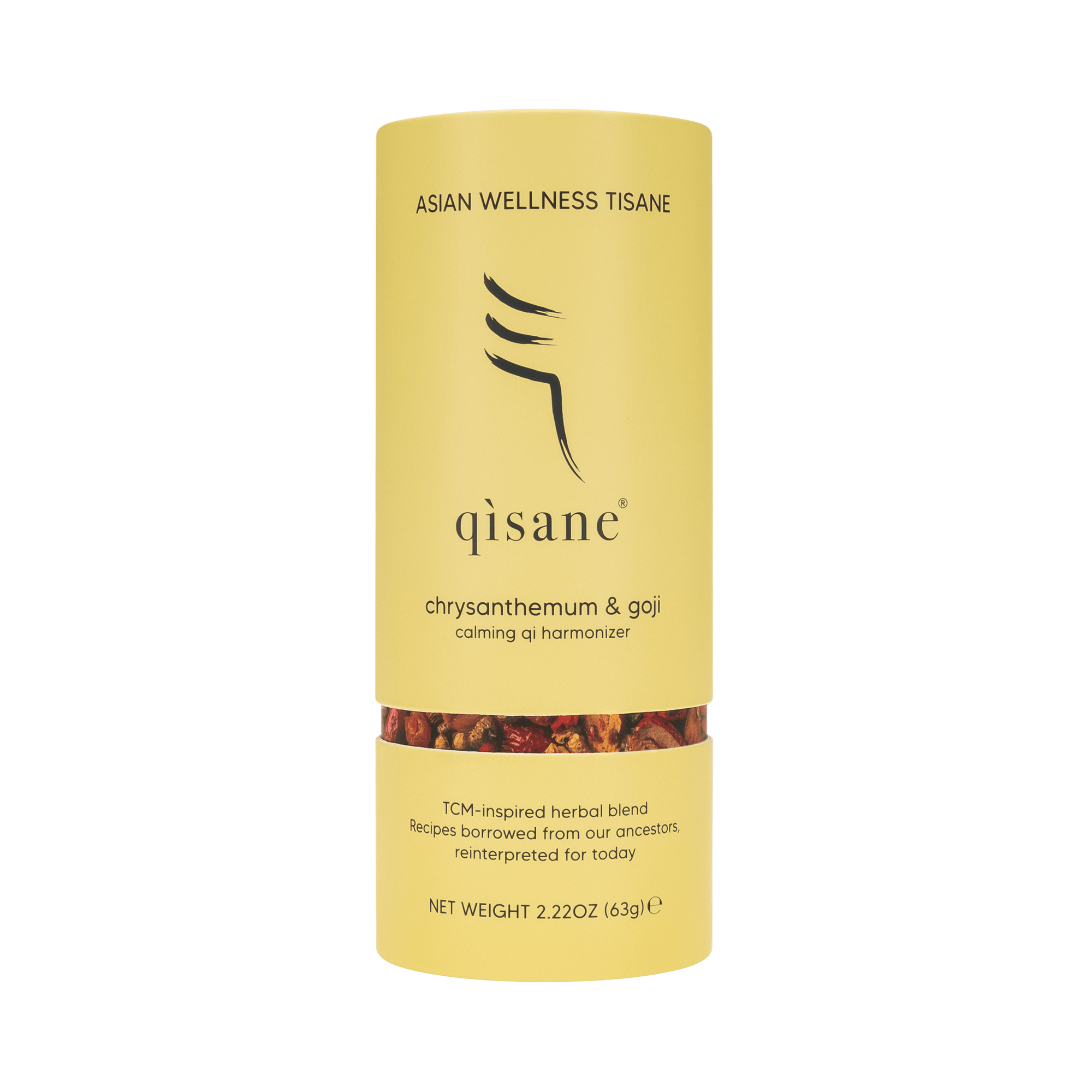
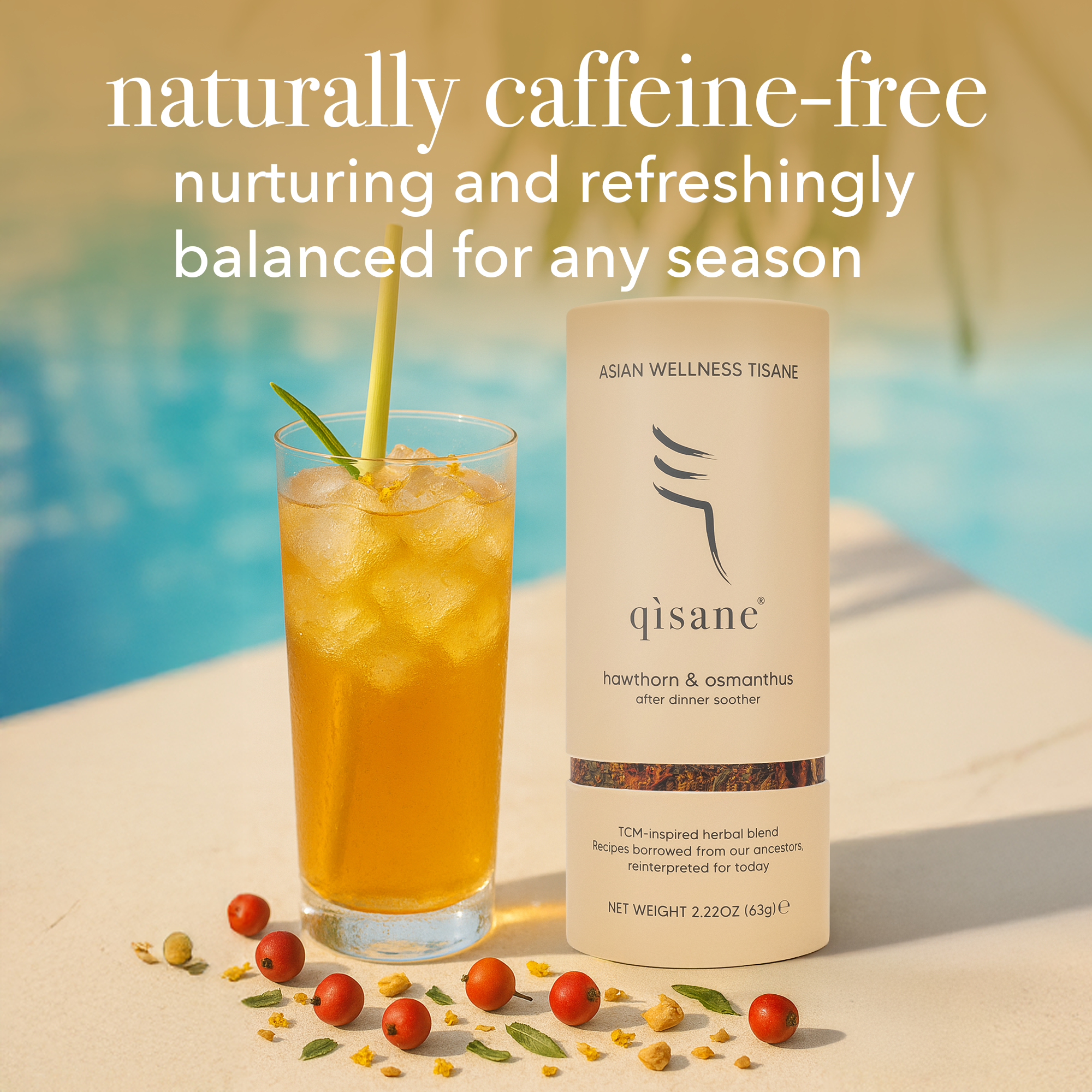
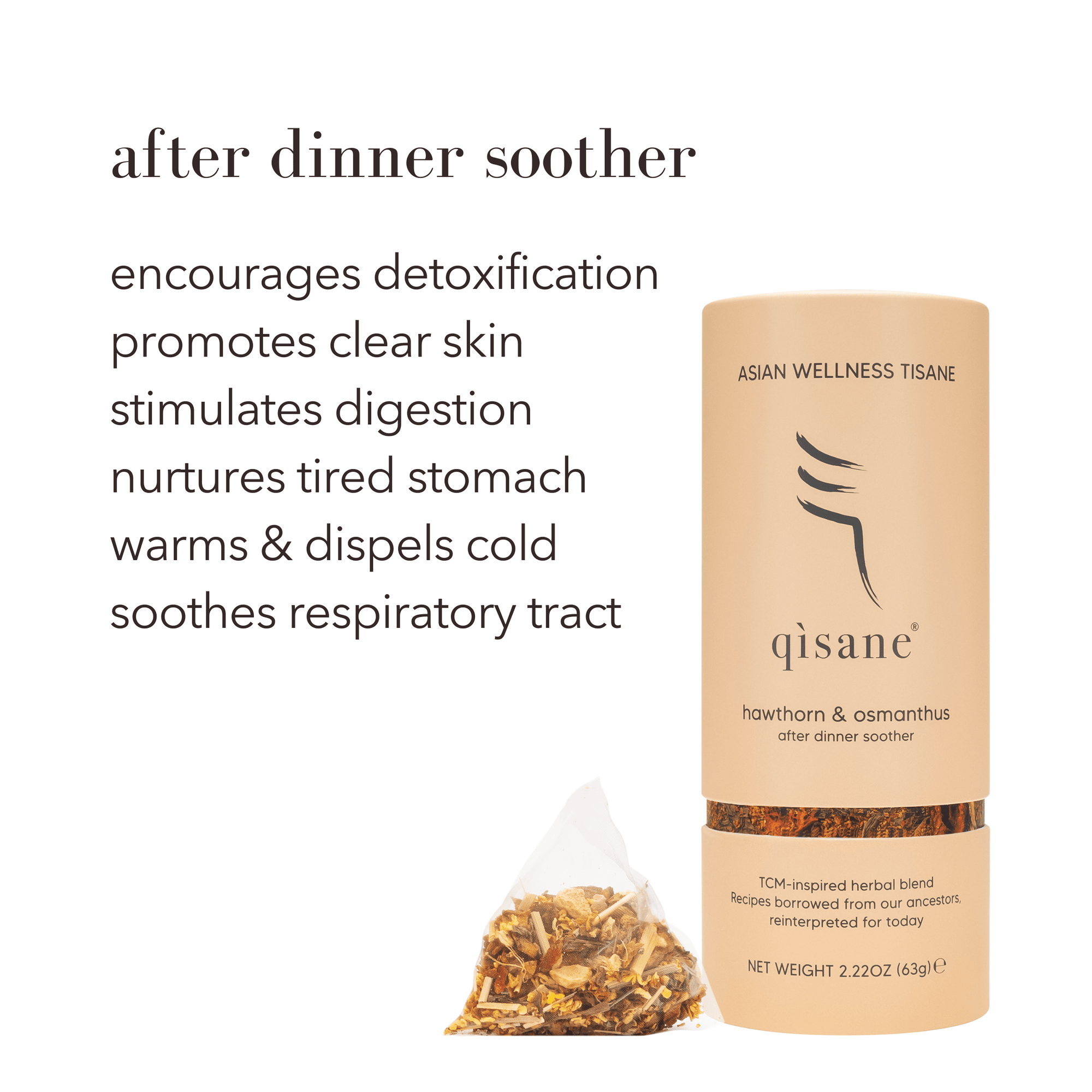
If you want a herbal tea companion for the recovery days that follow illness, this is the blend to reach for. The Honeysuckle & Self-Heal Spike tisane is caffeine-free and built around botanicals long associated with immune support and post-illness nourishment across centuries of traditional use, led by Japanese honeysuckle flowers and self-heal spike. Priced at $22.99, it comes as a cylinder of 10 oversized sachets, each made from plastics-free, biodegradable materials and designed to steep up to three times.
- Completely caffeine-free, suitable any time of day, including evenings during recovery.
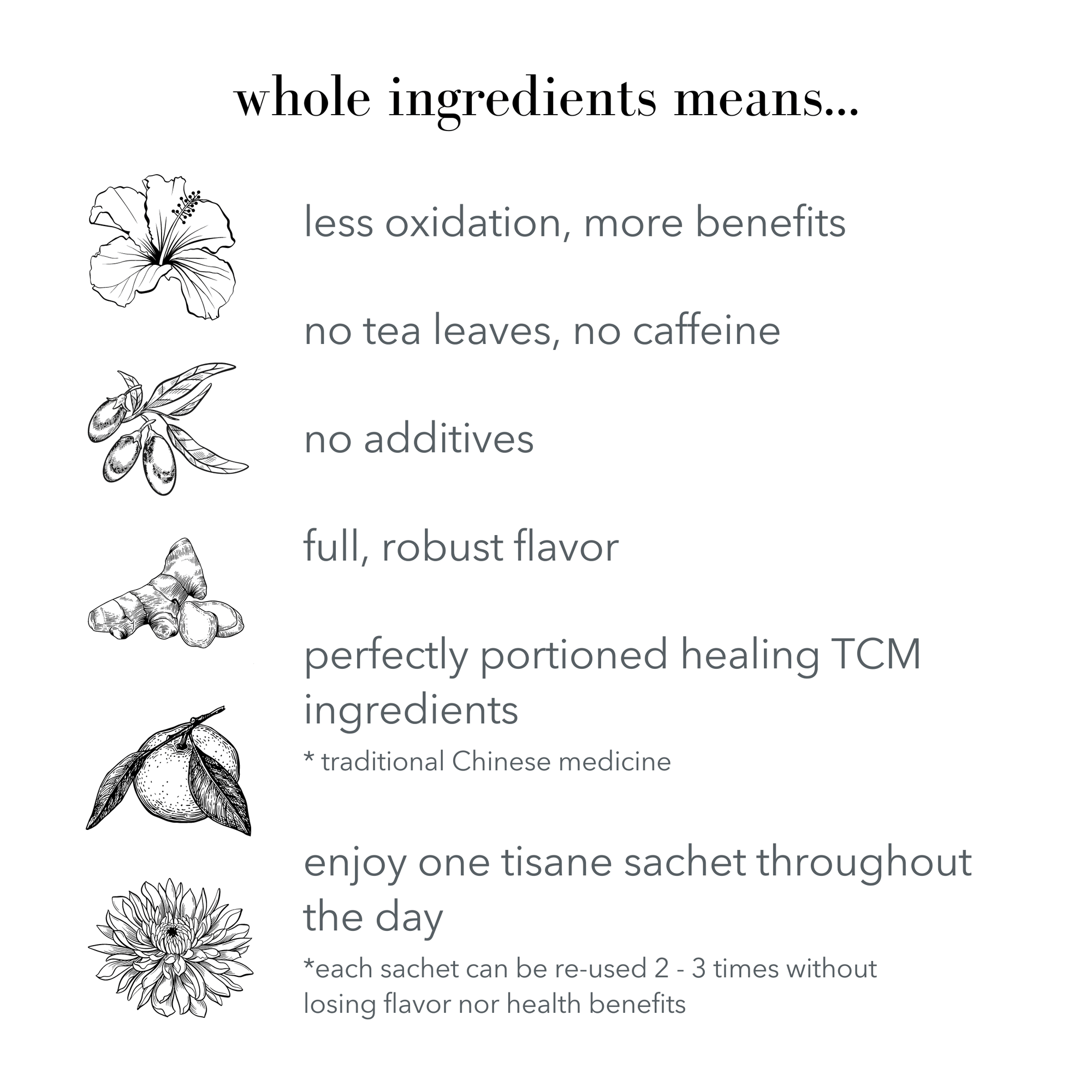
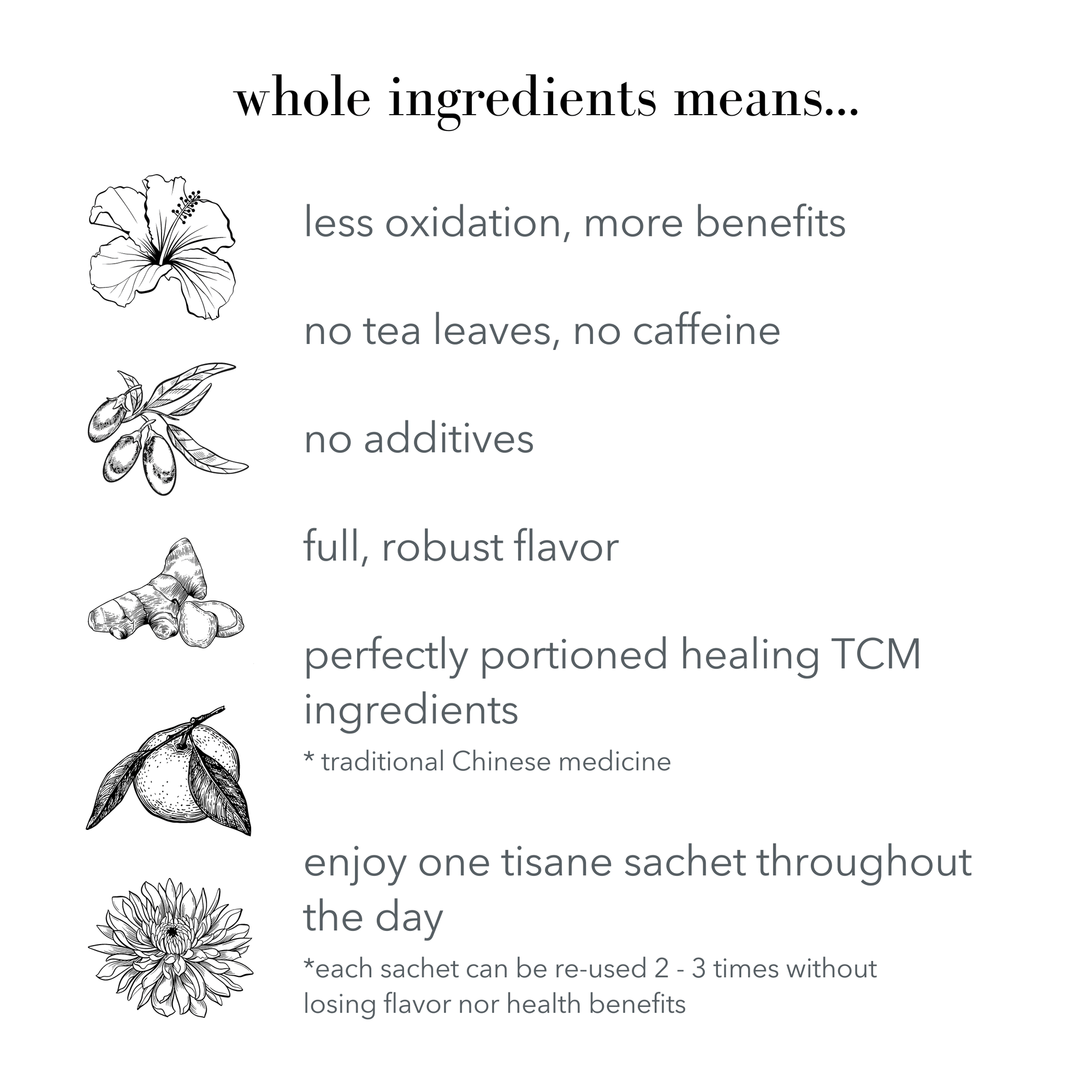
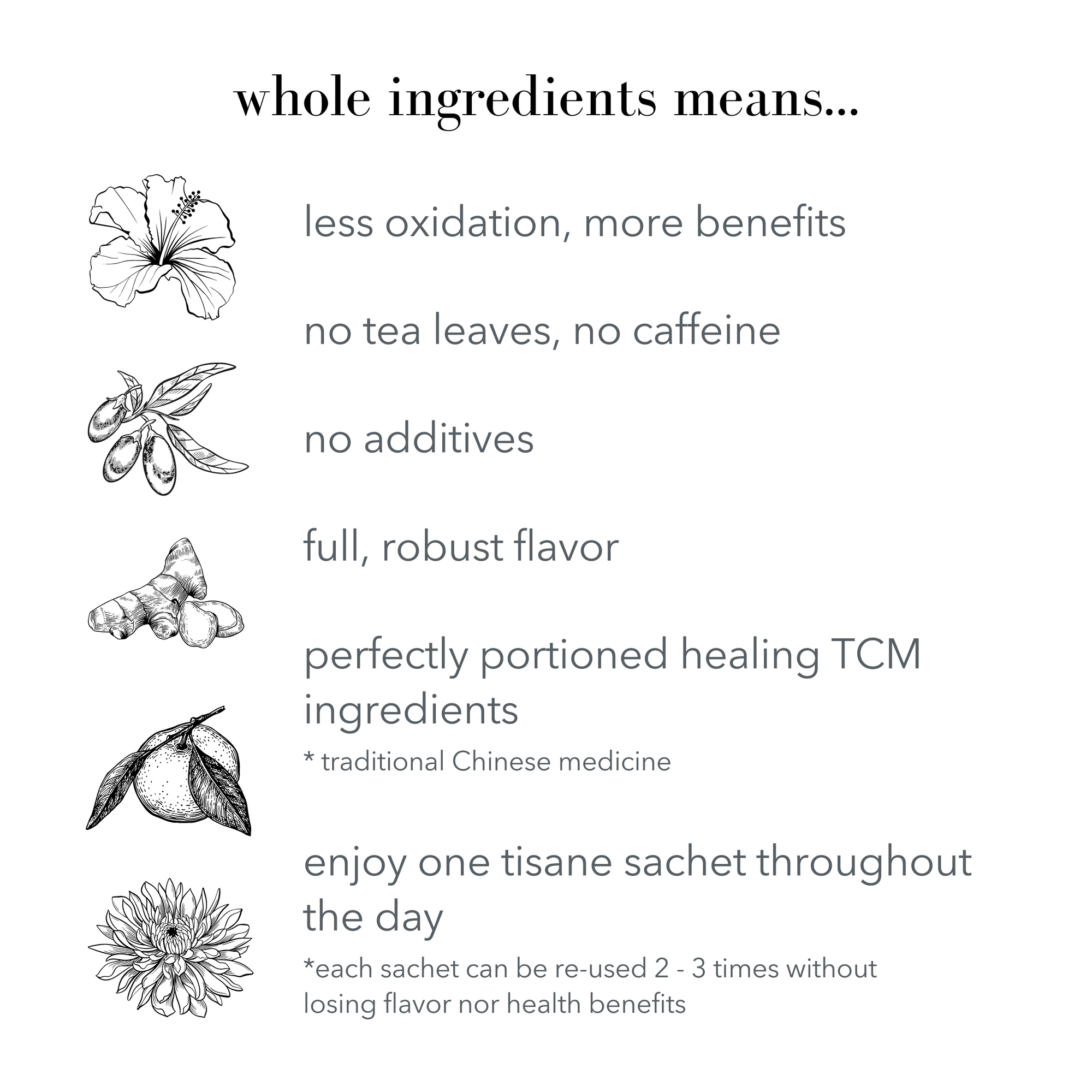
- Whole ingredients only, nothing crushed, nothing powdered, no additives.
- 10 oversized sachets per cylinder, each resteepable up to three times, giving up to 30 cups.
- Plastics-free, biodegradable sachets.
- Softly floral, lightly sweet character, easy to drink when appetite and taste are still returning.
You can browse the wider range of caffeine-free herbal tisanes alongside this blend. When you are ready to make it part of your recovery routine, the Honeysuckle & Self-Heal Spike tisane is the place to start.
How herbal tea recovery blends compare
Not all recovery drinks are equal. Here is how a well-formulated herbal tisane stacks up against the other options people reach for when they are rebuilding after illness.
| Attribute | Caffeinated tea (green, black) | Plain hot water or broth | Herbal tisane blend (honeysuckle & self-heal spike) |
|---|---|---|---|
| Caffeine content | Yes: can disrupt sleep and raise cortisol during recovery | None | None: completely caffeine-free |
| Ingredient integrity | Tea leaves, often with added flavourings | None (water) or variable (broth) | Whole botanicals only: nothing crushed, powdered, or added |
| Immune-supportive botanicals | Some (e.g. green tea antioxidants), but varies widely | None in plain water; broth varies | Yes: built around botanicals with traditional immune-support associations |
| Flavour gentleness | Can be astringent or bitter, especially if overbrewed | Neutral (water); rich and savoury (broth) | Soft floral, lightly sweet: easy on a recovering palate |
| Convenience format | Loose leaf or standard bags, typically single steep | No preparation beyond heating | Oversized biodegradable sachets, resteepable up to 3 times |
| Additives / plastics | Standard bags often contain plastic mesh or bleaching agents | None | Plastics-free, biodegradable sachets; no additives |
Your post-illness herbal tea recovery checklist
Before you build your recovery routine, run through this checklist. It is a quick way to confirm you are in the right phase, choosing the right blend, and setting yourself up well.
- Confirm you are past the acute phase, with symptoms resolving and no longer in active illness.
- Choose a caffeine-free herbal tisane, since stimulants work against the rest and repair your body needs.
- Check the ingredient list for whole botanicals only, nothing crushed, powdered, or with added flavourings.
- Verify there are no additives in the blend. A clean ingredient list is the standard to hold to during recovery.
- Plan to steep more than once, so a single sachet gives you consistent nourishment across the day.
- Pair your herbal tea routine with adequate rest. The tea may support recovery; rest is what drives it.
- If you are pregnant, breastfeeding, or on medication, check with your doctor before starting any new herbal routine.
- Stock enough for at least one week. Herbal tisanes are not a single-cup fix; consistency over days alongside rest and other healthy lifestyle choices matters more than intensity.
Frequently asked questions about post-illness herbal tea recovery
When is the right time to start using herbal tea after being sick?
Once the acute phase has passed and symptoms are resolving, you are in the recovery window where herbal tea nourishment is most appropriate. There is no need to wait until you feel completely well. A gentle caffeine-free tisane is suitable as soon as you feel ready for warm drinks again, and can be enjoyed any time of day or night.
How many cups a day is reasonable during recovery?
Two to three cups spread across the day is a practical, gentle approach. If you are using sachets that steep up to three times, one sachet per day can cover your morning, afternoon, and evening without any waste.
Why does the caffeine-free requirement matter so much during recovery?
Because caffeine is a stimulant, and recovery is when your body is prioritising rest and repair. Stimulants work against that process by increasing alertness and potentially disrupting sleep. A caffeine-free tisane gives you the warmth and ritual of a hot drink without pulling your system in the wrong direction, so it can be enjoyed any time of day or night.
What do honeysuckle and self-heal spike actually do in the blend?
They are the two lead botanicals, both long associated in traditional herbal practice with cooling, clearing, and immune-supportive properties. Together they anchor a blend that is soft and floral rather than sharp or medicinal, which makes it easy to drink even when you are not at your best.
Is this herbal tea safe to drink if I am taking medication?
The blend has no known contraindications, but if you take prescription medication it is worth discussing any new dietary addition with your doctor or pharmacist. This is good practice any time you change your routine while on medication.
How long should I continue a herbal tea recovery routine?
There is no fixed timeframe. Some people may find one to two weeks after illness is enough; others make it a lasting part of their daily wellness habits. Pay attention to how your body feels and let that guide you, since these blends are suitable for ongoing use.
What should I avoid pairing with herbal tea during recovery?
Avoid caffeine from other sources, coffee, black tea, and energy drinks, along with very heavy, processed, or high-sugar foods that can strain a gut still finding its balance. The goal is gentleness across the board, not just in your tea cup.
Does herbal tea replace medical care after illness?
No, herbal tea is not medicine and is not a substitute for medical care. If your symptoms are not improving, if you have concerns about your recovery, or if you are unsure what is appropriate for your situation, please speak with a healthcare professional. This guide is for general nourishment during the post-illness window, not for managing any specific condition.
A note on herbal tea and your health
This article is for informational purposes only. Herbal tea is not a substitute for medical treatment, diagnosis, or professional advice. If your symptoms persist, worsen, or you have any concerns about your health during or after illness, please consult a qualified healthcare professional. Nothing in this guide should be taken as medical guidance.