

Overview
Asian herbal traditions have paired citrus peel with hibiscus in stress-relief remedies for centuries and modern research is finally catching up. The combination brings together two distinct sets of bioactive compounds: limonene and hesperidin from mandarin peel, and anthocyanins from hibiscus. The two compounds work through separate but complementary pathways to calm the nervous system and understanding these citrus peel herbal tea compounds can help clarify why a dual-ingredient blend can offer more support than single-note teas.
Key compounds at a glance
| Compound | Source | Mechanism | Onset |
|---|---|---|---|
| Limonene | Mandarin peel | GABA receptor interaction; aromatherapeutic cortisol reduction | Rapid (within 15 min) |
| Hesperidin | Mandarin peel | Anti-inflammatory; HPA axis support; antioxidant | Sustained (days–weeks) |
| Anthocyanins | Hibiscus flower | Oxidative stress reduction; cellular protection | Sustained (days–weeks) |
| Organic acids (citric, malic) | Hibiscus flower | Peripheral nervous system calming; mild sedation | Moderate (within 1–2 hrs) |
The table shows how citrus peel herbal tea compounds and hibiscus bioactives occupy different lanes in stress management. Mandarin peel delivers rapid aromatherapeutic relief and flavonoid support, while hibiscus contributes polyphenolic protection and gentle sedation.
Mandarin peel's functional compounds: limonene and hesperidin
Mandarin peel is far from a flavor afterthought: its two primary bioactive compounds, limonene and hesperidin, have distinct chemical profiles and well-documented roles in stress relief.
- Limonene is a volatile terpene that accounts for much of the citrus aroma. Because it's lipophilic, it crosses the blood-brain barrier quickly. Research shows limonene interacts with GABA receptors (the same neurotransmitter system targeted by benzodiazepines, though with far milder effects). Inhalation studies have recorded measurable drops in cortisol and subjective anxiety scores within 15 minutes of exposure. When dried mandarin peel steeps in hot water, limonene volatilizes and delivers both aromatic and systemic benefits.
- Hesperidin is a flavonoid glycoside (a sugar-bound polyphenol) concentrated in citrus peel. Unlike limonene, hesperidin works through anti-inflammatory pathways. Chronic stress elevates pro-inflammatory cytokines, which in turn impair HPA axis regulation. Hesperidin has been shown to modulate these inflammatory markers and indirectly support healthier cortisol rhythms. It's also a potent antioxidant, protecting cells from oxidative damage that builds up during prolonged stress.
Extraction through drying preserves both compounds. Traditional Asian herbal methods rely on slow air-drying to retain volatile oils and flavonoids without heat degradation. Once steeped, the tea releases these compounds into the water and makes them bioavailable.
The dual action (rapid aromatherapeutic effect from limonene, sustained anti-inflammatory support from hesperidin) is what makes mandarin peel effective in citrus peel herbal tea compounds for stress relief.
Hibiscus anthocyanins and their role in tension reduction
Hibiscus brings a different chemistry. Its deep red color comes from anthocyanins, a subclass of flavonoids that function as both pigments and antioxidants. These polyphenolic compounds have been studied for cardiovascular benefits, but they also play a meaningful role in stress modulation.
Anthocyanins reduce oxidative stress by neutralizing free radicals. Chronic stress accelerates oxidative damage to cells, particularly in the brain and adrenal glands. By scavenging these reactive molecules, anthocyanins protect the tissues responsible for stress response. You won't feel immediate relaxation the way you do with limonene, but it supports the body's resilience over time.
Hibiscus also contains organic acids (citric and malic) that contribute a tart flavor and mild sedative properties. These acids don't cross the blood-brain barrier in large amounts, but they do influence peripheral nervous system activity and promote a subtle calming effect. Some users describe the sensation as "grounding" rather than drowsiness.
Unlike mandarin peel, hibiscus tea works best as a background player. Its benefits accumulate with regular use rather than delivering immediate relief, which makes it a strong complement to the faster-acting citrus compounds.
How mandarin and hibiscus compounds synergize
Single-ingredient stress teas often rely on one mechanism (chamomile for mild sedation, for example, or lemon balm for GABA modulation). A dual-ingredient approach like mandarin peel and hibiscus addresses stress through multiple pathways:
- Rapid aromatherapeutic onset from limonene (volatile terpene pathway)
- Sustained anti-inflammatory support from hesperidin (flavonoid pathway)
- Oxidative stress modulation from hibiscus anthocyanins (polyphenolic pathway)
- Peripheral nervous system calming from hibiscus organic acids
The multi-pathway strategy is grounded in the logic that stress is not a single biochemical event. It involves neurotransmitter imbalance, inflammation, oxidative damage, and autonomic nervous system dysregulation. Targeting one pathway leaves the others unaddressed. Citrus peel herbal tea compounds paired with hibiscus anthocyanins cover more ground without redundancy.
Tea blends that combine these ingredients aren't just about flavor variety. They're about functional synergy. You're not doubling up on the same mechanism; you're layering complementary effects.
What makes this Asian herbal tea different
Most hibiscus teas on the market are single-ingredient products. They deliver anthocyanins but miss the aromatic and flavonoid benefits of citrus peel. Generic "citrus herb" blends often use lemon peel or orange peel, which contain limonene but lack the hesperidin concentration found in mandarin peel. By combining hibiscus with mandarin peel, the formula addresses both the polyphenol richness of the flower and the citrus bioflavonoid profile that supports relaxation.
- Dual-ingredient formulation: Mandarin peel and hibiscus are present in functional ratios, not trace amounts for flavor.
- Traditional Asian sourcing: Mandarin peel used in Asian herbal tea traditions is harvested and dried using methods that preserve volatile oils and flavonoids.
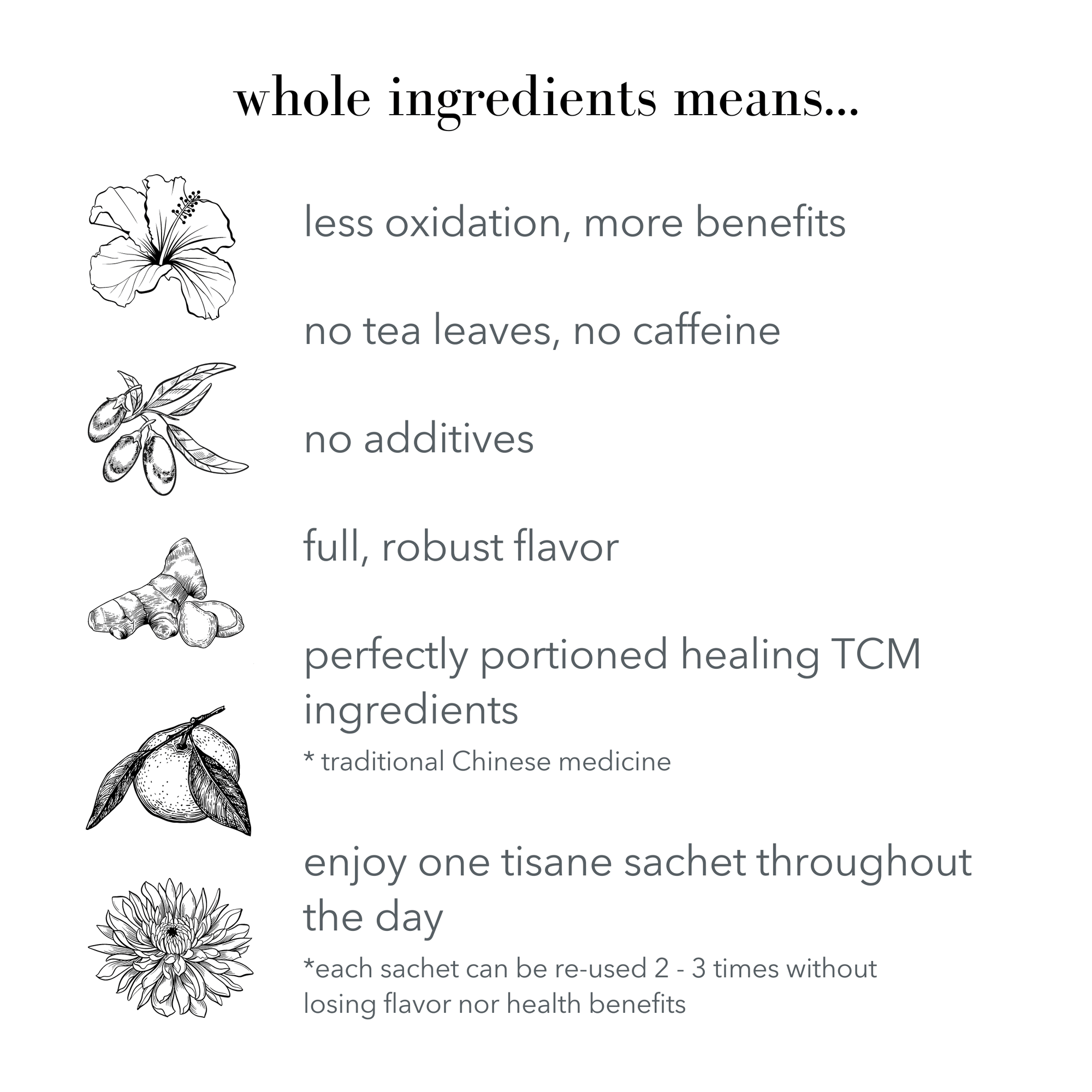
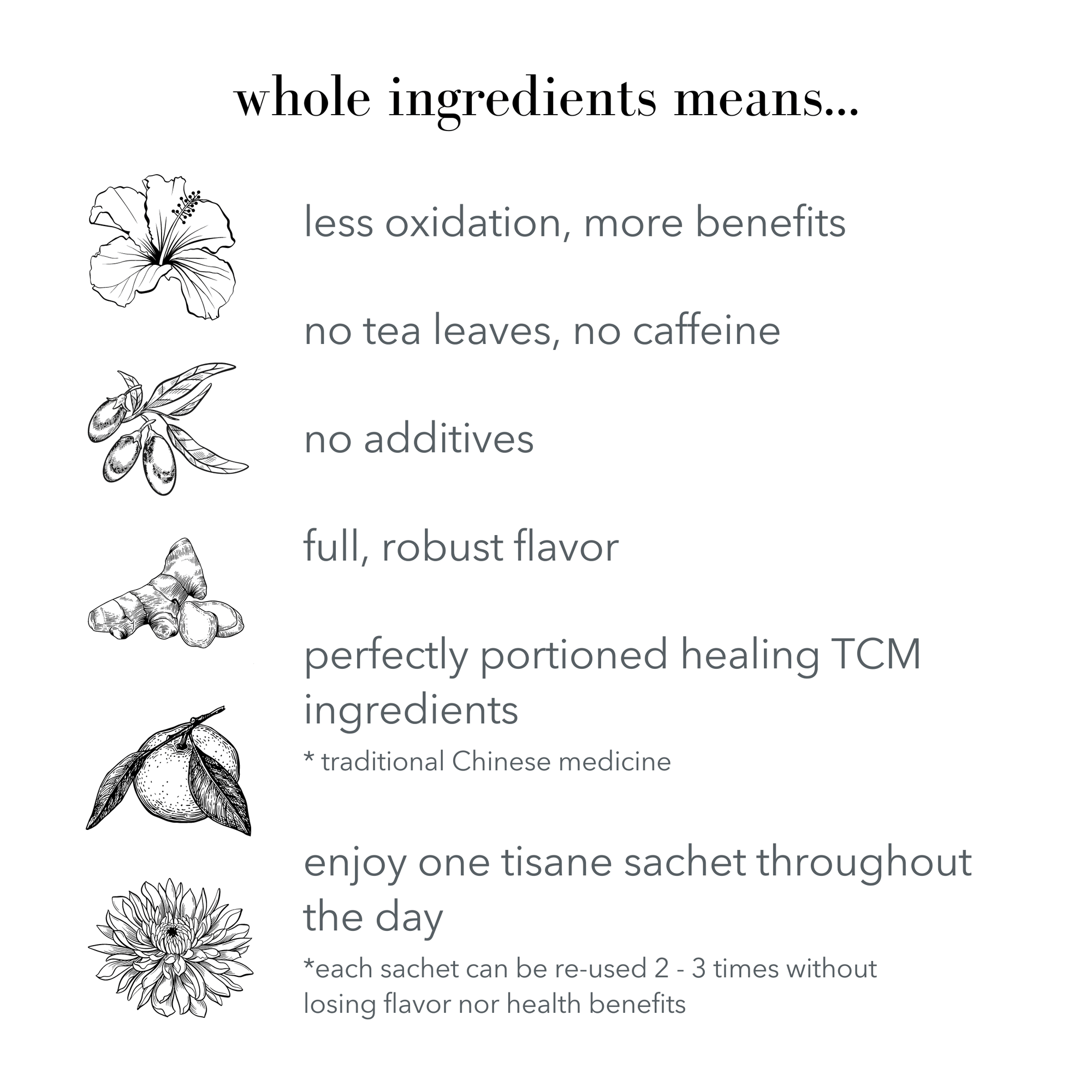
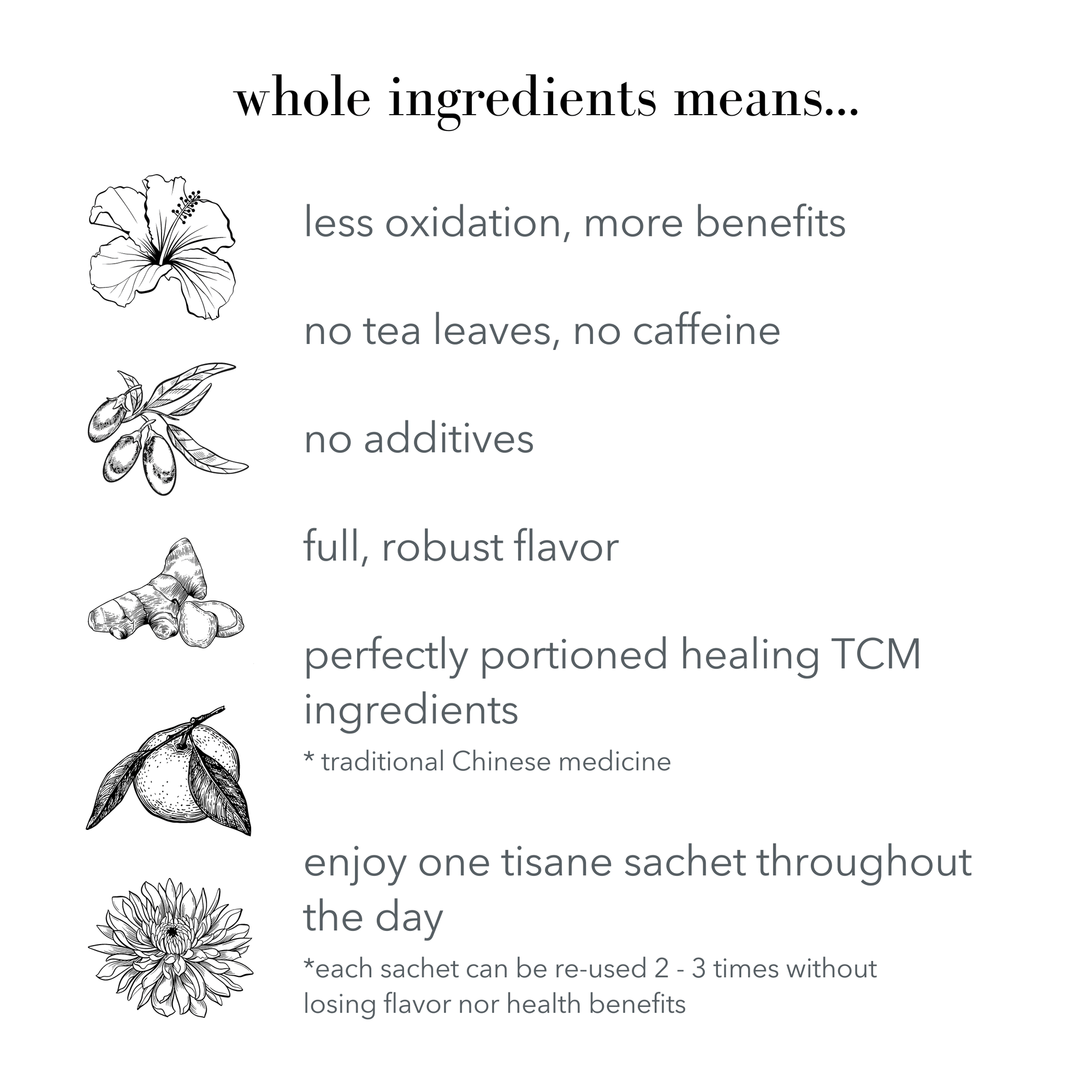
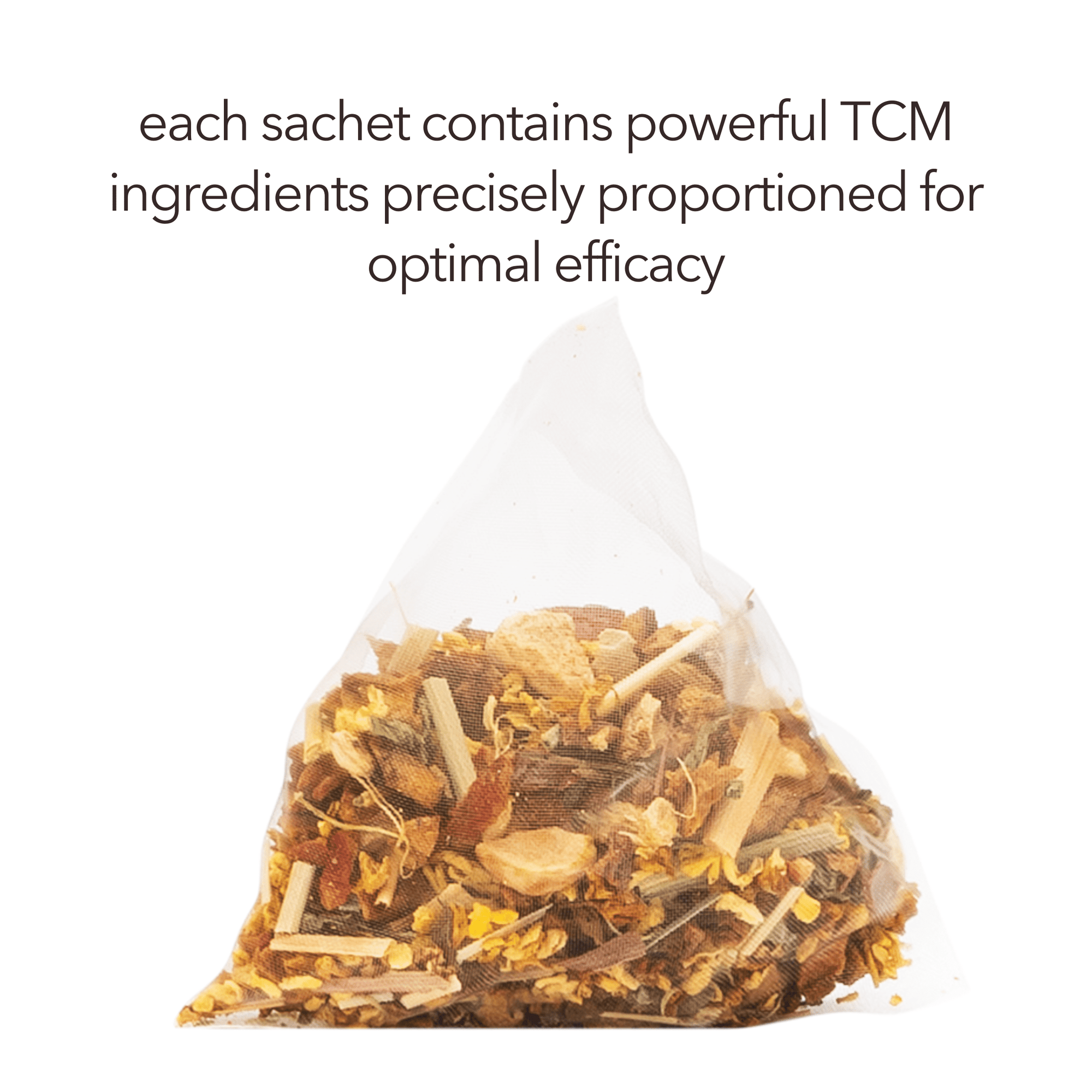
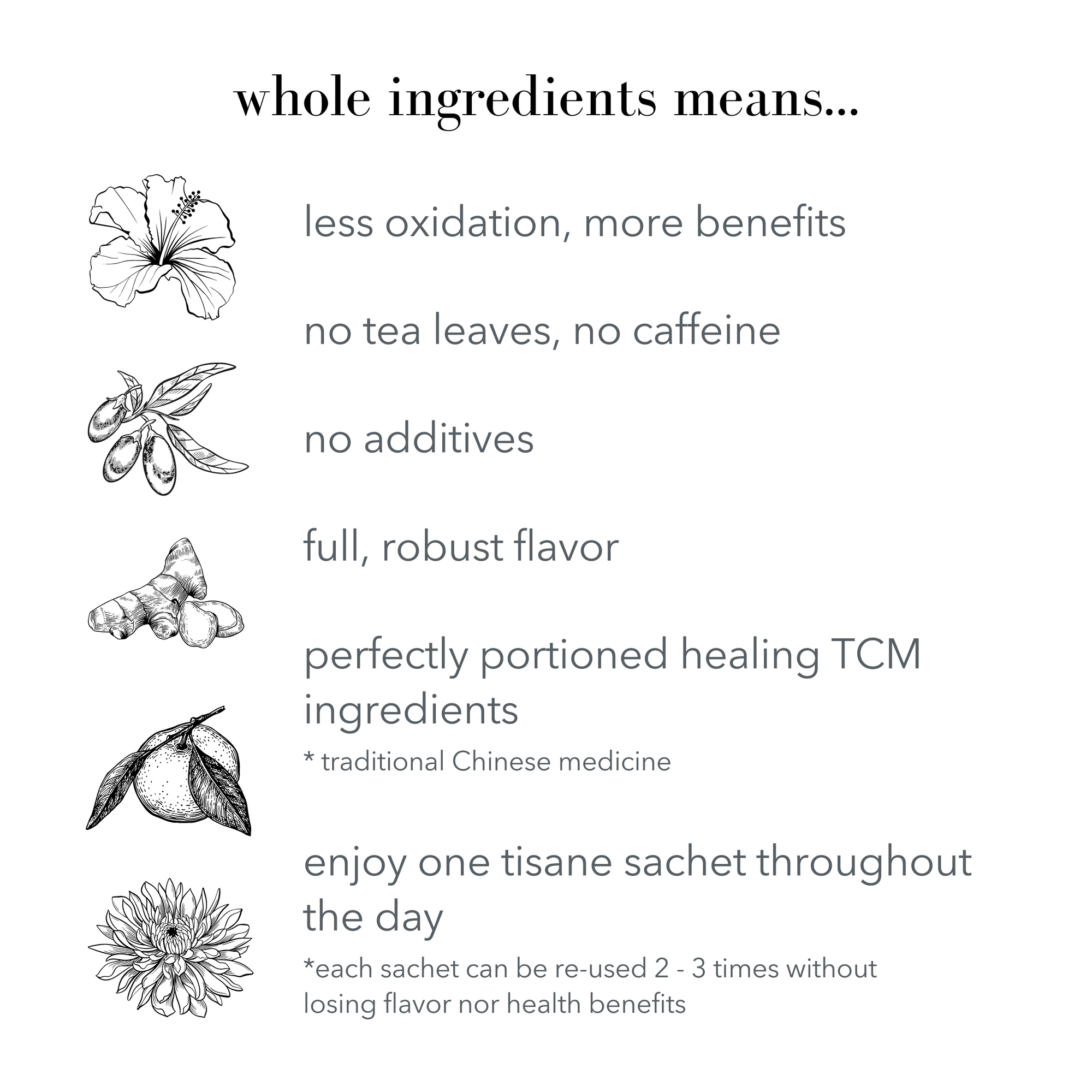
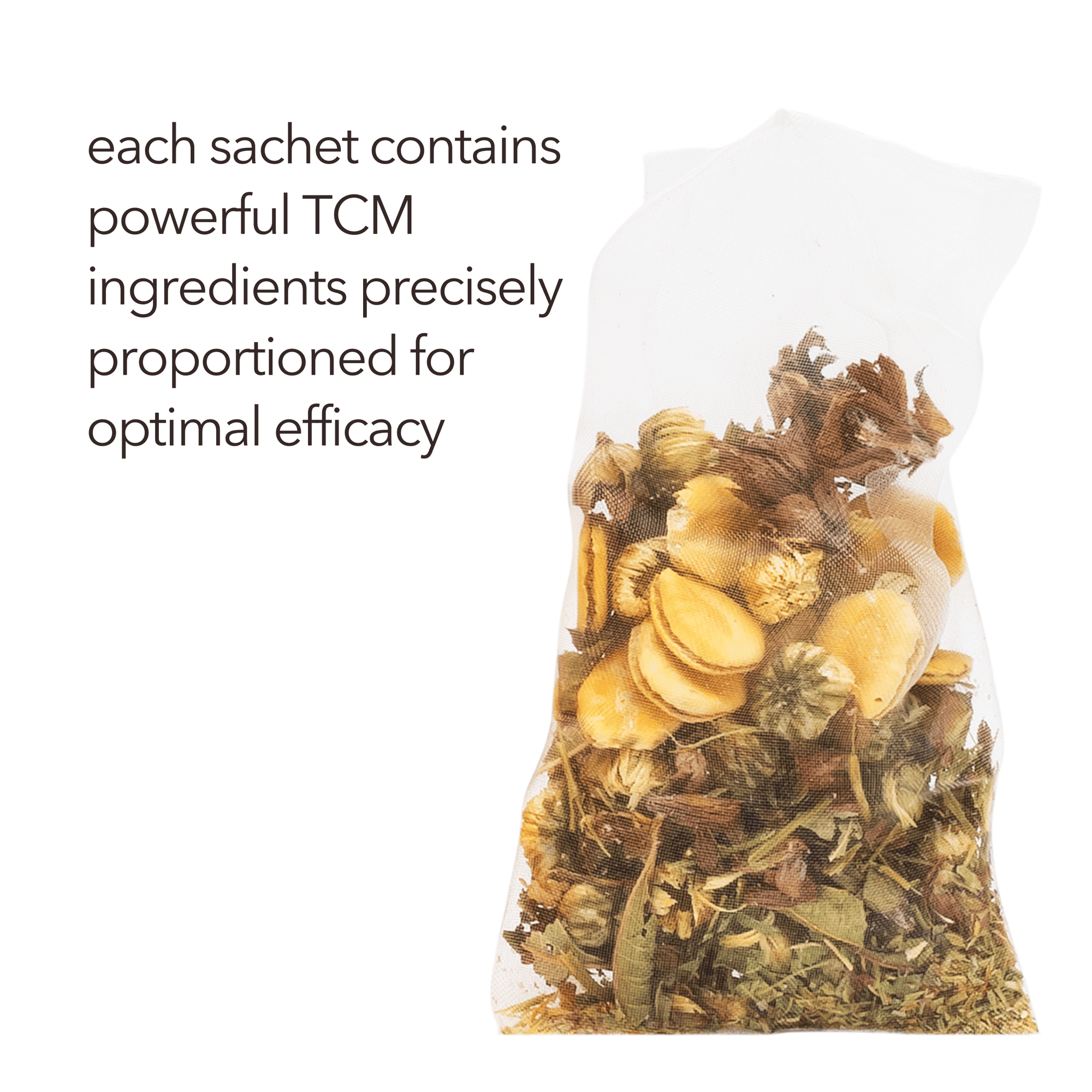
- No additives or fillers: The sachet contains whole, dried ingredients (no flavor extracts, no sweeteners, no binders).
- Price positioned for accessibility: At $18.99 for a multi-serving box, the price sits between commodity grocery-store teas and premium specialty blends, offering functional compound delivery without luxury markup.
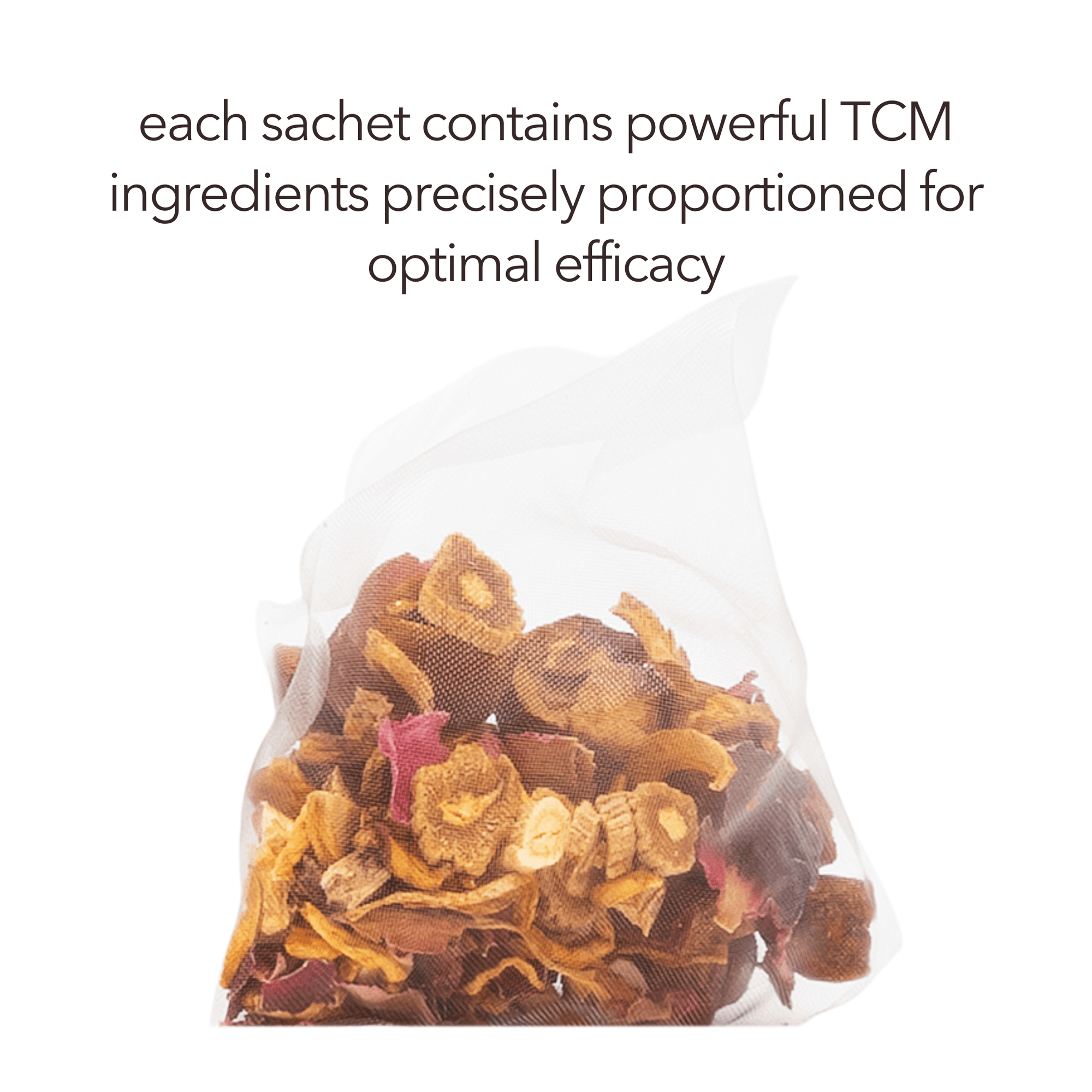
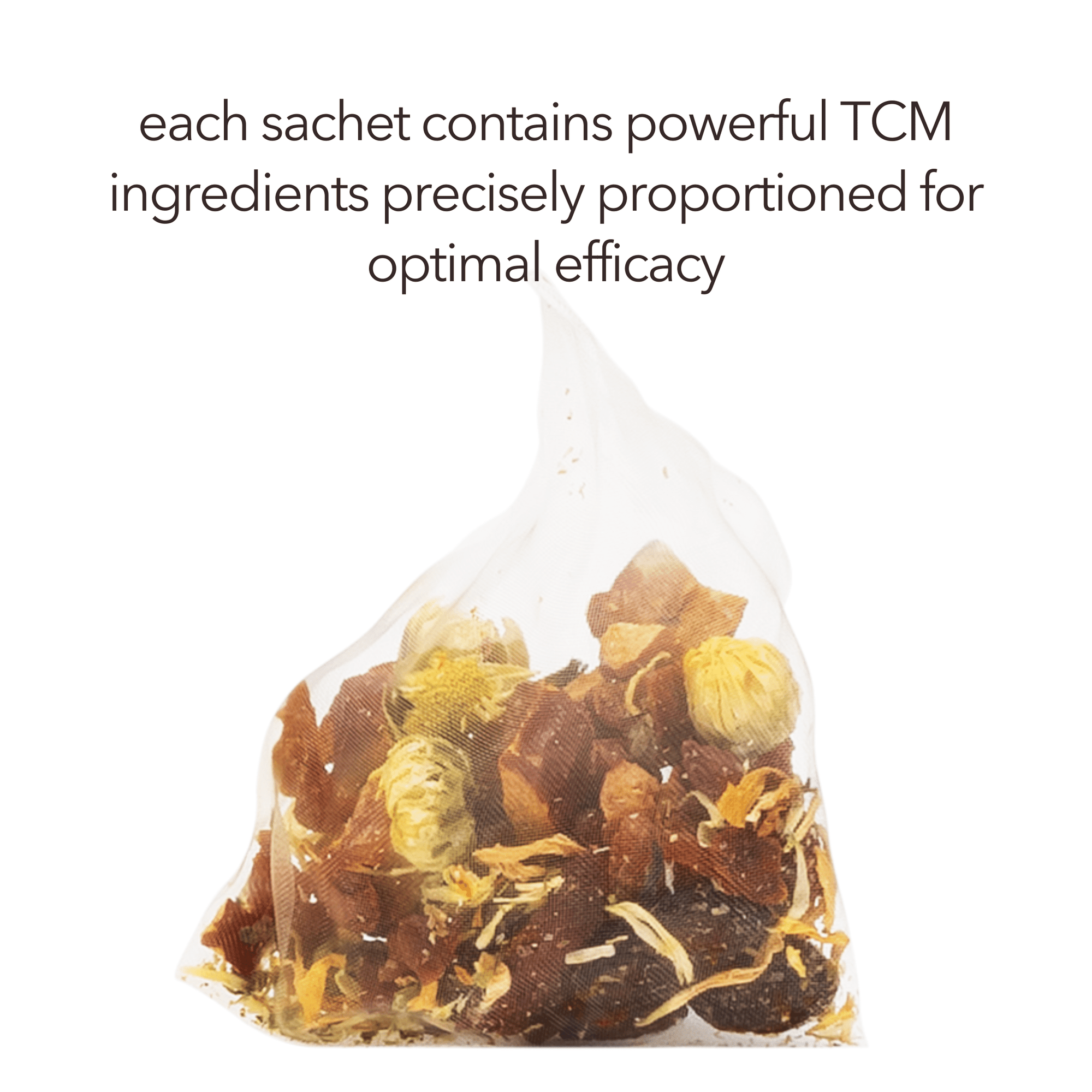
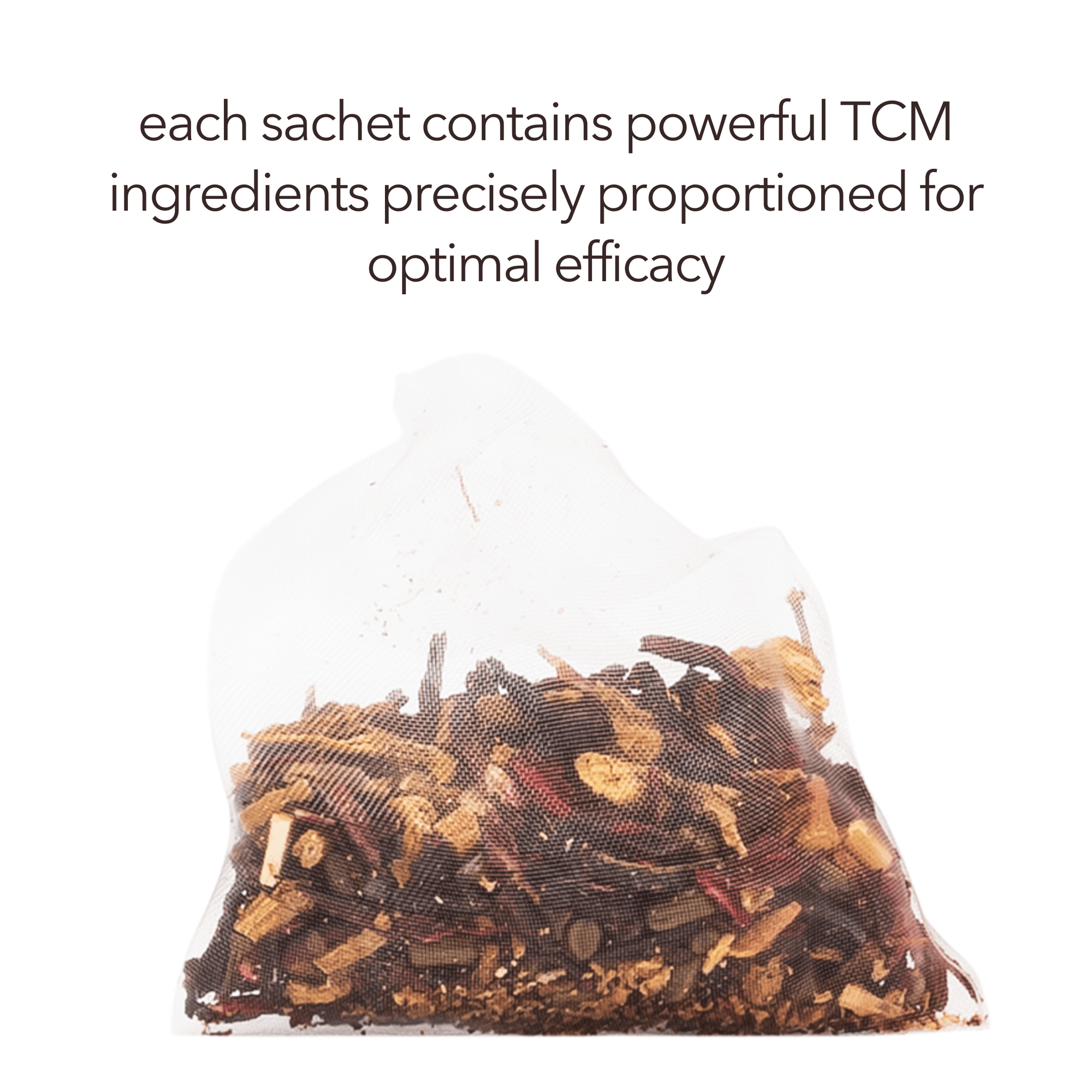
The Asian herbal tea tradition values ingredient purity and whole-plant extraction, which is reflected in the formulation. You won't find a tea bag filled with crushed dust; you'll see recognizable pieces of mandarin peel and whole hibiscus flowers.
How to prepare the tea to preserve compounds
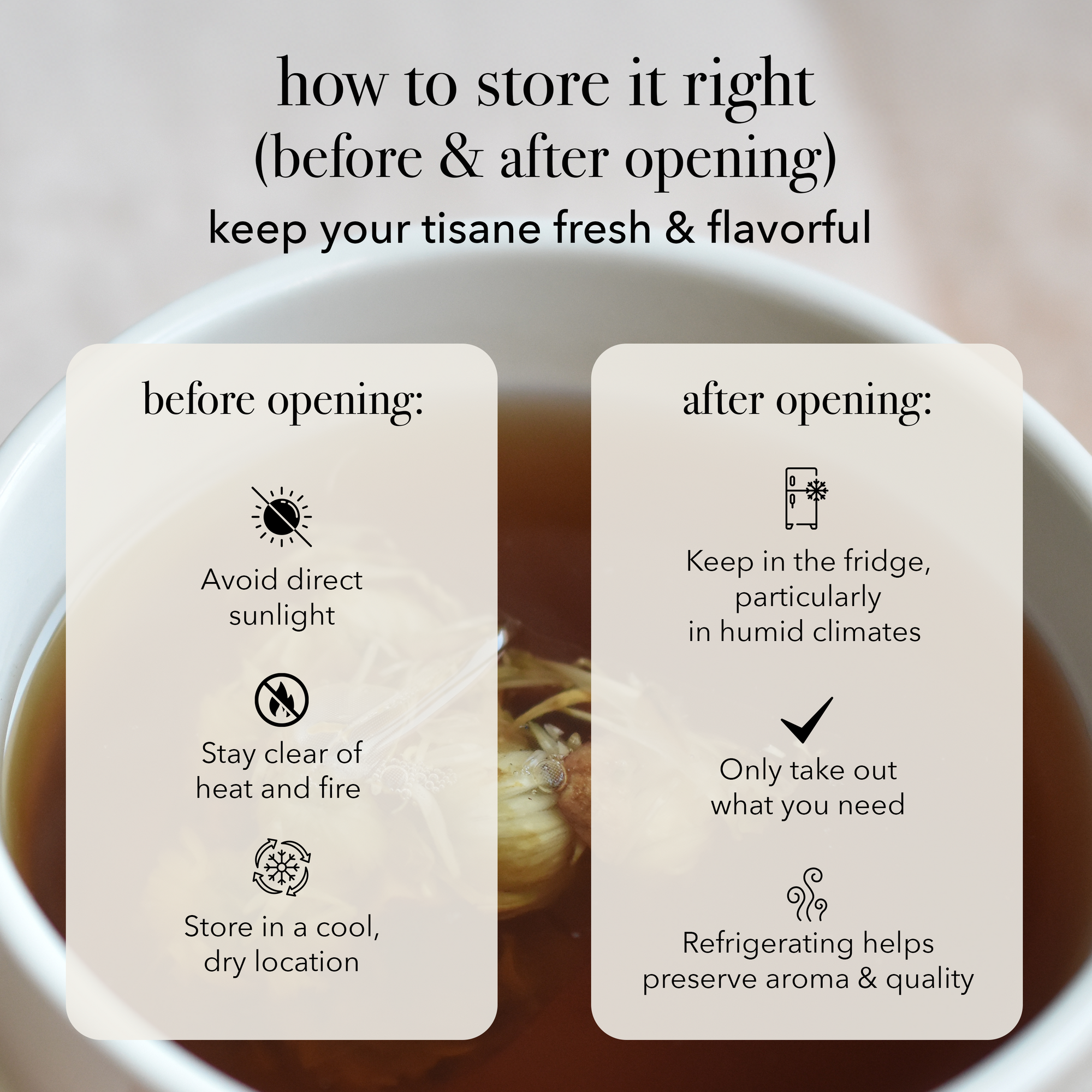
Brewing method affects bioactive compound extraction. Limonene is volatile, meaning it evaporates at high temperatures. Boiling water will drive off some of the aromatic terpenes before you ever take a sip. Hesperidin and anthocyanins are more heat-stable, but they still extract best within a specific range.
- Water temperature: Heat water to 200–205°F (just below boiling). If you don't have a thermometer, bring water to a boil and let it sit for 30 seconds.
- Steeping time: 5–7 minutes. Shorter steeps under-extract hesperidin and anthocyanins; longer steeps can turn the tea bitter without adding functional benefit.
- Vessel: Use a covered cup or teapot to trap volatile compounds. An open mug allows limonene to escape.
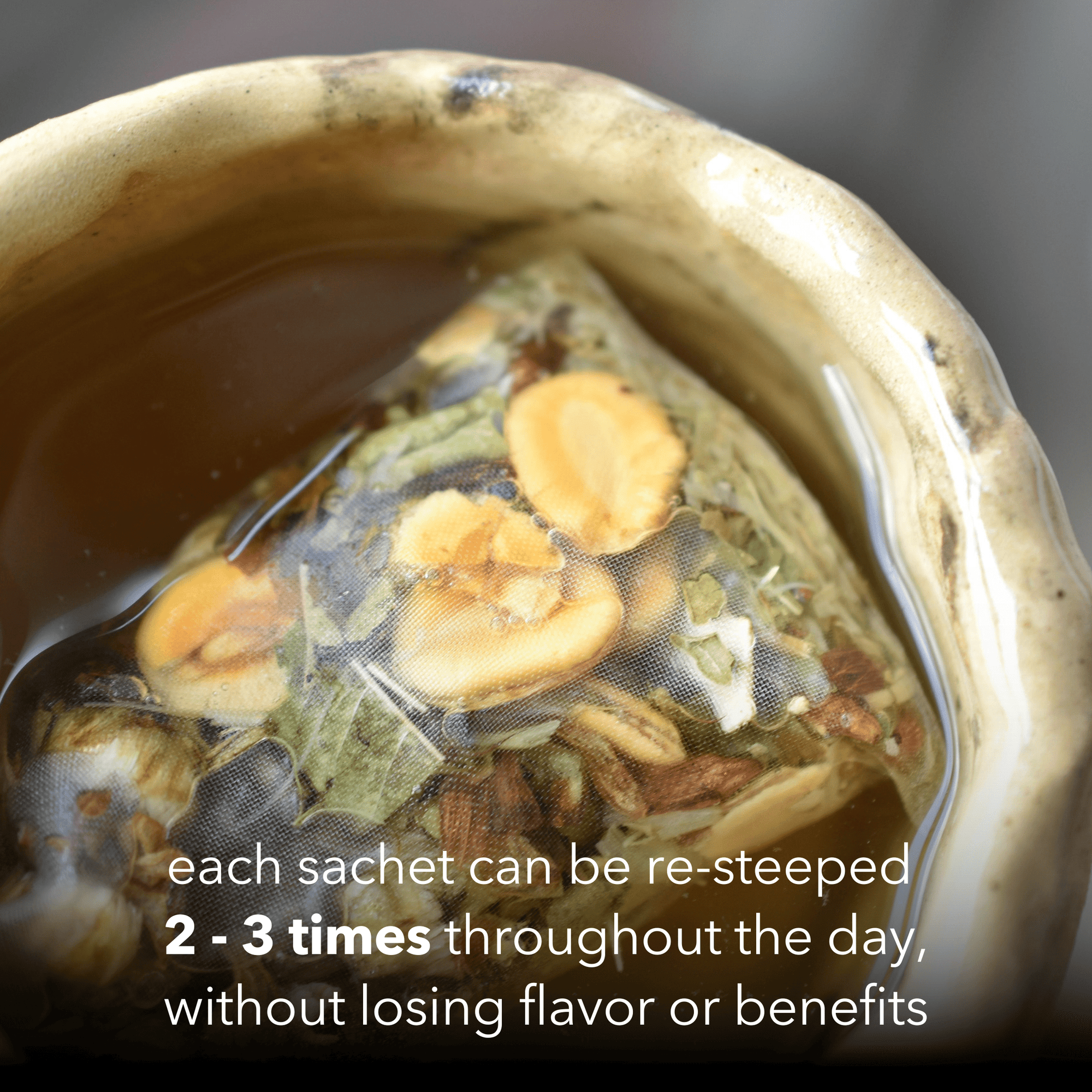
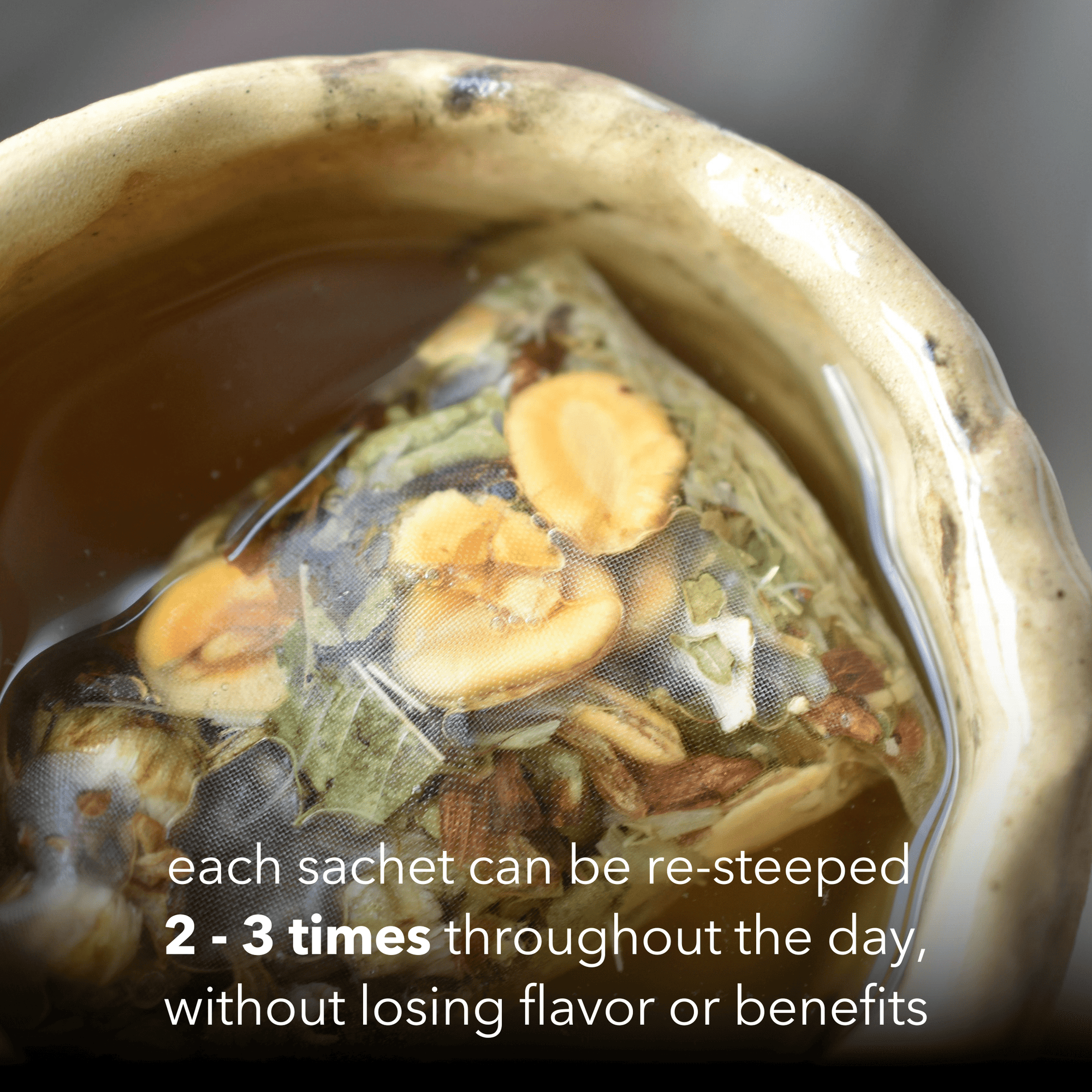
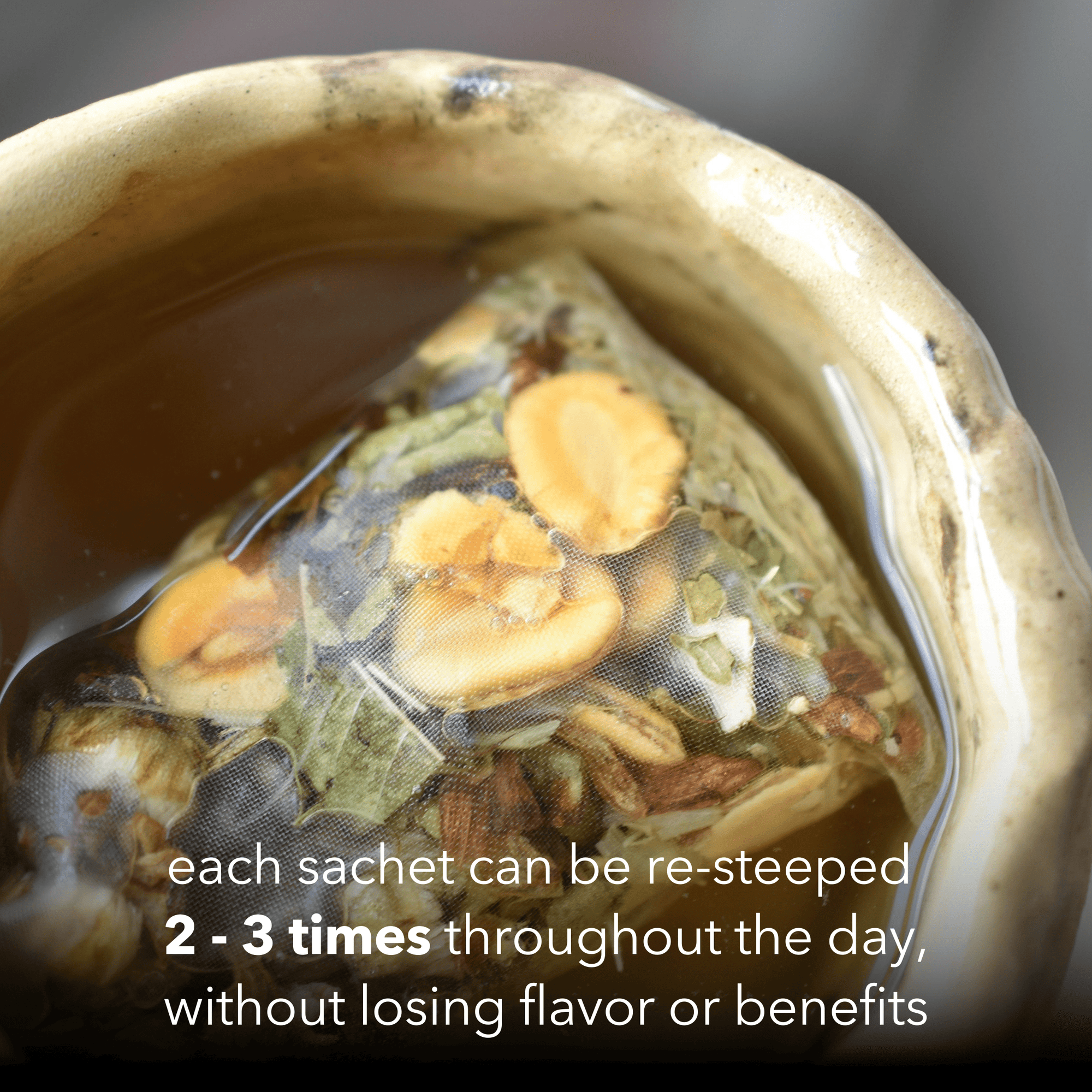
- Re-steeping: Citrus peel herbal tea compounds remain active for a second steep. Add 1–2 minutes to the steeping time for the second infusion.
Some herbal tea drinkers add honey or a slice of fresh ginger. Both are fine, but they introduce new flavors that can mask the tart-citrus balance of the original blend. If you're drinking for stress relief rather than just taste, try it plain first.
Hibiscus & Mandarin Peel Herbal Tea For Stress & Tension Relief
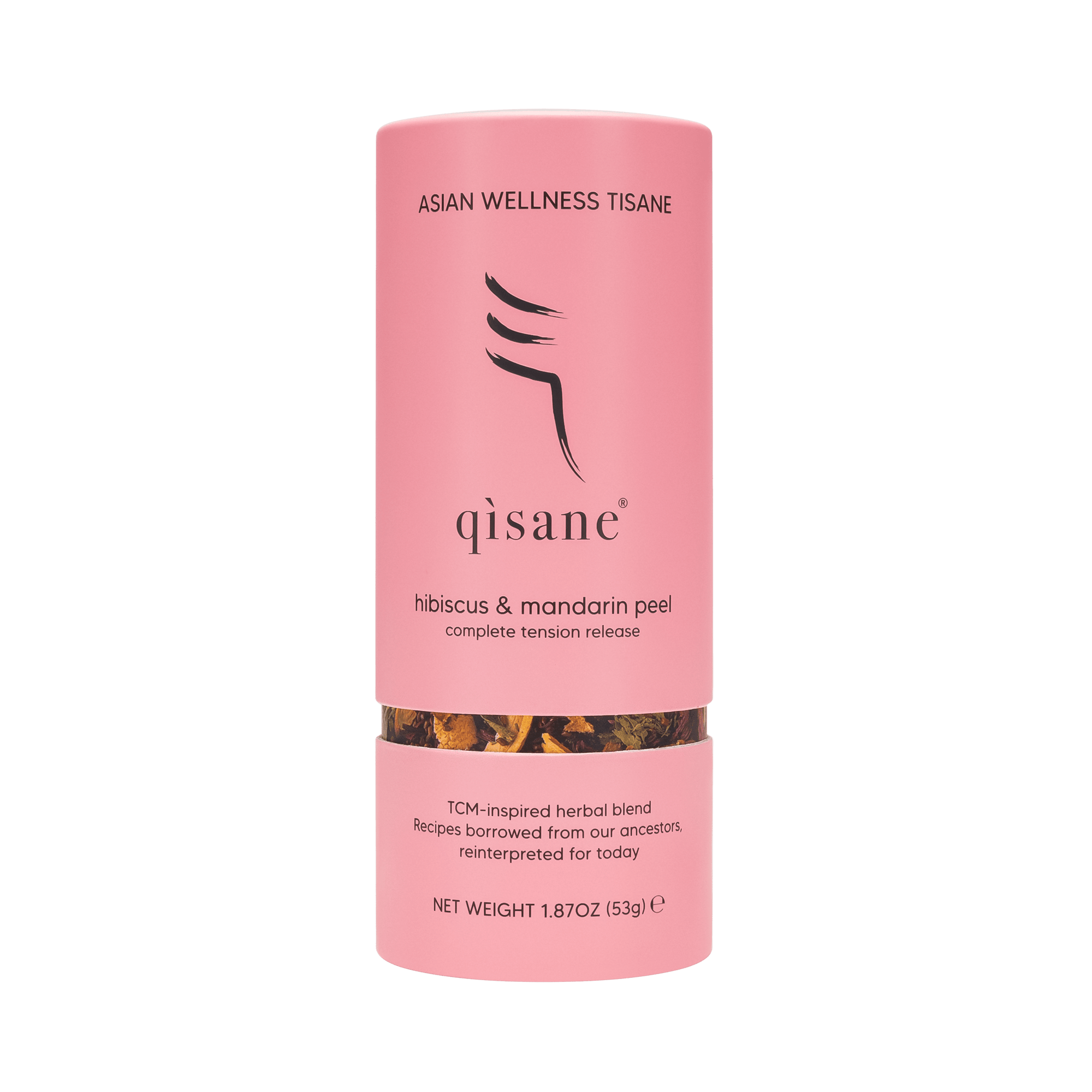
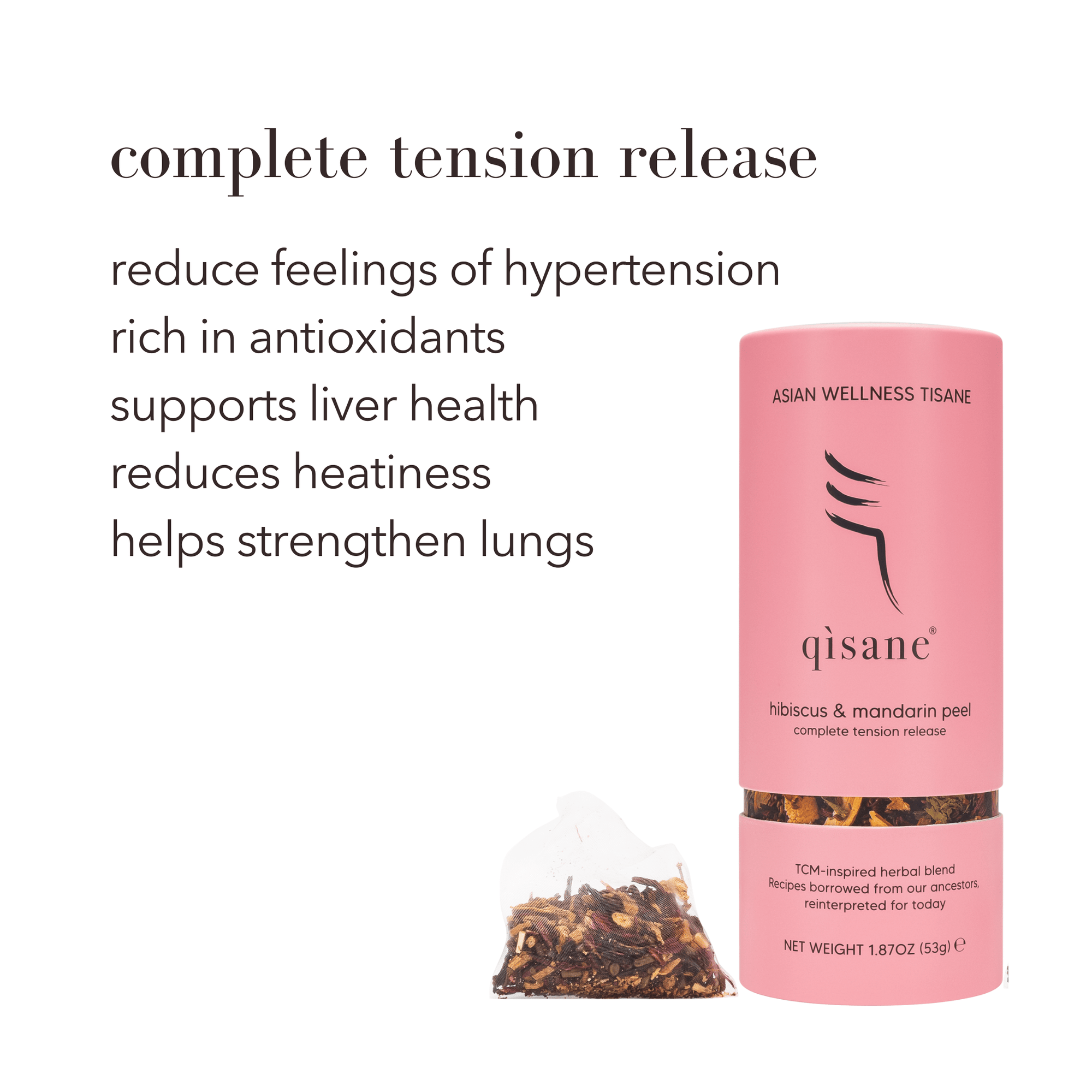
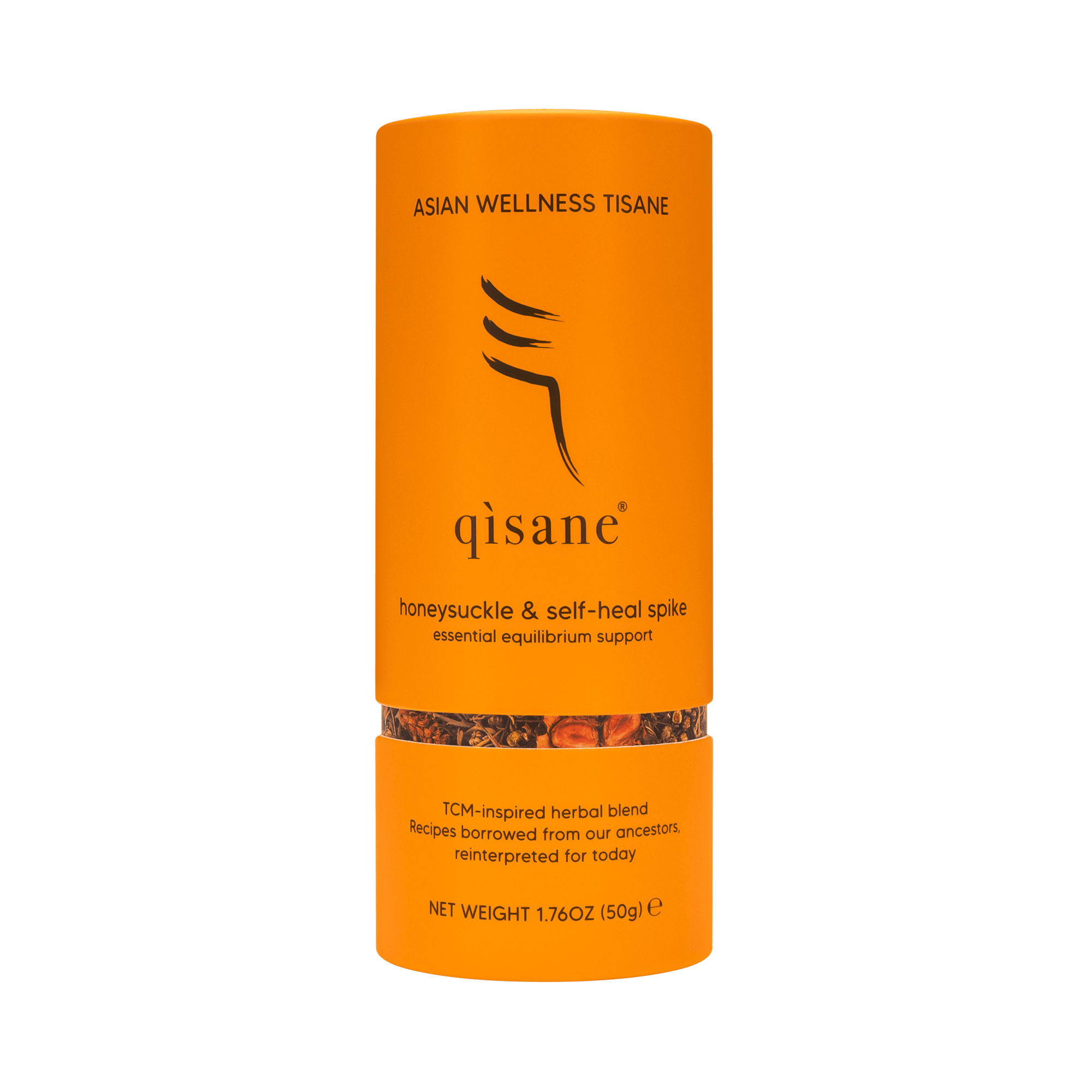
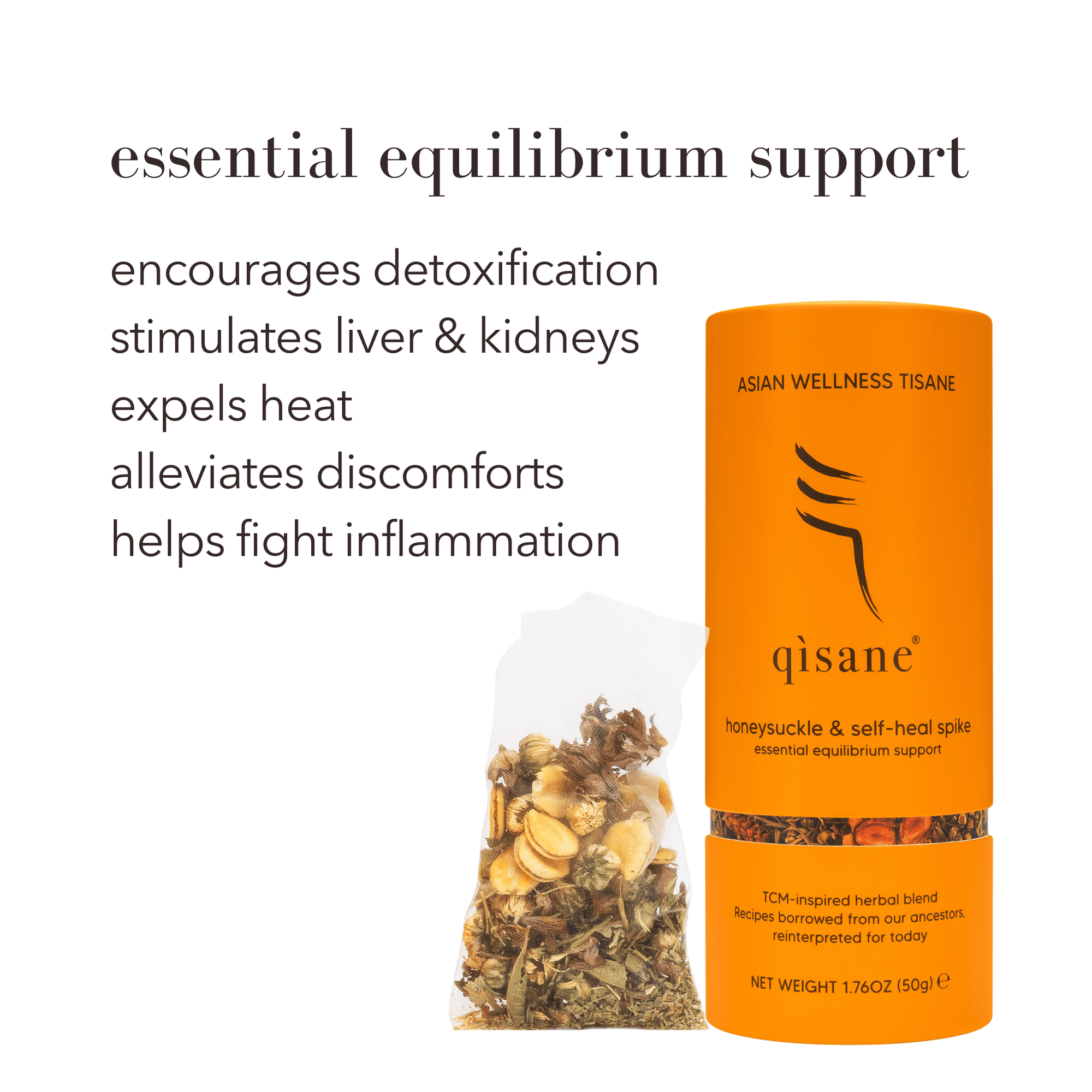
If you're looking for a dual-ingredient Asian herbal tea that delivers the compound science discussed above, Hibiscus & Mandarin Peel Herbal Tea For Stress & Tension Relief is formulated specifically for stress and tension relief. Each oversized sachet contains whole dried mandarin peel and hibiscus flowers with no crushed filler and no additives. Priced at $18.99, it sits in the accessible range for functional herbal teas without compromising on ingredient quality. The sachets are designed for two full-bodied steeps, stretching the box further than single-use tea bags.
The practical application of citrus peel herbal tea compounds paired with hibiscus anthocyanins: a blend grounded in traditional Asian herbal wisdom and supported by modern compound identification.
Comparing citrus peel herbal tea blends
| Tea Type | Example | Limonene | Hesperidin | Anthocyanins | Approx. Price |
|---|---|---|---|---|---|
| Single-ingredient hibiscus | Traditional Medicinals, Organic India | ✗ | ✗ | ✓ | $5–$10 |
| Generic citrus herb blend | Various grocery brands | ✓ (lemon/orange peel) | Low | ✗ | $6–$12 |
| Mandarin & hibiscus blend | Dual-ingredient formula | ✓ | ✓ (mandarin peel) | ✓ | $21.99 |
The table shows that single-ingredient hibiscus teas (like those from Traditional Medicinals or Organic India) are lower-cost but miss the citrus peel compounds entirely. Generic citrus herb blends often use lemon or orange peel, which provide limonene but lack the hesperidin concentration of mandarin peel. The dual-ingredient mandarin and hibiscus tea blends target stress relief through multiple pathways and while the price point of $21.99 is higher, each oversized sachet can be used 2 - 3 times as whole, uncrushed ingredients are used.
Is this tea right for you? A decision framework
Not every herbal tea is the right fit for every person. Here's a checklist to help you decide if an Asian herbal tea with citrus peel and hibiscus compounds matches your needs:
- You're seeking natural stress support, not clinical intervention. The tea is not a substitute for therapy, medication, or medical treatment for anxiety disorders. It's a daily ritual that supports stress resilience.
- You value authentic Asian herbal tradition. The mandarin peel used here follows traditional drying methods that preserve volatile oils and flavonoids, not the commodity-grade citrus peel found in generic blends.
- You're open to tart flavor profiles. Hibiscus is naturally tart, similar to cranberry. If you prefer sweet, mild teas, you may want to add honey or try a different blend.
- You're willing to brew properly. Maximum compound extraction requires attention to water temperature and steeping time. If you're looking for a dump-and-go tea bag, the method may feel fussy.
If those points align, a citrus peel herbal tea with hibiscus is worth trying. If you need immediate pharmaceutical-level intervention for stress, consult a healthcare provider first.
Frequently asked questions
Which compound in citrus peel is most active for stress relief?
Limonene is the most rapidly active compound, delivering aromatherapeutic effects within 15 minutes of inhalation. Hesperidin works more slowly through anti-inflammatory pathways and supports stress resilience over days and weeks. Both are important, but limonene provides the immediate calming sensation most people notice first.
Can you taste the mandarin peel in the tea?
Yes. Mandarin peel contributes a bright, slightly bitter citrus note that balances the tartness of hibiscus. It's not a sweet orange flavor. It's more aromatic and herbal, with a subtle bitterness that fades as you sip.
How does this compare to chamomile for stress?
Chamomile works primarily through apigenin, a flavonoid that binds to benzodiazepine receptors and produces mild sedation. It's a single-pathway mechanism. Citrus peel herbal tea compounds plus hibiscus anthocyanins address stress through aromatherapeutic, anti-inflammatory, and antioxidant pathways at the same time. If chamomile works for you, keep using it. If you want broader compound coverage, try the mandarin-hibiscus blend.
Is hibiscus safe to drink daily?
For most people, yes. Hibiscus has been consumed as a beverage for centuries in African, Caribbean, and Asian cultures. However, it can lower blood pressure. If you're on antihypertensive medication or have naturally low blood pressure, consult your doctor before making it a daily habit.
Why pair these two ingredients instead of using more?
More ingredients don't always mean better results. When you add too many bioactive compounds to a single blend, they can compete for absorption or produce conflicting effects. A two-ingredient formula allows each compound to work at functional levels without dilution. The principle is borrowed from traditional Asian herbal tea formulation: precision over complexity.
Does brewing method really affect compound potency?
Yes, significantly. Boiling water evaporates volatile terpenes like limonene before they can dissolve into the tea. Under-steeping extracts only surface compounds and misses the flavonoids and anthocyanins that require longer contact time. The 200–205°F range with a 5–7 minute steep maximizes extraction without degrading heat-sensitive compounds.
Is this tea caffeinated?
No. Neither mandarin peel nor hibiscus contains caffeine. It's a tisane (an herbal infusion), not a tea made from Camellia sinensis leaves. You can drink it in the evening without worrying about sleep disruption.
Can pregnant women drink this tea?
Hibiscus is generally advised against during pregnancy because of its potential to stimulate menstruation and lower blood pressure. If you're pregnant or breastfeeding, consult your healthcare provider before drinking hibiscus tea, even in a blend with mandarin peel.
Important note
Herbal tea supports relaxation and stress resilience, but it does not diagnose, treat, cure, or prevent clinical anxiety disorders, depression, or other mental health conditions. If you experience chronic stress, panic attacks, or symptoms that interfere with daily functioning, consult a licensed healthcare provider. The article is educational and does not replace medical advice.